
Today In Aviation History: C-119 Makes First Midair Recovery of a Space Capsule

On August 18, 1960, a Fairchild C-119J Flying Boxcar soared 8,000 feet above the Pacific, 360 miles southwest of Honolulu. With its clamshell doors open, the aircraft’s retrieval system snagged the Discoverer 14 satellite’s film capsule midair—a historic first. Piloted by the 6593rd Test Squadron, this daring feat by C-119J 51-8037 marked a triumph for the U.S. Air Force’s Corona spy program, blending aviation prowess with Cold War ingenuity.

Austin Hancock
Austin Hancock
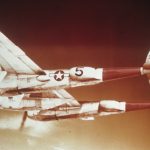
U.S. Air Force C-119J recovers a CORONA Capsule returned from Space. The C-119J was specially modified for the mid-air retrieval of space capsules re-entering the atmosphere from orbit. On August 19, 1960, this aircraft made the world's first midair recovery of a capsule returning from orbit when it "snagged" the parachute lowering the Discoverer XIV satellite at 8,000 feet altitude 360 miles southwest of Honolulu, Hawaii. (U.S. Air Force photo)
Barnerstormer Hugault 729x90

VAN Today in Aviation History Banner

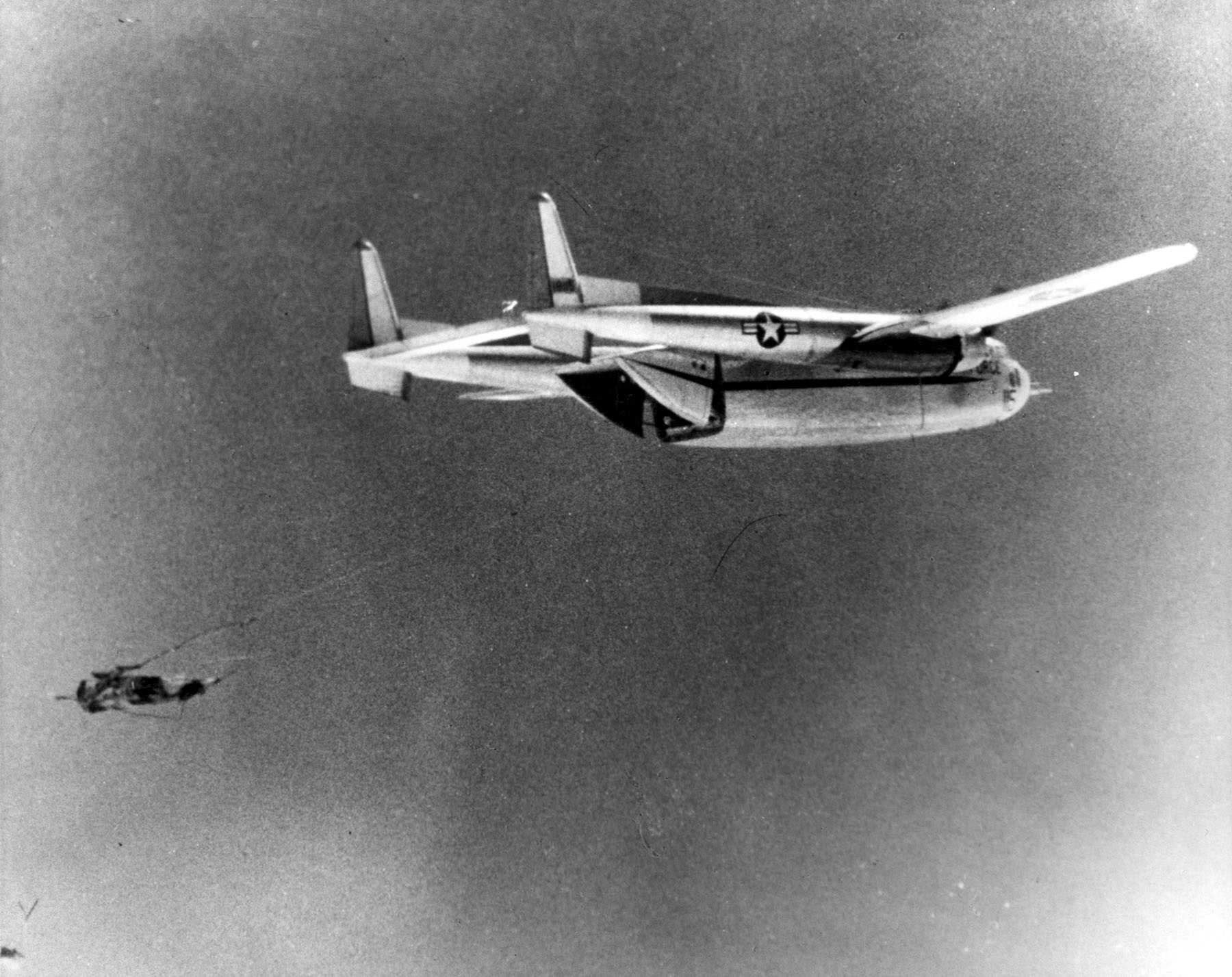
On August 18, 1960, a Fairchild C-119J Flying Boxcar achieved a historic milestone by performing the first midair recovery of a space capsule returning from orbit. Operated by the United States Air Force, the C-119J, fitted with a specialized retrieval system extending from its open clamshell rear doors, successfully captured the film capsule from the Corona spy program’s Discoverer 14 satellite. The 456th Troop Carrier Wing, under the Strategic Air Command (SAC), was assigned to midair retrieval operations, targeting balloons, drones, satellites, and capsules. The 6593rd Test Squadron, based at Hickam Air Force Base, Hawaii, executed these missions. On this historic day, C-119J 51-8037, flying at 8,000 feet, snagged the Discoverer 14 capsule 360 miles southwest of Honolulu, marking a pioneering moment in space and aviation history.
C 119 Makes First Midair Recovery of a Space Capsule
A Discoverer capsule being retireved during descent by a C-119. (U.S. Air Force photo)

The C-119 Flying Boxcar, designed by Fairchild Aircraft and first flown on November 17, 1947, earned its nickname from its boxy, train-car-like fuselage. Used extensively in the Korean War for cargo and paratrooper transport, and later as AC-119G Shadow and AC-119K Stinger gunships in the Vietnam War, the C-119 was a versatile workhorse. Powered by two 3,500-horsepower Pratt & Whitney R-4360-20W radial engines, it had a crew of five, a maximum speed of 281 miles per hour, a range of 1,540 nautical miles, and a service ceiling of 23,900 feet. It could carry 67 troops, 35 stretchers, or 27,500 pounds of cargo.
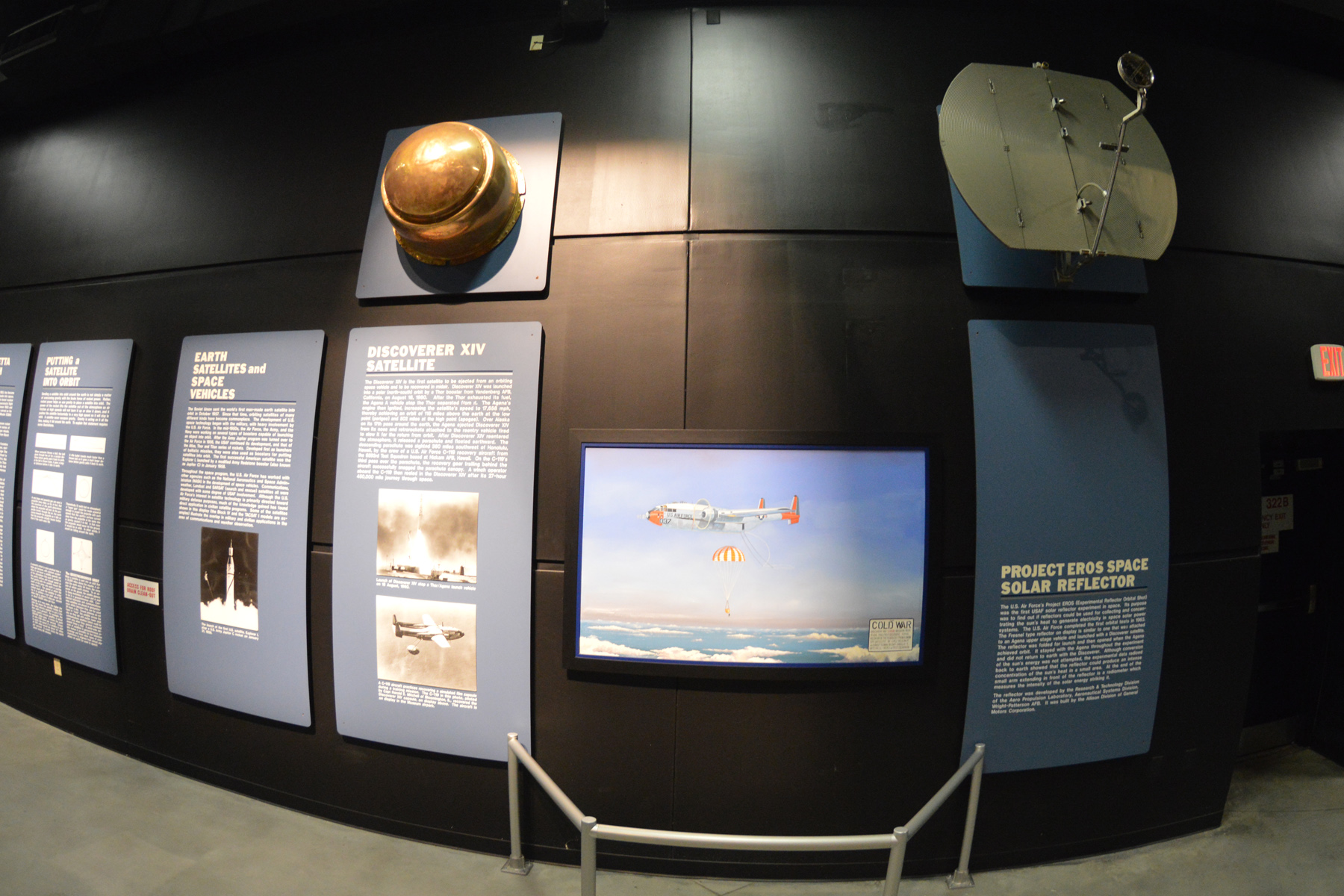
Portion of the Discoverer XIV satellite and Project EROS space solar reflector in the Missile and Space Gallery at the National Museum of the United States Air Force. U.S. Air Force photoJPG
Portion of the Discoverer XIV satellite, and Project EROS space solar reflector in the Missile and Space Gallery at the National Museum of the United States Air Force. (U.S. Air Force photo)

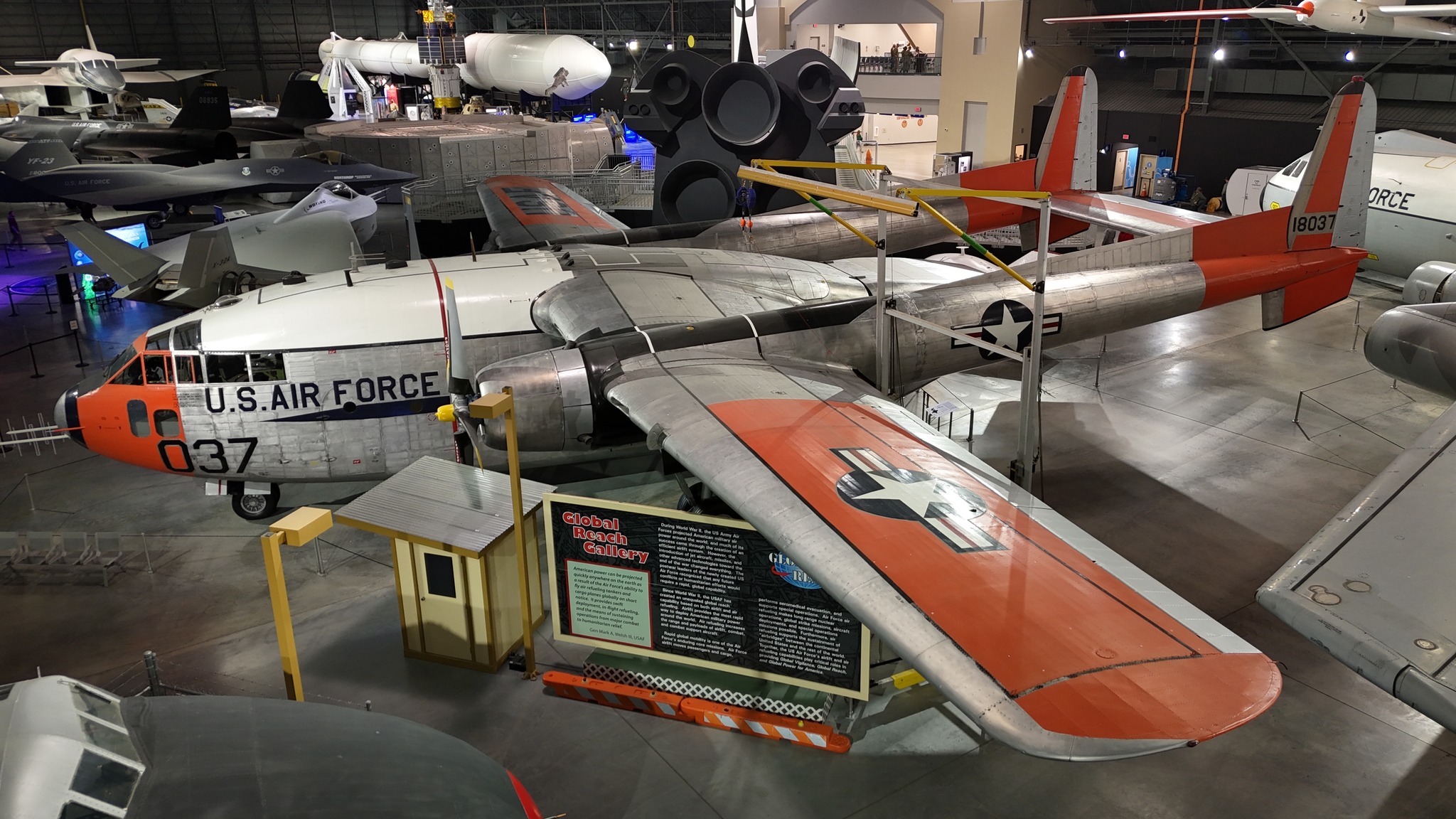
The C-119J involved in this groundbreaking recovery, serial 51-8037, survives today and is displayed at the National Museum of the United States Air Force in Dayton, Ohio, preserving its legacy as a key artifact of Cold War innovation.

Fairchild C 119J Flying Boxcar The Satellite Catcher
Fairchild C-119J Flying Boxcar: The Satellite Catcher. Photo National Museum of the U.S. Air Force
Aircorps Art Dec 2019
Share This Article
Commercial Pilot, CFI, and Museum Entrepreneur, with a subject focus on WWII Aviation. I am dedicated to building flight experience so I can fly WWII Fighters, such as the P-51 Mustang, for museums and airshows, and in the USAF Heritage Flight. I lead and run the Pennington Flight Memorial, to honor local MIA Tuskegee Airman F/O Leland “Sticky” Pennington.