

(Image credit: VAN)
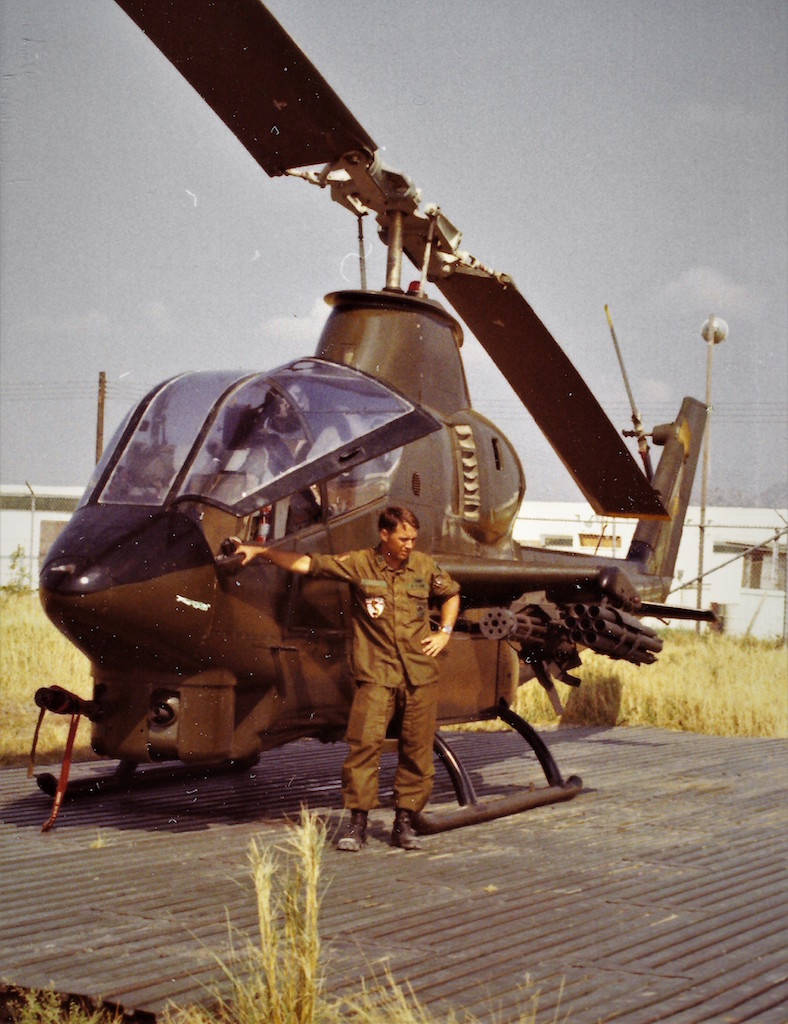
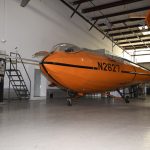
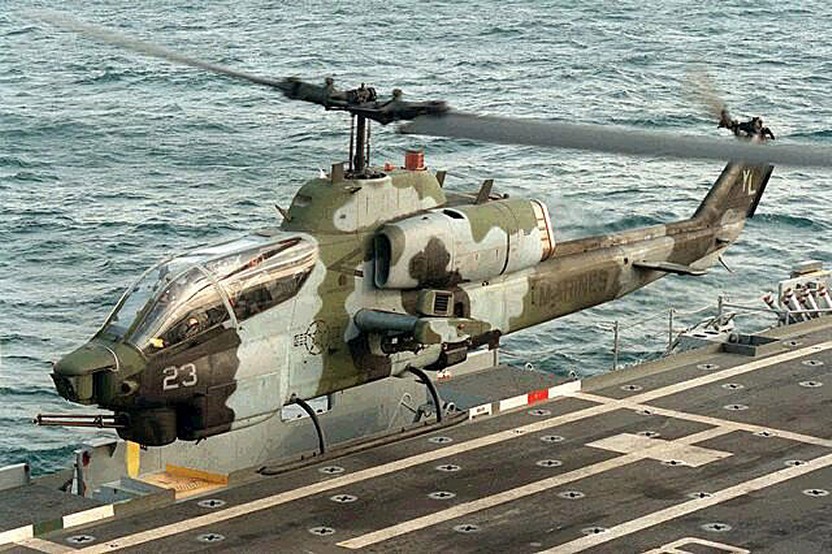
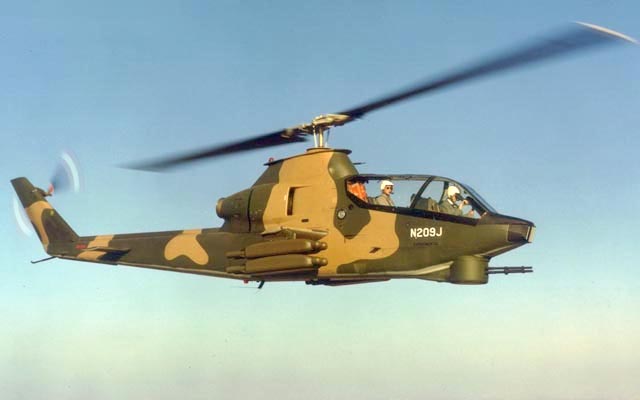
Sixty years ago today, on September 7, 1965, the Bell AH-1 Cobra lifted off for its maiden flight. Known as the Bell Model 209 in prototype form, the helicopter was flown by test pilot William Quinlan during a 12-minute flight that marked the beginning of a new era in rotary-wing attack aircraft. The Model 209 was a private venture by Bell Helicopter, developed in just seven months. It incorporated the proven drive system, rotor, and tail boom of the UH-1C Huey gunship, but with a much slimmer fuselage and tandem seating for the pilot and co-pilot/gunner. Initially equipped with retractable landing gear, the design was later simplified to fixed skids for production models.
The first production AH-1s were delivered to the U.S. Army in June 1967, just in time for deployment to Vietnam. The Cobra proved invaluable in providing close air support, escorting troop transports, and operating alongside scout helicopters like the OH-6A Cayuse in “hunter-killer” reconnaissance teams. Beyond Vietnam, the Cobra served in major U.S. operations including Grenada (1983), Panama (1989), and the Gulf War (1990–1991). Although eventually phased out of U.S. Army service in the late 1990s, the U.S. Marine Corps continues to fly the advanced AH-1Z Viper, a twin-engine descendant of the original Cobra lineage.

The AH-1G HueyCobra, the first operational version, was powered by a 1,100-horsepower Lycoming T53-L-13 turboshaft engine, giving it a top speed of 171 mph, a range of 310 nautical miles, and a service ceiling of 11,400 feet. Armed with a mix of two 7.62mm Miniguns, 40mm grenade launchers, and rocket pods carrying up to 19 70mm rockets, the Cobra packed formidable firepower. Additional weapon options included external gun pods and a 20mm cannon, making it a versatile and lethal attack platform. Between 1967 and 2019, Bell produced 1,116 AH-1 Cobras. Today, the type continues to serve with the Japan Ground Self-Defense Force, the Republic of Korea Army, and the Royal Jordanian Air Force. Combined with modern variants like the AH-1Z, the Cobra’s six decades of service underscore the durability and effectiveness of this pioneering attack helicopter.