


(Image credit: VAN)
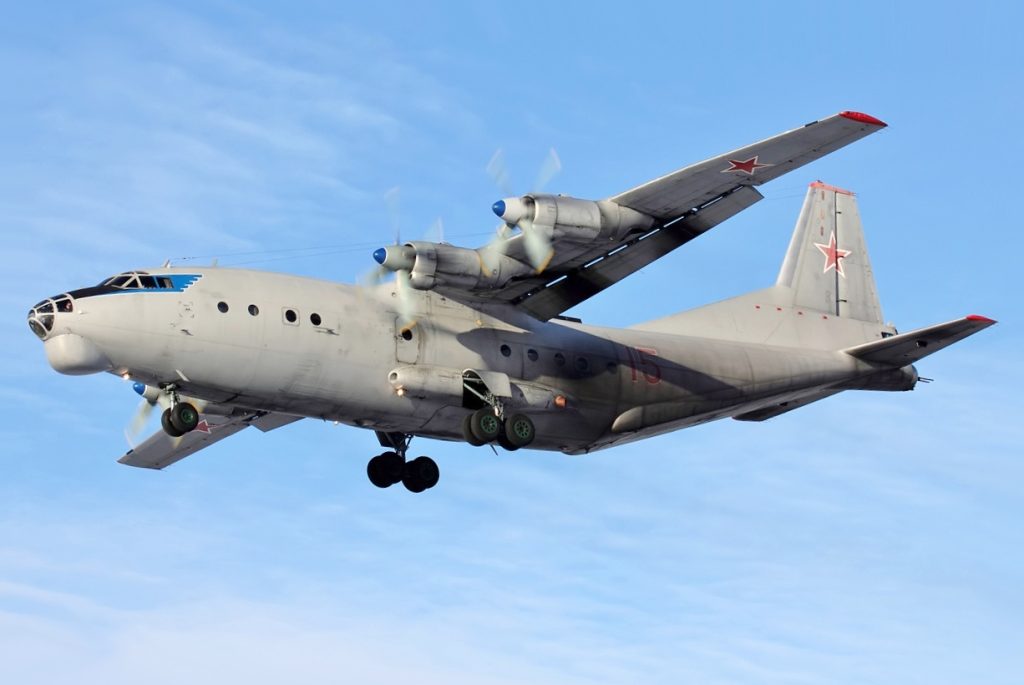
On this day in aviation history, 68 years ago (December 16, 1957), the first flight of the Antonov An-12 occurred. Known by NATO as the Cub, the An-12 is a Russian turboprop transport aircraft. The Cub was designed and built by Antonov as a military variant of their earlier An-10 design. Beginning in the 1960s and spanning for 3 decades beyond, the An-12 was the Soviet Air Forces’ main medium-range transport and paratroop aircraft. The design was admired by the Chinese, who built a licensed version known as the Shaanxi Y-8. In terms of size and capability, the Antonov An-12 is the Russian equivalent of the Lockheed C-130 Hercules. Cubs saw significant use during the Soviet-Afghan war between 1979 and 1989, carrying “Cargo 200” (coffins with soldiers lost in combat). This specific duty earned the An-12 the nickname Black Tulip.” An-12s remain in the Soviet Air Force’s arsenal today, though a few have been lost to drone attacks in the recent Russia-Ukraine conflict. Between 1957 and 1973, Antonov manufactured a total of 1,248 An-12s.
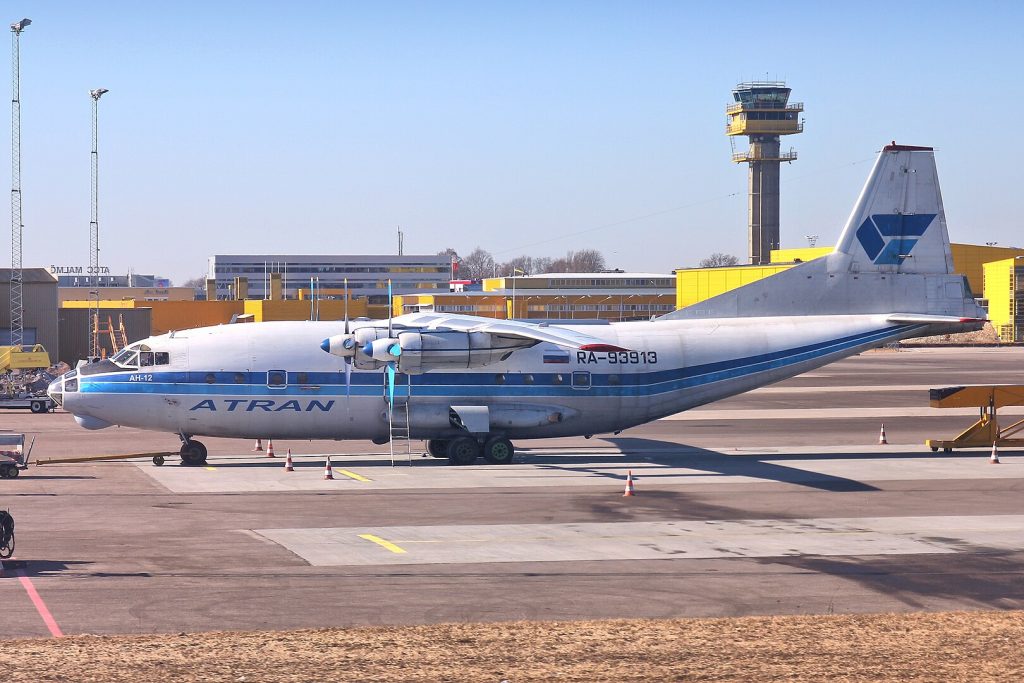
In addition to military use, the An-12 is currently being flown as an airliner. ATRAN Cargo Airlines and SAT Airlines in Russia operate the Cub commercially. In Ukraine, Aerovis Airlines and Antonov Airlines fly the An-12. The Cub is crewed by a team of 5 flight personnel, and has a capacity for either 60 paratroopers, two BMD-1 armoured vehicles, or 44,000 pounds of payload. An-12s are powered by four Ivchenko AI-20L or AI-20M turboprop engines, each providing 4,000 shaft horsepower. The aircraft’s cruise speed is 350 mph, while the maximum airspeed is 410. With a maximum payload, the An-12 can fly within a range of 1,900 nautical miles, and the aircraft has a service ceiling of 33,500 feet. Two 23 millimeter Nudelman-Rikhter NR-23 cannons in the tail turret provide the Cub with a means of self-defense.