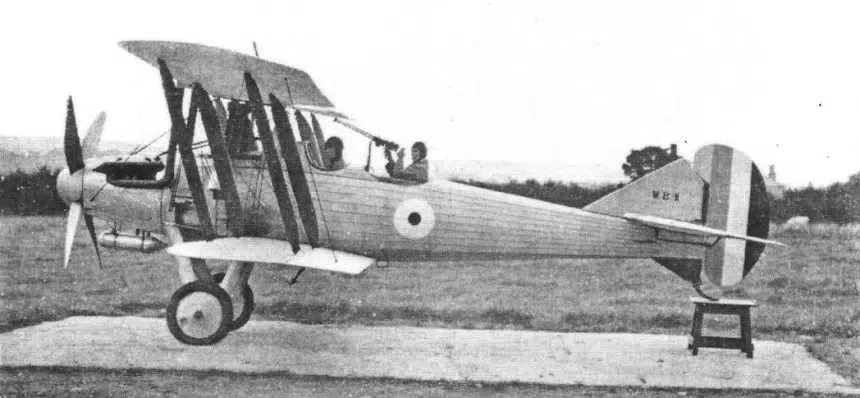

On this day in aviation history, 109 years ago (August 30, 1917), the Beardmore W.B.II took flight for the first time. Designed by G. Tilghman Richards and built by William Beardmore and Company, the W.B.II was a two-seat British fighter developed as a private venture during World War I. Although testing demonstrated good performance, the aircraft would never enter production. Development of the W.B.II began in 1916 as a derivative of the Royal Aircraft Factory B.E.2c. Constructed primarily of wood, the biplane was powered by a 200-horsepower Hispano-Suiza 8Bd engine and carried both forward-firing and observer-operated machine guns. Design work was completed in early 1917, followed by construction of the first prototype.
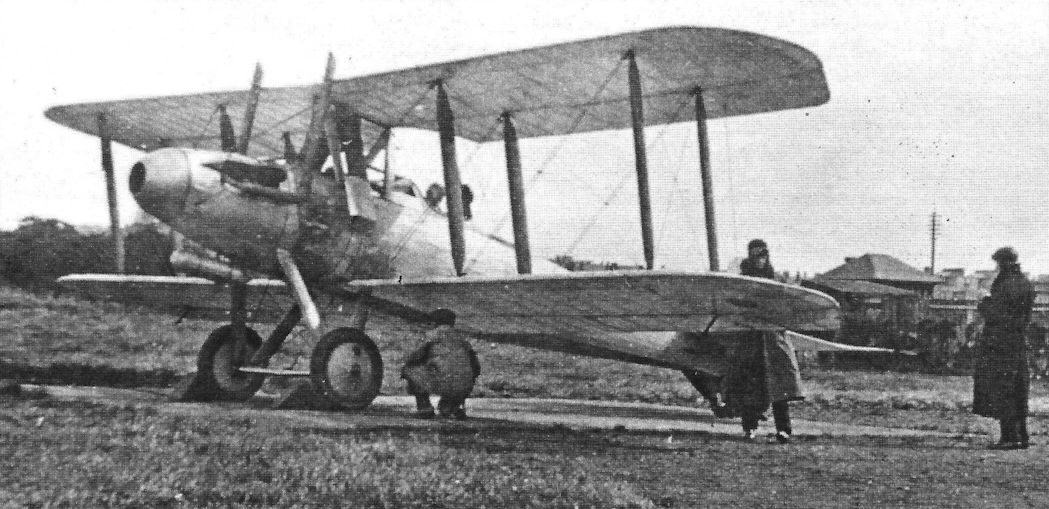
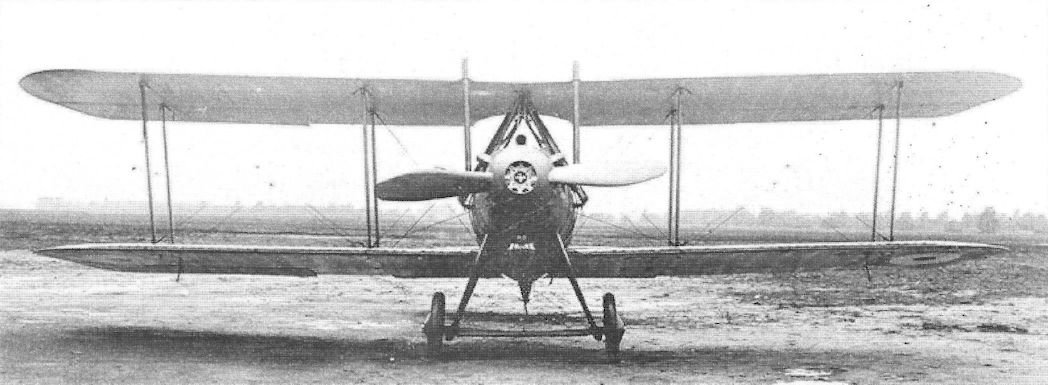
Flight testing proved promising, but the W.B.II fell victim to wartime production priorities. The Air Ministry determined that the Hispano-Suiza 8Bd engines were more urgently needed for the S.E.5a fighters already serving with the Royal Flying Corps. As a result, further production of the military W.B.II was abandoned. The design later resurfaced in 1920 when two civilian W.B.IIB aircraft were constructed as fast mail planes. The Beardmore W.B.II measured 27 feet 3 inches in length with a wingspan of 34 feet 10 inches and was powered by a 200-horsepower Hispano-Suiza 8Bd V-8 engine. It could reach a maximum speed of 120 mph at sea level and had an endurance of approximately 2.8 hours. Armament consisted of two synchronized .303-inch Vickers machine guns and a single .303-inch Lewis gun mounted in the rear cockpit.