

(Image credit: VAN)
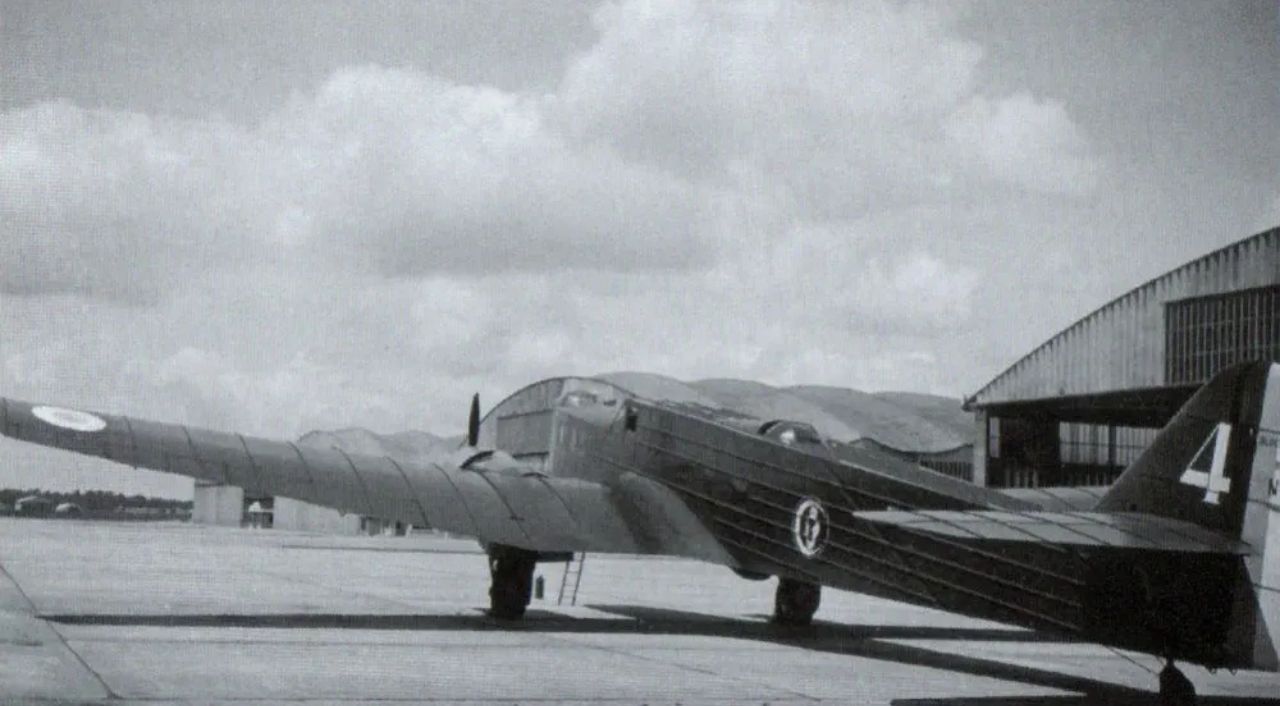
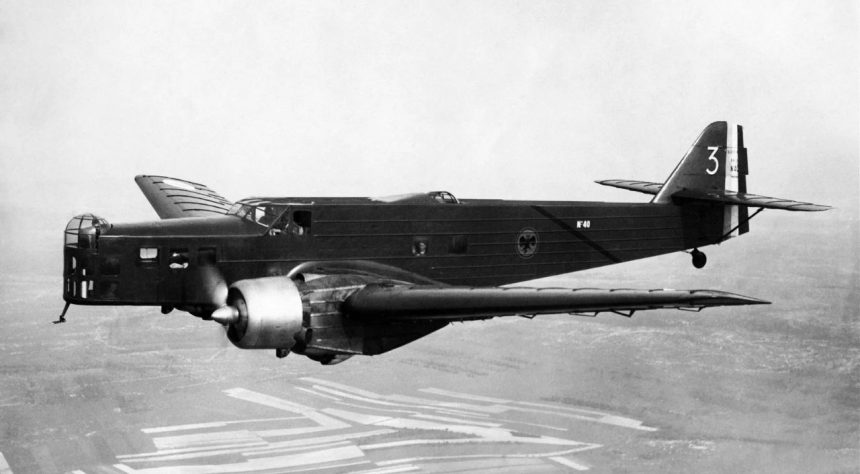
On this day in aviation history, 91 years ago (November 23, 1934), the Bloch MB.210 took flight for the first time. A successor to the Bloch MB.200, the MB.210 was a French bomber designed and built by Société des Avions Marcel Bloch. The MB.210 was a departure from previous French bomber designs, utilizing a low-wing rather than high-wing monoplane configuration. Aside from the low-wing, the MB.210 also featured retractable landing gear, another feature that the MB.200, which came before it, lacked. Bloch developed the MB.210, and shortly after its first flight, they built another prototype that would become the MB.211 Verdun. The Verdun lacked in performance during testing, so the MB.210 was the only variant developed further. MB.210s began to be introduced into service in November 1936. When Germany attacked France in September 1939, twelve bomber units of the Armée de l’Air were equipped with MB.210s. The Bloch was used on nighttime bombing missions up until the Armistice on June 25, 1939. After this date, MB.210s were shifted to North Africa.
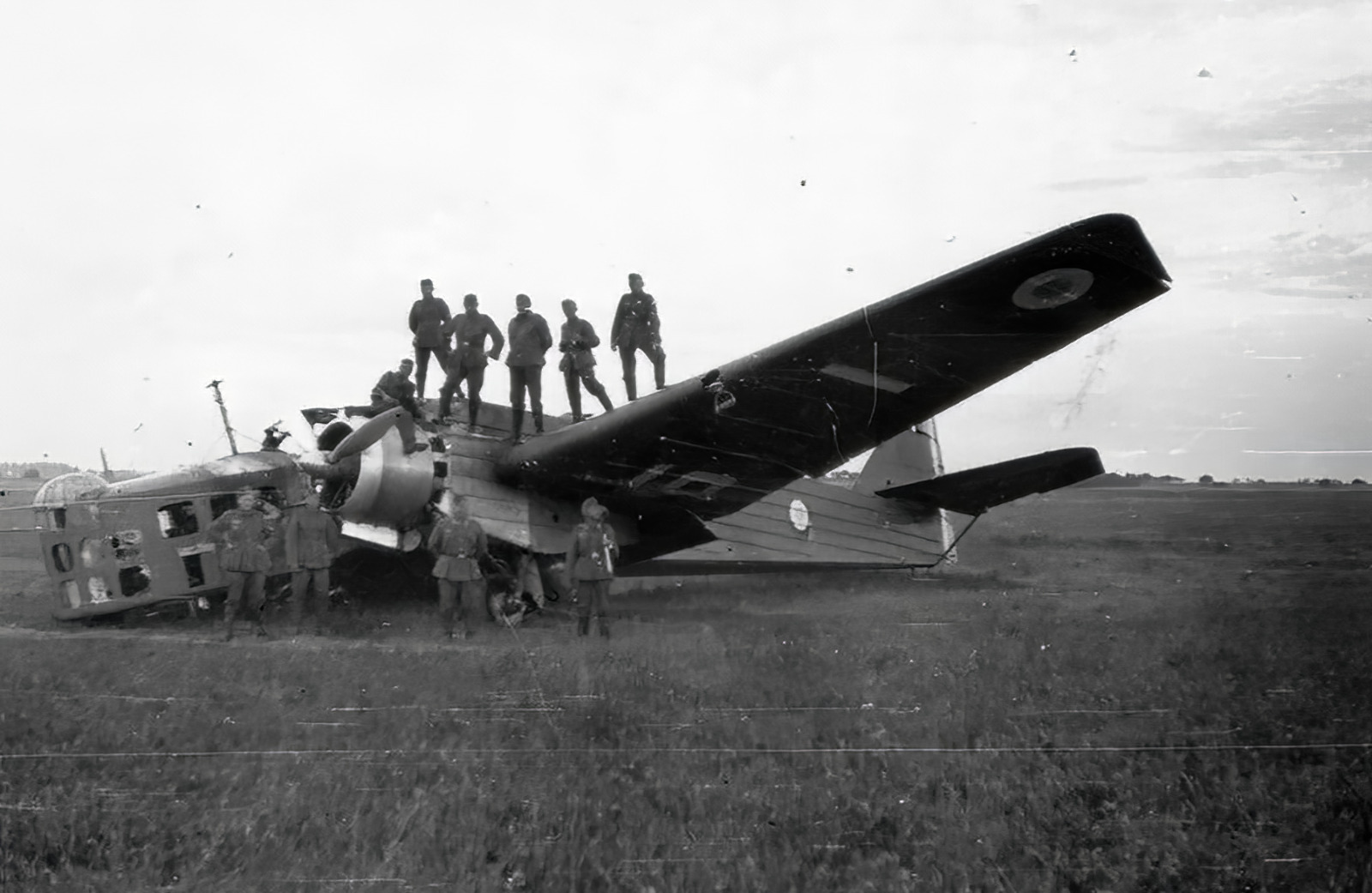
Bloch’s MB.210 was powered by two Gnome-Rhône 14N 14-cylinder radial engines, each with 950 horsepower. These engines were an upgrade from the original 800-horsepower Gnome-Rhône 14Ks installed, which were noted to be underpowered and with a strong tendency to overheat. The MB.210 could cruise at 150 miles per hour, and attain a maximum speed of 200. A crew of five manned the bomber during missions – a range of 950 nautical miles gave the aircraft ample room to strike within. A service ceiling of 32,500 feet was possible for the MB.210. Three 7.5 millimeter MAC 1934 machine guns provided the MB.210 with a means of self-defense – one in the nose and the others in dorsal and ventral turrets. A bomb-load of 3,520 pounds could be armed. Less than 300 Bloch MB.210s were produced, but the aircraft would serve until its retirement in 1945. There are no known surviving airframes today.