






(Image credit: VAN)
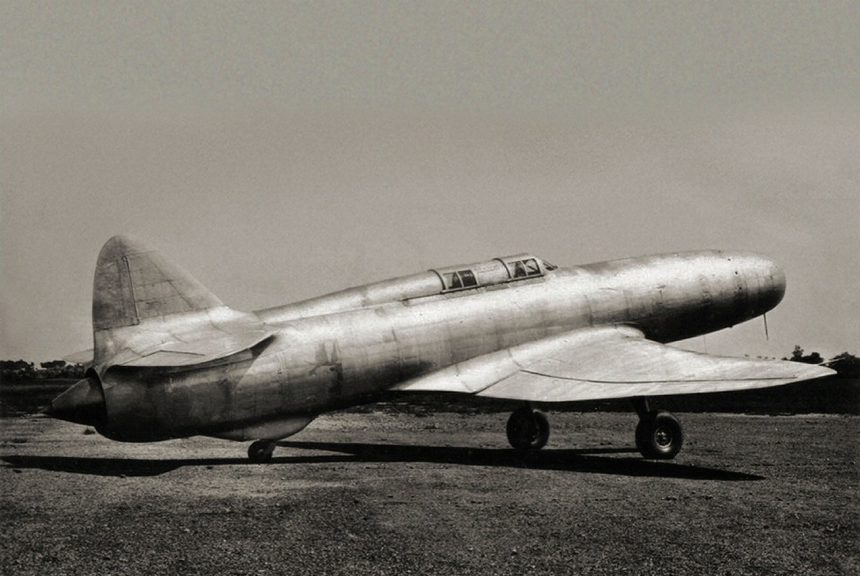
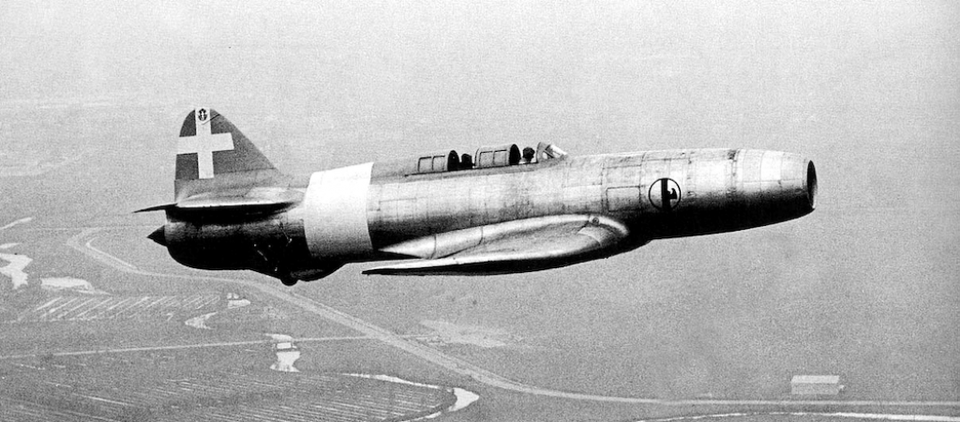
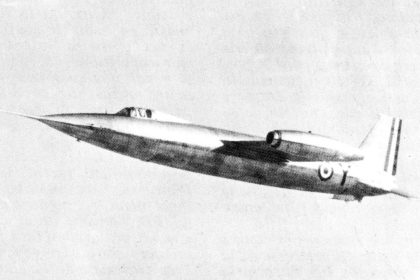
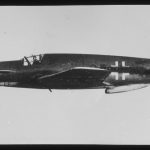
Eighty-five years ago today (August 27, 1940), the Caproni Campini N.1 made its first flight. Designed by Italian engineer Secondo Campini and built in partnership with the Caproni aircraft company, the N.1 was an experimental jet aircraft that briefly held the distinction of being considered the world’s first successful jet-powered airplane. That title, however, shifted once the secret 1939 flight of Germany’s Heinkel He 178 became known.
Campini’s work on jet propulsion dated back to 1931, when he published studies proposing a “thermojet” engine concept. To prove its potential, he even demonstrated a jet-powered boat in Venice. Impressed, the Italian government awarded him a contract to develop a working engine, and in 1934 the Regia Aeronautica authorized the construction of two prototype jet aircraft. To ensure the project had sufficient resources, Campini partnered with Caproni, one of Italy’s leading aircraft manufacturers.
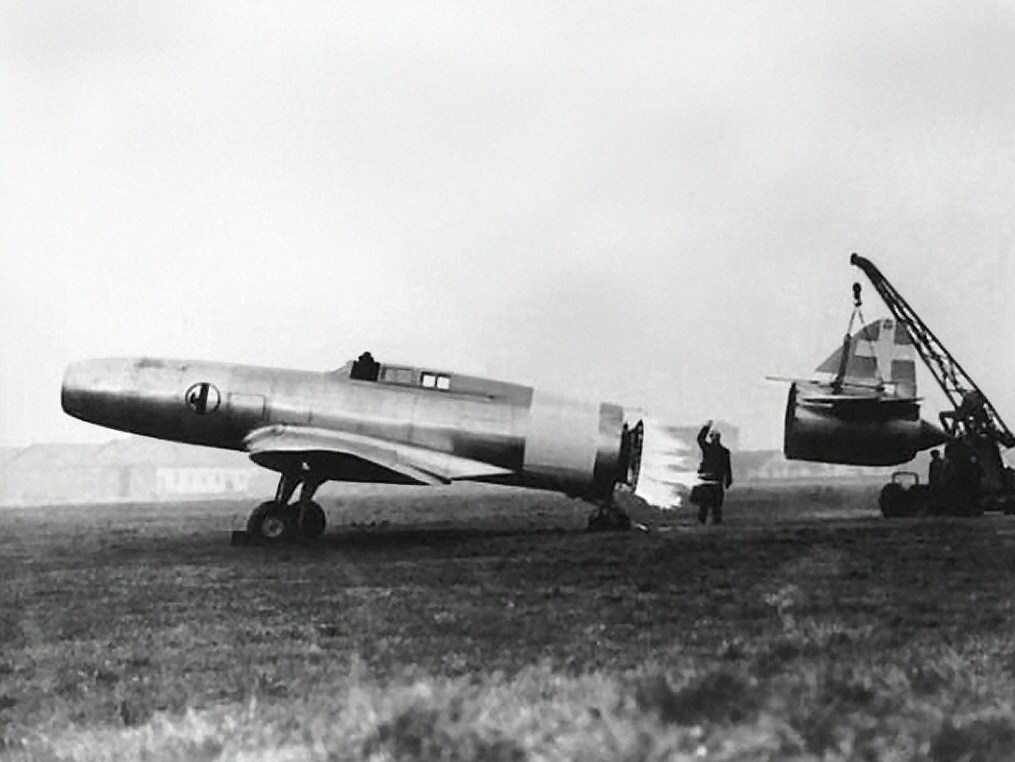
The resulting N.1 was powered by a motorjet—a hybrid propulsion system in which a piston engine drives the compressor. In this case, a 900-horsepower Isotta Fraschini L.121 R.C.40 piston engine drove an axial-flow compressor with afterburning capability, producing up to 1,600 pounds of thrust. Although advanced for its time, the aircraft achieved a maximum speed of just 233 mph, well below the performance of contemporary piston-powered fighters. The sleek, barrel-shaped fuselage housed the engine and accommodated a crew of two, and the N.1 had a service ceiling of 13,000 feet.
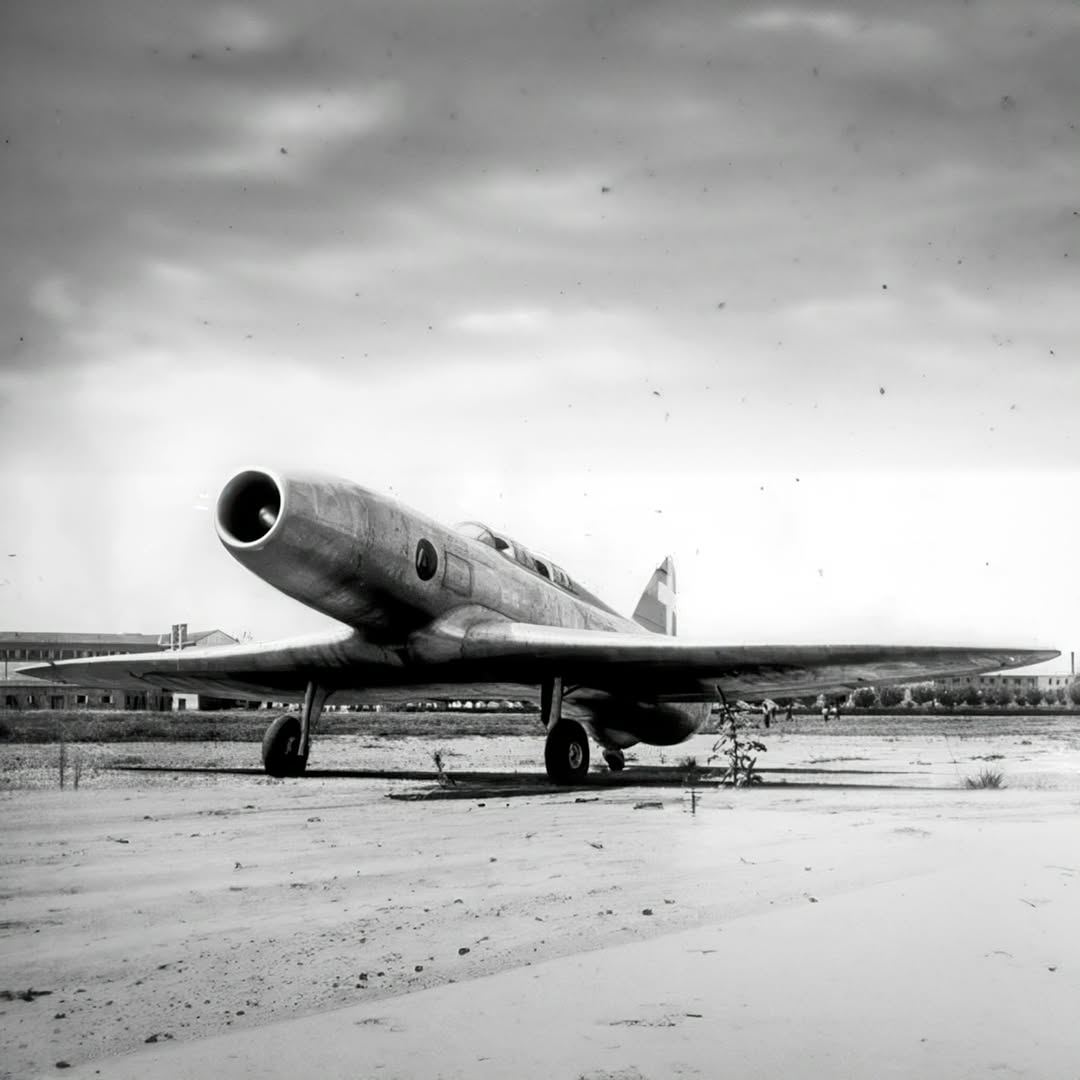
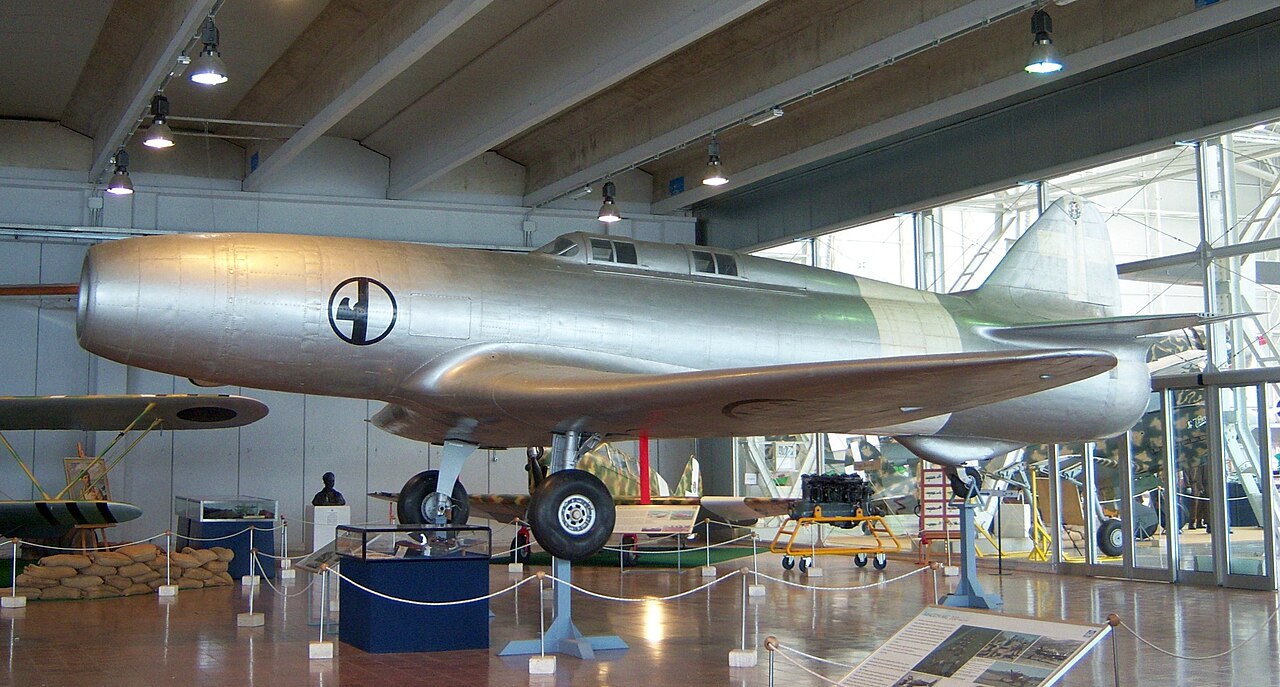
Flight testing revealed both promise and limitations. While the N.1 validated the feasibility of jet propulsion, it lacked the power and efficiency to compete with piston designs then in service. As such, it was never considered a viable fighter. Even so, the Caproni Campini N.1 represented a bold step forward in aviation history and played an important role in the early exploration of jet technology. Of the two aircraft built, one survives today and is preserved at the Italian Air Force Museum in Vigna di Valle, near Rome. Additionally, a fuselage used as a ground testbed is on display at the National Museum of Science and Technology in Milan, ensuring that the legacy of this pioneering Italian jet endures.




Actually the RAF had a jet flying in 1937