

(Image credit: VAN)
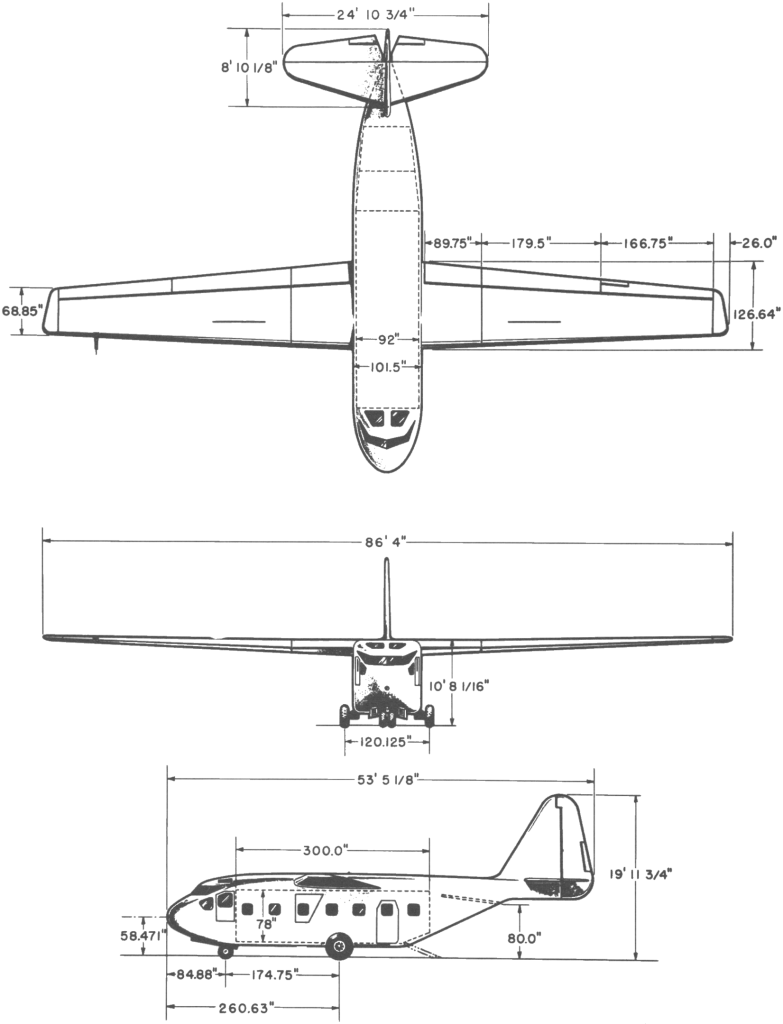
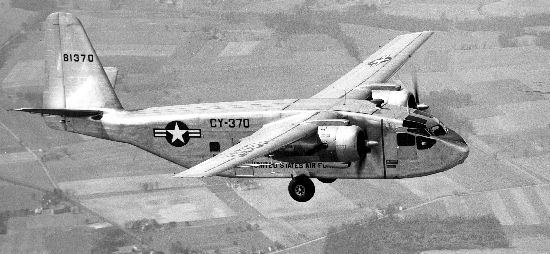
On this day in aviation history, 78 years ago (December 18, 1947), the Chase YC-122 Avitruc flew for the first time. The Avitruc was a late 1940s military transport made by Chase Aircraft, which began life as a glider design. The YC-122 was based on the CG-14 assault glider: a prototype which was not selected for use by the United States Army Air Forces. The Avitruc was also known as the XCG-18A, and internally as the Chase MS.7. During World War II, the USAAF had positive experiences with cargo gliders and felt it necessary to keep them in the post-war inventory. They wished for a new glider, capable of carrying more payload and with higher survivability. Gliders of the Second World War were mostly built from wood, due to resource allocation. Not that more durable construction materials were available, so too was a stronger glider design. Chase Chief Engineer Michael Stroukoff set to work on a design to fill the military’s needs.
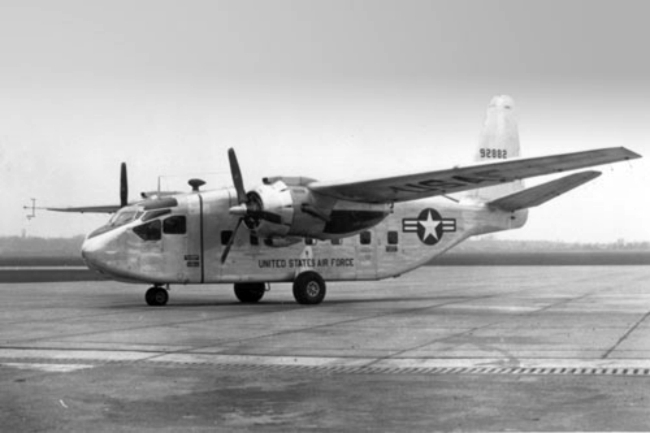
As the XG-18A glider variant was in development, the now-USAF ordered four more airframes to be fitted with engines. The Air Force’s interest in gliders began to wane, but the powered version of the Avitruc held appeal in their eyes. Nine more powered YC-122s were ordered and tested. The Avitrucs performed well in their initial flight evaluations, but the USAF no longer saw a need for small transport aircraft. The project was cancelled. The Chase YC-122C had a crew of 2 pilots and a capacity for either 30 troops, 24 stretchers, or 7,500 pounds of cargo. Two 1,425-horsepower Wright R-1820-101 9-cylinder radial engines powered the aircraft to a maximum speed of 240 mph, although cruise speed was more typically flown at 200 mph. The YC-122 had a range of 870 nautical miles with maximum payload and a service ceiling of 29,100 feet. Chase built 18 Avitrucs of differing variants during the aircraft’s development, but none survive today.