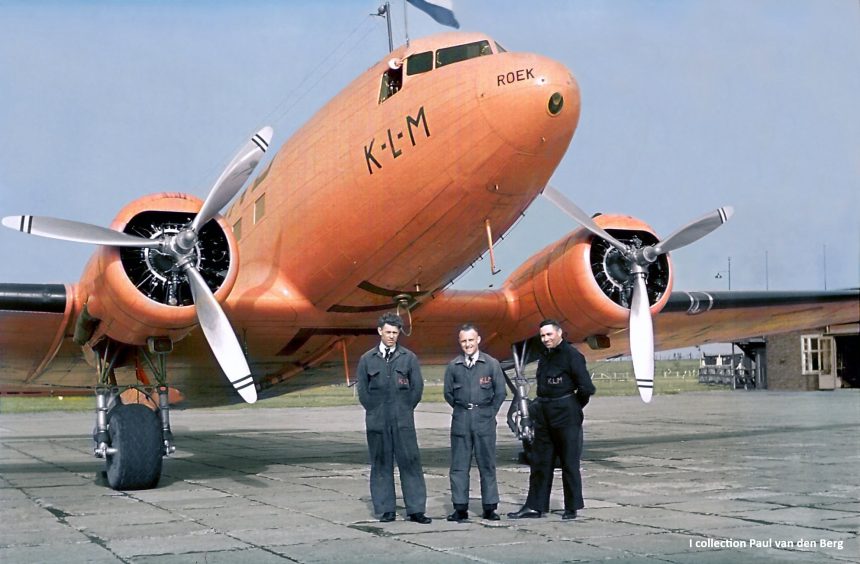

Article via Paul van den Berg and Angela Decker
As the aviation world celebrates the 90th anniversary of one of the most influential airplanes in history, the Douglas DC-3, the DC-3 Society is sharing remarkable stories that highlight the aircraft’s enduring legacy. One such story comes from Paul van den Berg, a retired KLM Systems Engineer and former crew chief of DDA Classic Airlines’ DC-3 “Princess Amalia.” In late 1939, European skies were increasingly perilous for civilian airliners. With World War II looming, even neutral nations faced unexpected dangers. In September of that year, a Dutch KLM DC-3 returning from Stockholm, Sweden, arrived at Schiphol Airport in Amsterdam riddled with bullet holes, the result of an attack by a German warplane. Tragically, one passenger was killed.
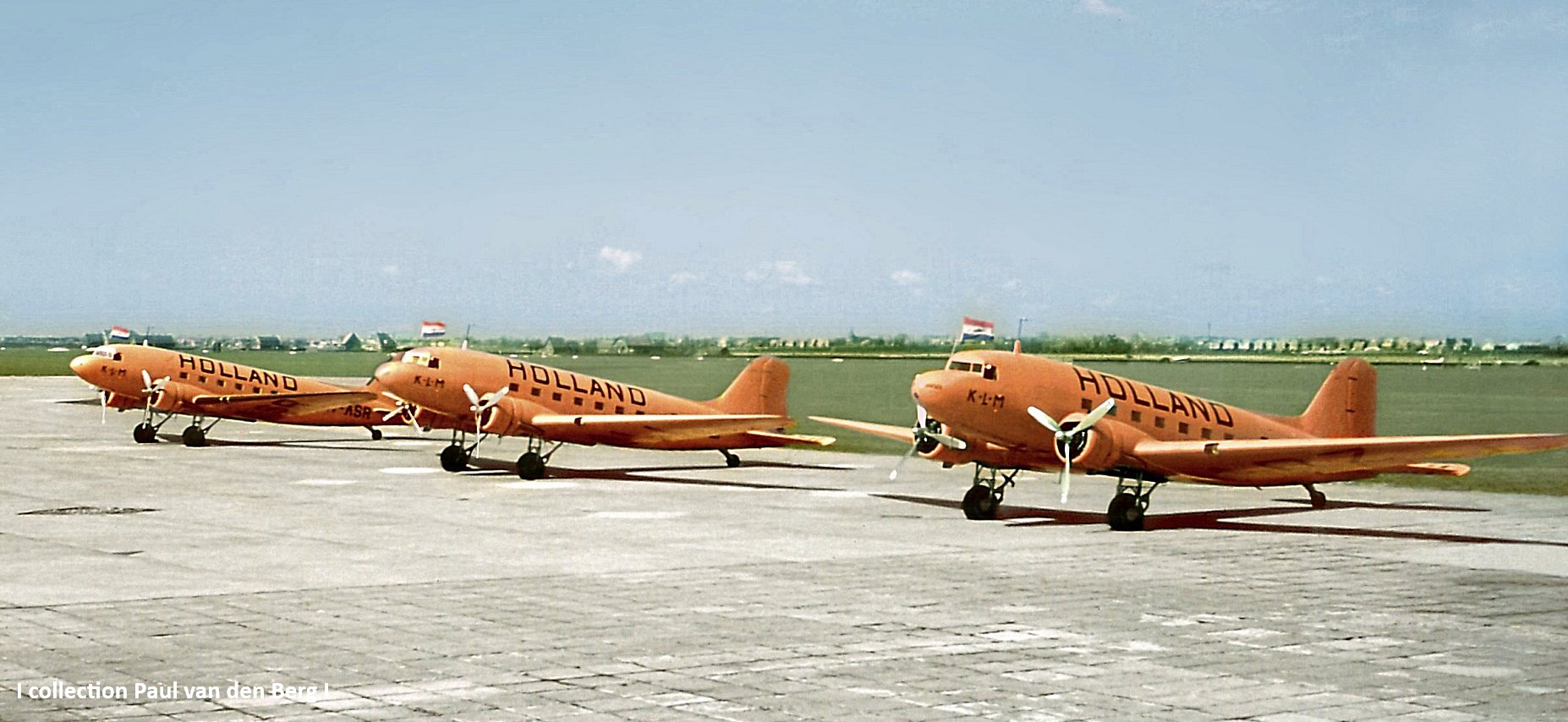
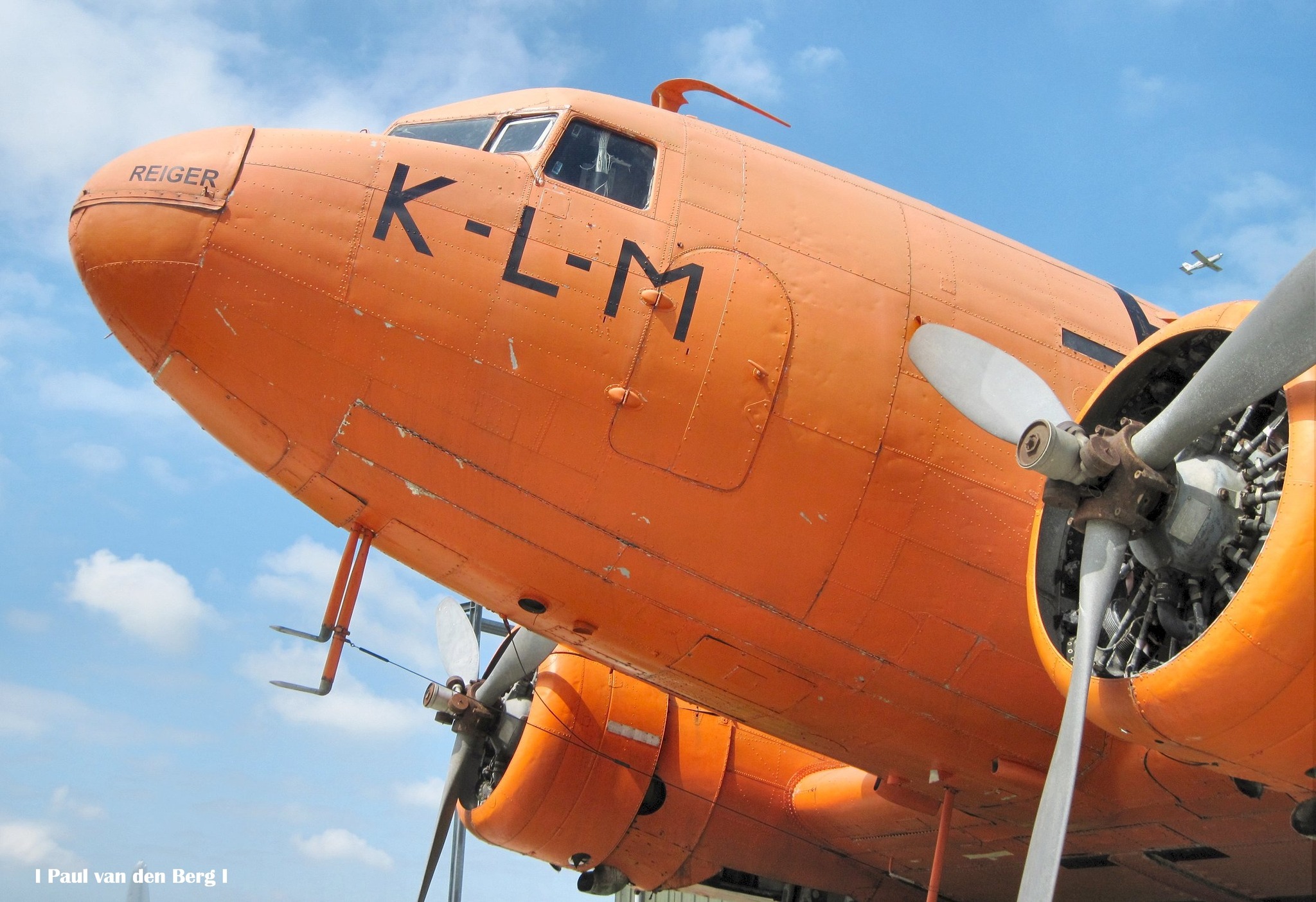
In response to the incident, KLM took immediate measures to safeguard its fleet. The airline painted “HOLLAND” in large, bold letters atop its silver DC-3s to clearly identify them as Dutch aircraft. Not long afterward, the planes were painted bright orange, further increasing their visibility. Other neutral European countries adopted similar precautions to protect their airliners during this tense period. Included in this account are two rare, original color slides from spring 1940, digitally remastered, showing the orange-painted KLM DC-3s. The slides even reveal rear-view mirrors mounted at the cockpit windows—installed at the pilots’ request to “check their six” for approaching aircraft.
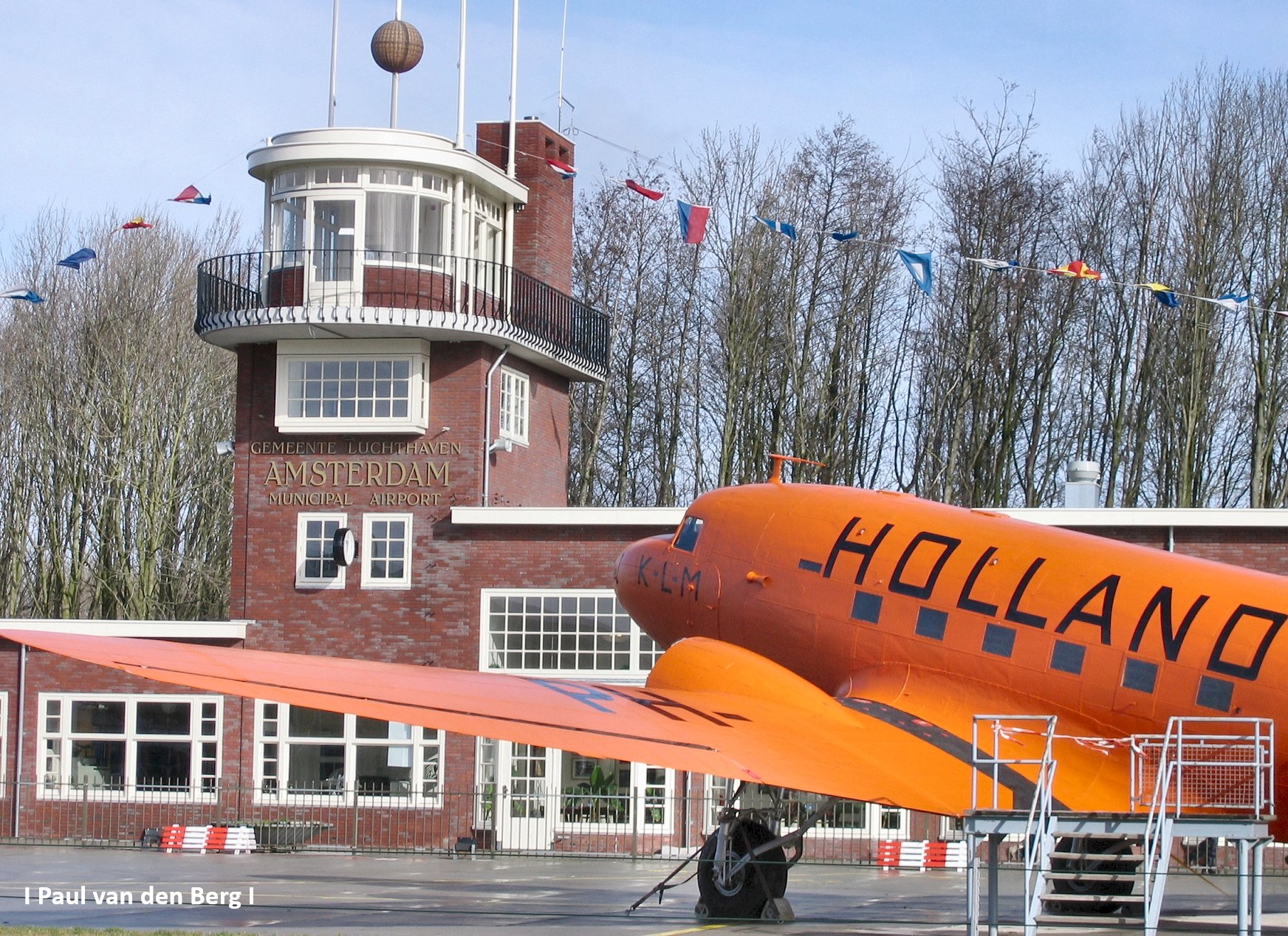
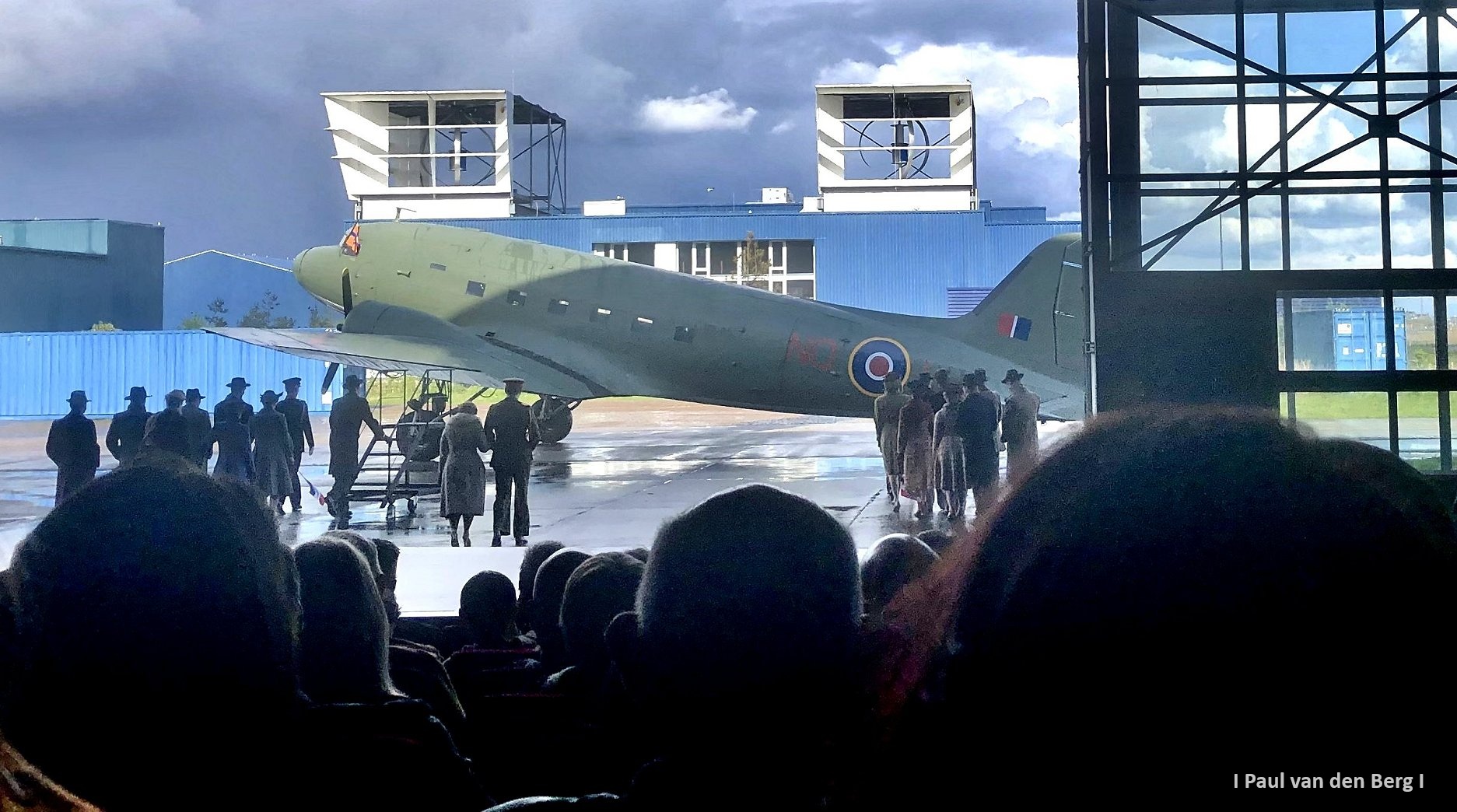
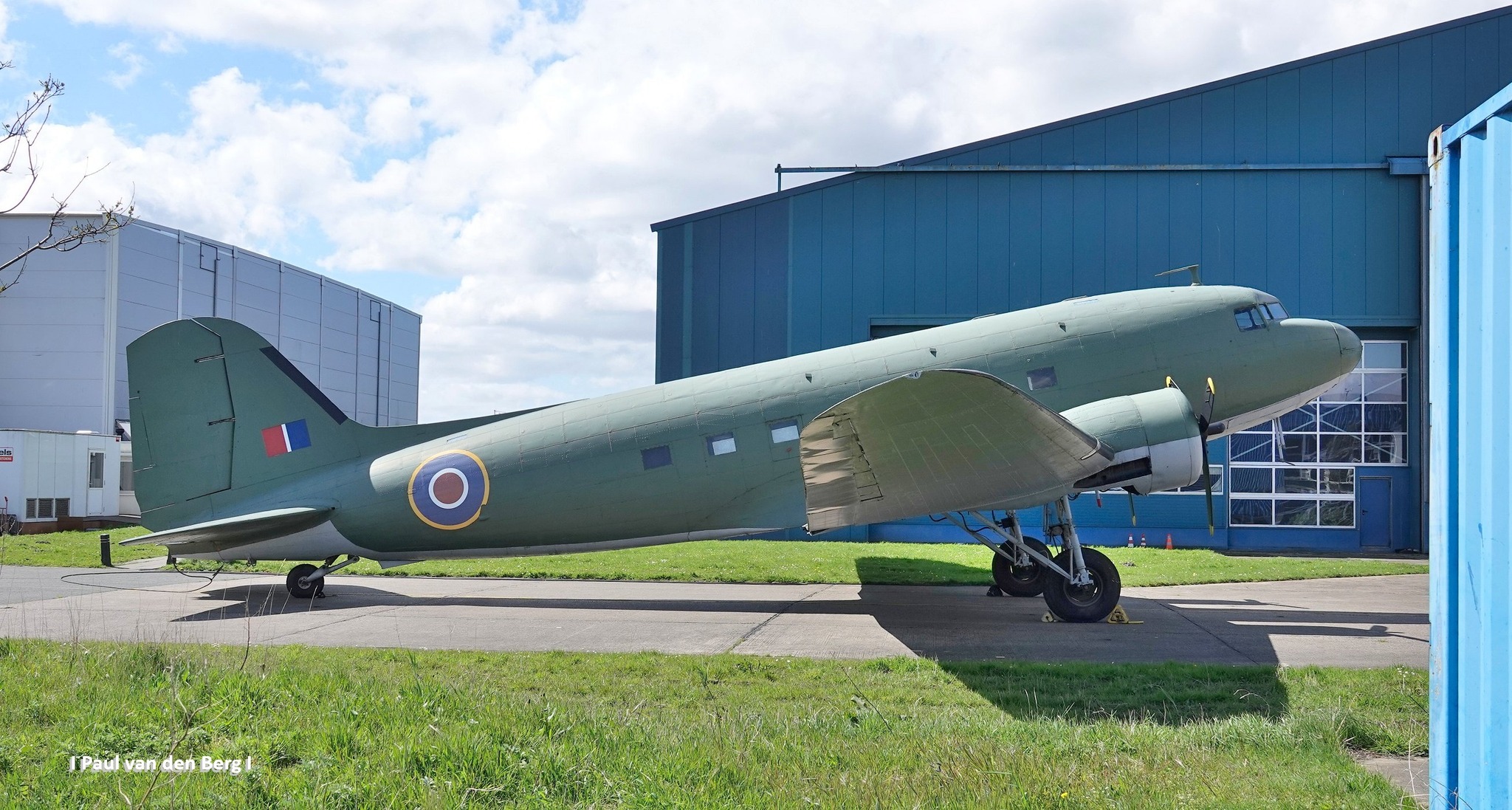
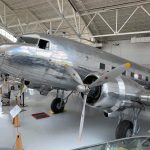
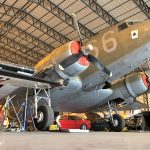
Decades later, in 2003, the Dutch Aviodrome museum honored this turbulent era by painting one of its collection DC-3s (ex-G-AMCA) in the bright 1939 KLM colors, representing PH-ALR “Reiger.” The aircraft continued its historical journey when it was repainted in RAF colors for the 2010 stage production of Soldier of Orange and moved to Valkenburg Naval Air Station, where it remains an integral part of the show today. From wartime markings to museum displays and theatrical productions, the story of the KLM DC-3s demonstrates the resilience, versatility, and cultural significance of an aircraft that continues to capture the imagination of generations—90 years after its first flight.