
(Image credit: VAN)
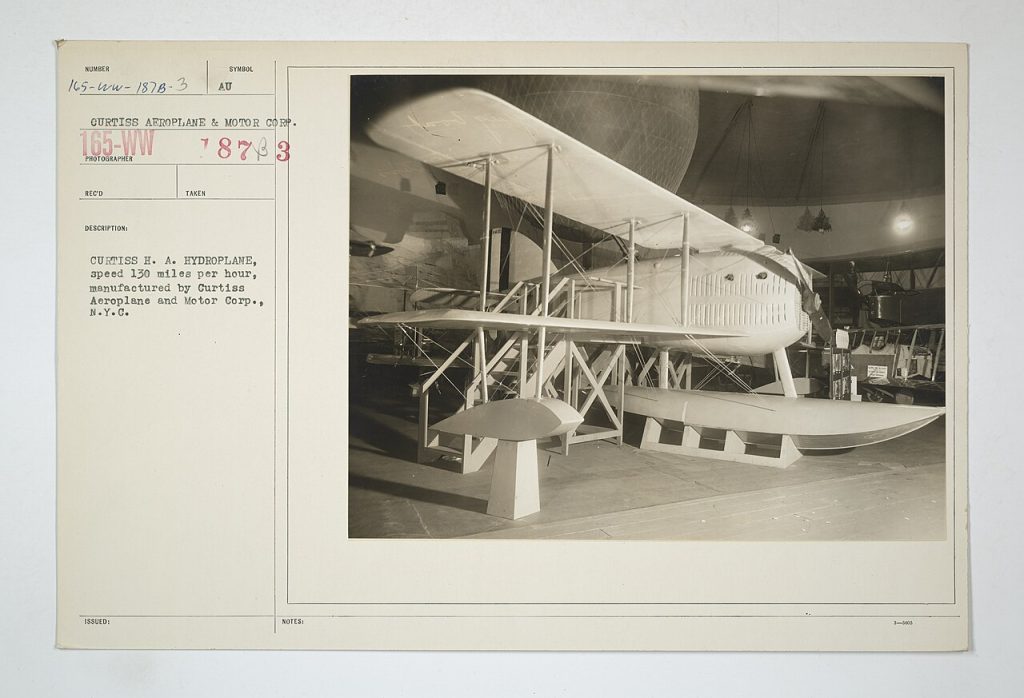
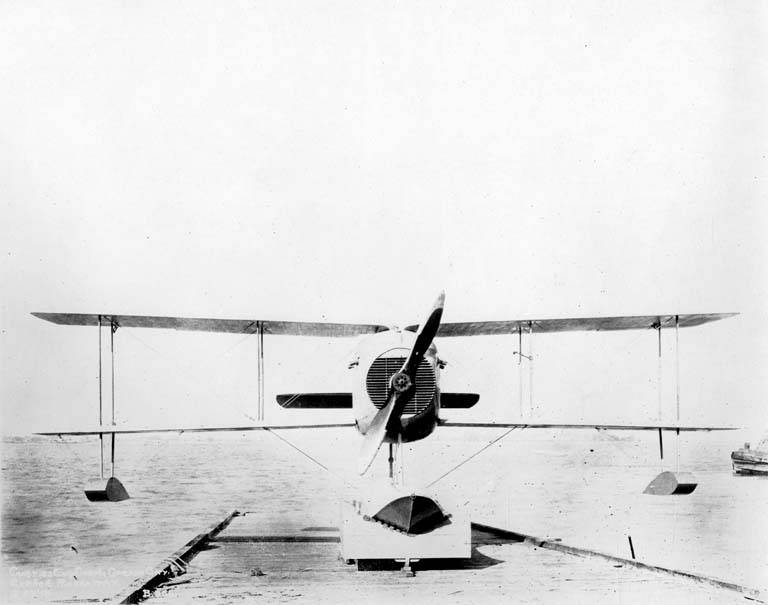
On this day in aviation history, 108 years ago (March 21, 1918), the Curtiss HA flew for the first time. Also known as the Dunkirk Fighter (no relation to the 1940 Battle of Dunkirk), the HA was a seaplane designed by United States Marine Corps Captain B.L. Smith. Curtiss originally built the HA as an intended fighter for the US effort in World War I.
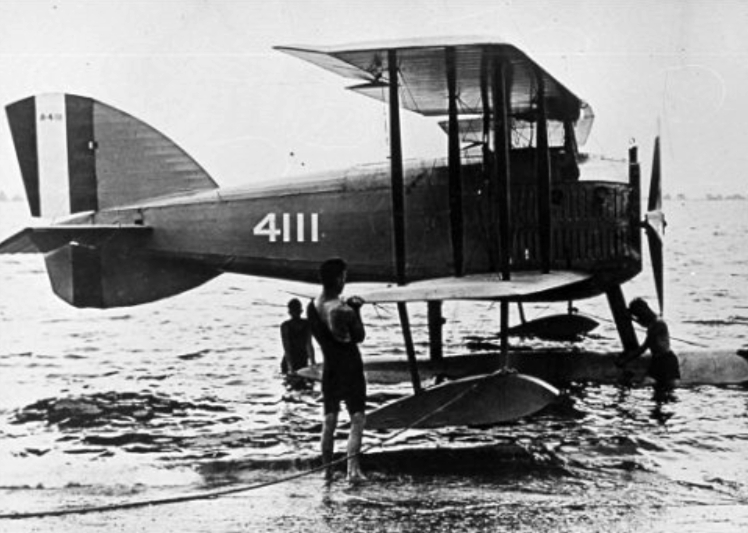
Curtiss’ HA was a two-seat biplane design, featuring a central float and two balancing floats installed at the wingtips. The aircraft was constructed of wood, with fabric covering. The first prototype of the HA was ordered in December of 1917, a mere three months before the first flight in March. Flight testing revealed weaknesses in the HA, including significant instability. The tailplane was too heavy, leading to the first prototype’s destruction via crash. A second and third prototype were ordered, the HA-1 and HA-2. The Curtiss HA-2 was powered by a 360-horsepower Liberty 12 V-12 engine and could attain a maximum airspeed of 118 mph. The aircraft had a 790-foot-per-minute rate of climb. Curtiss armed the HA-2 with two .30 calibre synchronized Marlin machine guns, and another two .30 cal. Lewis machine guns in a Scarff ring mount.
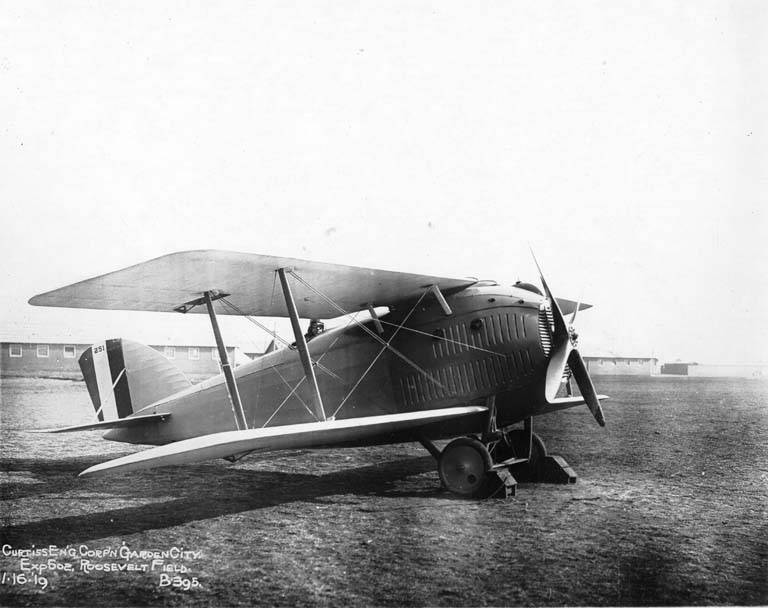
Parts salvaged from the original prototype were used in the HA-1; only the airframe featured a redesigned tailplane and radiator. Additionally, the HA’s wings were moved further rearward. The HA-1 would not have any better luck than the first prototype from which it was built; the aircraft caught fire during a flight. The HA-2 featured a wider wingspan and had slightly better performance overall. By this point, World War I was almost over, and no production orders were made to Curtiss for the aircraft. With three prototypes under their belt and no resulting military orders, Curtiss opted to further develop the HA into a landplane. Three land-based versions of the HA were built and flown as mail planes.