
(Image credit: VAN)
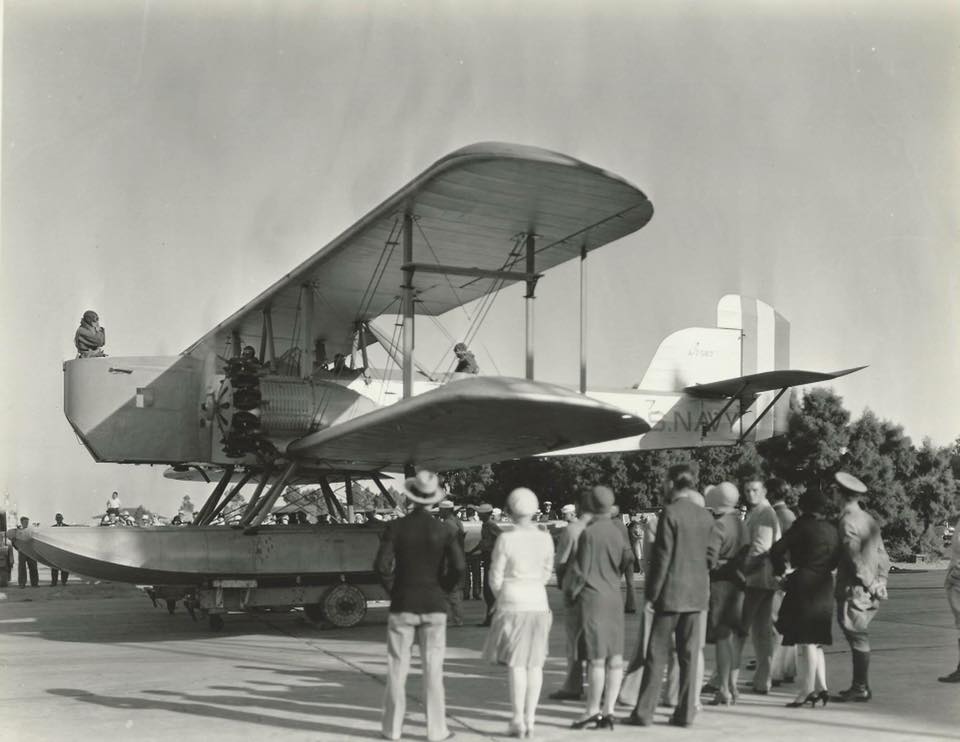
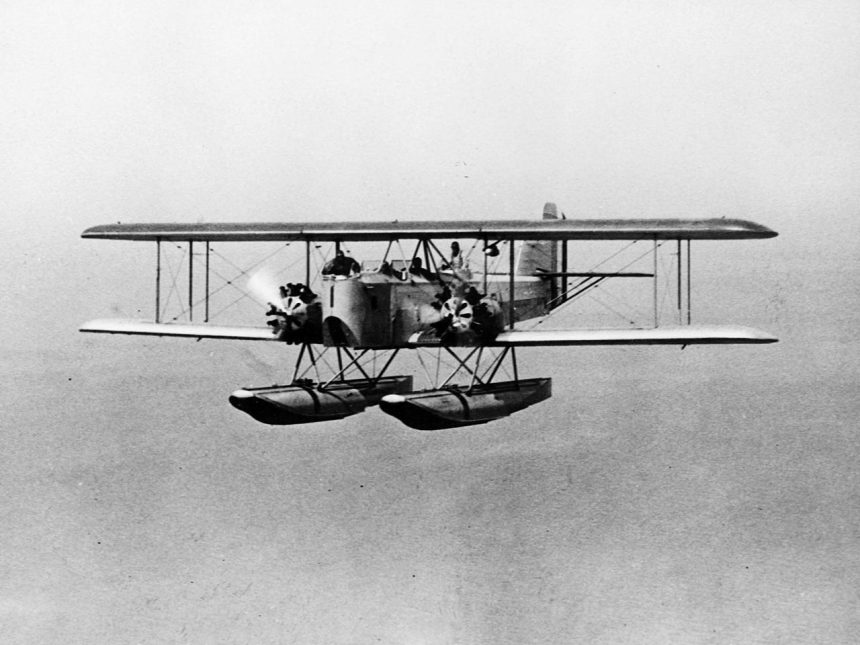
On this day in aviation history, 99 years ago (January 27, 1927), the Douglas T2D completed its first successful flight. The T2D was a twin-engined torpedo bomber, one which could operate off an aircraft carrier. Additionally, the bomber could be fitted with either floats or wheels. Douglas’ T2D holds the distinction of being the first twin-engined aircraft to operate from an aircraft carrier. Development of the Douglas T2D began in 1925, when the United States Navy’s Bureau of Aeronautics began experimenting with twin-engined torpedo bombers. Their hope was to find that a bomber with two engines would outperform single-engined aircraft in the same role. The Naval Aircraft Factory built a single prototype, designated as the XTN-1, and Douglas Aircraft followed up by building three identical airframes, designated as the T2D-1. The resulting bomber was large, with two bays for its occupants. Designers made the aircraft’s gear easy to swap out between floats and conventional wheels.
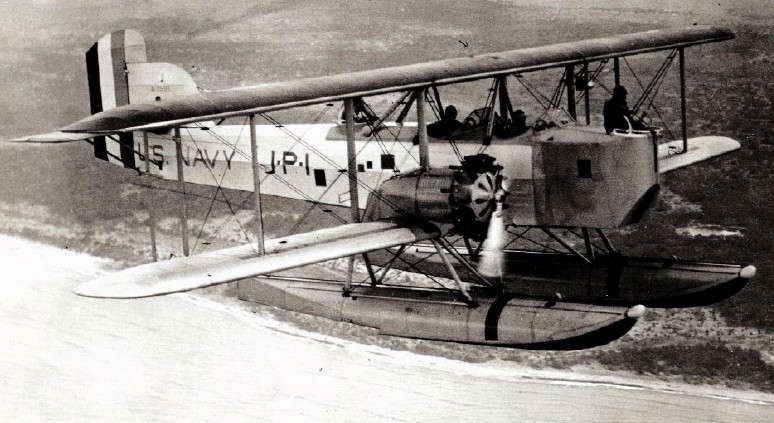
On May 25, 1927, the first batch of three T2D-1s was delivered to torpedo bomber squadron VT-2. Here, the aircraft was successfully trialed on the aircraft carrier Langley, proving the viability of operating a multi-engined bomber from a ship’s deck. Nine more T2D-1s were ordered shortly after this trial, and they were mostly operated as floatplanes during their time in the service. Scrutiny from the Army about the Navy flying larger land-based bombers (“stay in your own lane”), such as the T2D, forced the aircraft into float operation primarily. The T2D-1’s large size prevented Langley from shipping off with a full airwing, another barrier.
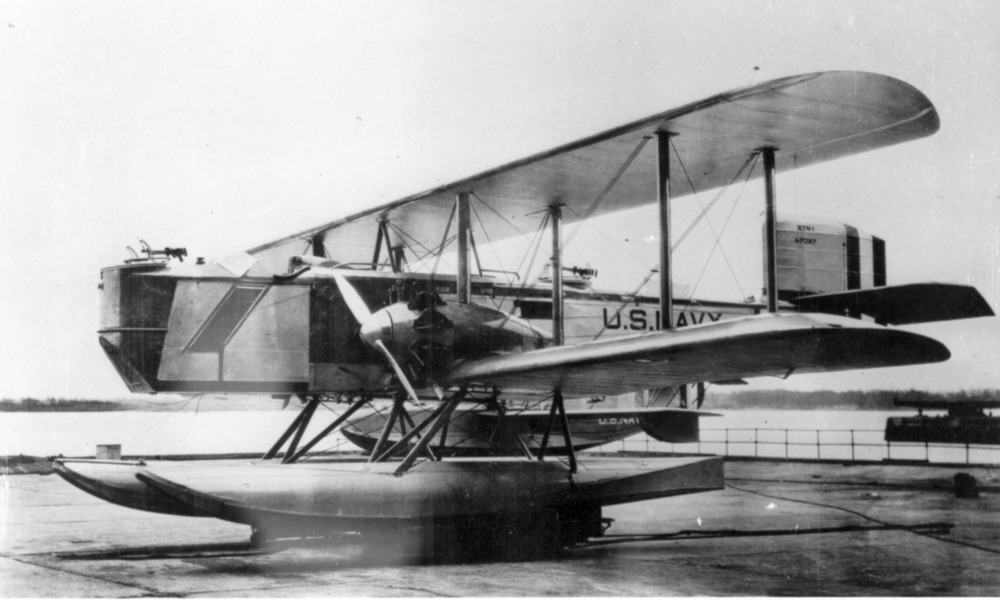
The Douglas T2D-1 had a crew of four and was powered by two 525-horsepower Wright R-1750 Cyclone 9-cylinder radial engines. The landplane variant had a maximum airspeed of 125 mph, while the floatplane could reach 124. T2D-1 landplanes had a range of 397 nautical miles, while those with floats could fly within 334. A service ceiling of 13,830 feet was attainable for the T2D landplane, while the float-variant topped out at 11,400. Armament was provided for both variants by two .30 calibre M1919 Browning machine guns and one 1,618-pound torpedo, or an equal bombload. A final order for 18 aircraft was placed in June of 1930, with the intent that these T2Ds serve as patrol floatplanes. The aircraft would fly under a new designation, P2D-1, with Patrol Squadron VP-3 in the Panama Canal area. The P2D-1s would serve here until they were replaced with the Consolidated PBY in 1937. Between the Naval Aircraft Factory and Douglas, a total of 31 aircraft were built. None are known to survive today.