
(Image credit: VAN)
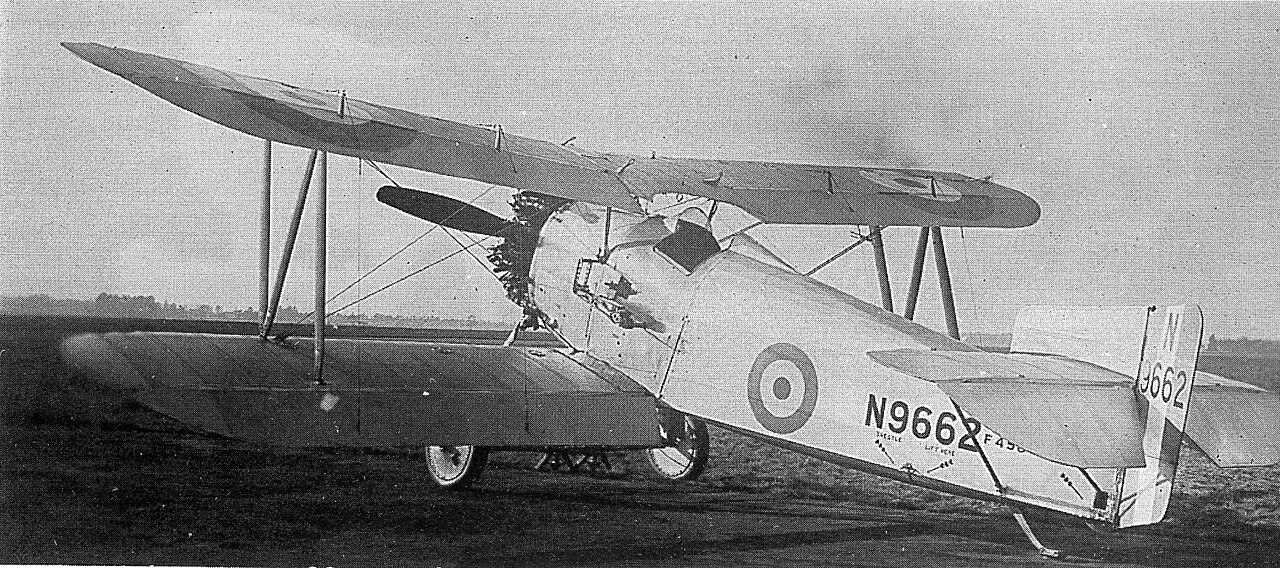
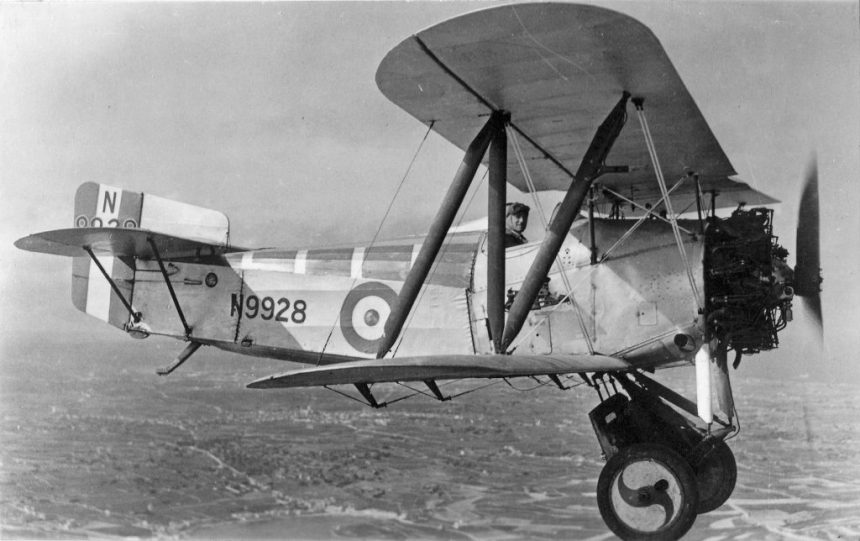
On this day in aviation history, 103 years ago (November 28, 1922), the first flight of the Fairey Flycatcher took place. The Flycatcher was a single-seat fighter biplane that was capable of operating from aircraft carriers. Built by the British Fairey Aviation Company, this fighter was designed to satisfy the needs of Specification N6/22, which called for a carrier/floatplane fighter that would replace the Gloster Nightjar. Fairey faced competition from Parnall Aircraft and their Plover fighter. Ultimately, the Flycatcher was preferred by the Fleet Air Arm, and the aircraft went into production.
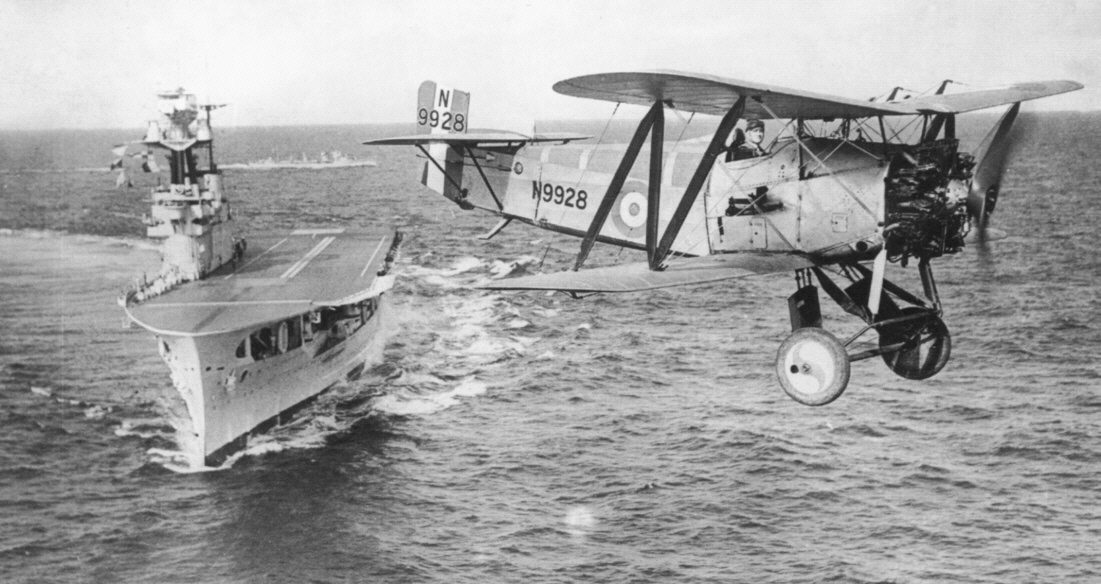
The original Flycatcher prototype was powered by a Jaguar II engine, but this was later swapped out for a Jupiter IV. Fairey’s biplane fighter was one of the earliest aircraft designed specifically for carrier operations. In order to achieve the lower takeoff and landing speeds required for aircraft carriers, the Flycatcher was equipped with flaps that ran the entire trailing edge of each wing. These flaps allowed the Fairey to take off and land with only 50 yards of deck space. The fuselage was built with a combination of wood and metal, covered in fabric. Landing gear on the Flaycatcher was somewhat large and cumbersome, but it could be swapped out for floats or a combination of wheels and floats for amphibious operations. Flycatchers were equipped with hydraulic brakes and an arresting tailhook, enhancing the ability to land and stop on deck.
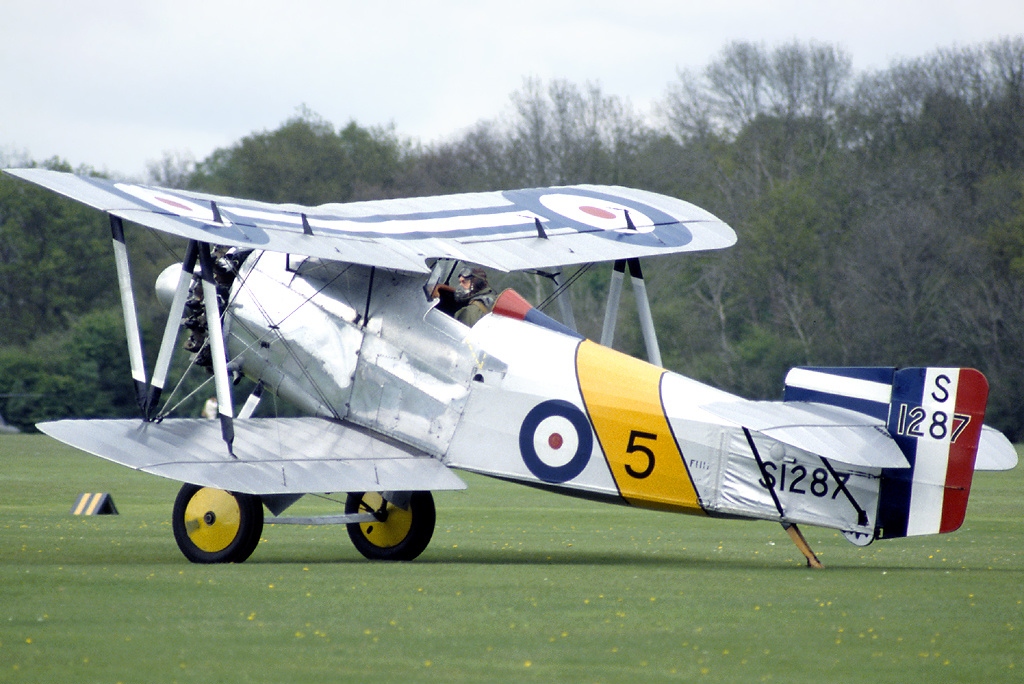
The Flycatcher entered service with No. 402 Flight of the Fleet Air Arm. This aircraft operated on all British carriers during the time period. It became a favorite among pilots, as it was straightforward to fly and offered great maneuverability. This fighter saw service with the Home, Mediterranean, East Indies, and China fleets. While serving in China, Flycatchers were used against Chinese pirates in the seas near Hong Kong.
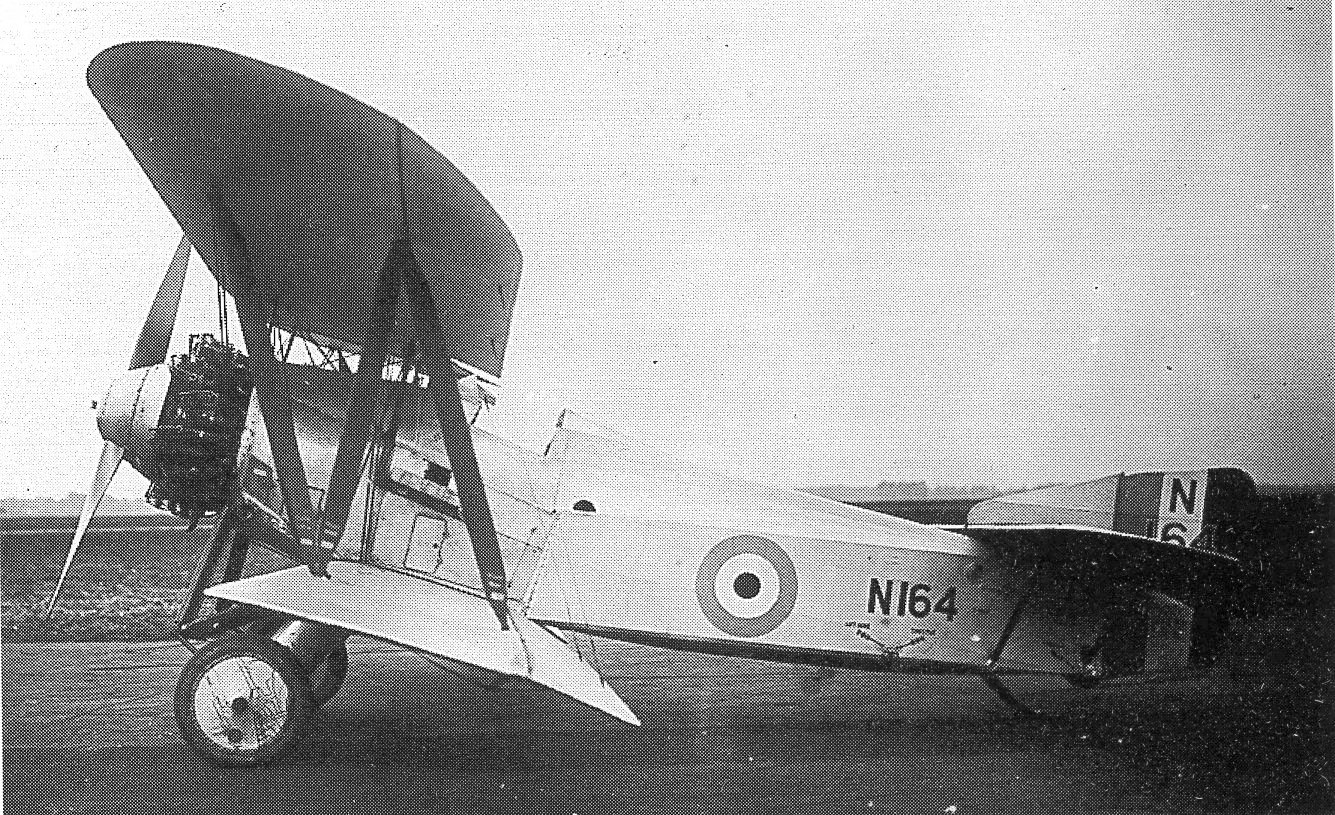
Fairey’s Flycatcher was powered by an Armstrong Siddeley Jaguar IV 14-cylinder radial engine of 400 horsepower. The aircraft could attain a maximum speed of 133 miles per hour, a range of 270 nautical miles, and a service ceiling of 19,000 feet. The rate of climb was 1,090 feet per minute, and an altitude of 10,000 feet could be reached in 9 minutes and 29 seconds. Flycatchers were armed with two fixed forward-firing Vickers machine guns and four 20-pound bombs under wings.
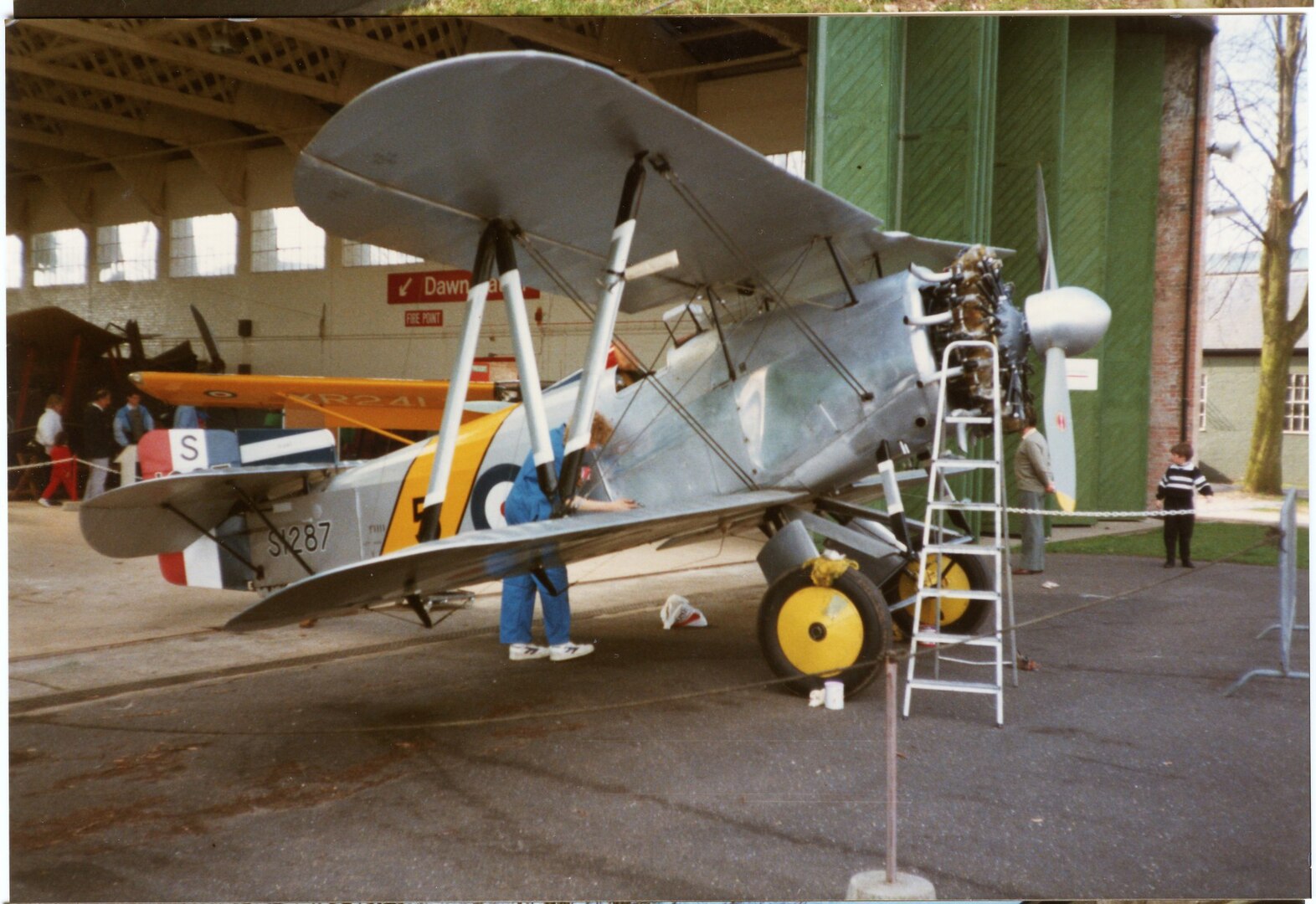
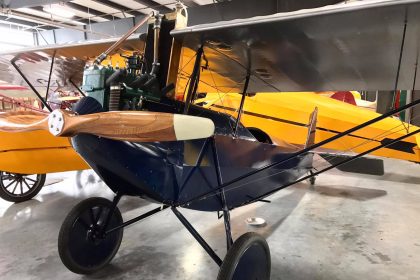
Production of the Fairey Flycatcher began in 1923 and lasted until 1926. A total of 196 airframes were built, but no original examples survive today. A replica Flycatcher was built in 1977 and flown until 1996. Replica G-BEYB is currently in the reserve collection of the Fleet Air Arm Museum in Somerset, England.