

(Image credit: VAN)
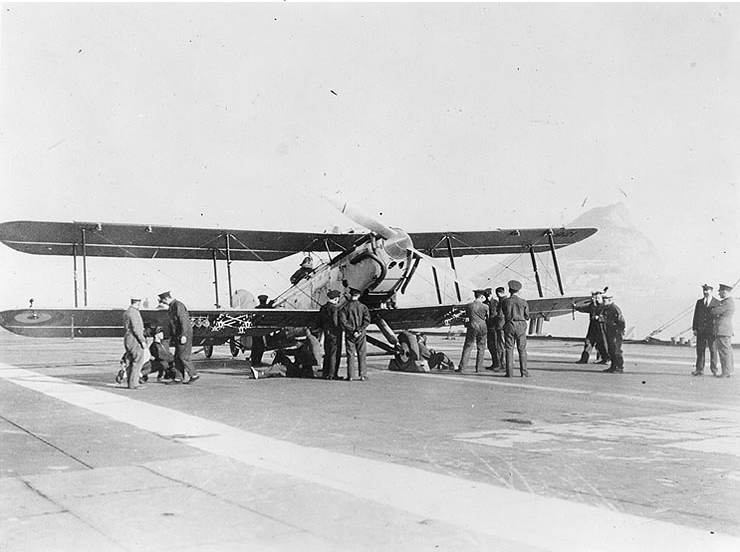
On this day in aviation history, 108 years ago (September 14, 1917), the Fairey III made its maiden flight. Designed by the Fairey Aviation Company, the aircraft became one of Britain’s most successful and versatile reconnaissance biplanes, produced in both landplane and seaplane configurations. Remarkably, despite its first flight during World War I, some examples of the Fairey III remained in service well into World War II. The prototype, designated N.10, was a floatplane built in response to a Royal Naval Air Service specification for a carrier-based seaplane. Also identified by its serial number F.128, the N.10 was a two-seat biplane with folding wings, powered by a 260-horsepower Sunbeam Maori engine. Its first flight took place at the Port Victoria seaplane station on the Isle of Grain, Kent.
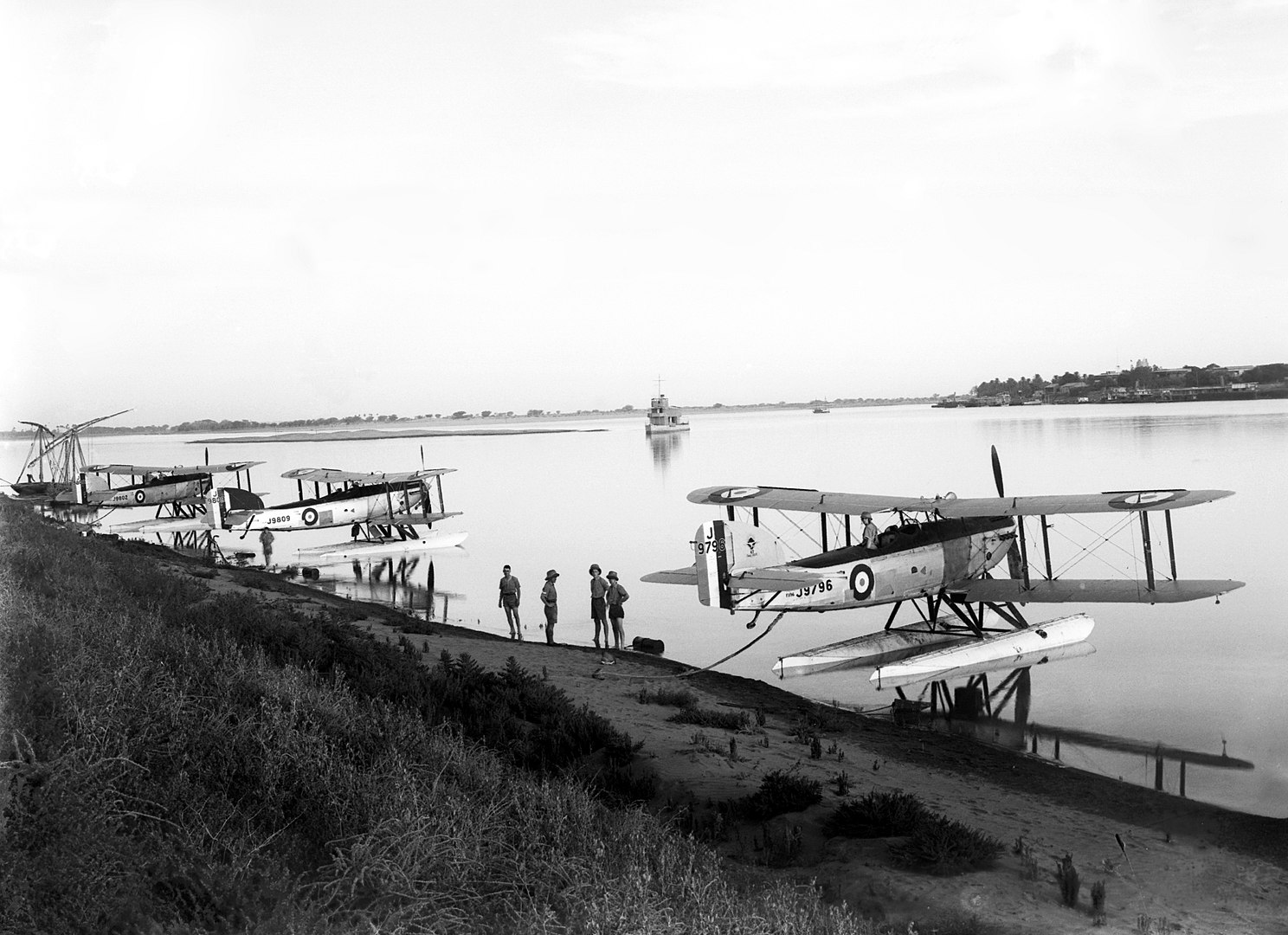
Flight testing proved the design’s adaptability, and orders quickly followed for both seaplane and landplane versions. The Fairey IIIA and IIIB entered service toward the end of World War I, while subsequent models saw widespread use during the interwar years, particularly in Africa, where they carried out patrol and reconnaissance missions for the Royal Air Force. Civilian adaptations also appeared, with enlarged cockpits for additional passengers or cargo. Some Fairey IIIs were used for aerial surveying, and one even competed in the famed MacRobertson Air Race.
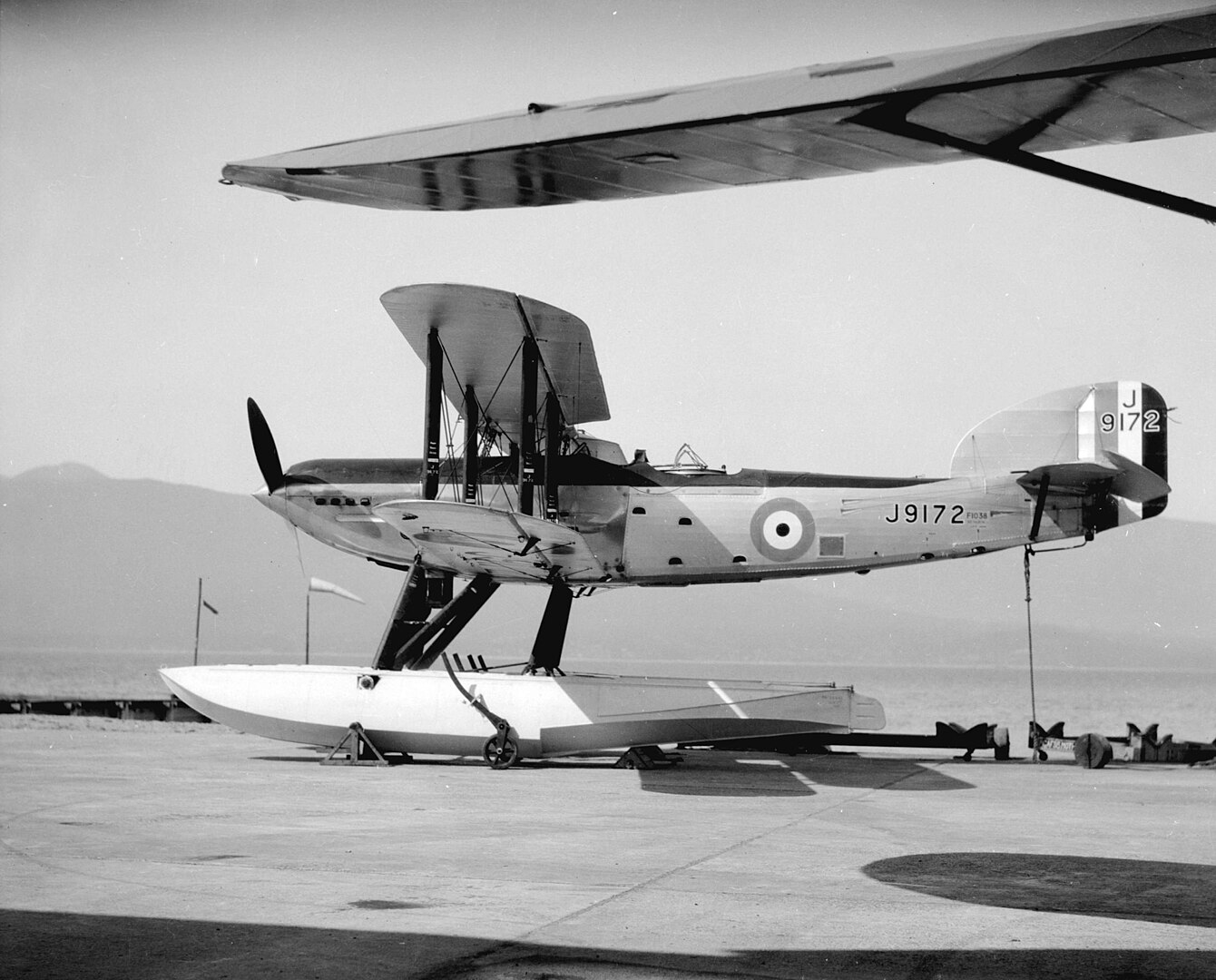
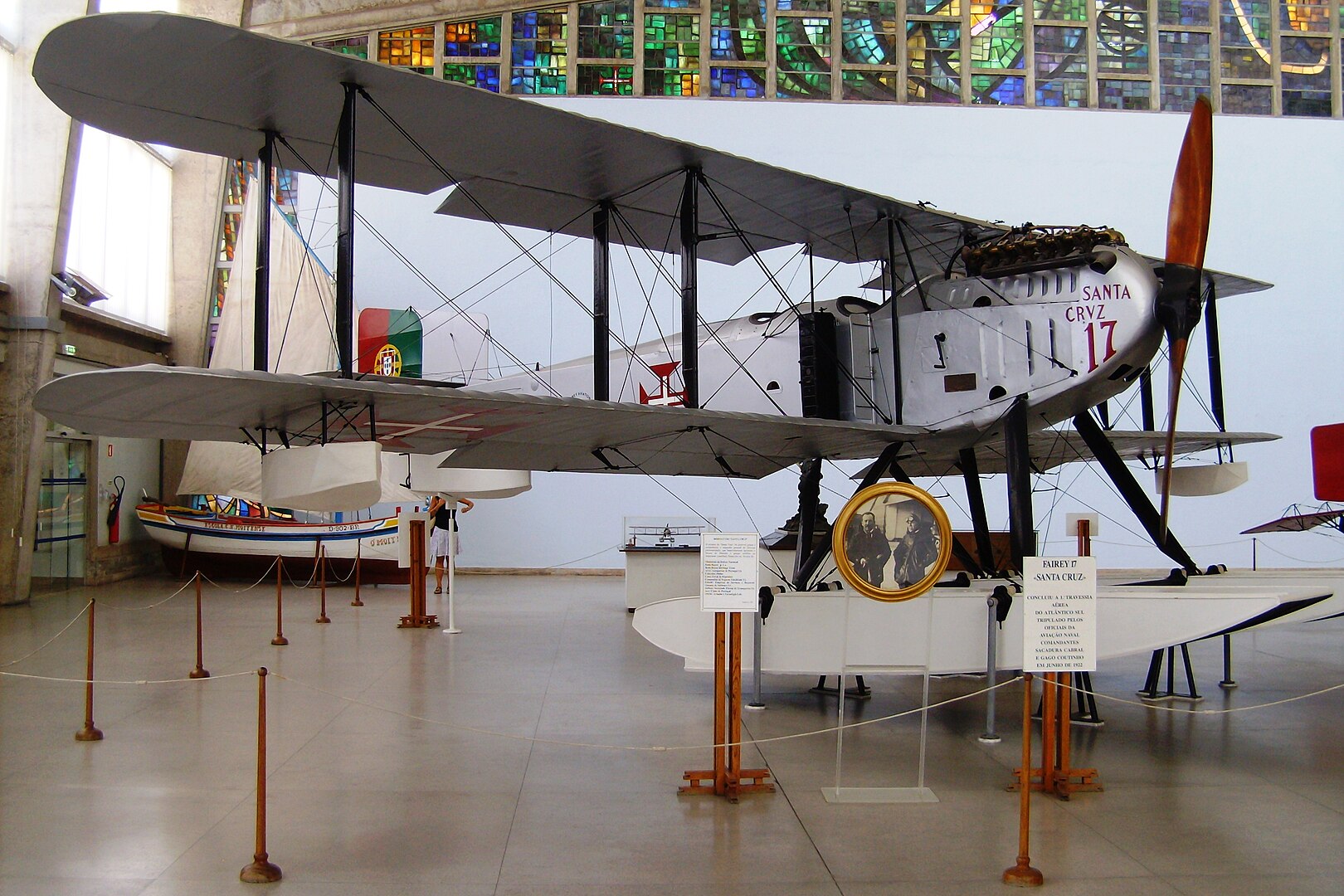
The Fairey IIIF Mk.IV, one of the later and most capable variants, carried a crew of two to three and was powered by a 570-horsepower Napier Lion XI W-12 engine, giving it a top speed of 120 miles per hour. It had a range of 1,320 nautical miles (with maximum fuel load and no bombs) and a service ceiling of 20,000 feet. Armament consisted of a forward-firing .303-inch Vickers machine gun and a rear-mounted .303-inch Lewis gun operated by the observer. The aircraft could also carry up to 500 pounds of bombs. Today, only one complete Fairey III survives. Preserved at the Museu de Marinha (Naval Museum) in Lisbon, Portugal, this aircraft is historically significant as the first to complete an aerial crossing of the South Atlantic. Additionally, the Fleet Air Arm Museum in the United Kingdom holds a Fairey III fuselage, a surviving remnant of an aircraft that played a pivotal role in Britain’s early aviation history.