






(Image credit: VAN)
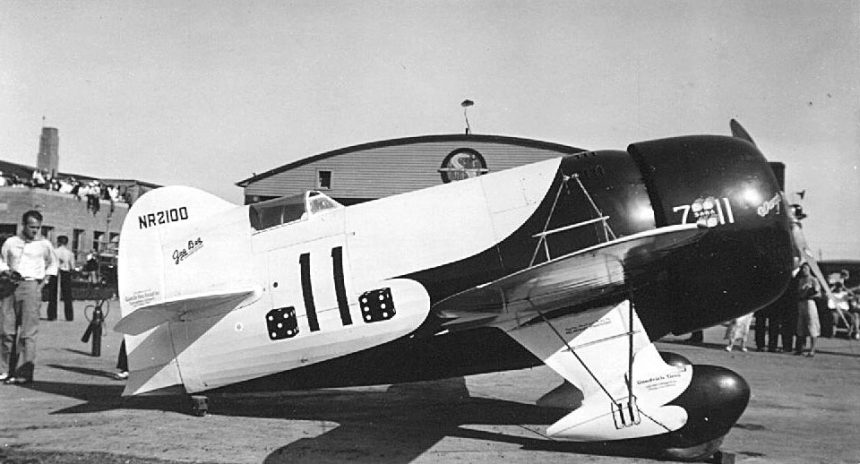
On this day in aviation history, 93 years ago (August 13, 1932), the Gee Bee Model R Super Sportster took to the skies for the first time. Often simply called the “Gee Bee,” the Model R was a purpose-built racing aircraft designed and built by the Granville Brothers Aircraft Company of Springfield, Massachusetts. Founded in 1929, the Granville Brothers began their production with the Model A biplane. This was soon followed by the Model X Sportster, which launched a lineage of distinctive and highly competitive racing aircraft.
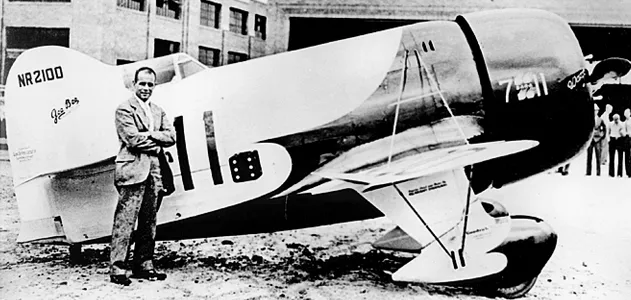
The Gee Bee Sportsters (short for “GB,” or Granville Brothers) were instantly recognizable for their unusual yet purposeful design. The Model R featured a barrel-shaped fuselage with low-mounted wings braced by thick wires, and a cockpit positioned far aft—just ahead of the tail. Remarkably, the fuselage was wider than the aircraft’s Pratt & Whitney R-1340 Wasp engine at its broadest point. This 9-cylinder radial powerplant produced 800 horsepower, enabling the Model R to reach a maximum speed of 294.38 mph. Compact and powerful, the aircraft measured just 25 feet in wingspan and 17 feet 8 inches in length, with the ability to fly at full throttle for 2.14 hours.
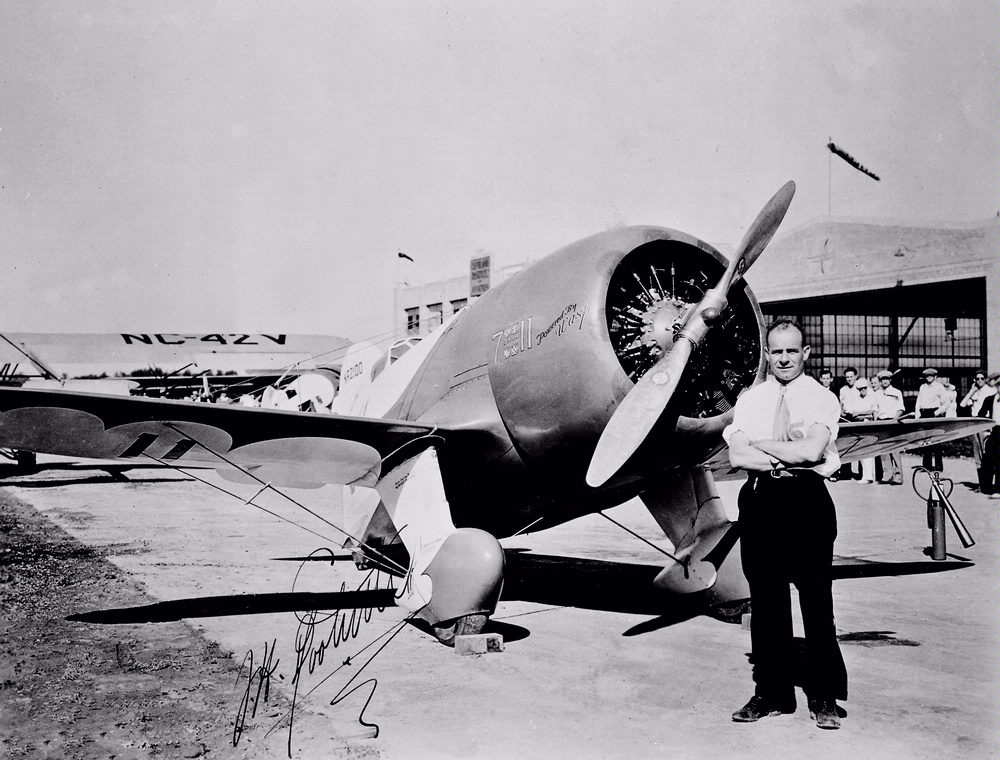
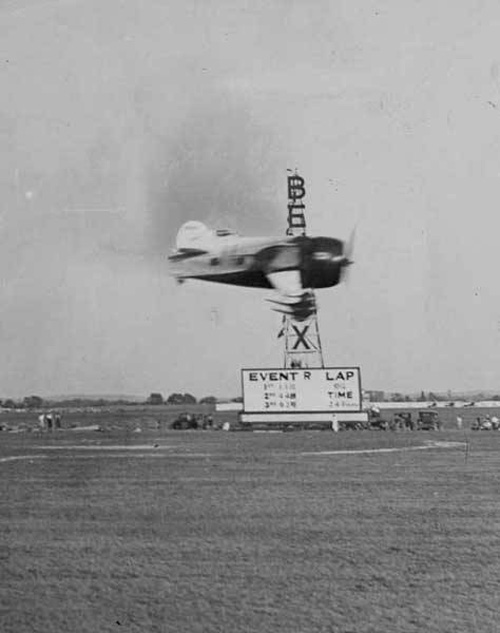
The Gee Bee R-1 gained fame when it was flown by legendary pilot Jimmy Doolittle in the 1932 Thompson Trophy Race. Doolittle dominated the event, lapping all but one of his competitors. He later remarked on the aircraft’s surprising handling, noting that he could make tight pylon turns without losing altitude—a testament to the Gee Bee’s superb agility at high speeds. Later, at the Shell Speed Dash, Doolittle and the R-1 set a Fédération Aéronautique Internationale (FAI) world landplane speed record of 296 mph, cementing the aircraft’s place in aviation history.
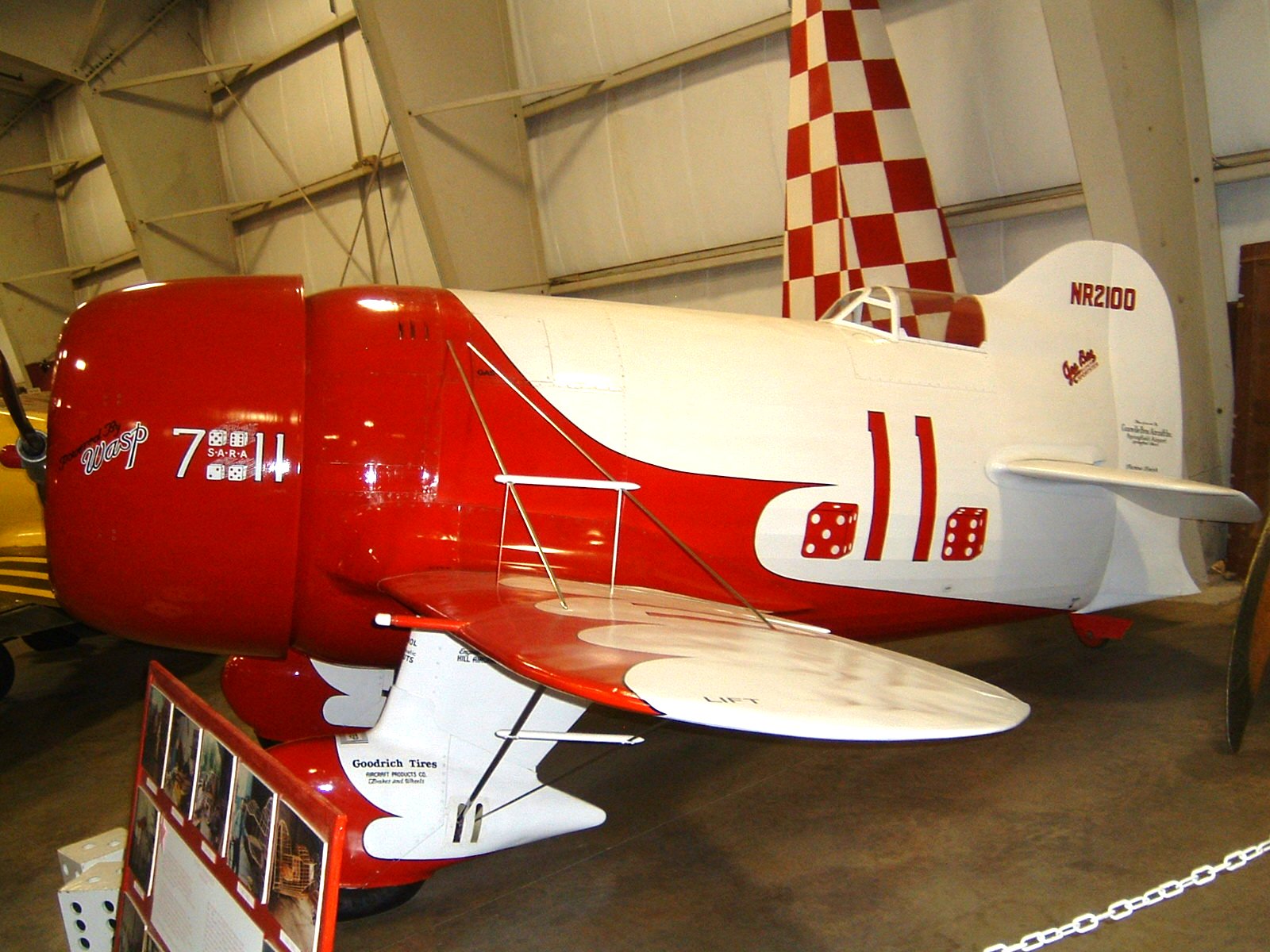
The Gee Bee Model R Super Sportster remains one of the most iconic racing aircraft of the Golden Age of flight. Its daring design and blistering performance continue to capture the imagination of aviation enthusiasts. Today, several replica R-1 and R-2 racers keep the Gee Bee legend alive. One such R-1 replica is proudly displayed at the New England Air Museum in Windsor Locks, Connecticut.









There is only one flyable Gee Bee, tbe one built and flown by Delmar Benjamin and Mike Wolf. Delmar flew more than 500 hours in the first year a d has flowen in Europe. Petw Miller the original designer complimented Mike and Del.ar for building it a d successful flying it and proving it wasn’t a dearh trap in the hands of a good pilot ike Doolittle and Benjamin!