
(Image credit: VAN)
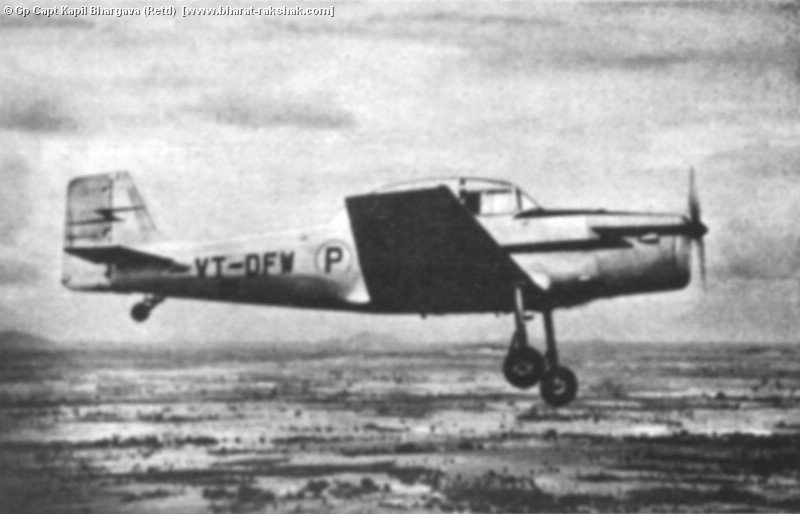
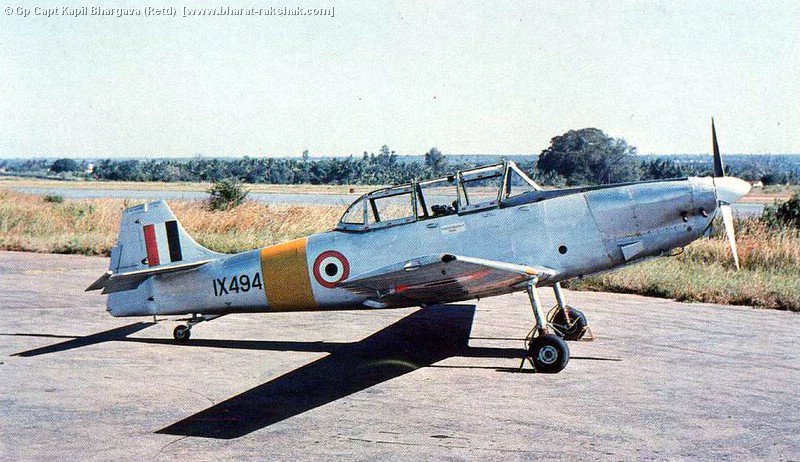
On this day in aviation history, 74 years ago (August 5, 1951), the HAL HT-2 took to the skies for the first time. Designed and built in India, the HT-2 was a two-seat primary trainer that went on to serve with both the Indian Air Force and Indian Navy, replacing the venerable de Havilland Tiger Moth as the nation’s introductory training aircraft. Pilots affectionately nicknamed the HT-2 the Dalda Tin, referencing its resemblance to a tin of Dalda, a well-known brand of vegetable oil in India. To the casual observer, the HT-2 also bears a strong likeness to the de Havilland Chipmunk.
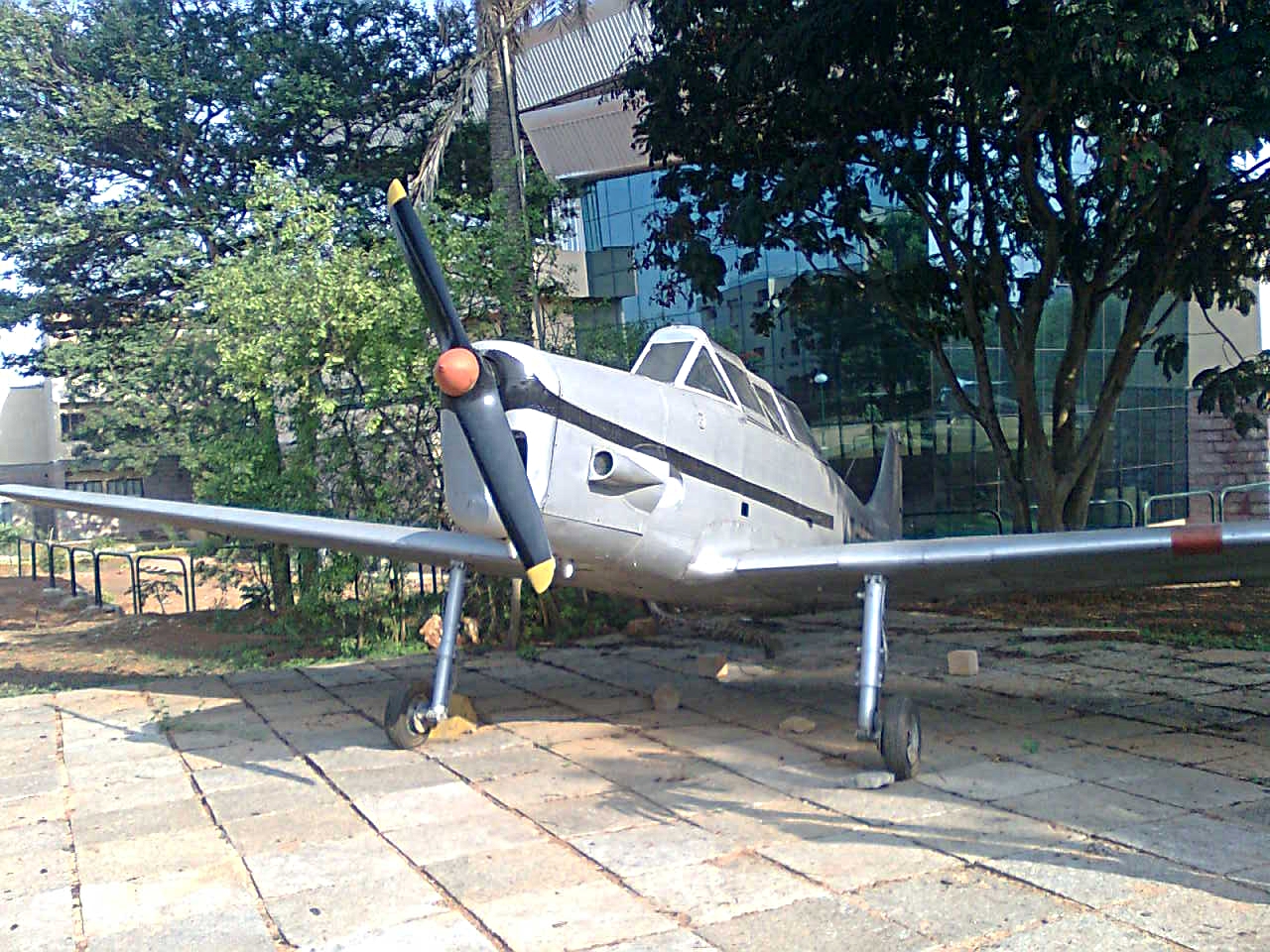
The type entered service in 1953, two years after its maiden flight. Powered by a 155-horsepower Cirrus Major III four-cylinder inverted inline engine, the HT-2 could cruise at 115 mph and reach a top speed of 130 mph. Its stall speed was relatively high for a single-engine trainer at 52 mph. With a range of 300 nautical miles and an endurance of three hours and thirty minutes, the aircraft was well-suited for short training hops as well as cross-country flights.
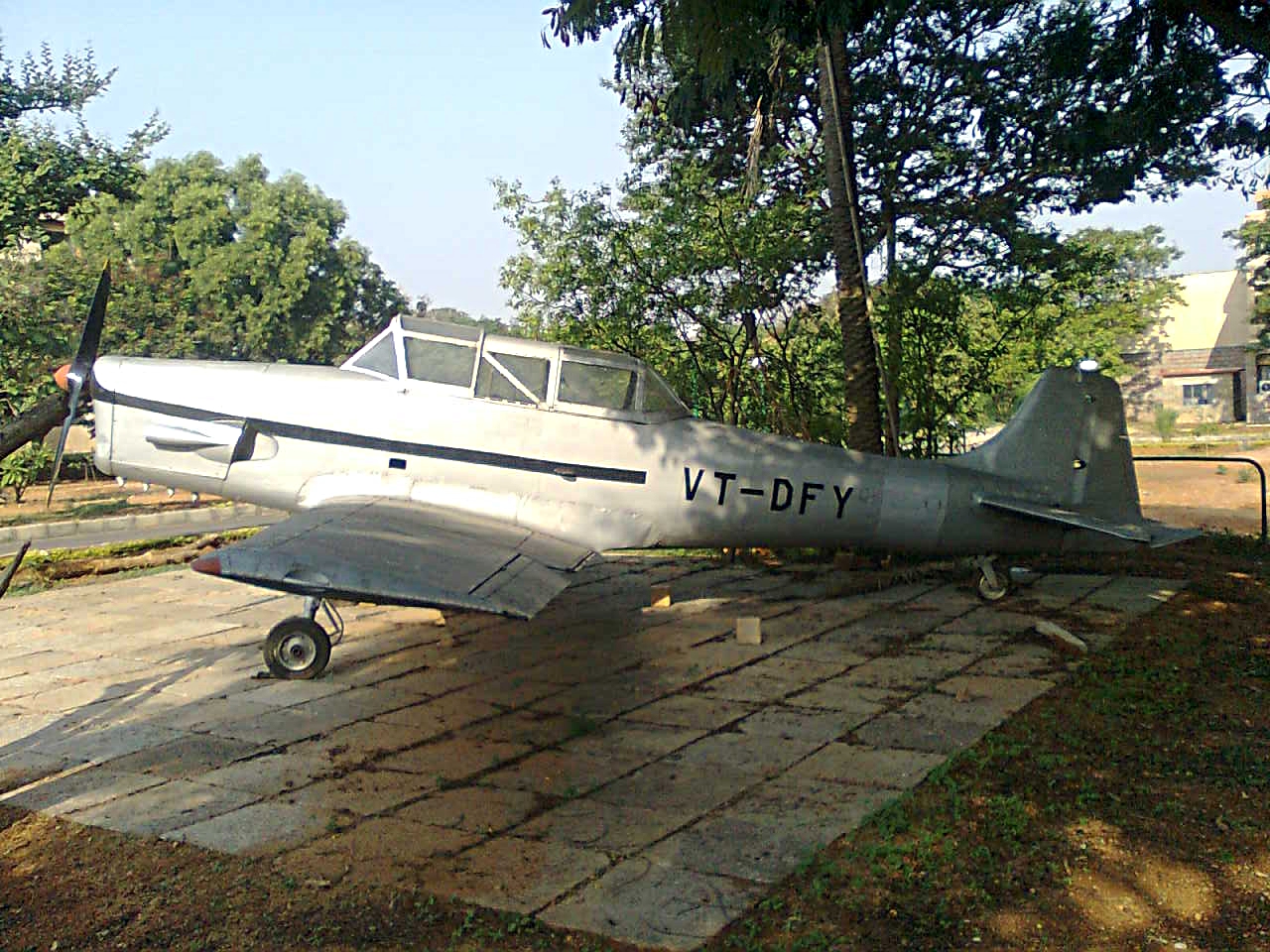
Beyond India, twelve HT-2s served with the Ghana Air Force from 1959 to 1974. The aircraft was also a favorite among civilian flight schools throughout India. Over the course of its production run, HAL built a total of 172 HT-2 airframes. The last examples were retired from active service in 1990. Today, no airworthy HT-2s are known to exist, although several preserved examples can be found on display in aviation museums across India—silent reminders of a key chapter in the nation’s aviation history.