
(Image credit: VAN)
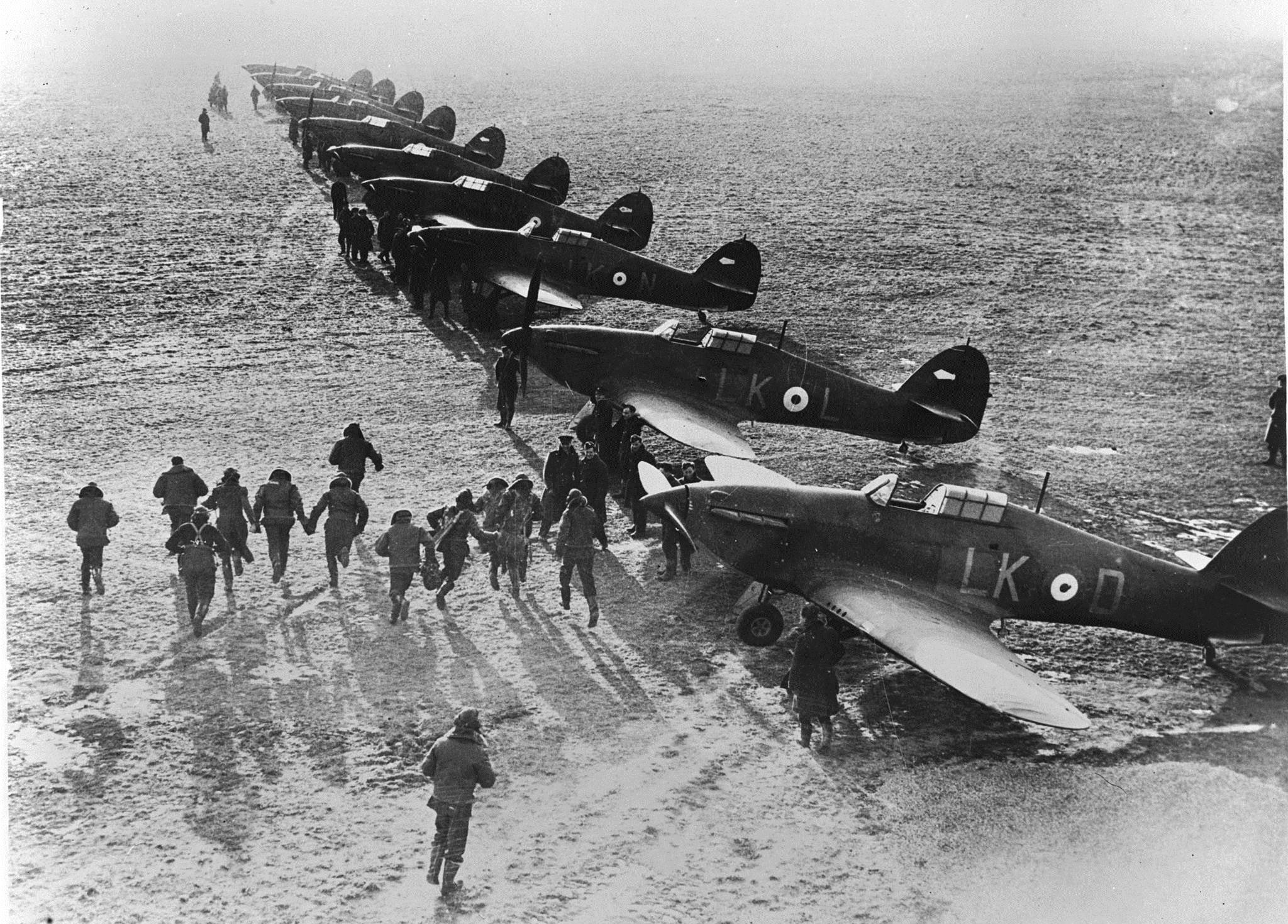
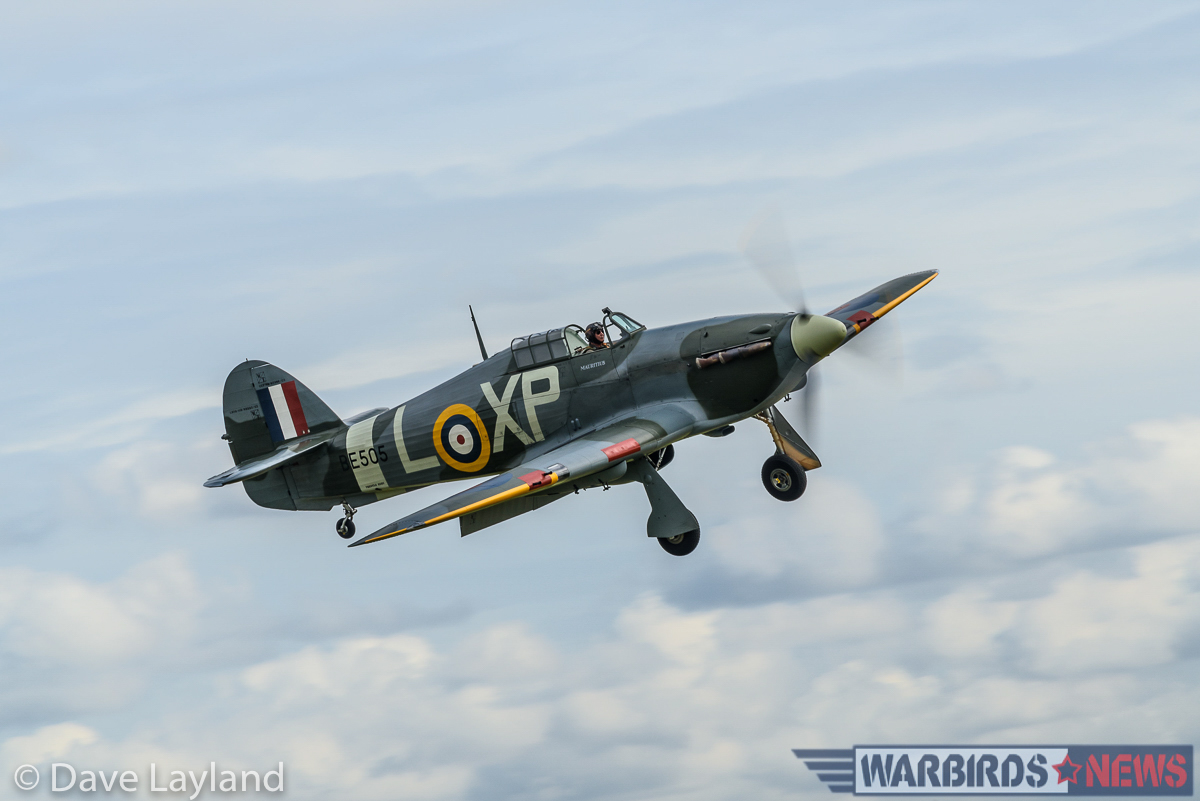
On this day in aviation history, 90 years ago (November 6, 1935), the first flight of the Hawker Hurricane took place. The Hurricane was a single-seat, single-engine fighter that was designed and built by British aviation company Hawker Aircraft Ltd. Hurricanes served throughout the Second World War, contributing heavily to the Royal Air Force’s effort to stem the German air raids during the Battle of Britain. Often overshadowed by the more elegant Supermarine Spitfire, the Hurri was responsible for 60% of the losses sustained by the Luftwaffe during the Battle of Britain. Additionally, the Hurricane served in all major theatres of World War II.
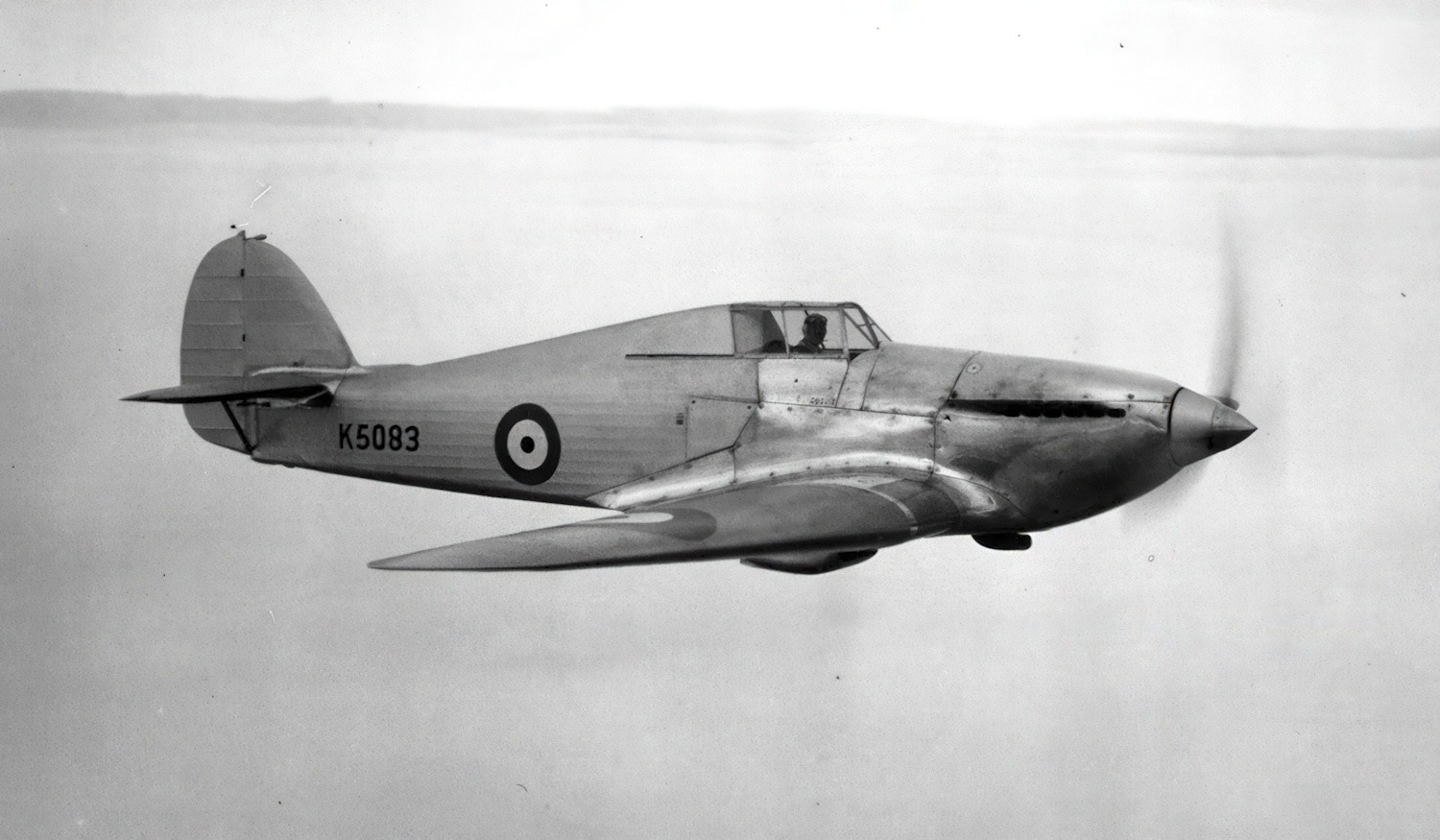
The Hawker Hurricane was conceptualized as a result of discussions between the RAF and aircraft designer Sir Sydney Camm. The RAF wished to create a monoplane derivative of the Hawker Fury – a fighter biplane that was much admired in the 1930s. At the time of the discussions, there was a bias more towards biplanes within the Air Ministry. Nevertheless, Hawker continued to design a monoplane fighter that would feature retractable landing gear and a powerful Rolls-Royce Merlin engine – both critical components for the upcoming air war. The Air Ministry was eventually convinced, and they relented. An order of Hawker’s Interceptor Monoplane was placed in late 1934. Hurricane prototype K5083 performed the first test flight on November 6, 1935. The Flight occurred at Brooklands Aerodrome in Weybridge, Surrey. At the controls was Hawker’s Chief Test Pilot, Flight Lieutenant Paul Ward Bulman (M.C., A.F.C., Royal Air Force Reserve).
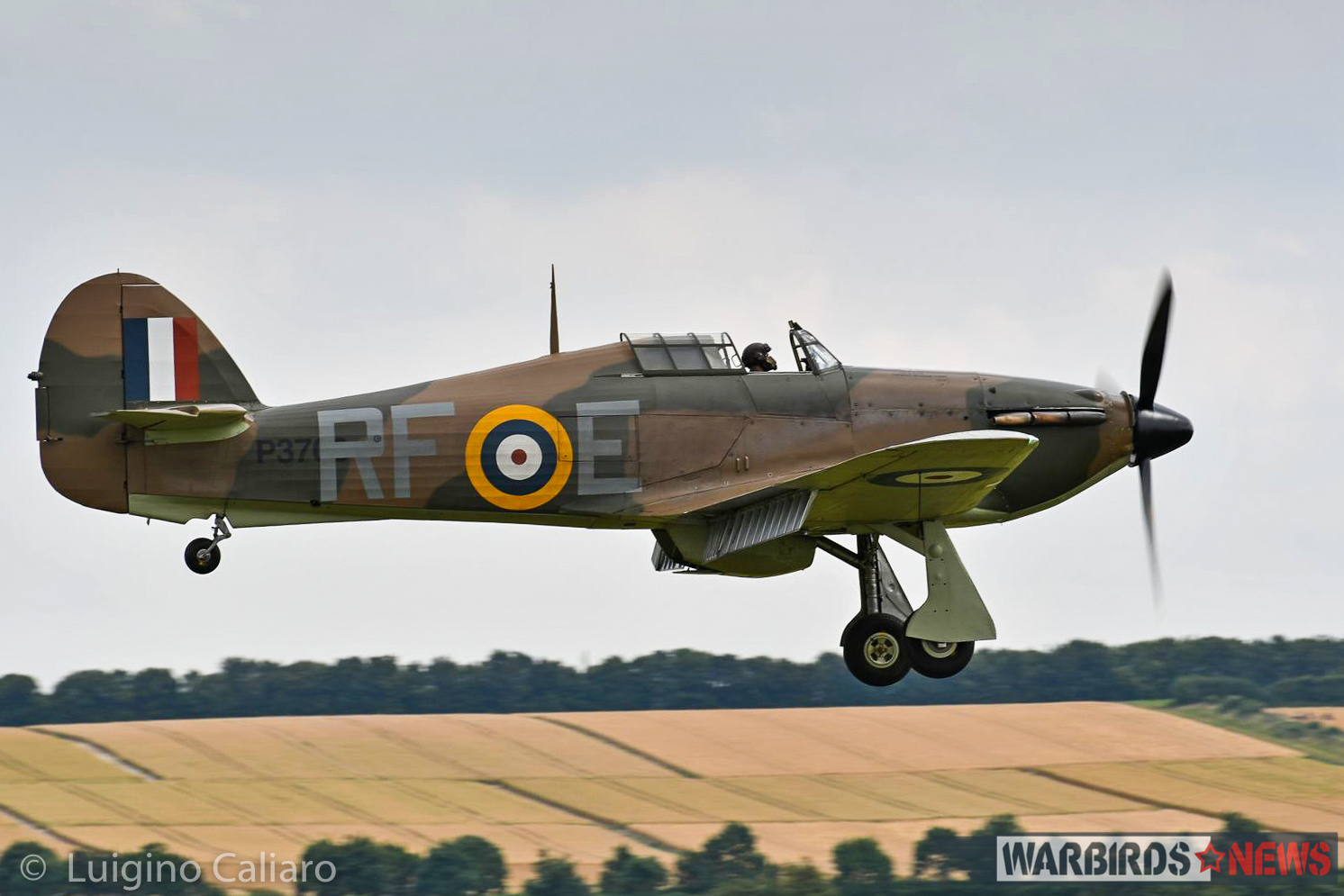
Hawker’s Hurricane Mk.IIC was powered by a Rolls-Royce Merlin XX V-12 liquid-cooled engine, which provided 1,185 horsepower. The MK.IIC could attain a maximum speed of 340 miles per hour and had a 2,780 feet per minute rate of climb. The Hurricane’s range was 520 nautical miles, and the service ceiling was 36,000 feet. MK.IICs were armed with four 20 millimeter Hispano Mk II cannons, and the aircraft could also carry two 250 or 500 pound bombs underneath the wings.
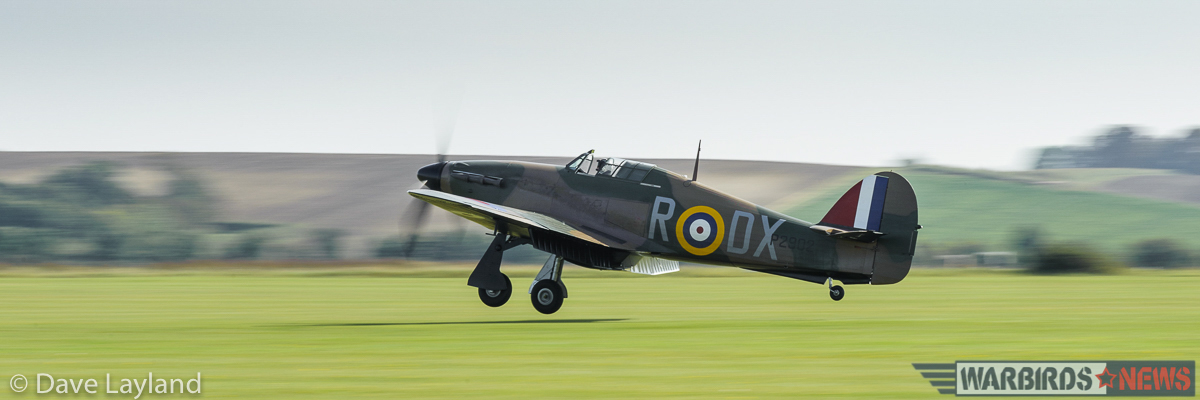
The Hurricane was built not only by Hawker, but also under license by Austin Motor Company, Avions Fairey, Canadian Car and Foundry, Gloster Aircraft, Company Rogožarski, and Zmaj Aircraft. A total of 14,487 Hurricanes were manufactured between 1937 and 1944. Today, many examples of this remarkable fighter survive – a handful of them still flying. This serves as a testament to the Hurri’s design, power, and toughness.