






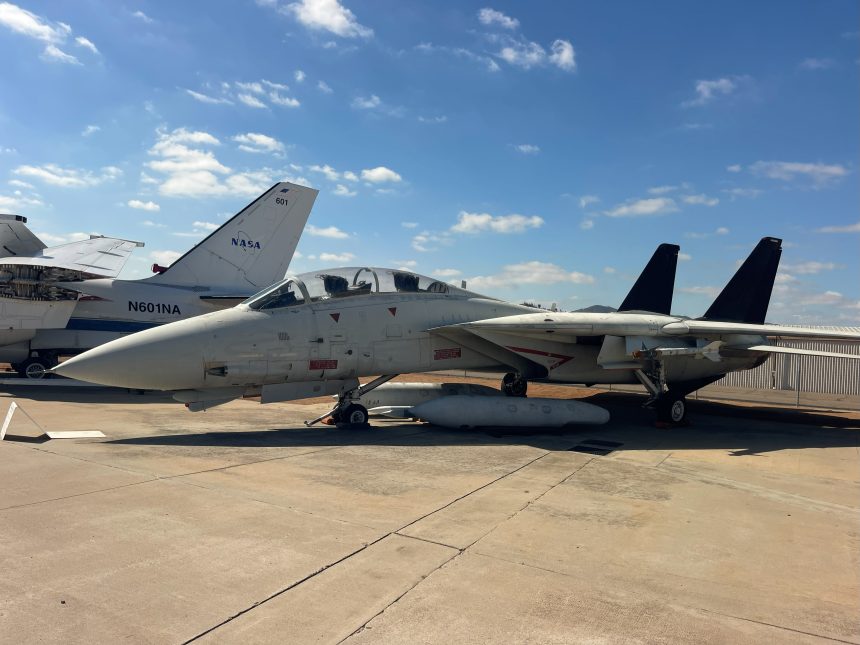

The San Diego Air and Space Museum will soon have a new display to greet visitors to its main facility at the southern end of historic Balboa Park with the addition of the museum’s iconic Grumman F-14A Tomcat, which has been displayed at the museum’s Gillespie Field Annex in El Cajon, some 12 miles northeast of Balboa Park. While this is will place the Tomcat in a more prominent position within the museum, it will also mean taking down a unique Convair F2Y Sea Dart to receive a long overdue restoration.
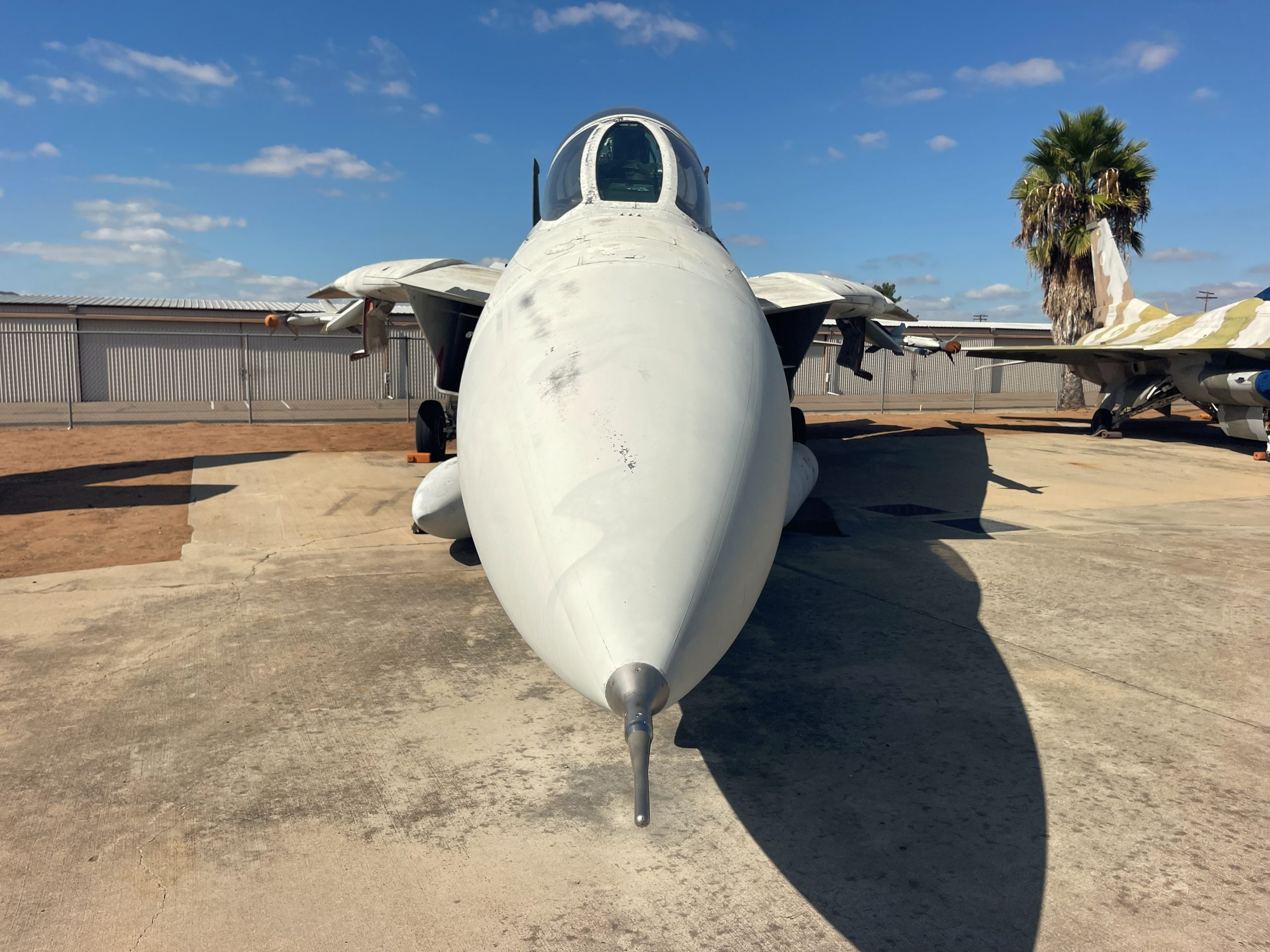
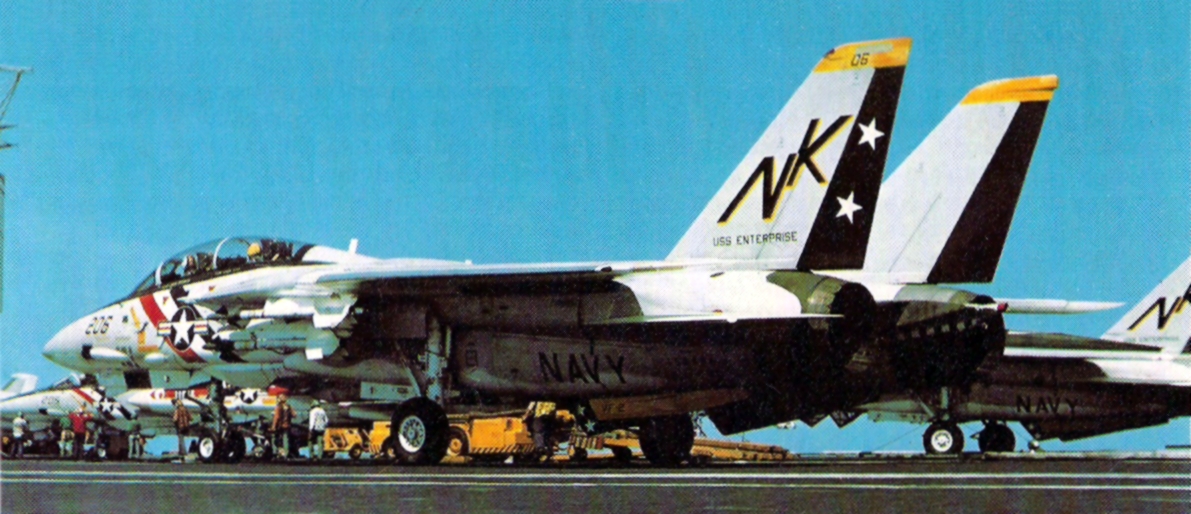
The San Diego Air and Space Museum’s F-14A Tomcat was originally constructed at the Grumman Aircraft plant in Calverton, New York as construction no. 178 and delivered to the United States Navy as BuNo 159631 in 1974. Over the course of its 20-year service life, the aircraft was flown by Fighter Squadron 24 (VF-24), the Fighting Renegades from December 20, 1975, to January 18, 1980, with the squadron codes NG-200 and NG-212. BuNo 159631 flew briefly with Fighter Squadron 114 (VF-114) as NH-117 before being transferred to Fighter Squadron 211 (VF-211), where she would serve under the codes NG-117, NG-111, and NG-106 until 1988, though the aircraft briefly flew with VF-32 as AB-223 in 1987. On October 5, 1988, BuNo 159631 was transferred to VF-124, where it flew for six years before its final assignment would be will the very first squadron she flew with, VF-24. Within two months, though, BuNo 159631 itself was decommissioned and loaned by the National Naval Aviation Museum’s Loan Program to the San Diego Air and Space Museum, which would display the old Tomcat its Gillespie Field Annex in El Cajon, about 12 miles northeast of the San Diego Air and Space Museum’s primary location on the South End of Balboa Park, directly under the landing approach for San Diego International Airport.
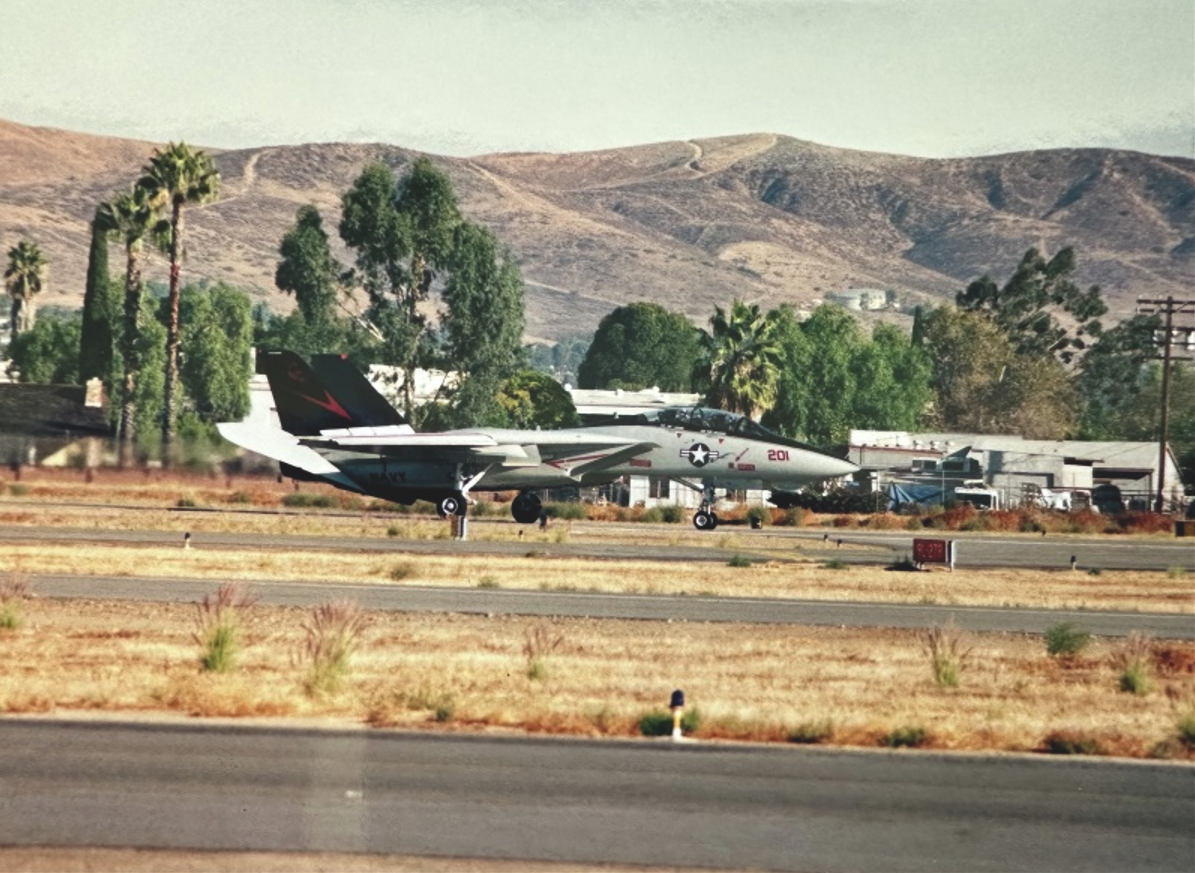
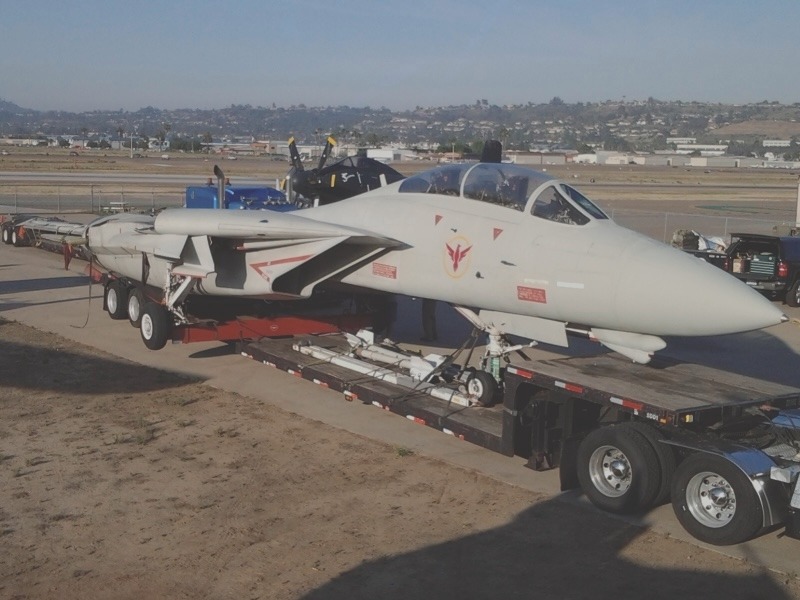
Perhaps BuNo 159631’s biggest claim to fame in recent years is the fact that it was the F-14 Tomcat that graced movie screens with the premiere of Top Gun: Maverick, the highly successful sequel to one of the most iconic aviation films of all time. Though the original film secured the Tomcat’s place as an icon of naval aviation, the last examples flown by the U.S. Navy were decommissioned in 2006, and the only examples still active are those flown by the Islamic Republic of Iran’s Air Force, which originally acquired their aircraft under the government of the U.S.-backed Shah, who was overthrown in 1979. With 159631 being stripped of its engines, the aircraft was disassembled and transported by truck for filming at Lake Tahoe Airport in 2018 to simulate the wintry airbase from which the characters Maverick and Rooster steal an enemy F-14 and fly it back to their carrier. The aircraft’s cockpit was restored to simulate an operational aircraft, but the engineless Tomcat still had to be towed when filming the taxiing sequences. As production went into 2019, F-14A 159631 was then loaded aboard the Nimitz-class carrier USS Theodore Roosevelt (CVN-71) for further film sequences before returning to Gillespie Field.
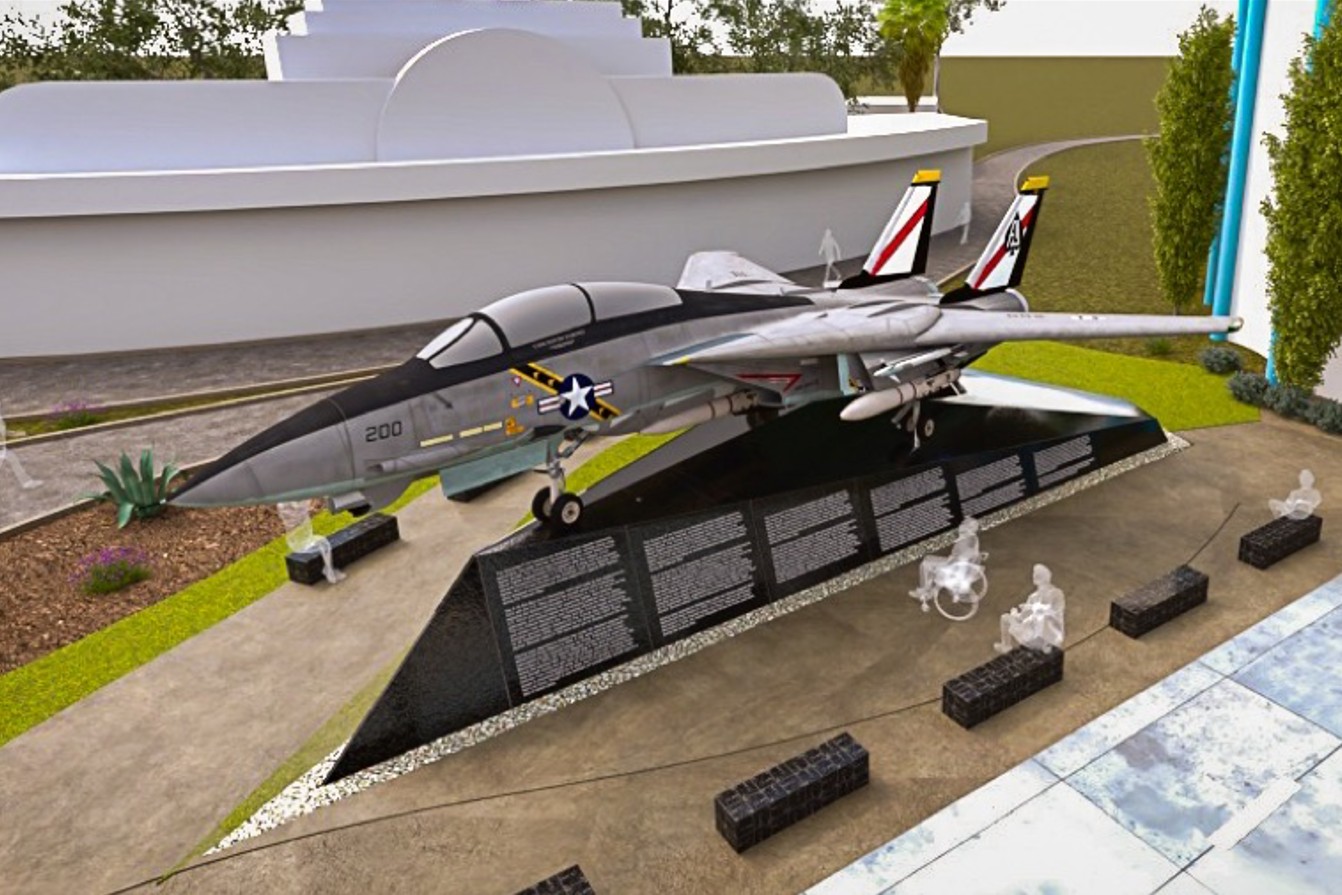
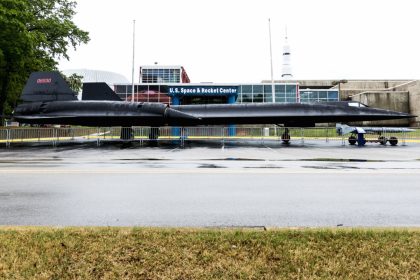
Currently, museum renderings of the planned display call for F-14A BuNo 159631 to be displayed on a plinth opposite the museum’s Lockheed A-12, serial number 60-6933, which was installed on a pedestal in front of the museum’s Ford Building in 1991. This will, however, mean that the F-14 from Gillespie Field will be replacing another aircraft already on display alongside the A-12, and only after the aircraft goes through a new restoration at Gillespie Field. Until the beginning of this future restoration, the Tomcat will remain on display at the Gillespie Field Annex.
That aircraft is the museum’s Convair YF2Y-1 Sea Dart, BuNo 135763. The history of the Sea Dart, the world’s only supersonic seaplane, which was built in San Diego by Convair Aircraft, has already been covered in a previous article HERE. As for Sea Dart BuNo 135763 on display in San Diego, the third of five Sea Darts built and the only one of the four survivors to be found on the U.S. West Coast, it was first flown on March 4, 1955, just two years before the Sea Dart program was cancelled in 1957 in the wake of new developments in carrier-based supersonic aircraft and the construction of new carriers that could accommodate these new designs. With the cancellation of the Sea Dart program, Convair put all four surviving Sea Darts in storage, but in 1963 offered 135763 to the-then newly established San Diego Aerospace Museum, but the museum’s first facilities inside Balboa Park (first the Casa Del Prado, then the Casa De Balboa) were too small to house the prototype fighter, but when the museum moved to the 1935-era Ford Building, the Sea Dart was transported from the Convair facility and installed on a pedestal on June 27, 1984, where it has been ever since.
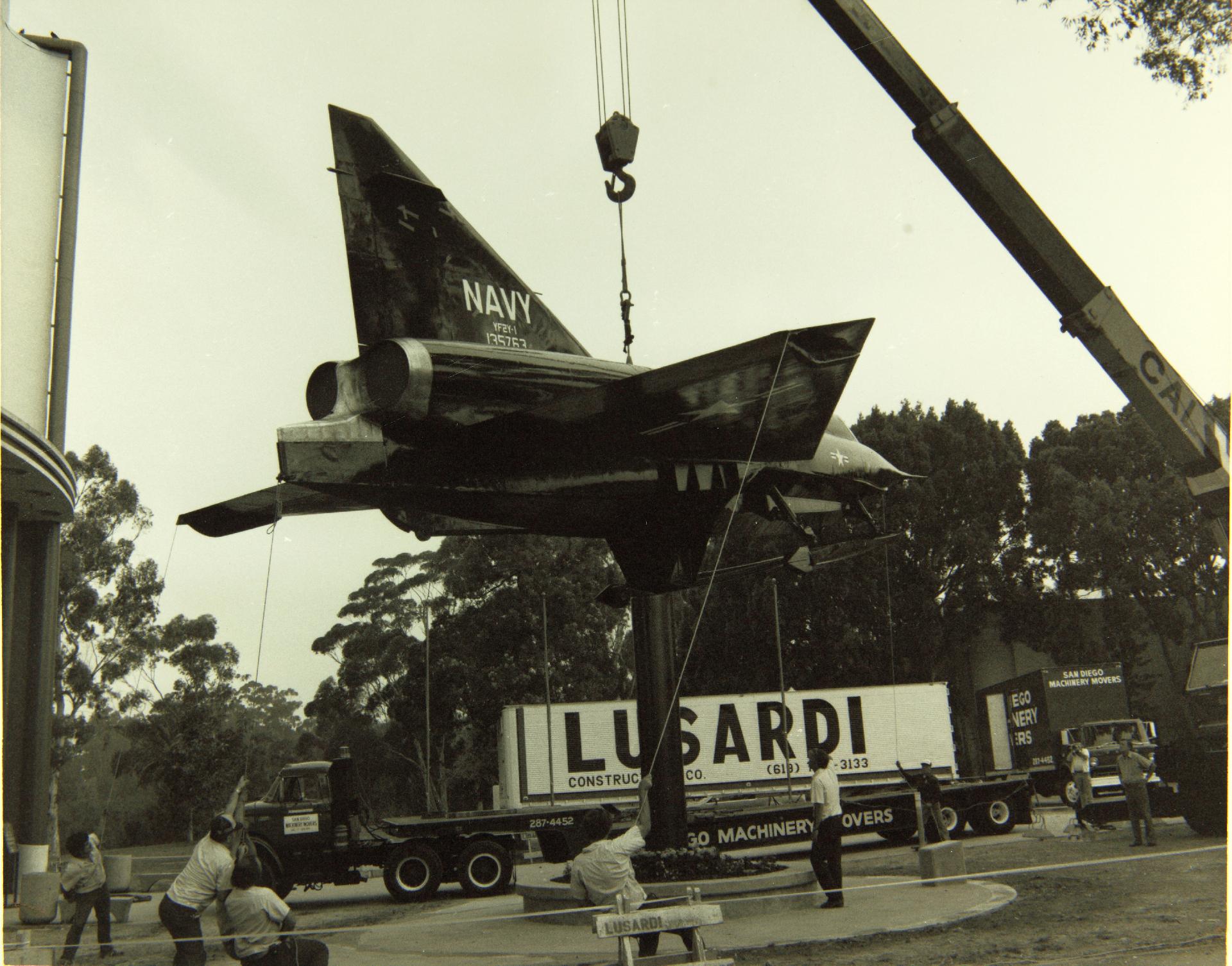
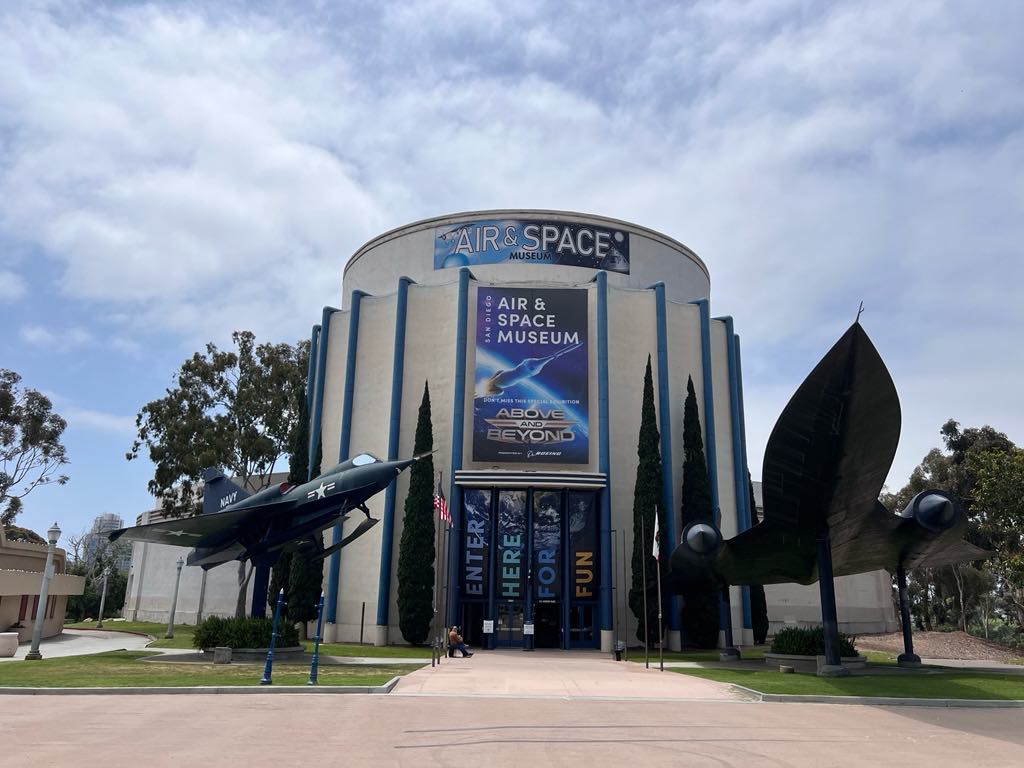
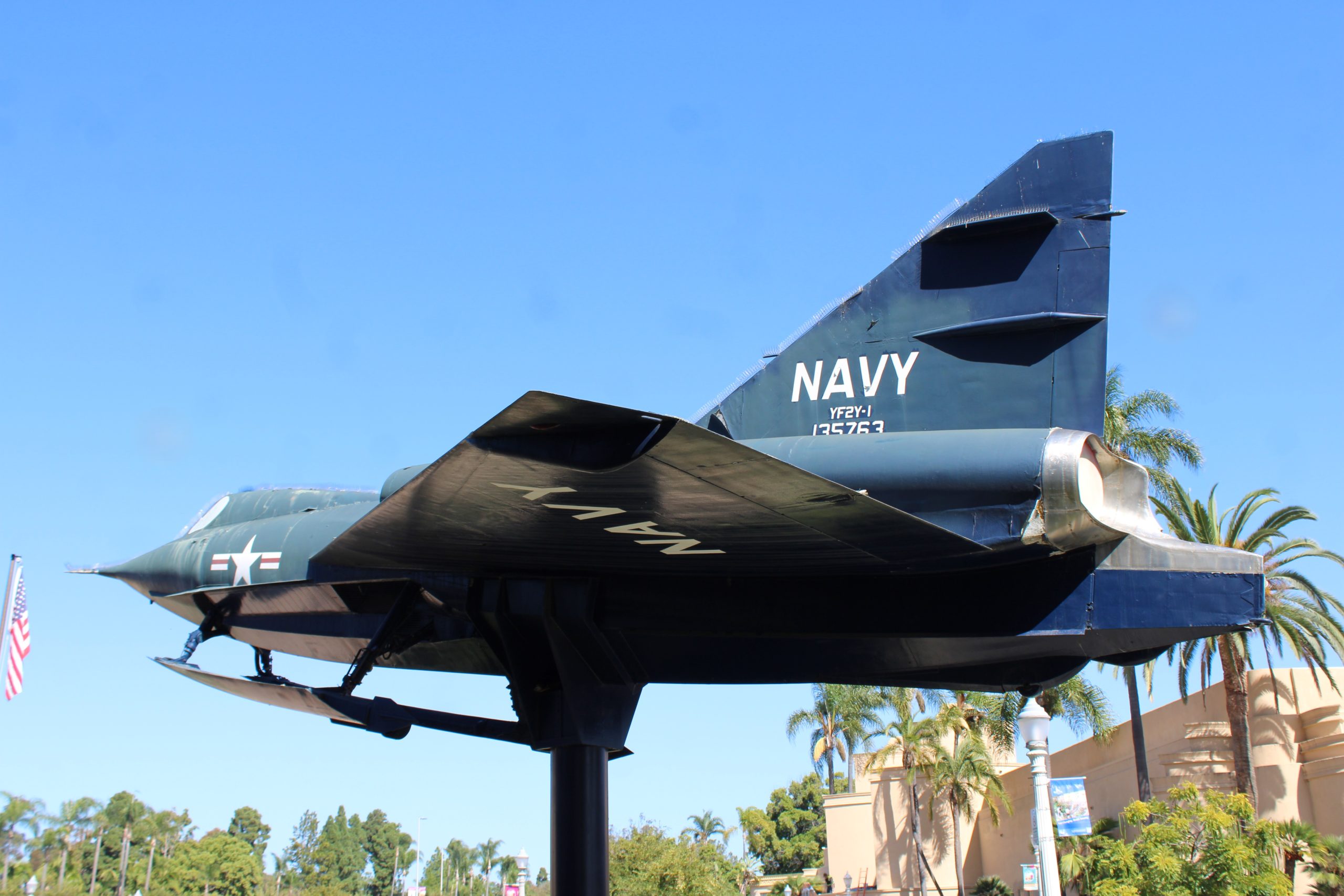
The years have not been kind to the Sea Dart in San Diego, and Jim Kidrick has acknowledged in public interviews that he feels it is time for the F2Y to be brought in for restoration. While no dates have been established for this yet, the SDASM’s Convair F2Y Sea Dart and the pedestal upon which it rests will be carefully removed in order to make way for the Grumman F-14A Tomcat to be brought down from Gillespie Field and placed on display alongside the Lockheed A-12 at the main museum in Balboa Park. However, the museum’s F-14 will require its own restoration at Gillespie Field before it will be ready to make the trip down to Balboa Park. Additionally, the museum has yet to publicly announce what it will do with Convair F2Y-1 Sea Dart BuNo 135763, but it is possible that, at the very least, it could be brought up to Gillespie Field to receive its own restoration.
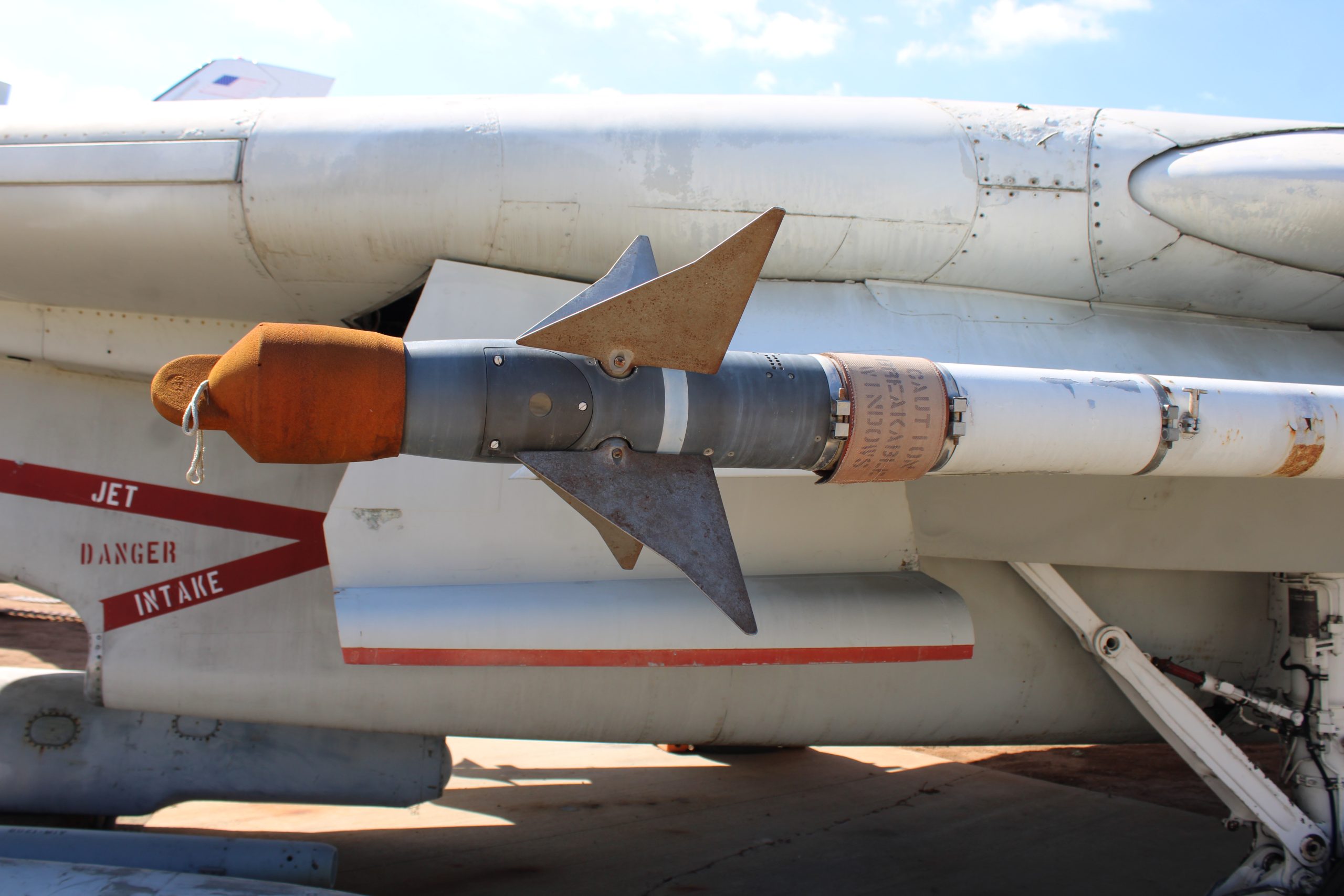
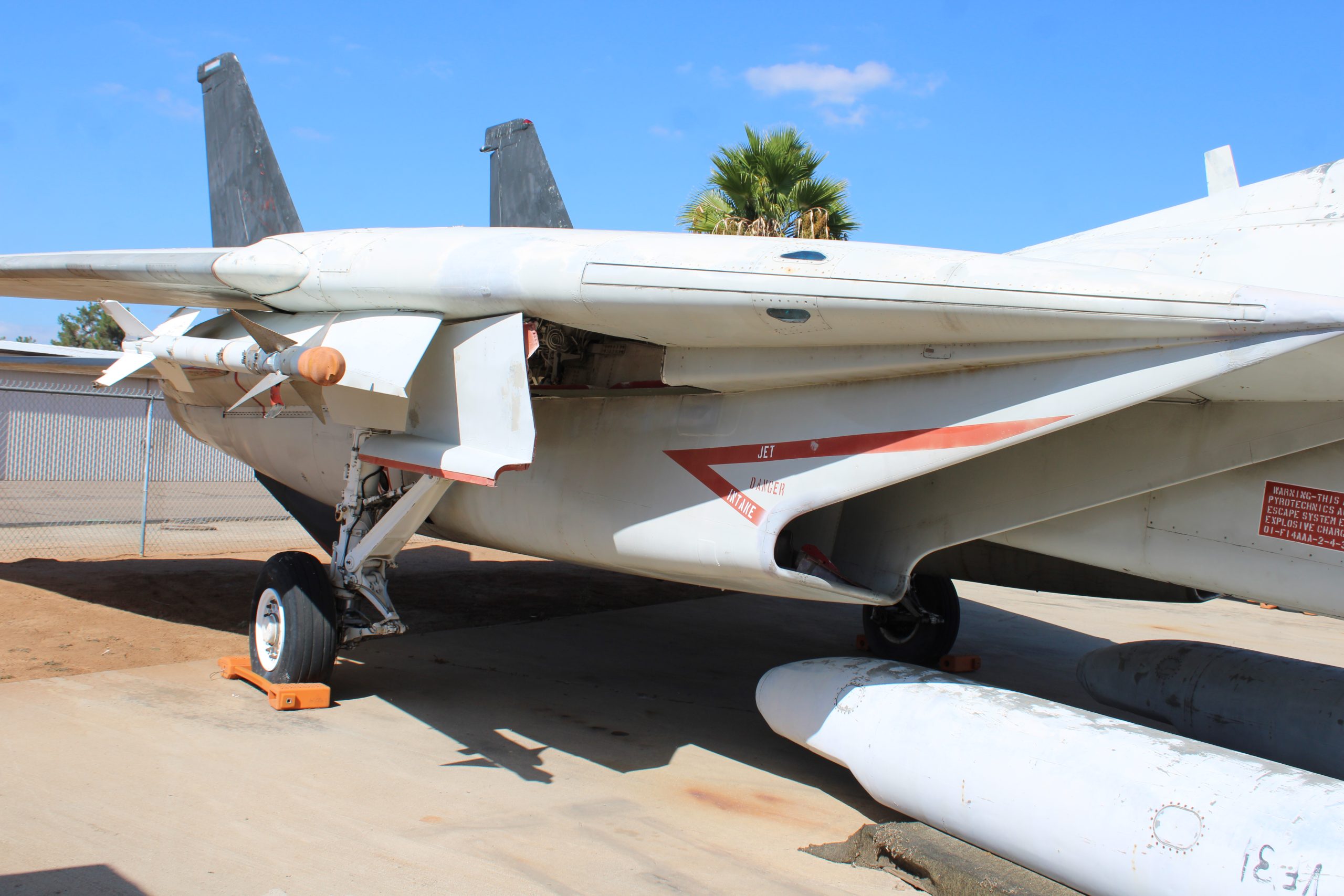
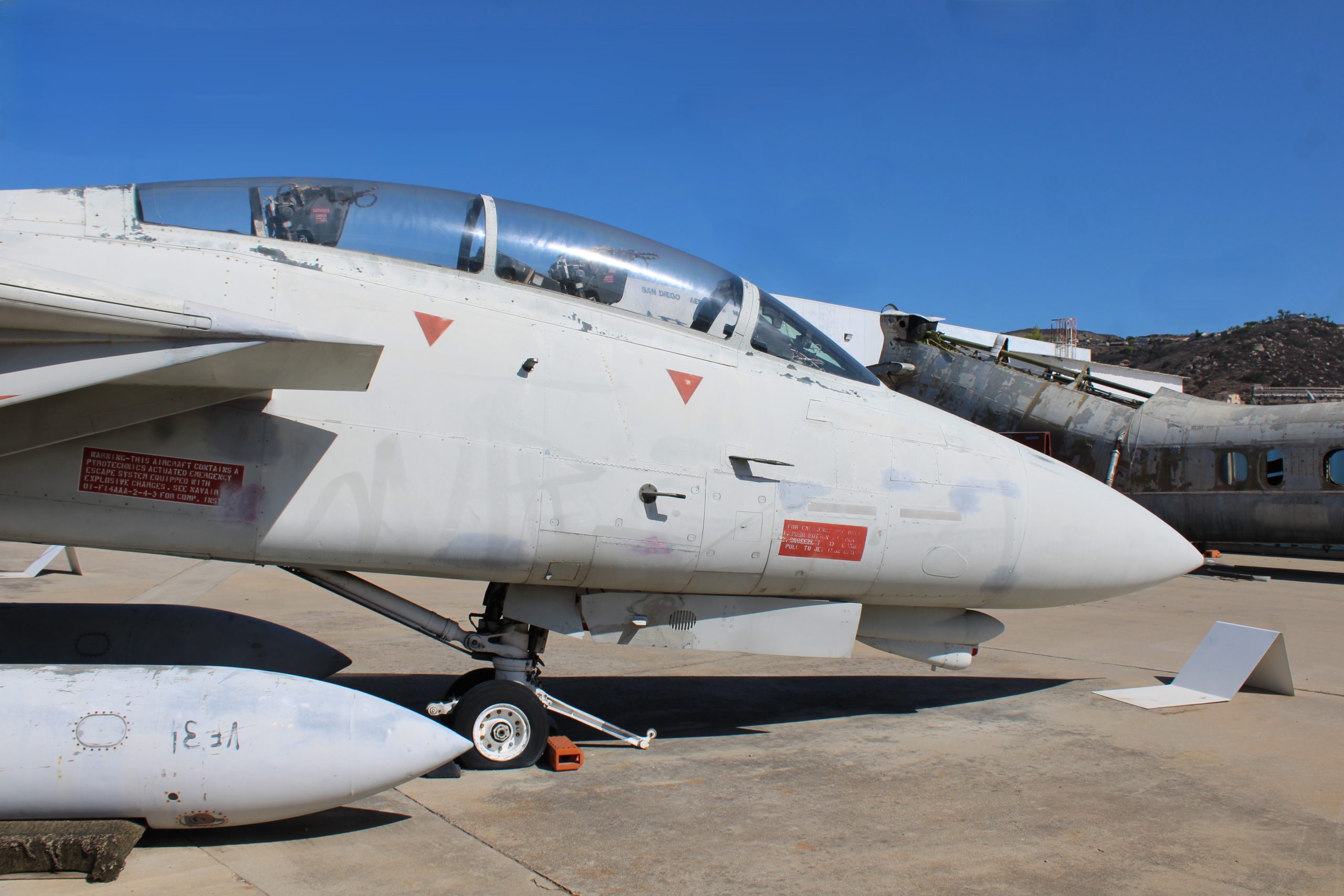
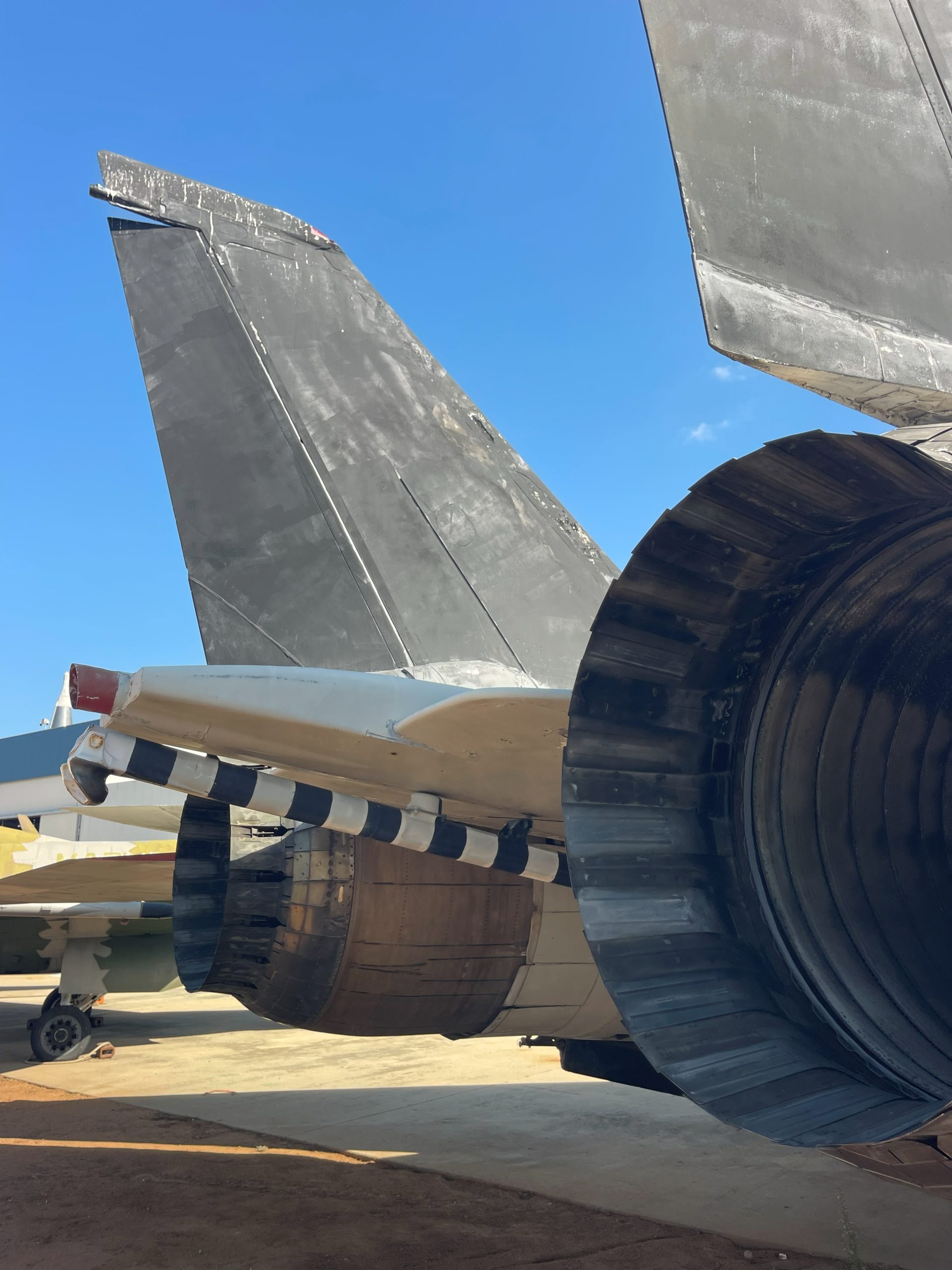
Another reason for placing F-14A Tomcat BuNo 159631 on display at the main entrance to the museum is that the Grumman F-14 Tomcat first entered operational service at what was then Naval Air Station Miramar (now Marine Corps Air Station Miramar) with the establishment of Fighter Squadron 2 (VF-2) “Bounty Hunters” on October 1, 1972 and Fighter Squadron 1 (VF-1) “Wolfpack” on October 14. After training in the San Diego area through 1973, the first two Tomcat squadrons then made their first deployment out of San Diego when they embarked on the first nuclear-powered carrier, USS Enterprise (CVN-65), and flew cover during the evacuation of Saigon, South Vietnam, as part of Operation Frequent Wind in 1975. Throughout the Tomcat’s more than 30 years of service to the U.S. Navy, the roar of the Tomcats could be frequently heard at NAS Miramar and NAS North Island, and San Diego Bay served to both say goodbye and welcome home for many a Tomcat pilot or radar intercept officer (RIO) on carrier deployment.
This is still a developing story and will be sure to keep a close eye on the San Diego Air and Space Museum for any future developments. For more information, visit the San Diego Air and Space Museum’s website HERE.










When this Tomcat was still in service, the Navy was still flying F-14As, not phasing them out, the F-14A started being phased out starting in 2002.
I was stationed at NAS Miramar in 1972 in squadron VC7. I remember when the F-14’s arrived. Compared to our A4C jets, they were big and beautiful!
You should’ve credited Volume 1 of http://www.carrierairwings.com e-book for all the squadron info and MODEX data