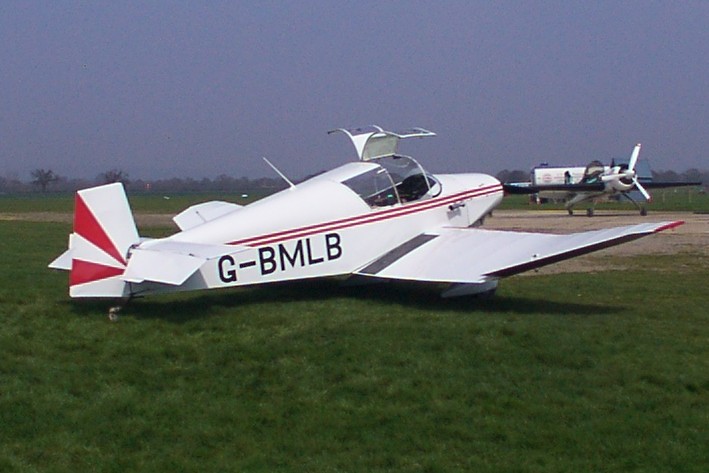
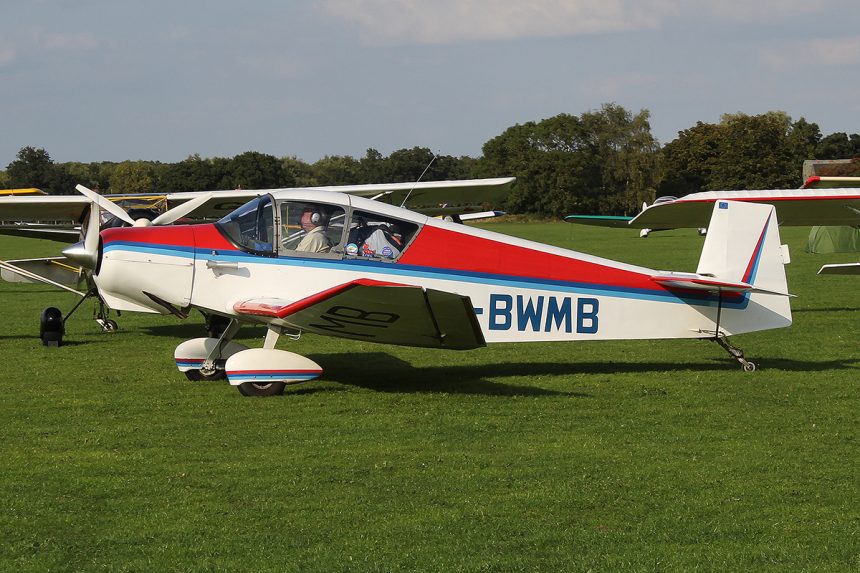


On this day in aviation history, 76 years ago (April 4, 1950), the Jodel D.11 flew for the first time. The D.11 is a two-seat monoplane that was designed and built by Société Avions Jodel, a French aircraft manufacturer. Jodel developed the D.11 in response to a request from the French government that sought a low-wing aircraft, one that could be flown by the country’s flying clubs, which continued to grow in numbers as aviation increased in popularity. Jodel wasted no time in establishing the design.
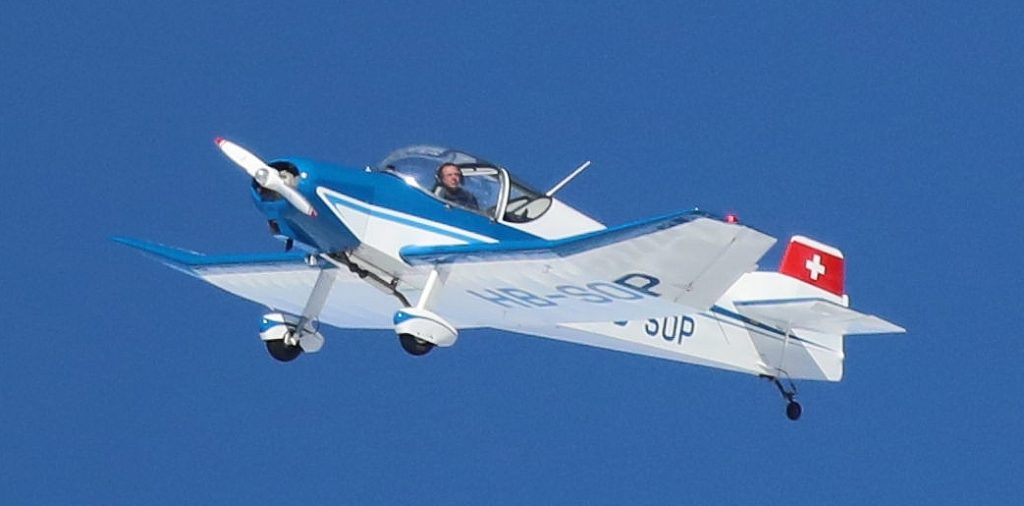
Jodel aircraft designers Édouard Joly and Jean Délémontez looked to previous internal designs for inspiration on the D.11. They utilized the wing of a D.10, a proposed variant of the D.9 Bébé ultralight monoplane, and a longer, wider version of the D.9’s fuselage as the core for the D.11’s airframe. The D.11 featured a fixed conventional undercarriage with a tailwheel and spats and side-by-side seating for the pilot and passenger. Designers of the D.11 added a marked dihedral to the wings, outboard of the landing gear struts. The D.11 is built from all-wood construction, with a single-piece box spar.
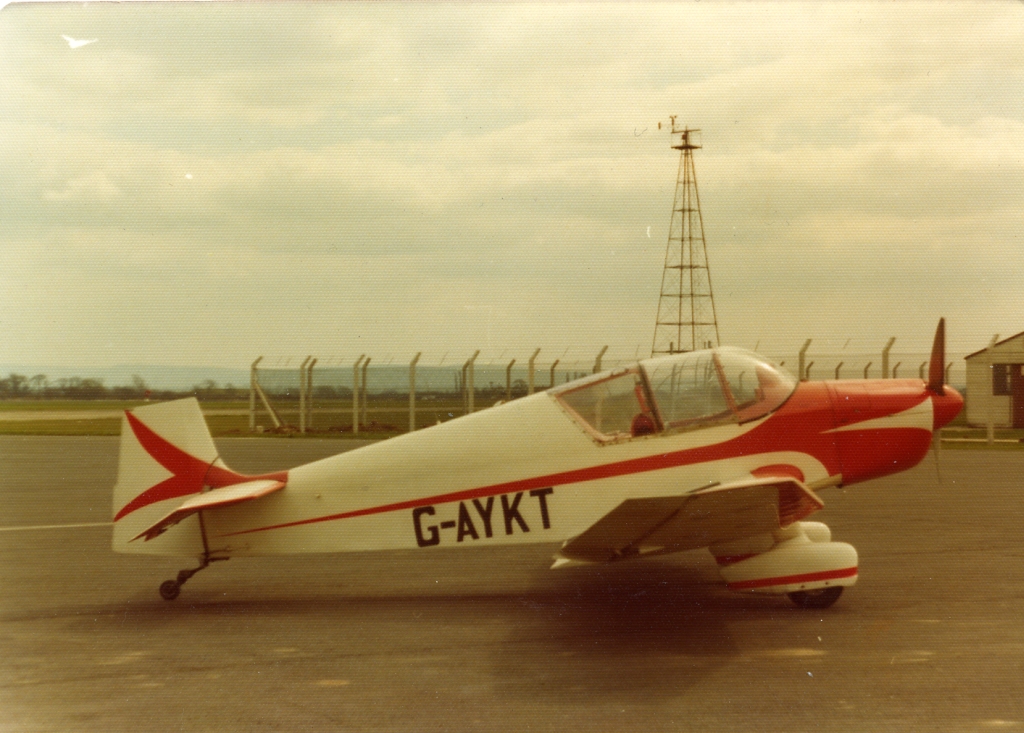
Over a dozen different variants of the D.11 were created within the more than 3,000 aircraft built by Jodel, the main difference between them all being the powerplant used. The D.11 was also licence-built by multiple aviation manufacturers in Europe, including Wassmer, Aero-Difusión, and Falconar Avia. Falconar also sold home-built kits with plans. The Jodel D.117 variant was powered by a 95-horsepower Continental C90-14F 4-cylinder air-cooled horizontally opposed engine. The D.117 can cruise at 121 mph and attain a maximum airspeed of 129 mph.
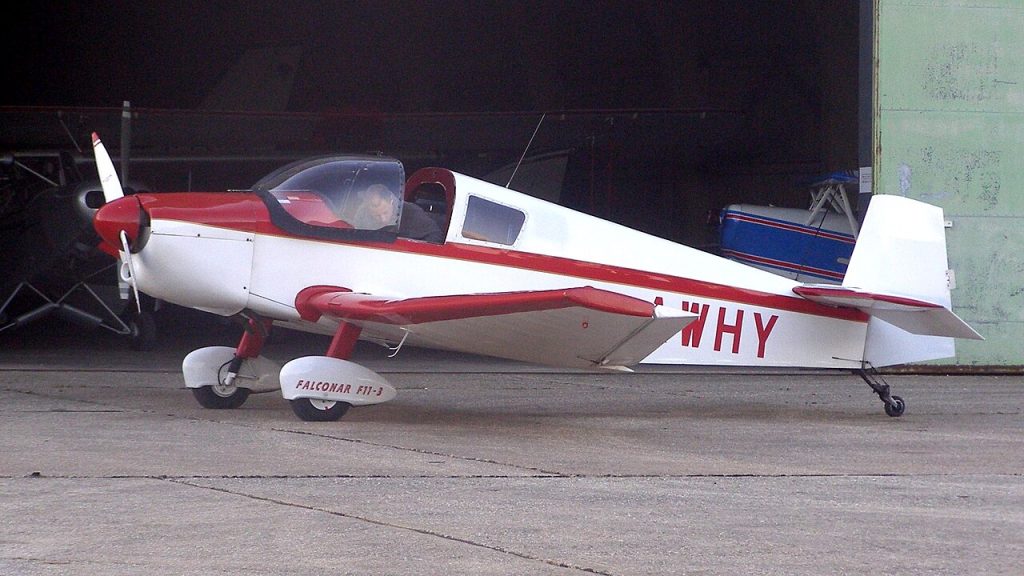
The Jodel D.117 will stall at 31 mph, with recovery being very forgiving as a result of the wing’s added dihedral. The aircraft has a range of 630 nautical miles, with 30 minutes of fuel reserves. The D.117 has a limited service ceiling of 16,000 feet, but can climb at a rate of 790 feet per minute. D.117s can take off in 390 feet and land by 430 feet. Canadian aircraft manufacturer Falconar further developed the Jodel D.11 into the F11 Sporty, which featured a larger engine, a new wing design, and flaps.