
By Paola Bertoni
- The Zeppelin Concept: Structure Defines Capability
- Models as Engineering Tools
- Materials and Industrial Methods
- Alternative Designs and Technical Competition
- The Hindenburg: Engineering Made Visible
- Operational Limits and Structural Constraints
- From Zeppelin to Zeppelin NT
- Why the Zeppelin Museum Matters
- About the Author
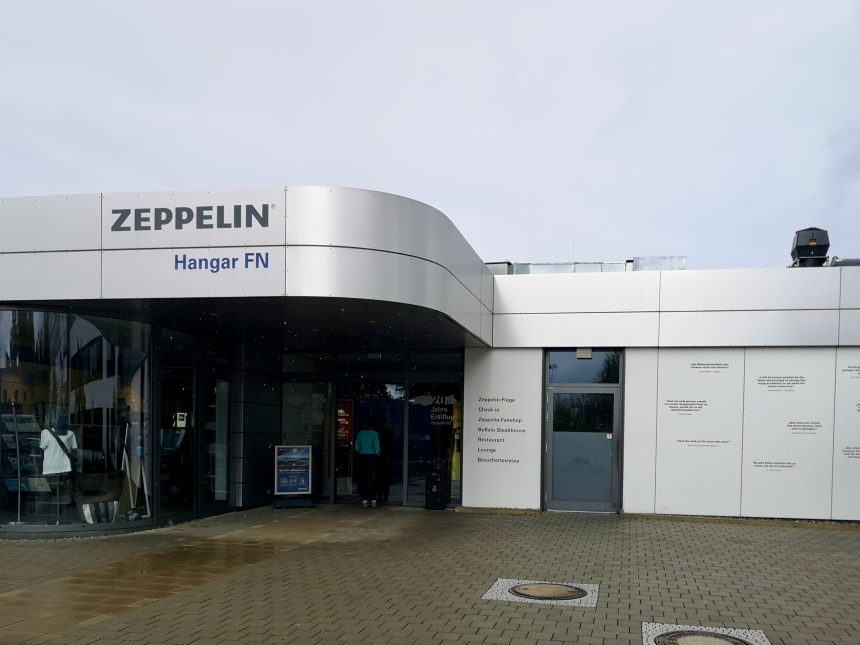
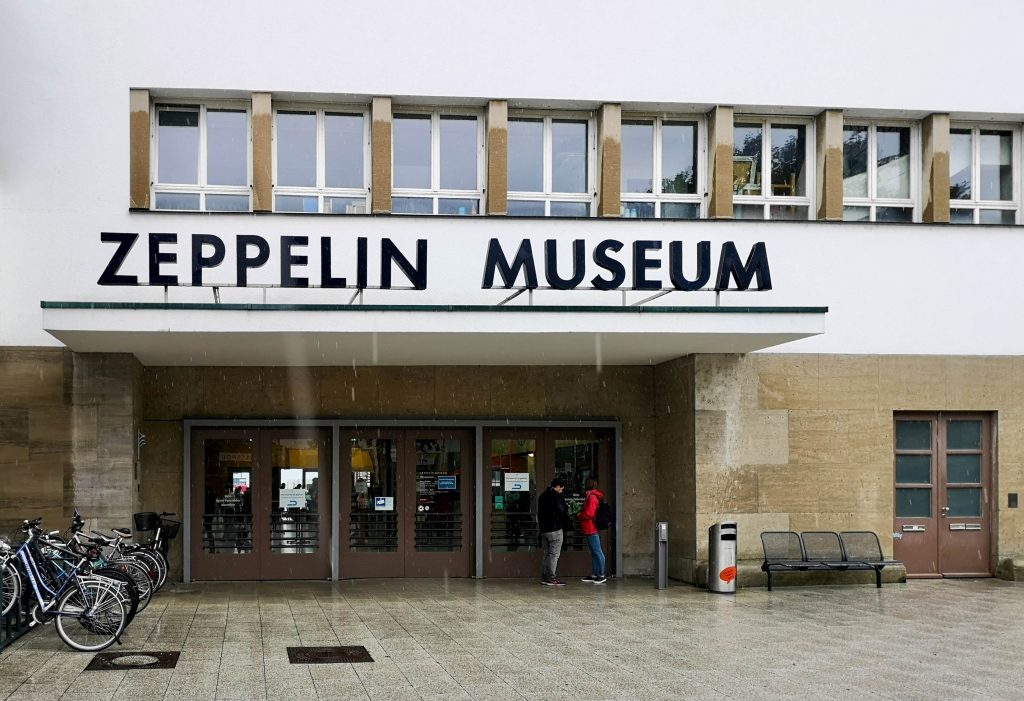
The Zeppelin Museum offers a clear view of how airships actually operated, beyond their often romanticized image. Located in Friedrichshafen on the shores of Lake Constance, it occupies a former harbor station directly linked to Zeppelin operations. The museum focuses on how these aircraft were designed, built, and operated. It also explains the constraints behind their development, including materials, structure, and flight operations. Airships are often remembered for their elegance. Here, the emphasis is on how they actually worked.
The Zeppelin Concept: Structure Defines Capability
Understanding Zeppelin airships begins with their structure. Ferdinand von Zeppelin introduced a rigid framework that separated structural integrity from the lifting gas. This framework consisted of aluminum girders arranged in rings and longitudinal beams. Inside it, multiple gas cells distributed lift evenly along the length of the airship. The outer covering defined aerodynamic shape but did not carry primary structural loads. This distinction allowed for greater size and improved stability compared to non-rigid designs. These engineering choices made long-distance airship travel viable. Transatlantic flights became possible within a controlled and repeatable system.
Models as Engineering Tools
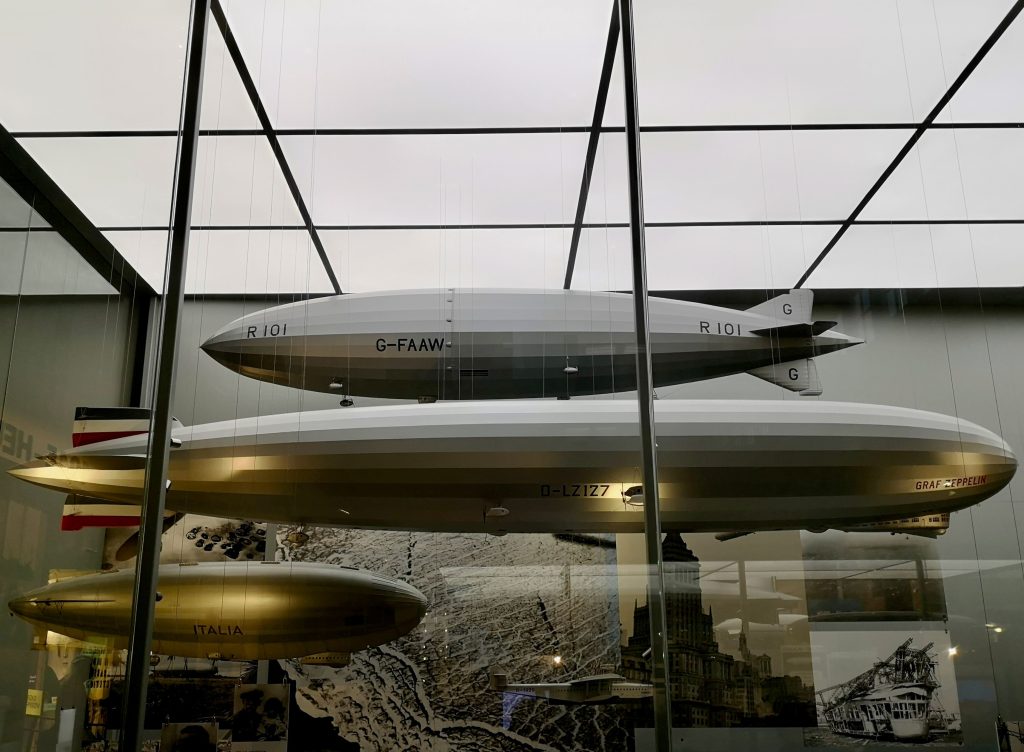
The museum’s scale models are not simply illustrative. They serve as technical tools that explain how airship design evolved. Early models illustrate experimentation with proportions and structural layouts. Later examples reflect optimization for long-range operations. Cutaway models reveal internal systems, including gas cells, structural rings, and propulsion units. They show how different components interact within a single airframe. Technical drawings and construction documents reinforce this understanding. Together, they provide a clear view of the design process behind Zeppelin airships.
Materials and Industrial Methods
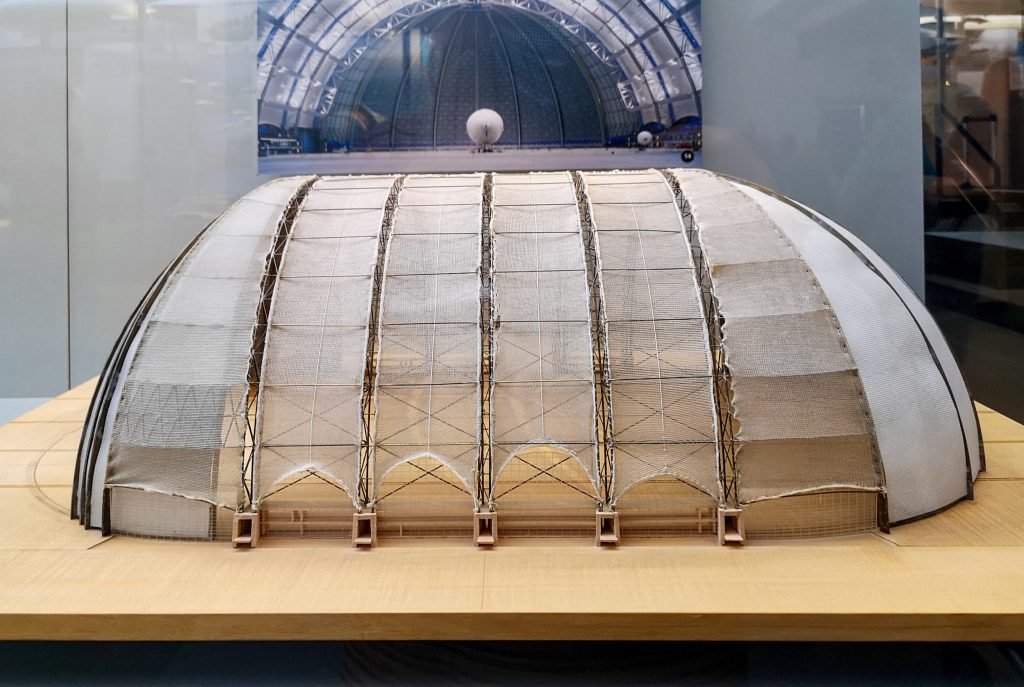
Zeppelin construction relied on advanced materials for its time. Aluminum alloys such as duralumin provided the necessary strength without excessive weight. Structures were assembled from prefabricated components inside large hangars. This modular approach improved production efficiency and simplified maintenance. The outer fabric covering was treated to reduce gas loss and improve durability. It also contributed to aerodynamic performance. Friedrichshafen became a center of industrial-scale airship manufacturing. The size of the facilities reflected the scale of the aircraft themselves.
Alternative Designs and Technical Competition
The museum also examines competing airship concepts developed in Germany and abroad. These include the Schütte-Lanz and Parseval airships. Schütte-Lanz designs used wooden frameworks. While structurally viable, they were more sensitive to environmental conditions. Parseval airships relied on gas pressure rather than a rigid structure. This limited their size and overall performance. These comparisons show that early airship development followed multiple paths. The rigid Zeppelin structure proved more scalable and better suited to long-distance operations.
The Hindenburg: Engineering Made Visible
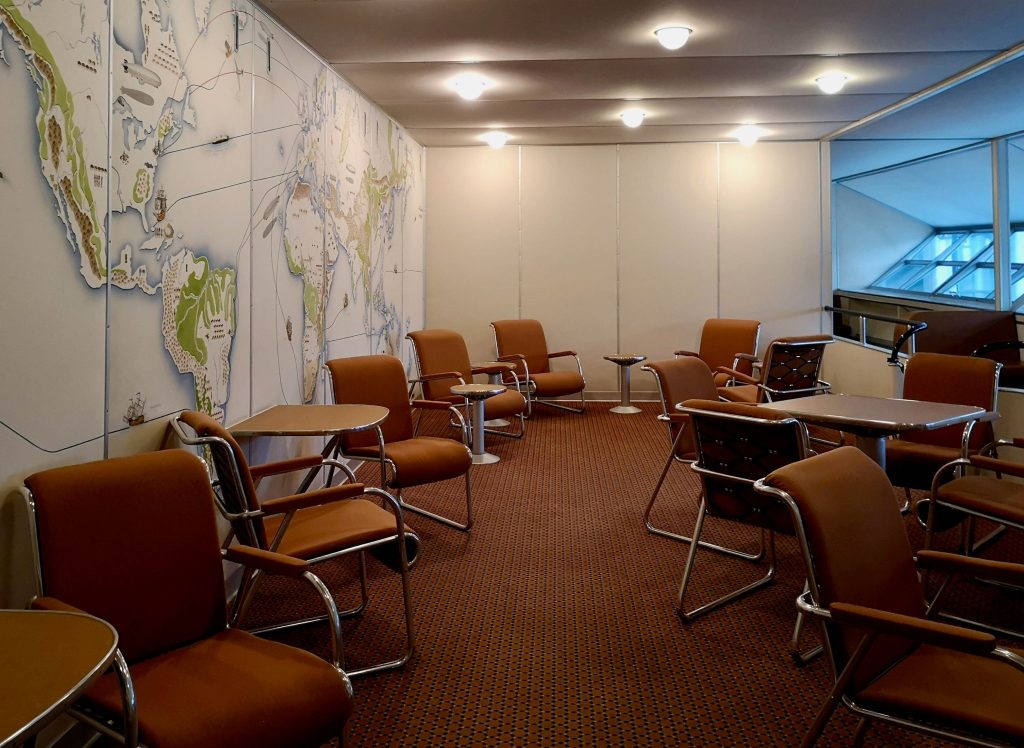
A full-scale reconstruction of the LZ 129 Hindenburg is the centerpiece of the museum. At 245 meters (804 ft) in length, it represents the peak of rigid airship development. Designed to carry more than 70 passengers, the airship operated on transatlantic routes. The reconstruction allows visitors to move through a section of the airship, revealing how structure, systems, and passenger spaces were integrated. Its aluminum framework supported engines, control systems, and passenger areas within a single design. Four diesel engines, mounted in external gondolas, provided distributed and balanced propulsion. Design decisions were driven by constraints. Engineers reduced weight wherever possible while maintaining structural integrity. Interior elements followed the same logic. Furniture and fittings were lightweight, yet functional. Bauhaus design principles shaped the layout, combining efficiency with clarity. The result is a direct connection between engineering and experience.
Operational Limits and Structural Constraints
Despite their capabilities, airships operated within narrow limits. Weather conditions had a direct impact on flight safety, particularly during take-off and landing. Hydrogen provided efficient lift but introduced inherent risk. Its flammability affected both operations and public confidence. Ground handling required large crews and dedicated infrastructure. Managing an airship was as demanding on the ground as it was in the air. The Hindenburg disaster in 1937 marked a critical moment. Combined with advances in fixed-wing aircraft, it accelerated the decline of rigid airship transport.
From Zeppelin to Zeppelin NT
Rigid airships disappeared from commercial aviation, but the underlying concepts remained relevant. Modern designs such as the Zeppelin NT apply updated materials and systems. Non-flammable lifting gases and improved controls address many earlier limitations. The Zeppelin Museum connects these modern developments to their historical origins. It presents airship engineering as an evolving field rather than a closed chapter. These aircraft now operate in tourism, research, and observation roles.
Why the Zeppelin Museum Matters
The Zeppelin Museum stands out for its technical clarity. It explains complex systems without unnecessary simplification. The combination of full-scale reconstruction, models, and documentation creates a structured experience. At the same time, the museum retains a human dimension. It shows how engineering decisions shaped travel, work, and daily life on board. For anyone interested in aviation, the museum provides both context and depth. It presents airships as engineered systems, defined as much by their limitations as by their design ambitions.
About the Author

Paola Bertoni is an Italian travel writer and aviation enthusiast. She explores the intersections of history, culture, and aviation on her blog Paola Everywhere, aiming to inspire meaningful travel through research-driven storytelling.