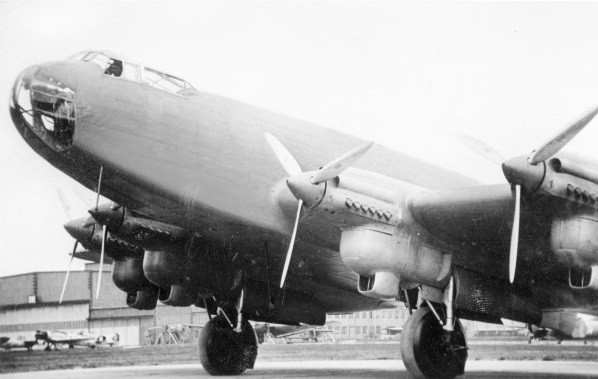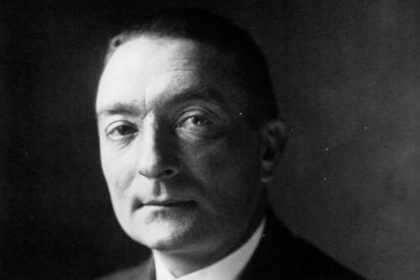
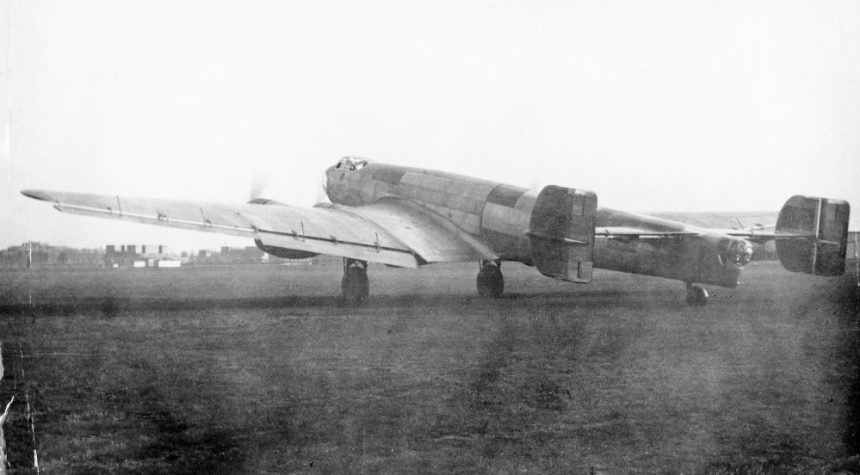

On this day in aviation history, 89 years ago (April 11, 1937), the Junkers Ju 89 flew for the first time. The Ju 89 was a pre-World War II heavy bomber design intended for use with the German Luftwaffe. From the inception of the Luftwaffe in 1933, Chief of Staff General Walther Wever had preached the likely importance of strategic bombing in future conflicts. Wever was certain that a Langstrecken-Grossbomber (“long-range big bomber”) was required to handle this mission. The Ural bomber programme was established to develop Germany’s new long-range heavy bomber for the Luftwaffe. Wever had discussions in secret with leading German aircraft manufacturers Dornier and Junkers in which he requested designs for the new aircraft. Dornier responded with the Do 19, and Junkers with the Ju 89. In 1935, the Reichsluftfahrtministerium (RLM/Reich Aviation Ministry) ordered prototypes for both bomber concepts. Two prototypes and a prototype series of nine aircraft were requested by the RLM.
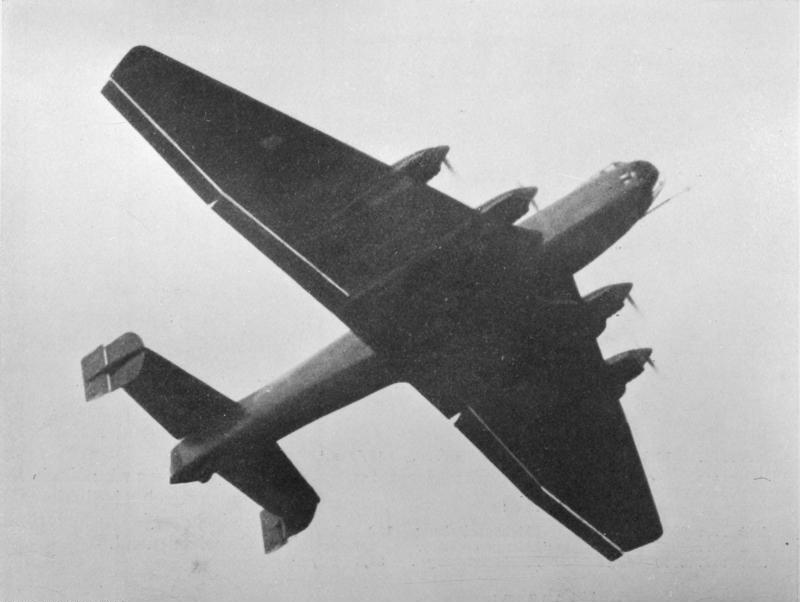
Both the Ju 89 and Do 19 showed promise as solutions to the long-range bomber quest. However, a change in priority and direction within the Luftwaffe caused the Junkers to become a victim. General Wever was killed in an aircraft accident in 1936. His successors, Albert Kesselring, Ernst Udet, and Hans Jeschonnek, were not big supporters of heavy bombers. They instead preferred smaller, tactical aircraft. These planes could be used to support army operations, and they also required less material and manpower to manufacture. This move would serve as a detriment to Germany in WWII, limiting its strategic bombing capability.
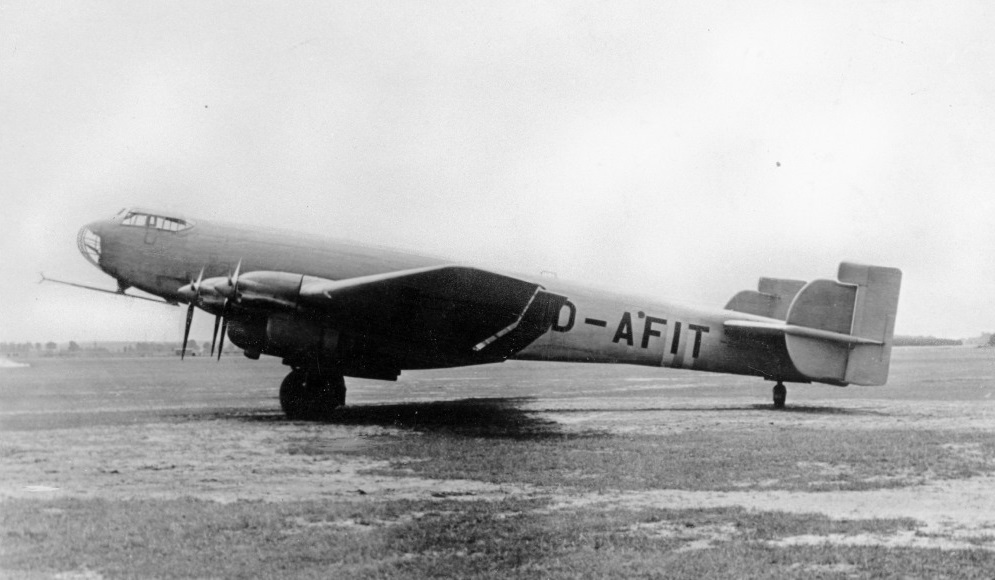
Two Ju 89 prototypes were built; the first (D-AFIT – V1, c/n 4911) was flown by Peter Hesselbach on 4/11/37. Two and a half weeks after this first flight, both the Ju 89 and Do 19 were cancelled by the RLM. High fuel consumption and the amount of materials needed for manufacturing the heavy bombers (which could be better used for more medium bombers like the Ju 88) were the main reasons for the aircraft’s demise. The second Ju 89 prototype, D-ALAT, first flew in July 1937. Junkers continued to fly the aircraft for flight testing purposes. In June of 1938, the Ju 87 achieved a new payload/altitude world record with 11,000 pounds of payload at an altitude of 30,551 feet. An altitude of 23,760 feet with 22,000 pounds was reached weeks later.
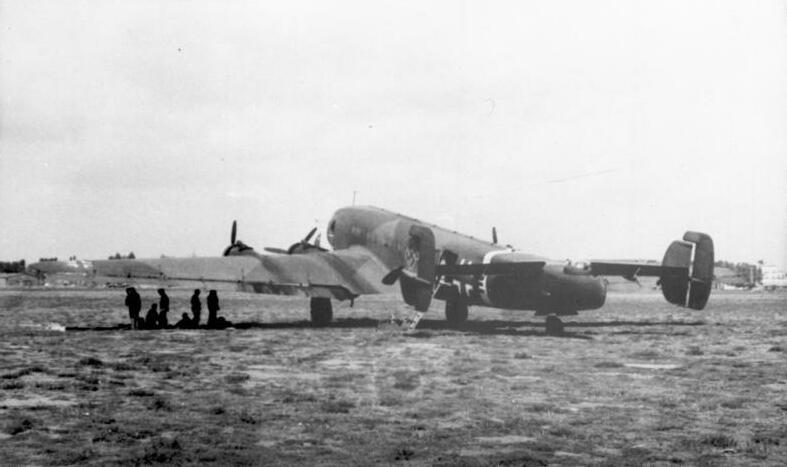
The Junker Ju 89 V2 had a crew of 5, and was powered by four 960-horsepower Daimler-Benz DB 600A V-12 inverted air-cooled engines. The Ju 89 cruised at 196 mph and could attain a maximum airspeed of 242 mph. The heavy bomber concept had a range of 865 nautical miles and a service ceiling of 22,965 feet. Planned armament for the Ju 89 included two 20 mm MG FF cannons, two 7.92 mm MG 15 machine guns, and up to 3,500 lbs of bombs. By the end of 1939, it is believed that both Ju 89 prototypes were scrapped.