






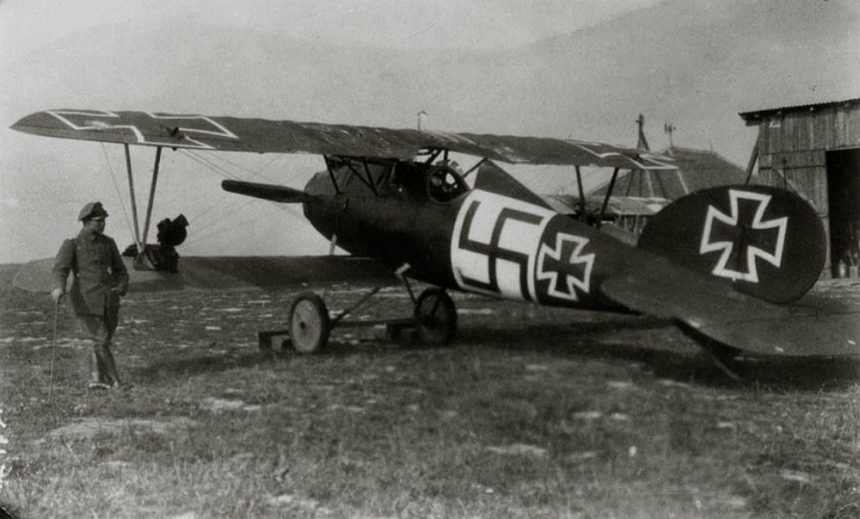

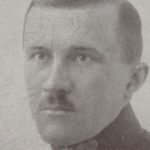
The “Blue Max,” officially known as the Pour le Mérite, was Germany’s highest military order of merit in WWI. The pilots who achieved 20 aerial victories were awarded with it. But Paul Billik, who scored 31 aerial victories, was the highest-scoring German ace not to receive the medal. Born on March 27, 1891, Billik joined the 157th Infantry Regiment of the 12th Division in Brzeg in 1911. He was still with his regiment when WWI began and fought alongside them. In May 1916, Paul Billik was transferred to the Fliegertruppe for aviation training. From January to March 26, 1917, he flew defensive patrols with Schutzstaffel 4 and learned to fly single-seat fighter planes. On April 1, 1917, he joined Prussian Jagdstaffel 12 and flew an Albatros fighter.
Ace Journey of Paul Billik
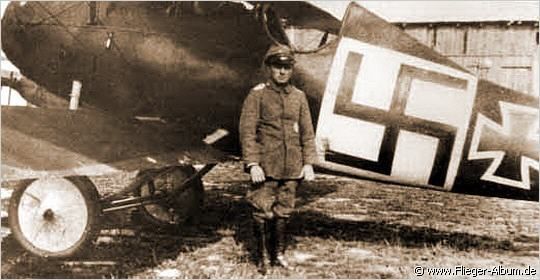
His first victory came on April 30, 1917, when Paul Billik shot down a Sopwith Pup, followed by one victory each in May, June, and July. He was then transferred to Jagdstaffel 7, where he flew Fokker Dr.I, and became an ace on August 18, when he shot down a Sopwith Camel. He further claimed two victories in September and one in December, bringing his score to eight by the end of 1917. As 1918 began, Paul Billik was chosen to lead the new Prussian Jagdstaffel 52. Most of his pilots were new graduates from flight training, but he brought four pilots from his previous unit. He also introduced a color scheme with black fuselages for the Jasta’s Pfalz D.IIIs. He scored four victories in March, and on March 28, he shot down Captain John Lightfoot Trollope from No. 43 Squadron RAF, who survived but had to have his left hand amputated. After scoring one victory in April, Paul Billik shot down five aerial targets in May, including Major Albert Desbrisay Carter, who served in No. 19 Squadron RAF and survived as a prisoner of war. In June, he destroyed three aircraft; in July, six. On June 1, 1918, he shot off the wing of British pilot Captain William Cairnes’ Royal Aircraft Factory SE.5a, causing it to spin downwards at high speed. Cairnes, from No. 74 Squadron, did not survive.
Legacy and Death
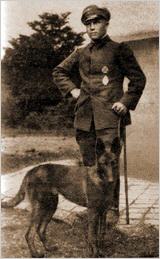
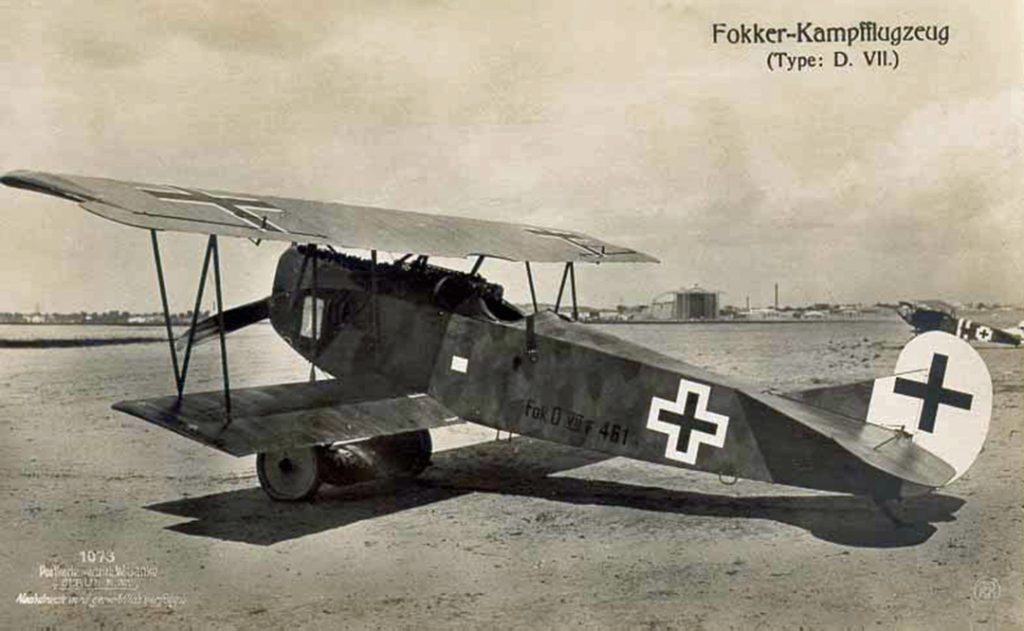
On July 8, Paul Billik killed Captain Arthur Claydon, an ace pilot from No. 32 Squadron RAF. Around this time, Jagdstaffel 52 upgraded to Fokker D.VIIs and Dr.Is. On July 25, Billik received the Knight’s Cross of the Royal House Order of Hohenzollern. Paul Billik scored four victories in August, bringing his WWI total to 31. On August 10, 1918, Billik was shot down during a dogfight and taken prisoner. He had been recommended for the Pour le Mérite award after achieving 20 victories, but his capture stopped him from receiving this honor. Out of his 31 victories, eight were Sopwith Camels, seven S.E.5a aircraft, three D.H.9s, two each of D.H.4s, Sopwith Dolphins, Bristol F.2bs, SPAD VIIs, and Nieuport 17, and one each of Sopwith Pup, A.W.F. F.K.8, and R.E.8. After the war, Billik started working in civil aviation. He passed away in a landing accident in Staaken, Berlin, while flying one of the first passenger planes, the Junkers F.13, on March 8, 1926. In the Aces series, Paul Billik was a brave ace and a lover of flying, whether in military or passenger planes. Read stories about more Aces HERE.
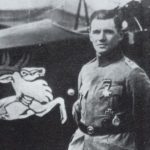
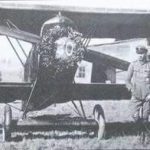


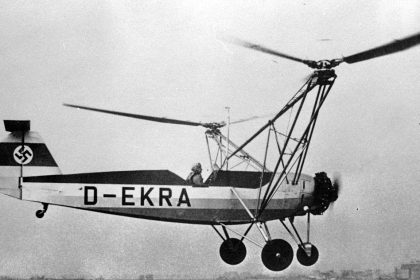


In the first photos,, the plane has a swastika as well as the traditional insignia. Why is it there?
The swastika was used during World War I, but as a benign symbol of good luck, health, or fortune rather than a hate symbol. Decades before the Nazi Party adopted it in 1920, Western cultures widely used the ancient motif in military insignia, commercial branding, and lucky charms. Individual German pilots occasionally painted the swastika on their airplanes during World War I, but it was not an official national or military insignia.
Some instances and the history –
https://www.thejc.com/news/the-jewish-pilot-who-flew-with-a-swastika-on-his-plane-rj7lqvm5
https://www.printmag.com/daily-heller/the-daily-heller-germans-confused-branding/
https://www.bbc.com/news/magazine-29644591
The swastika was being used in World War I??!
The swastika was used during World War I, but as a benign symbol of good luck, health, or fortune rather than a hate symbol. Decades before the Nazi Party adopted it in 1920, Western cultures widely used the ancient motif in military insignia, commercial branding, and lucky charms. Individual German pilots occasionally painted the swastika on their airplanes during World War I, but it was not an official national or military insignia.
Some instances and the history –
https://www.thejc.com/news/the-jewish-pilot-who-flew-with-a-swastika-on-his-plane-rj7lqvm5
https://www.printmag.com/daily-heller/the-daily-heller-germans-confused-branding/
https://www.bbc.com/news/magazine-29644591
I love aviation history I’d love to work with you if you’re interested in very informative and can be helpful if given the chance
Swastika’s in the 1st WW I don’t think so !!!!!