
(Image credit: VAN)
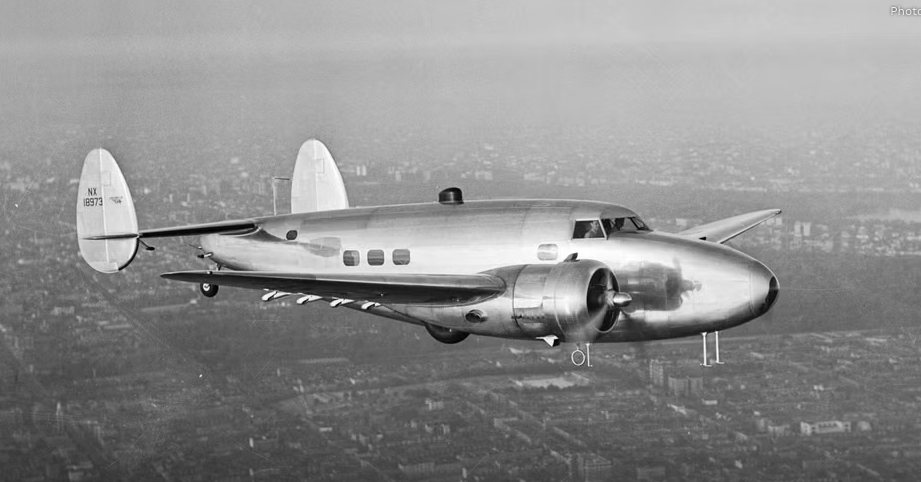
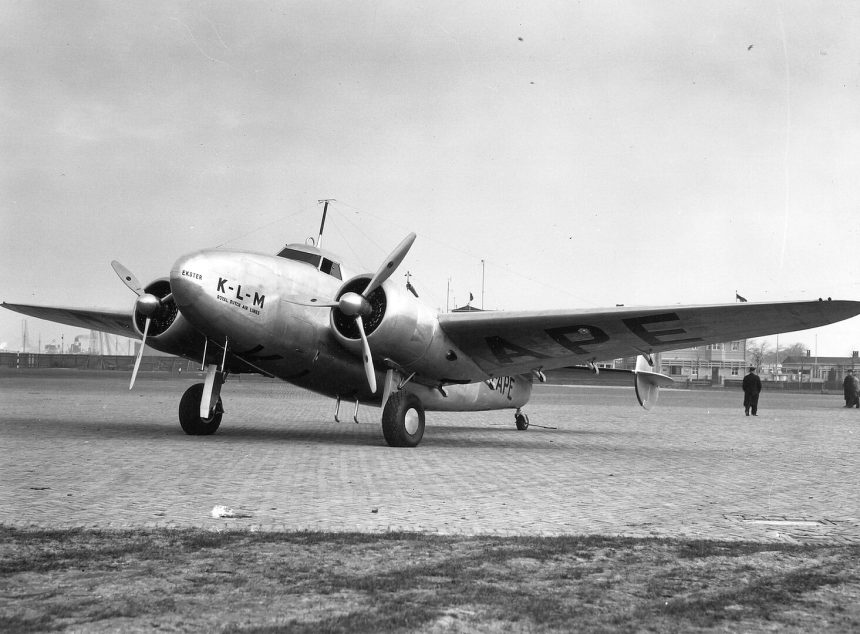
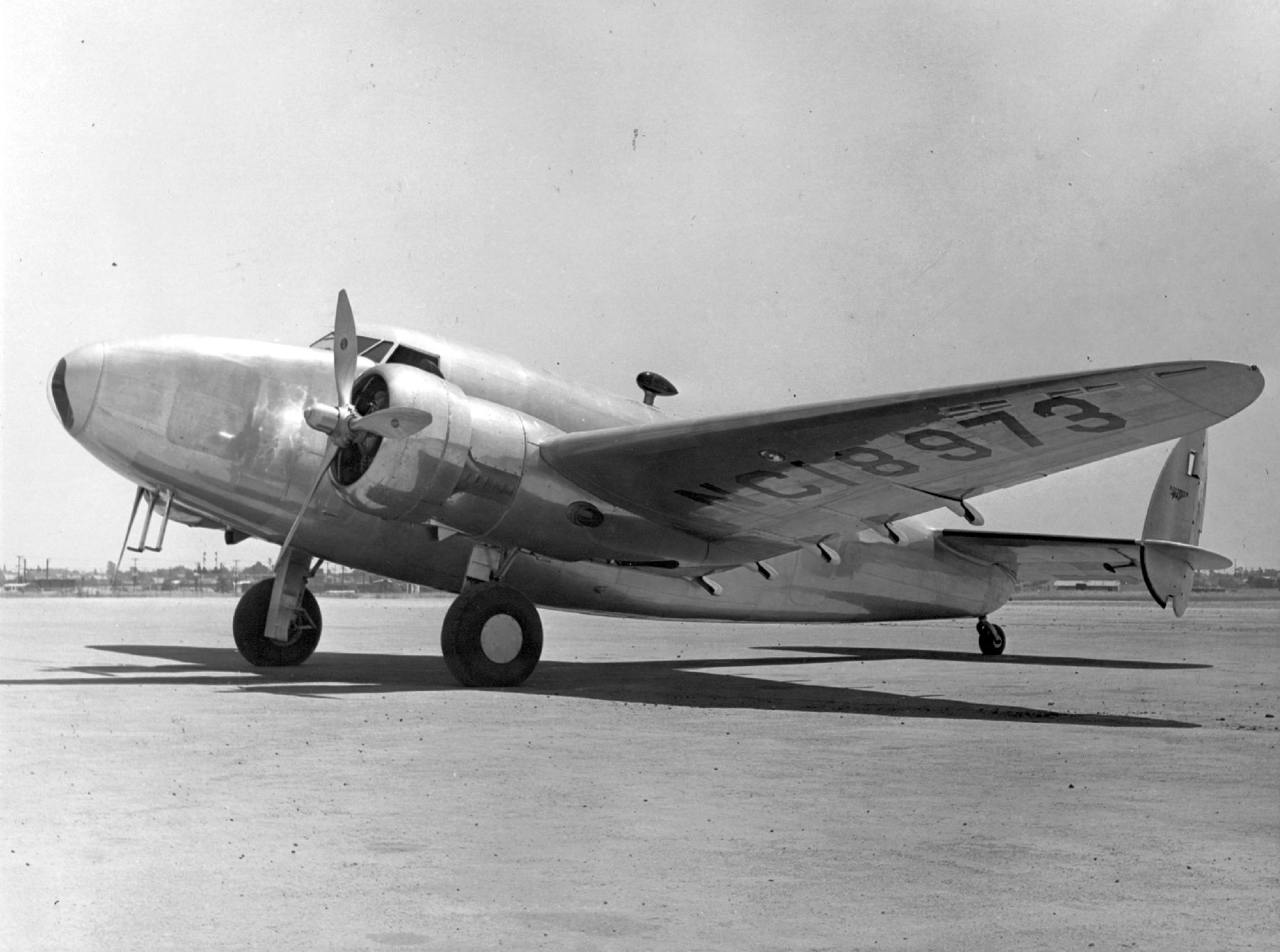
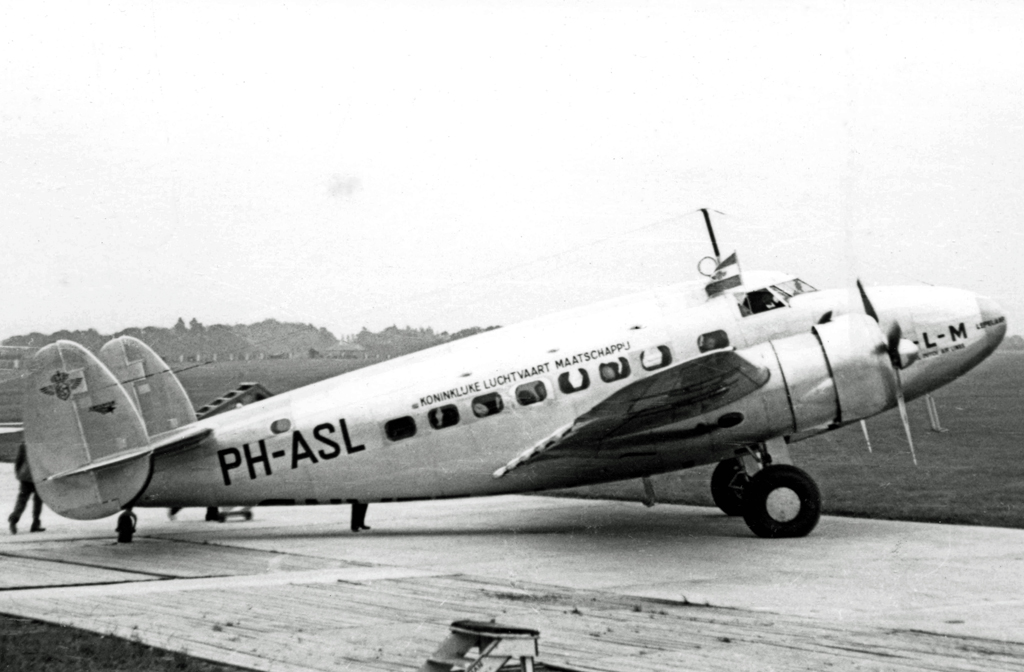
On July 29, 1937—88 years ago today—the Lockheed Model 14 Super Electra made its first flight, piloted by Lockheed test pilot Marshall Headle. Developed as a larger, more capable evolution of the earlier Model 10 Electra, the Super Electra was Lockheed’s response to growing demand for higher-capacity airliners that could compete with contemporary aircraft like the Douglas DC-2 and Boeing Model 247. The Model 14 retained the sleek, twin-engine monoplane design of its predecessor but was scaled up to accommodate 14 passengers—an improvement over the Model 10’s 10-seat configuration. The aircraft quickly became a popular choice for commercial airlines and cargo operators around the world. Among the carriers that flew the Super Electra were Air France, Japan Air Transport, Trans-Canada Air Lines, Continental Airlines, and Northwest Airlines.
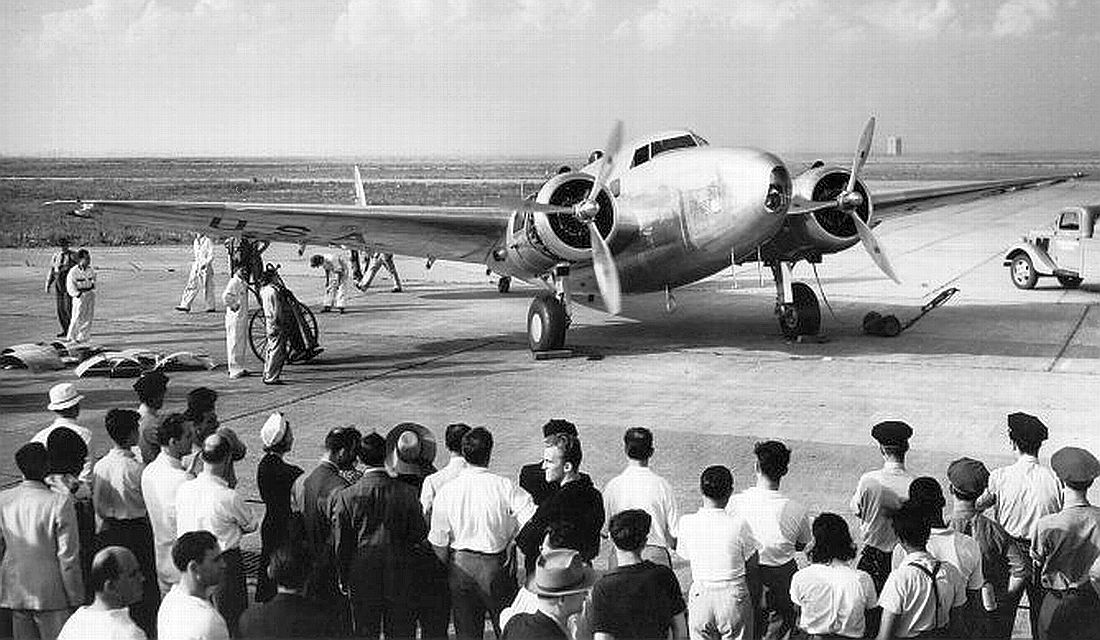
One of the most famous flights involving the Super Electra was a record-setting around-the-world journey by Howard Hughes in 1938. Flying Super Electra NX18973 with a four-man crew, Hughes departed from Floyd Bennett Field in New York on July 10, 1938. The route took them through France, the Soviet Union, Siberia, Alaska, and Minneapolis before returning to New York. The entire journey covered 14,672 miles and was completed in just 3 days, 19 hours, and 17 minutes—an astonishing feat at the time.
The Super Electra was initially powered by two Pratt & Whitney R-1690 Hornet radial engines but was later equipped with more powerful 900-horsepower Wright SGR-1820-F62 Cyclone engines. The aircraft had a maximum speed of 250 mph, cruised at 215 mph, and had a service ceiling of 24,500 feet with a range of 740 nautical miles. In total, 354 Super Electras were built—114 by Lockheed in the United States and another 240 produced under license in Japan. These Japanese-built aircraft were manufactured by the Tachikawa Aircraft Company (designated the Type LO) and Kawasaki (designated the Type 1).
With the onset of World War II, the Model 14’s robust airframe became the basis for the Lockheed Hudson—a militarized version adapted for maritime reconnaissance and light bombing. The Hudson was widely used by the Royal Air Force, the United States Army Air Forces, and the U.S. Navy, becoming a workhorse in multiple theaters of war. Lockheed’s success with the Electra series demonstrated the versatility and longevity of its design philosophy. The Model 10 laid the groundwork, the Model 14 expanded its reach, and the Hudson proved its mettle in combat. Even today, surviving Electras exude the same streamlined elegance and functional beauty that made them icons of early commercial aviation.