






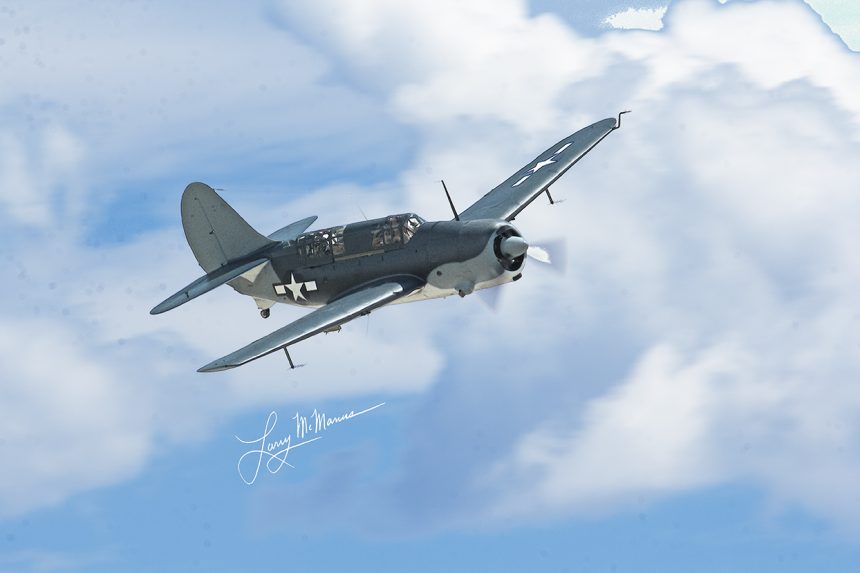

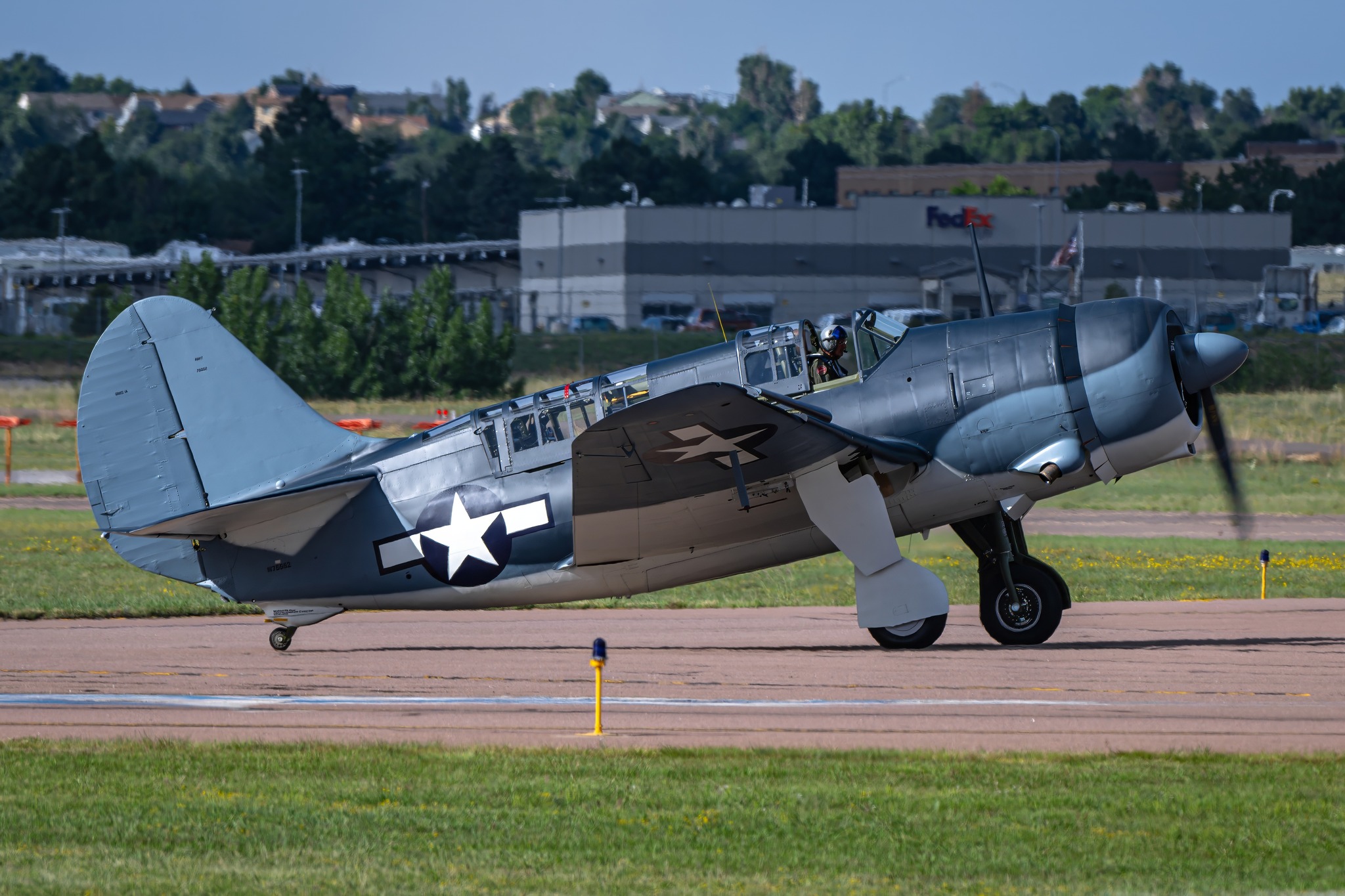
On July 19, the National Museum of World War II Aviation in Colorado Springs hosted the first official public event showcasing their recently restored Curtiss SB2C Helldiver, BuNo 75552—a rare World War II dive bomber that flew again after 45 years on the ground. Originally ordered by the U.S. Army Air Forces as an A-25A Shrike (serial number 42-80387), BuNo 75552 was transferred to the U.S. Navy and brought into service in 1944. After a short operational life, the aircraft was stricken from the Navy’s roster on January 31, 1945, and subsequently dumped into Lake Washington near Seattle. The exact date and details of its sinking remain uncertain, but this was a common method of disposing surplus aircraft after the war.
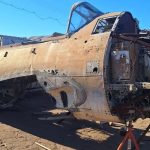
The Helldiver remained submerged for decades until two determined teenagers, Matt McCauley and Jeff Hummel, recovered it from the lakebed. Their efforts sparked a lengthy legal battle with the U.S. Navy, which they ultimately won. That victory set the stage for the aircraft’s eventual restoration.
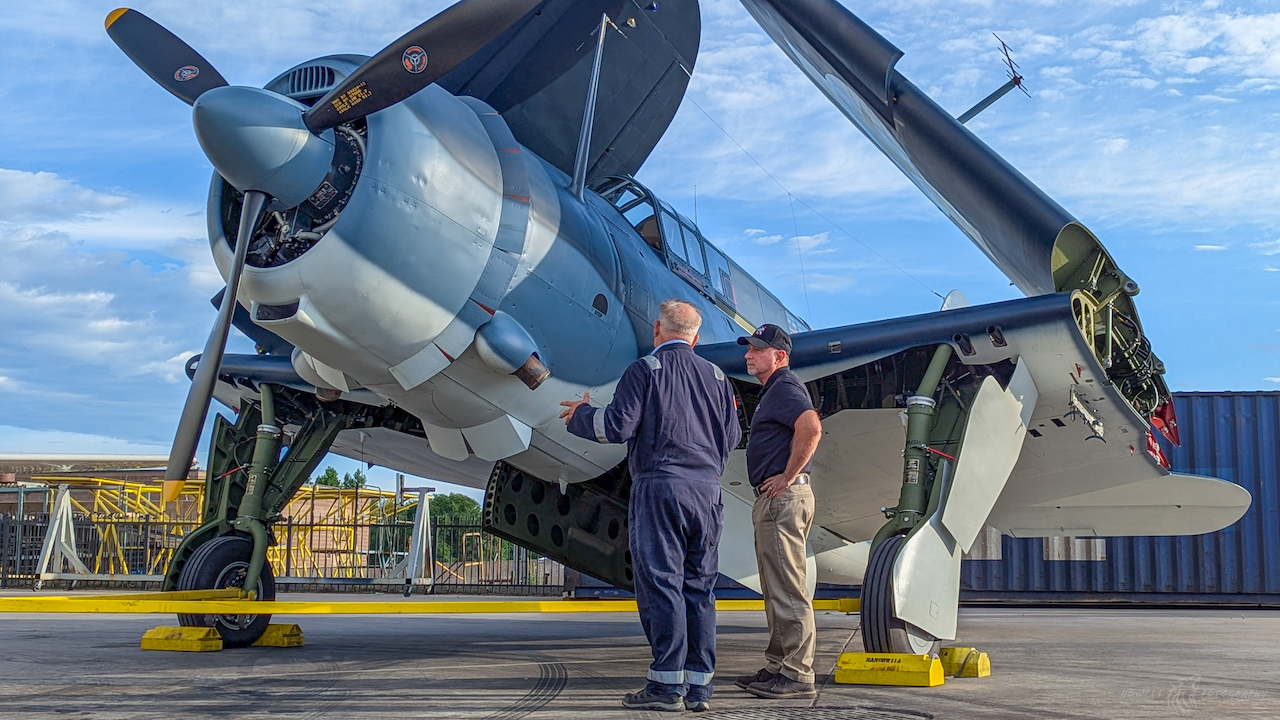
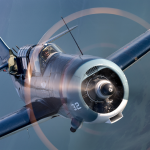
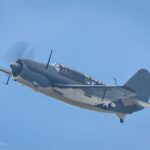
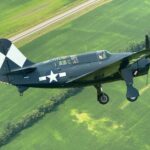
The aircraft was meticulously restored initially by Chuck Wahl’s Voltures Row Aviation and finished by WestPac Restorations in Colorado Springs, under the ownership of Jim Slattery, and is now operated by the National Museum of World War II Aviation. On August 8, 2023, it returned to the skies for the first time in 45 years, piloted by Charles “Tuna” Hainline from the Colorado Springs Airport, click HERE to read our article.
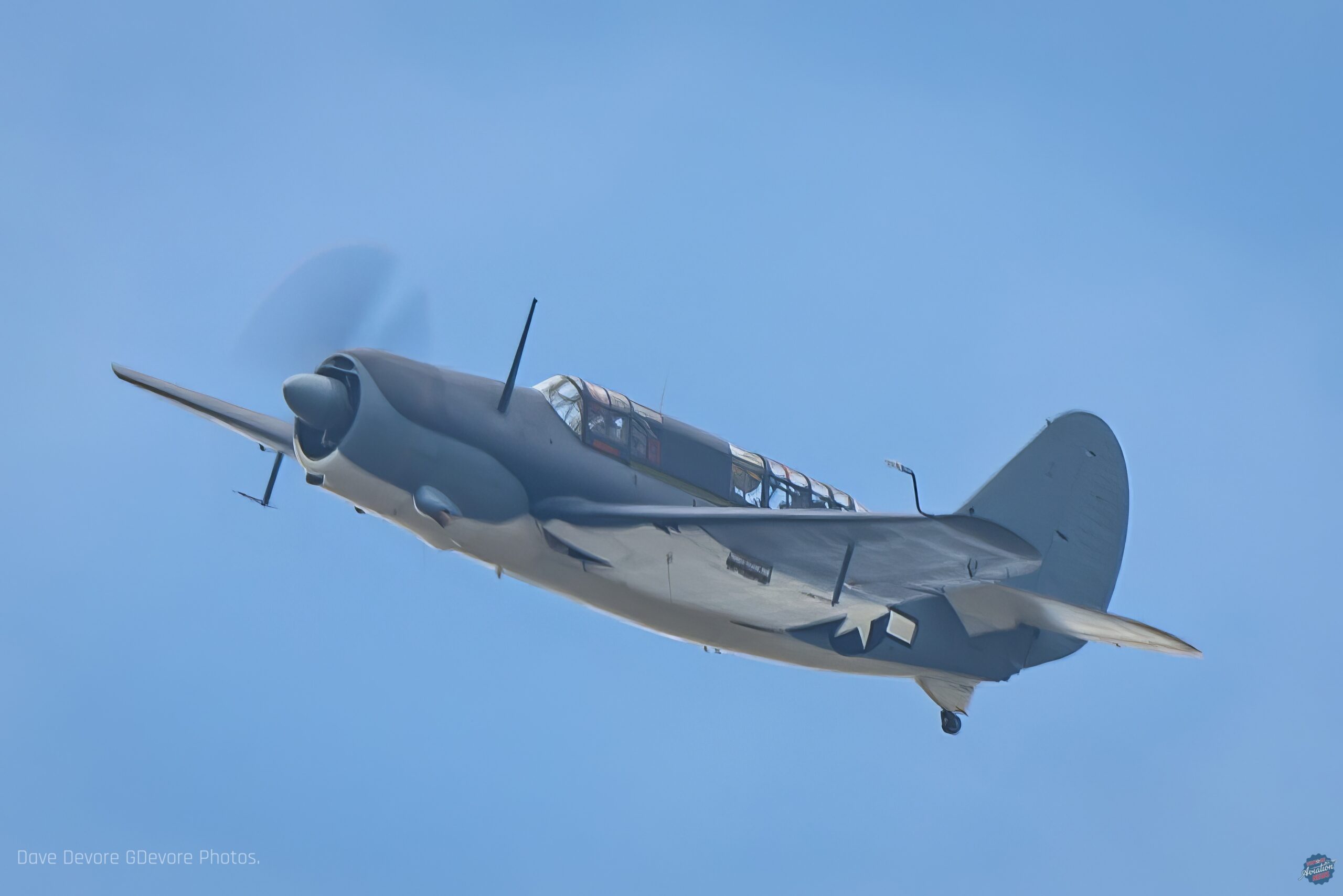
At the July 19th event, titled “From Zero to Hero,” visitors witnessed this historic aircraft fly once again and learned about its fascinating past. Lead docent Don Johnson presented the story of the Helldiver’s troubled early development and eventual success in the Pacific Theater. Initially plagued by design flaws, the SB2C required significant refinements before it became an effective dive bomber capable of striking Japanese ships and shore targets. Over time, it proved its worth in combat, although it never fully shook its early negative reputation—hence its crew nickname, “The Beast.”
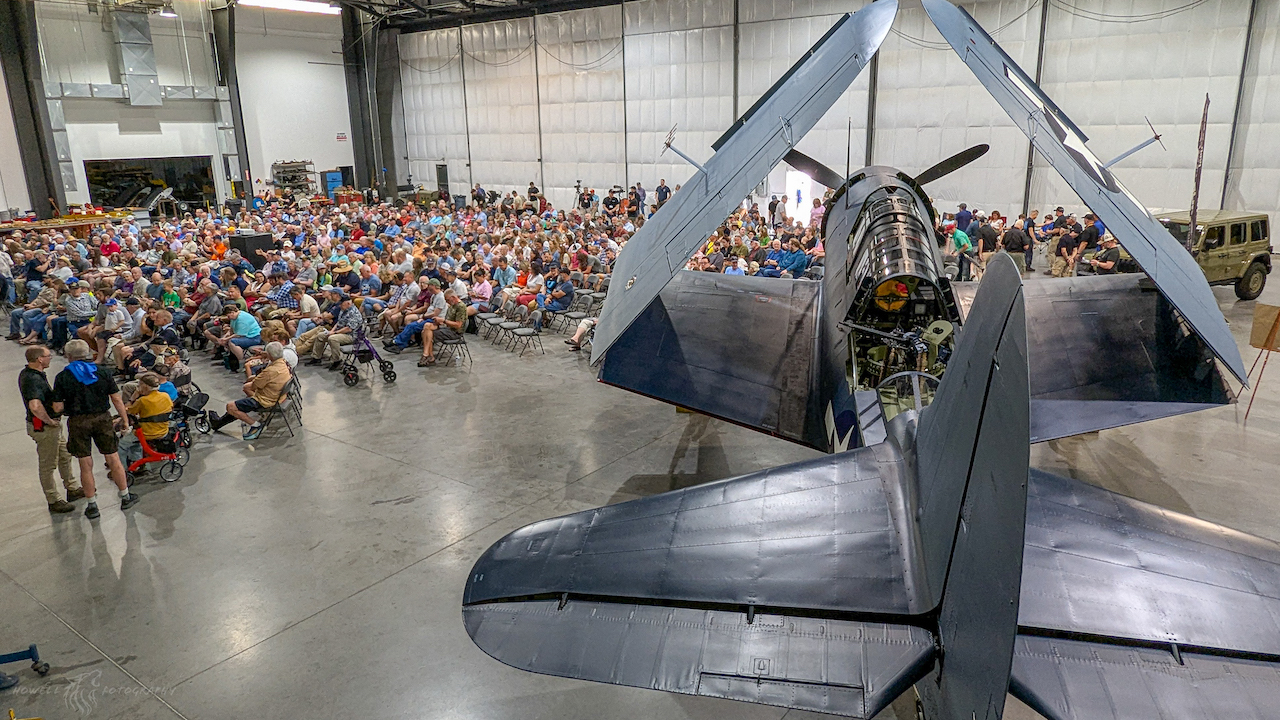
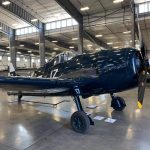
Painted in the distinctive tri-color camouflage scheme used by U.S. Navy aircraft starting in 1943, the Helldiver now stands as a tribute to perseverance, innovation, and historical preservation. The aircraft’s paint was supplied by Consolidated Aircraft Coatings, faithfully replicating its wartime appearance.
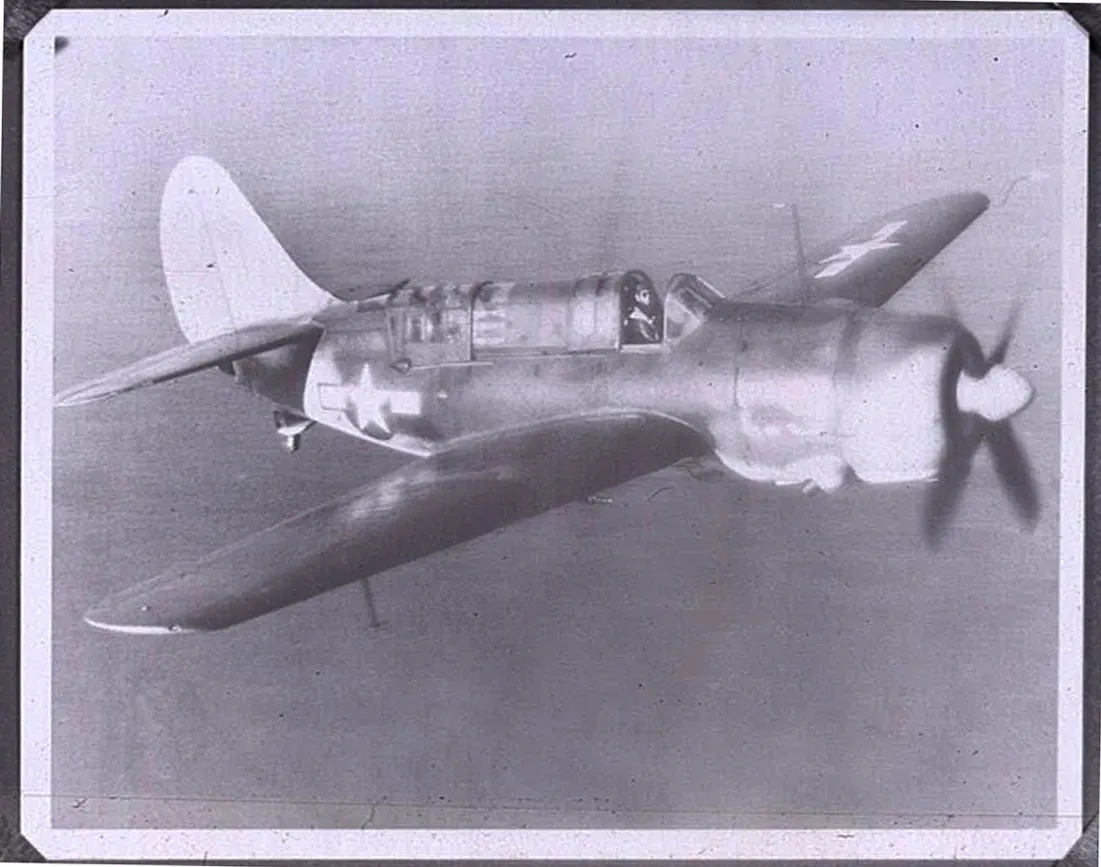
Today, only three airworthy Helldivers remain in the world. The museum’s example is not just a piece of aviation history—it’s a symbol of what can be achieved through passion, dedication, and respect for the past. The return of BuNo 75552 to the skies marked not just the recovery of an aircraft, but the revival of a story nearly lost to time. For more information about the National Museum of World War II Aviation in Colorado Springs, visit www.worldwariiaviation.org.
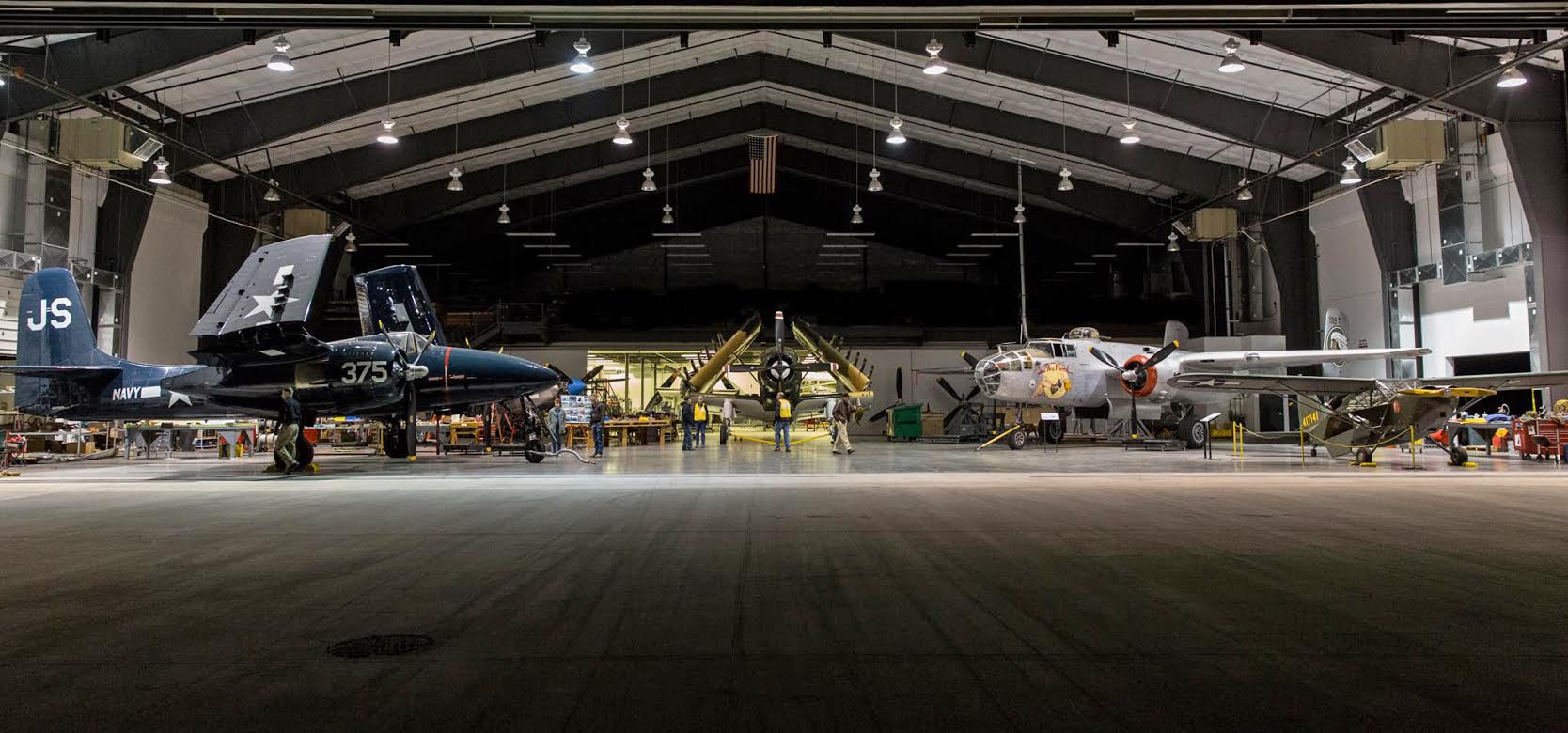













It’s (SO GOOD), to see these old “WAR BIRDS”, take to the skies again, and (DO) what they were (MADE) to do, (FLY) !! :-)) . They (MADE) history, and (DESERVE) their place, (IN) history !!