
(Image credit: VAN)
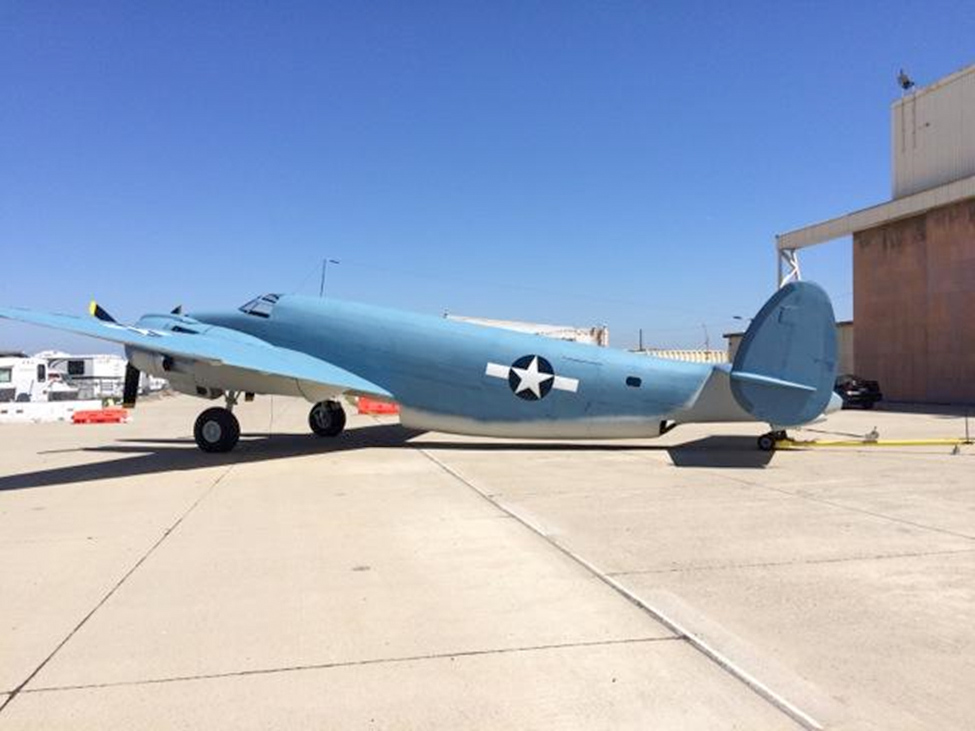
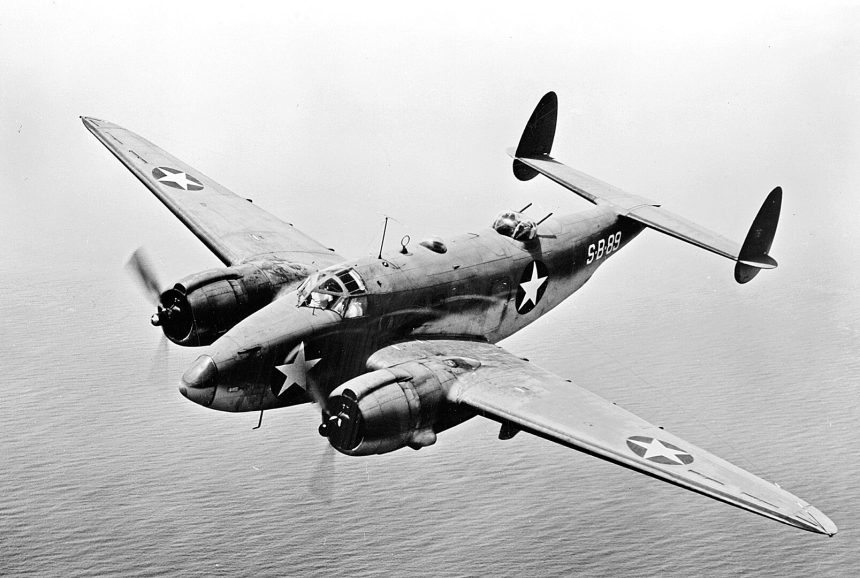
On this day in aviation history, July 31, 1941, the Lockheed PV-1 Ventura took to the skies for its maiden flight. A twin-engine medium bomber, the Ventura was developed during the early years of World War II for patrol bombing missions. Based on the Lockheed Model 18 Lodestar, the Ventura first entered combat service with the Royal Air Force (RAF) in late 1942.
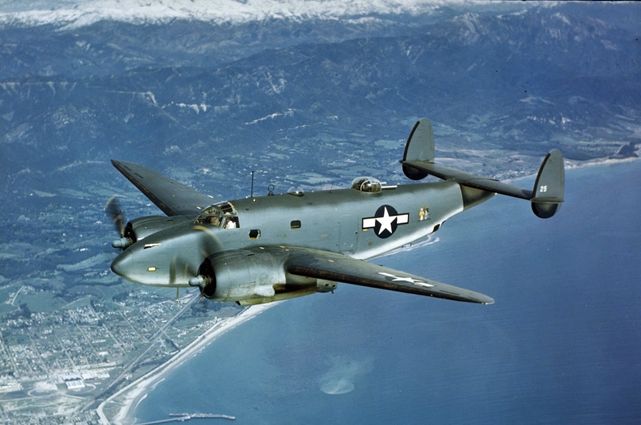
Following the United States’ entry into the war, the U.S. Navy adopted the Ventura under the designation PV-1. The U.S. Army Air Forces also operated the aircraft in limited numbers, designating it as the B-34 Lexington and B-37 (the latter being a trainer variant). In RAF service, the Ventura was intended to replace the Lockheed Hudson. However, its performance as a bomber was limited, and it was soon reassigned to patrol duties under RAF Coastal Command.

In response to the operational limitations of the PV-1, Lockheed developed an improved variant—the PV-2 Harpoon. First flown in December 1943, the PV-2 featured several enhancements, including a 30% increase in bomb load capacity, upgraded standard armament (machine guns and rockets), improved takeoff performance, and extended range. Though early versions of the Harpoon encountered wing design issues, these were eventually corrected, and the PV-2 went on to become a reliable and well-liked aircraft among pilots during the war.
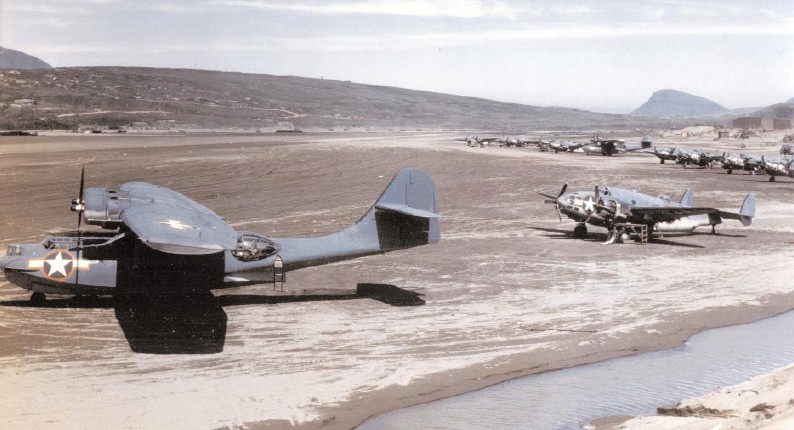
The B-34 Lexington variant was powered by two 2,000-horsepower Pratt & Whitney R-2800 radial engines and could reach a top speed of 322 mph. It had a range of 1,440 nautical miles and a service ceiling of 26,300 feet. The Lexington was armed with four .50-caliber Browning M2 machine guns, two .30-caliber M1919 Brownings, and carried up to 3,000 pounds of bombs—configurable for six 325-pound depth charges or a single torpedo.
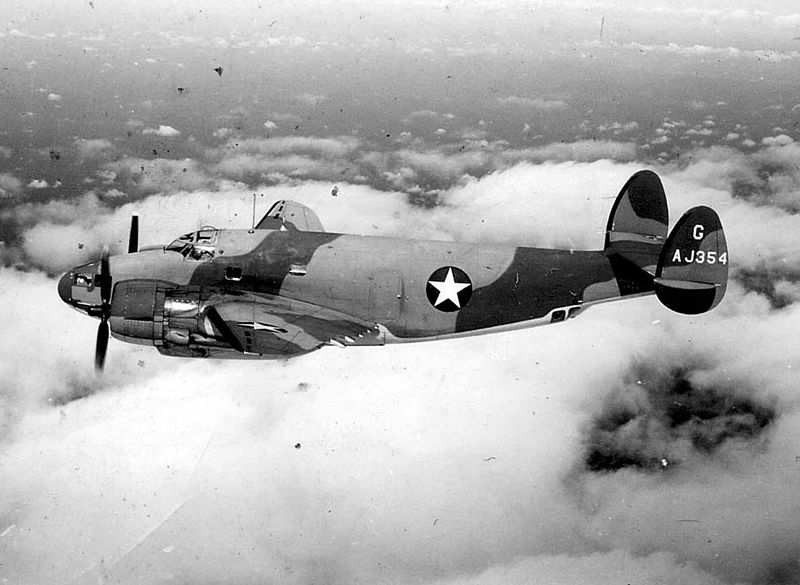
Today, a handful of PV-1s and PV-2s survive, mostly in the United States. Thirteen PV-2s remain airworthy, though not all are flown regularly. Whether in flight or preserved as static displays, the Lockheed Ventura series stands as a testament to American wartime innovation and remains a significant contributor to the Allied victory in World War II.