

(Image credit: VAN)
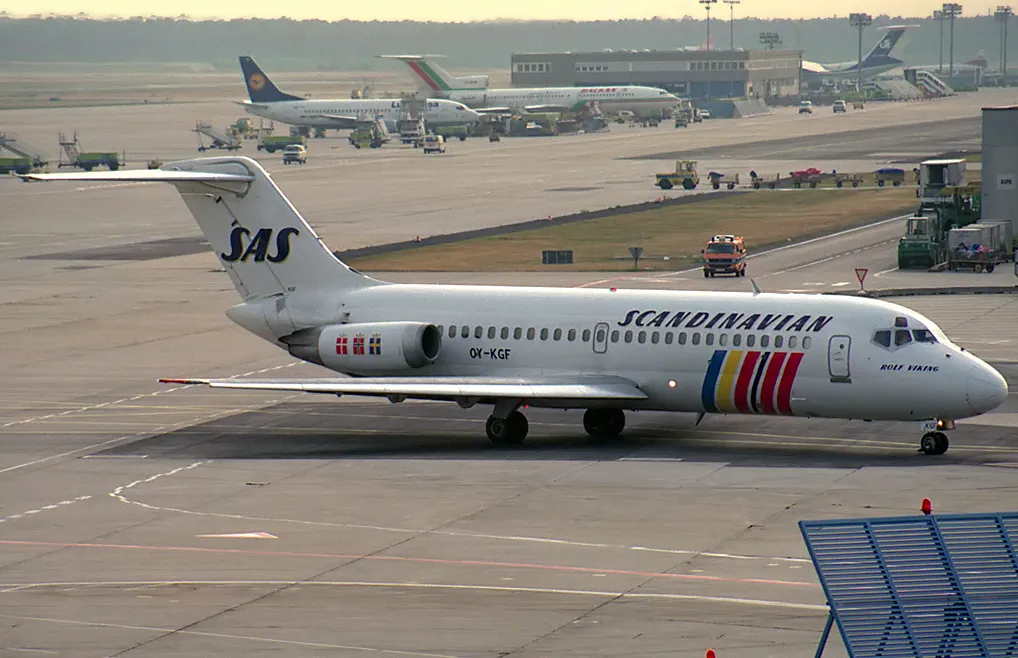
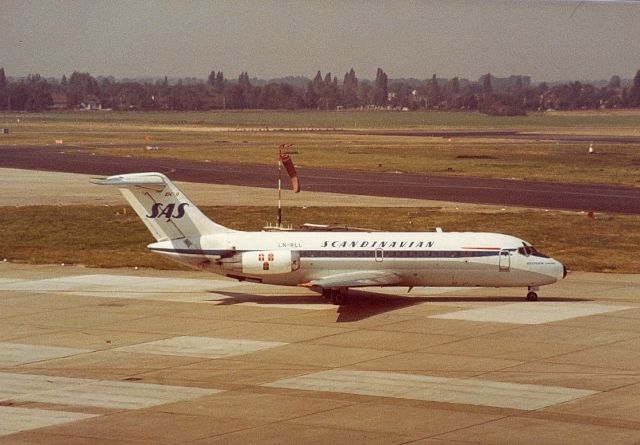
On this day in aviation history, 57 years ago—September 18, 1968—the McDonnell Douglas DC-9-20 took to the skies for the first time, marking a significant milestone in the evolution of short- and medium-haul jet travel. The DC-9 was conceived in the late 1950s as Douglas Aircraft sought to complement the success of its DC-8 long-range jetliner with a smaller aircraft optimized for shorter routes. Design studies began in 1958, with the project officially approved on April 8, 1963. The DC-9 earned its type certificate on November 23, 1965, and entered service just weeks later on December 8 with Delta Air Lines.
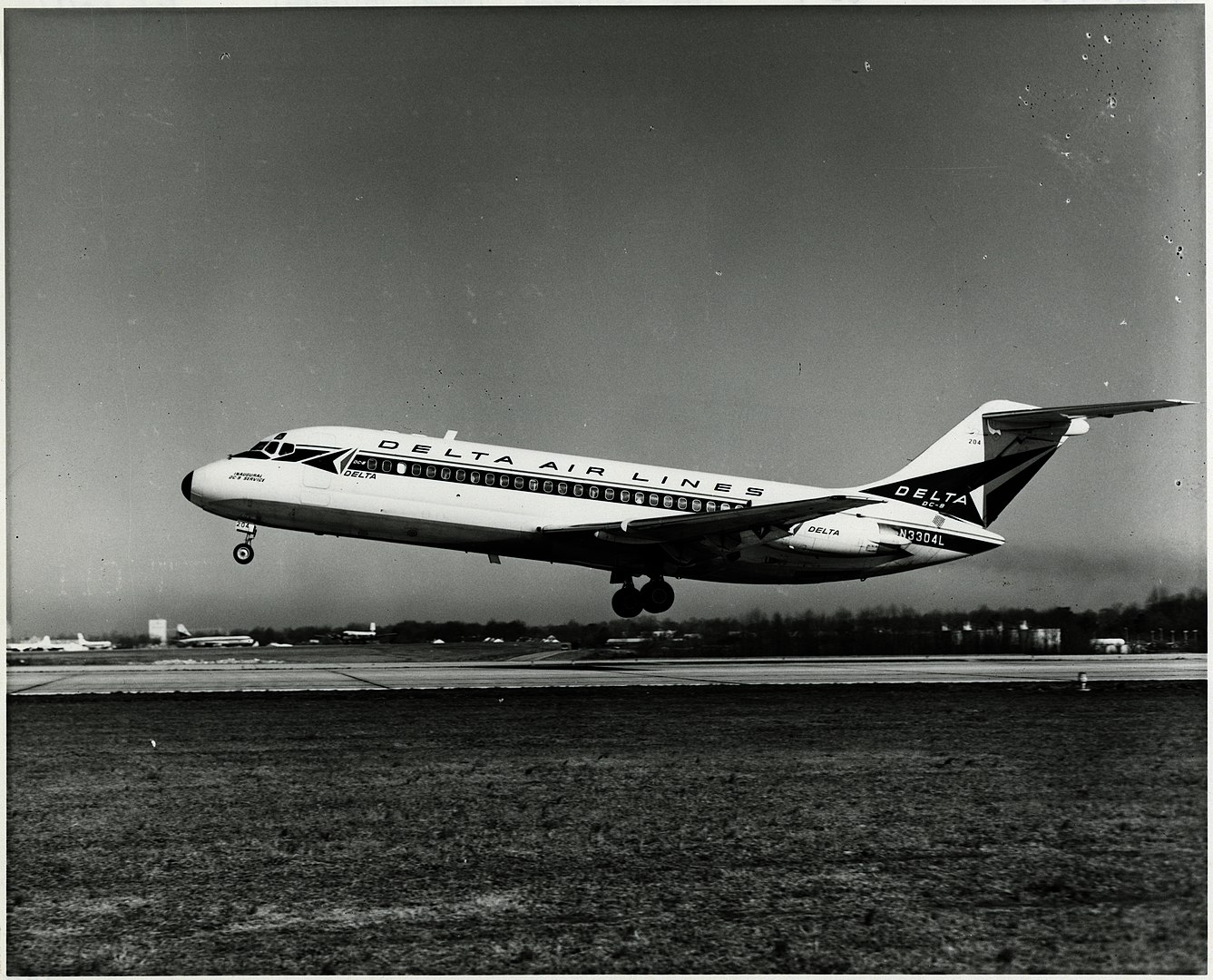
The DC-9-20, like other members of the DC-9 family, featured two tail-mounted Pratt & Whitney JT8D turbofan engines producing between 12,250 and 16,000 pounds of thrust. Operated by a two-person cockpit crew, the aircraft could carry up to 125 passengers. It cruised at Mach 0.84 (approximately 557 mph), with a range of 1,200 nautical miles and a service ceiling of 35,000 feet—capabilities that made it ideal for high-frequency regional and domestic flights.
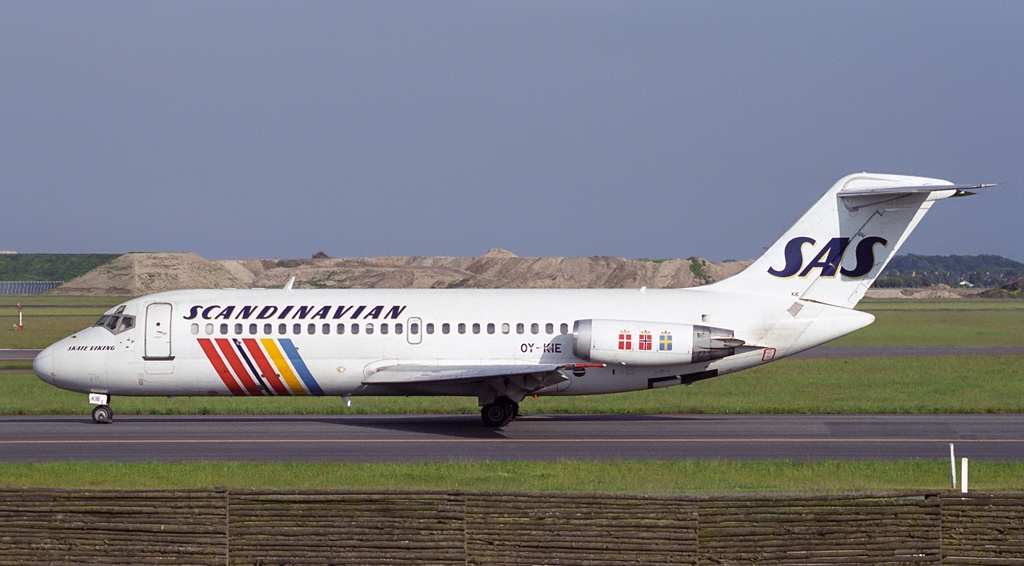
Throughout its airline career, the DC-9 became a backbone of the fleets of Delta Air Lines and Northwest Airlines, among others. Even today, its rugged airframes continue to serve in cargo operations. Aeronaves TSM and Everts Air Cargo still operate several DC-9s, while African Express Airways flies two examples for passenger service. Remarkably, about 30 DC-9s remain in active use worldwide.
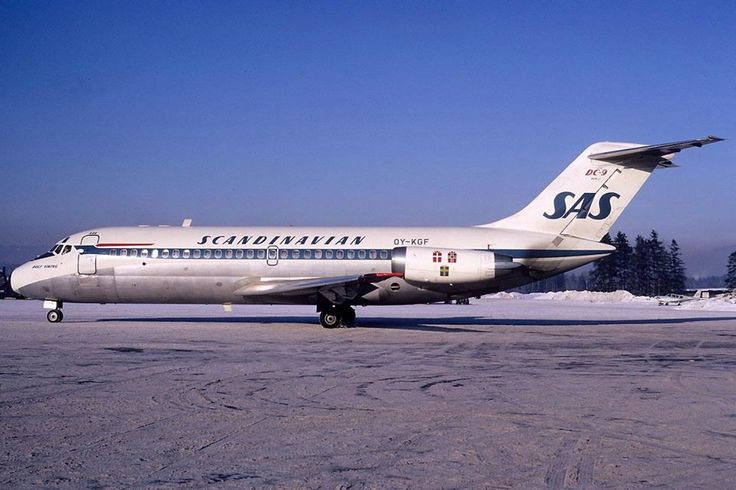
Between 1965 and 1982, McDonnell Douglas produced 976 DC-9s across several variants. The aircraft’s success paved the way for the development of the MD-80 and MD-90 series, which later evolved into the Boeing 717—a type still flown by Delta Air Lines today. The DC-9’s enduring reputation for reliability, efficiency, and stable handling qualities has secured its place as one of the most important regional jetliners in aviation history. Its legacy lives on not just in the skies, but in the generations of aircraft it inspired.