
(Image credit: VAN)
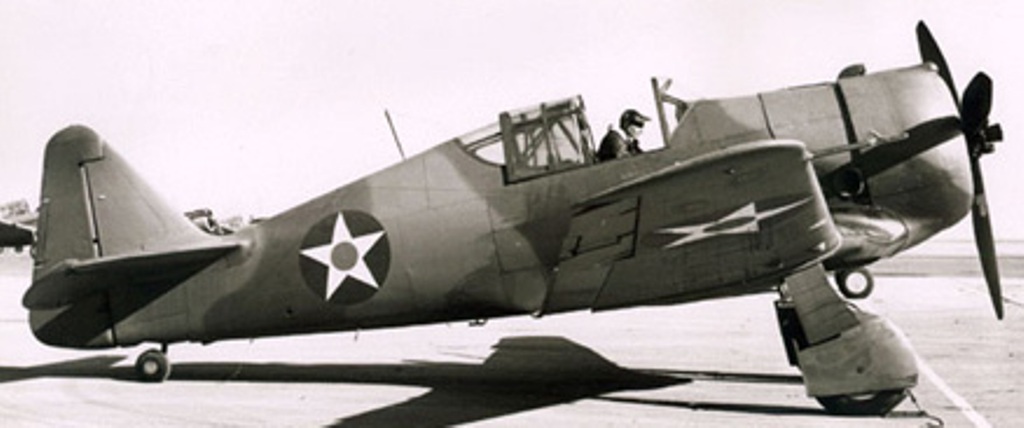
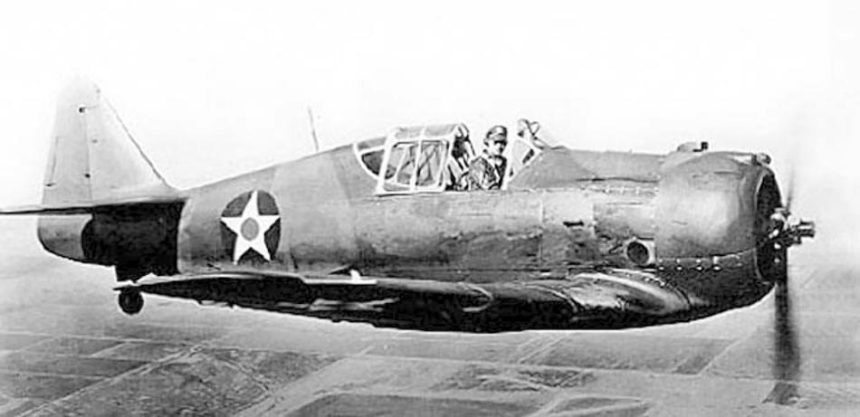
On September 1, 1940—85 years ago today—the North American P-64 took to the skies for the first time, piloted by company test pilot Lewis Waite. Originally known as the NA-68, this single-engine fighter was an evolution of the NA-50, a late-1930s design flown by the Peruvian Air Force and nicknamed “Torito” (“Little Bull”).
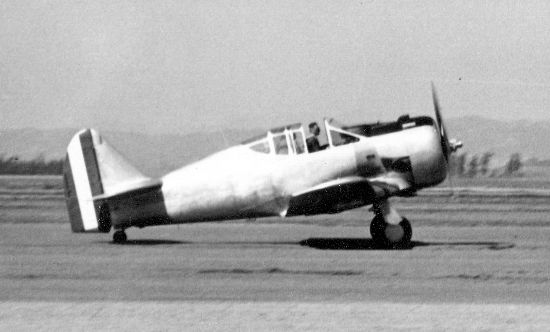
In 1940, the Royal Thai Air Force ordered six aircraft based on the NA-50, but with several key improvements. Designated NA-68 by North American, these fighters featured redesigned tail surfaces, strengthened landing gear, revised outer wings, and more powerful armament. However, while the aircraft were en route to Thailand, the U.S. government canceled their export clearance. The six fighters were returned to the United States, re-designated as P-64s, disarmed, and reassigned as advanced fighter trainers.
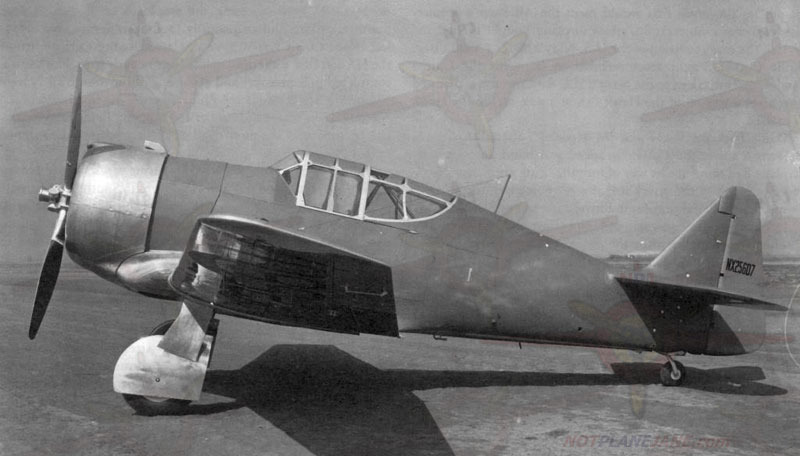
The P-64 was powered by an 870-horsepower Wright R-1820-77 nine-cylinder radial engine, giving it a top speed of 270 mph, a cruising speed of 255 mph, and a service ceiling of 27,500 feet. Its range extended to 550 nautical miles. Designed as a combat aircraft, it carried two .30-caliber machine guns, two 20 mm cannons mounted in underwing pods, and up to 750 pounds of bombs. A total of 13 NA-68s were built, though only two members of the P-64/NA-50 family survive today. The sole surviving NA-50, serial XXI-41-4 (c/n 50-951), is under restoration at Las Palmas Air Base in Lima, Peru, with plans to return it to flying condition. Meanwhile, NA-68A 41-19085 (c/n 68-3061)—one of the six Thai-bound aircraft—resides at the EAA Aviation Museum in Oshkosh, Wisconsin. After restoration from static display status in 2013, it successfully returned to flight in 2016.