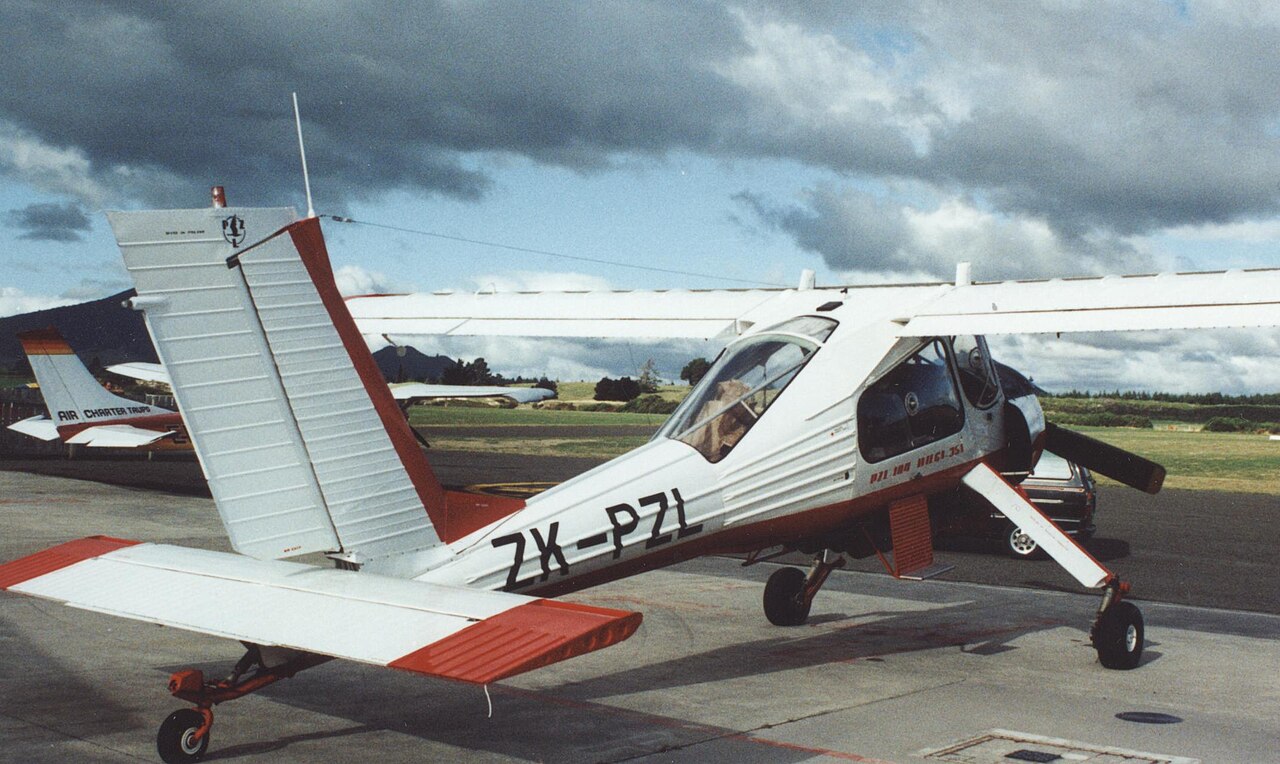



On this day in aviation history, 64 years ago (April 24, 1962), the first flight of the PZL-104 Wilga took place. Polish for Golden Oriole, the Wilga is a civilian short-takeoff-and-landing (STOL) utility aircraft originally designed and built by PZL Warszawa-Okęcie. European Aeronautic Defence and Space Company (EADS) acquired PZL in 2001 and continued production of the aircraft until 2006. The Wilga entered service in 1963, a year after its first flight. Since then, the aircraft has evolved and been produced in many variants.

The PZL-104 was initially designed to be a rugged airframe for use in sport and civil aviation. PZL set their sights on the glider-towing and parachuting industries, developing the Wilga to withstand the stresses of these aero sports. The first variant of the aircraft, the Wilga Mark 1, was powered by a 220-horsepower PZL WN-6RB horizontally-opposed engine. The Mark 1 was found to be overweight and also to have poor blind spots for the pilot. A redevelopment of the aircraft was begun. A slimmer, stronger fuselage was designed for the Wilga, while the wings of the Mark 1 were retained. The aircraft’s side doors were also improved for easier parachute dropping operations. The revised PZL-104 Wilga Mark 2 first took flight on August 1, 1963. More improvements were made, and the Wilga Mark C and Mark 3 production variants were born. The Mark 3 was paired with a 260-horsepower Ivchenko AI-14R 9-cylinder radial engine. From this point on, the Wilga would see many more improvements and modifications until the aircraft’s production ceased in 2006.
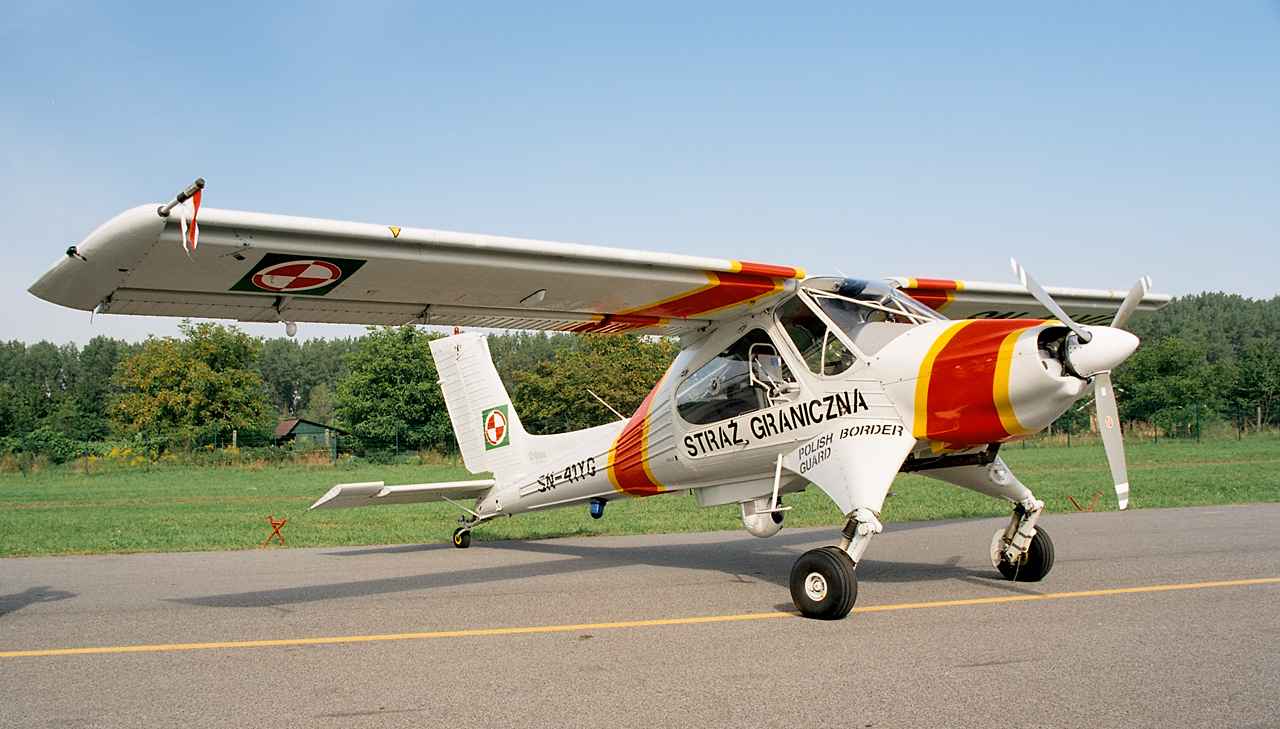
The Wilga has proven a popular choice of aircraft in civil aviation circles. Wilgas have handled aerial touring, observation, glider towing, parachute ops, and bush flying. PZL’s STOL aircraft also proved useful with various militaries around the world, serving in the liaison and recovery roles. Over 1,000 Wilgas were manufactured by PZL and EADS between 1962 and 2006. The Wilga 35A variant could seat 4 and attain a maximum airspeed of 121 mph. The 35A had a range of 361 nautical miles, a service ceiling of 13,250 feet, and a 1,082 feet per minute rate of climb.