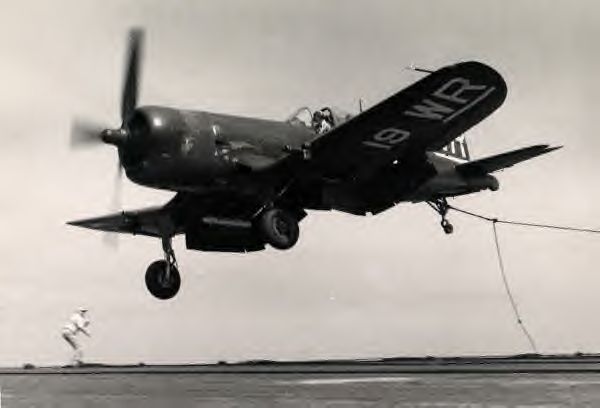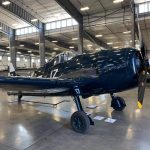
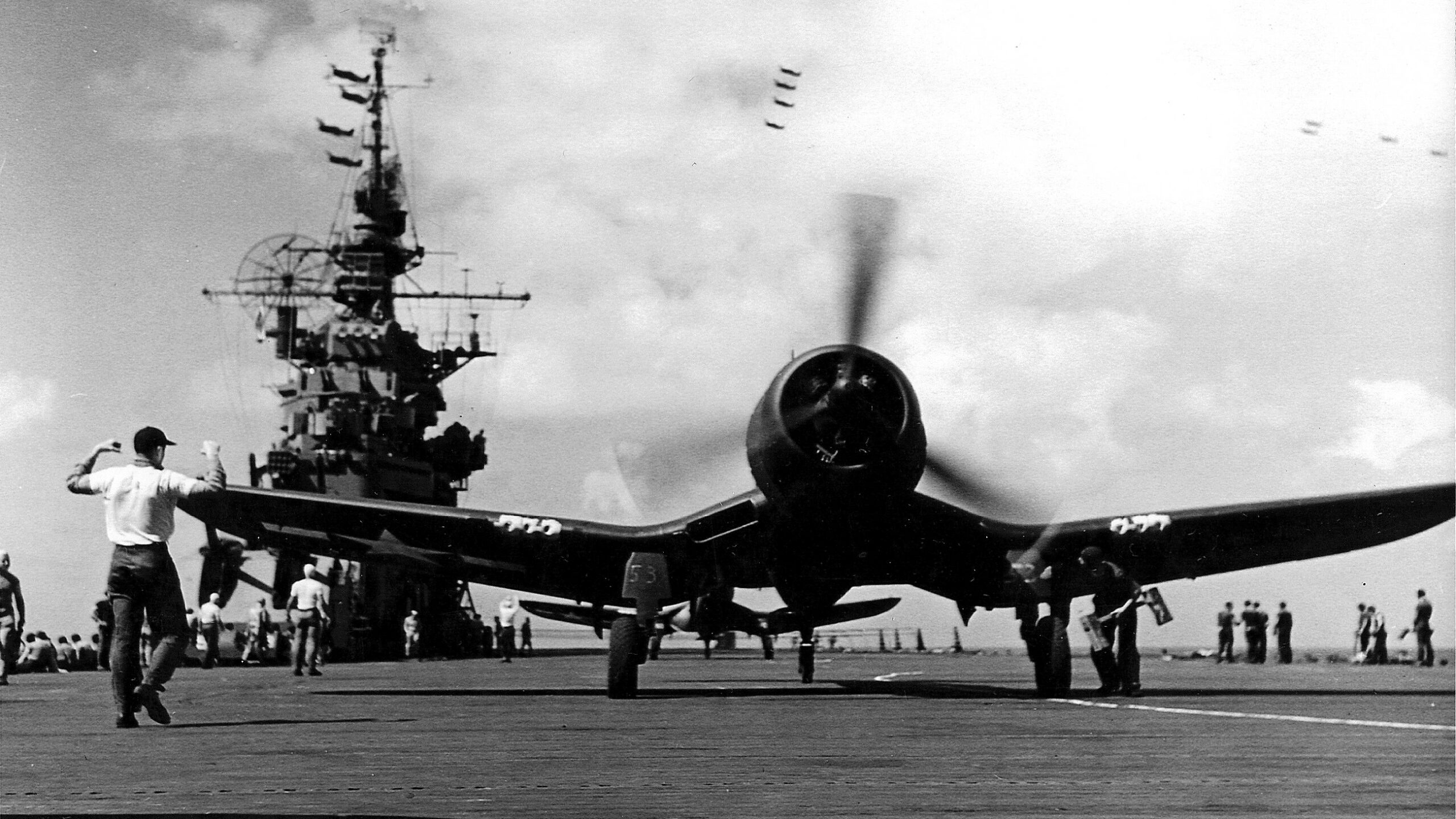

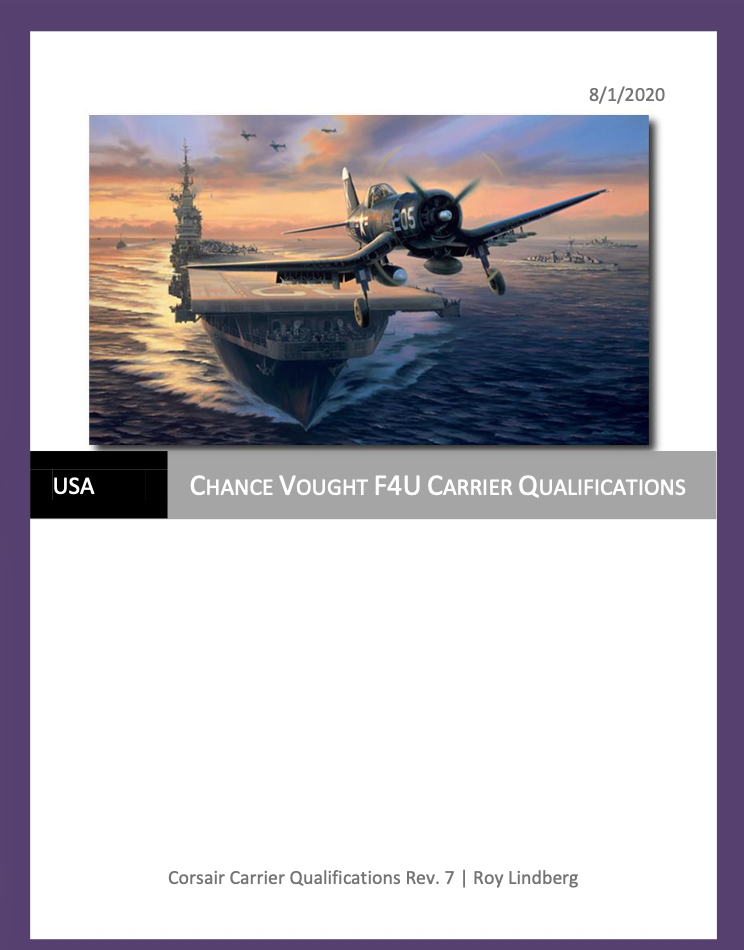
In August 2020, researcher and mechanical engineer Roy Lindberg published a detailed study titled Chance Vought F4U Carrier Qualifications, aimed at clarifying one of the most persistent controversies in naval aviation history: why the F4U Corsair—one of the most capable fighters of World War II—was initially withheld from widespread U.S. Navy carrier operations. Lindberg brings a unique perspective to the subject. A former contributor to the Niagara Aerospace Museum, he has authored multiple historical works on aviation topics, including studies on Bell Aircraft and a biography of X-1 test pilot “Slick” Goodlin. His background as a mechanical engineer, combined with hands-on museum work and archival research, shaped his methodical and source-driven approach to the Corsair analysis.
The origins of this particular study were informal but purposeful. As Lindberg explains, the document grew out of discussions with fellow aviation enthusiasts about the Corsair’s carrier landing reputation. Rather than continue what he described as the often repetitive and inaccurate debates found online—especially on platforms like Facebook—he set out to create a thoroughly sourced reference that would “point people to the facts” and allow readers to trace every claim back to its origin through footnotes and documented sources. At its core, the analysis seeks to answer two key questions: when was the Corsair truly approved for carrier combat operations, and why was that approval delayed? In doing so, Lindberg also addresses a broader issue—how conflicting accounts, repeated misconceptions, and selective interpretations have shaped the aircraft’s historical narrative.
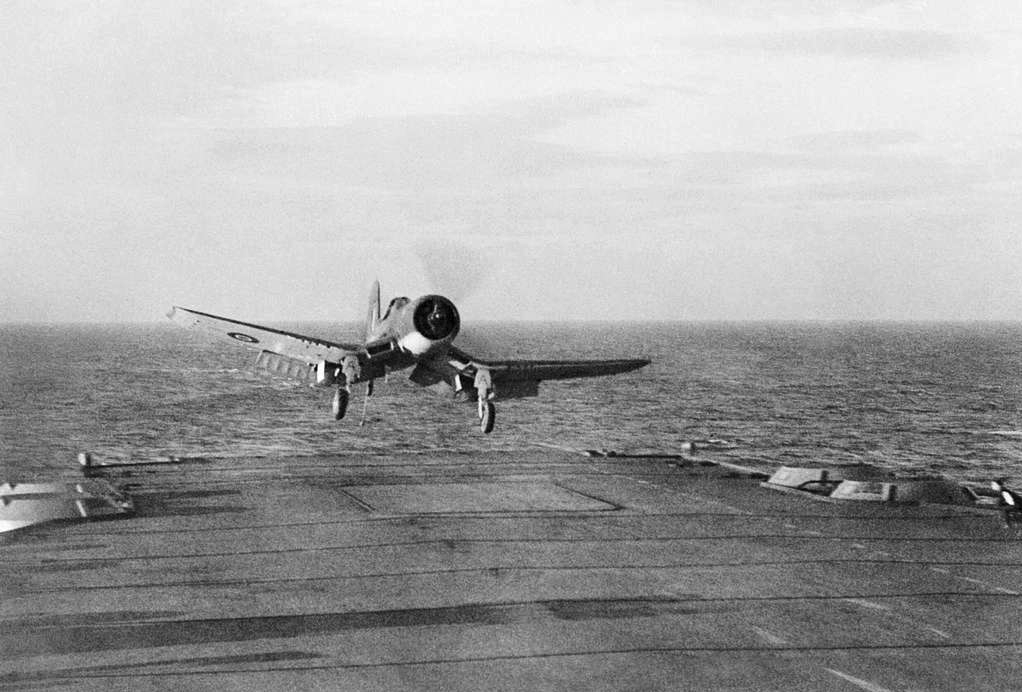
As highlighted early in the document, the history of the Corsair’s carrier qualifications is filled with contradictions. Some sources claim the aircraft had already been fully “deck qualified” and accepted early in the war, while others attribute its delayed deployment primarily to logistical concerns. Lindberg challenges these interpretations, pointing out that only a limited number of Navy squadrons were actually deck-qualified prior to 1944, and that serious landing issues—particularly the aircraft’s tendency to bounce and its poor forward visibility—played a far more significant role than often acknowledged.
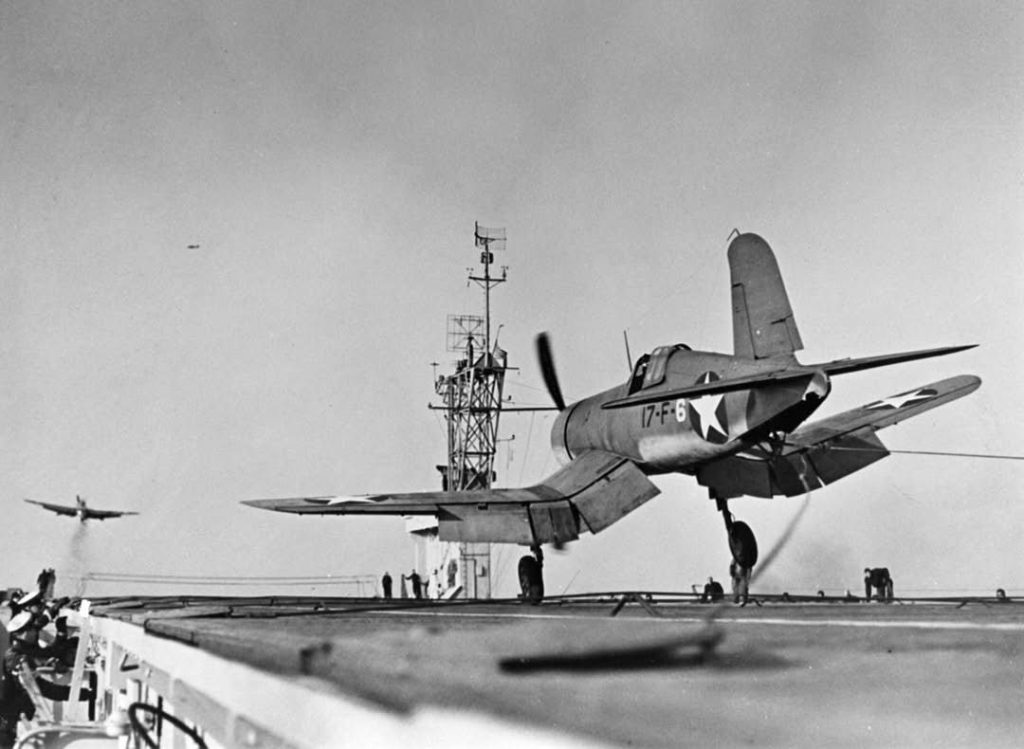
He also highlights how misinformation has persisted over time, from misunderstandings about British carrier operations to overstated claims about early fixes to the Corsair’s handling problems. These conflicting narratives, he argues, have obscured the more complex reality: that the aircraft’s early shortcomings were real, well-documented, and only resolved through focused engineering efforts and operational testing. By grounding his work in primary sources and technical analysis, Lindberg’s study offers a clearer and more balanced understanding of how the Corsair evolved—from a difficult and sometimes dangerous carrier aircraft into one of the most effective naval fighters of the Second World War. To read Roy Lindberg’s full study, click HERE.