







(Image credit: VAN)
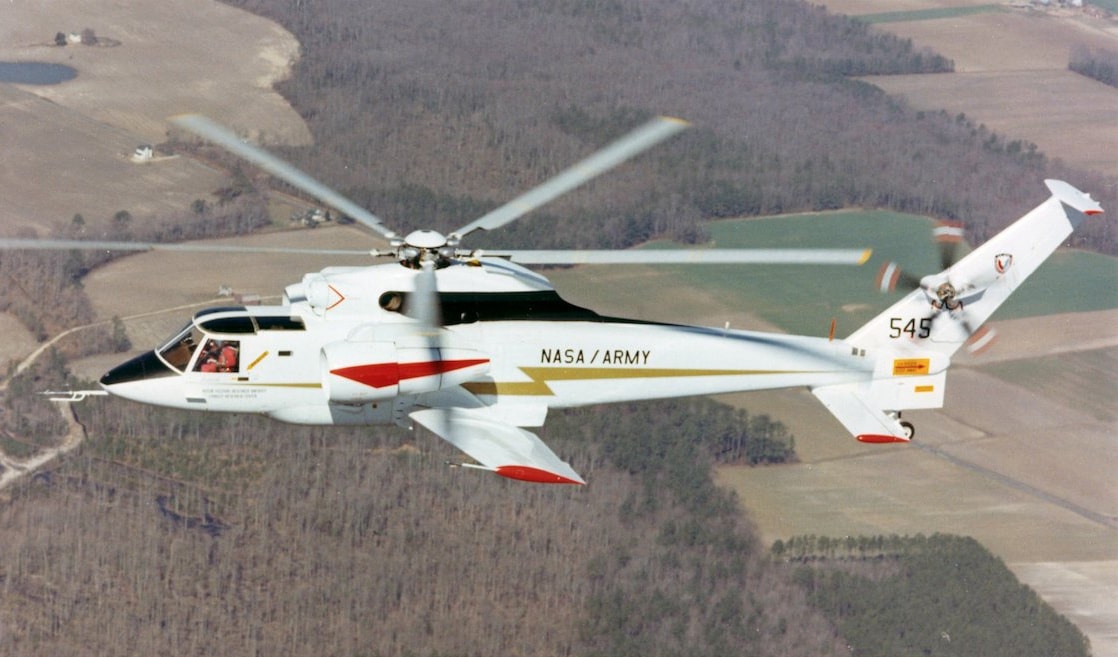
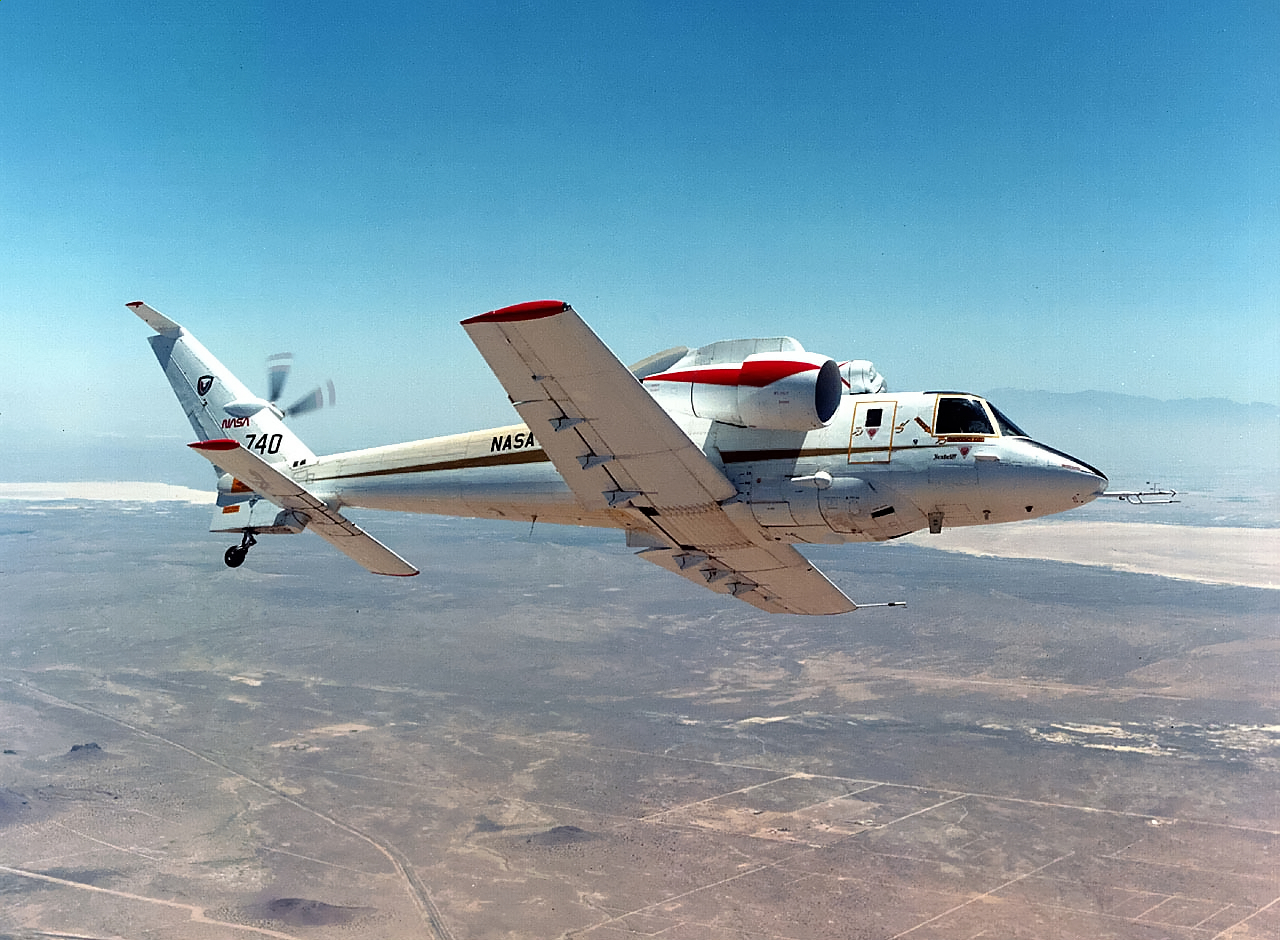
On this day in aviation history, 49 years ago (October 12, 1976), the Sikorsky S-72 took to the skies for the first time. The S-72 was an experimental helicopter developed by Sikorsky as a Rotor Systems Research Aircraft (RSRA) for NASA and the U.S. Army. Designed as a highly versatile test platform, the S-72 was used to study advanced rotor systems, propulsion concepts, and high-speed flight capabilities. Only two examples of the type were ever built.
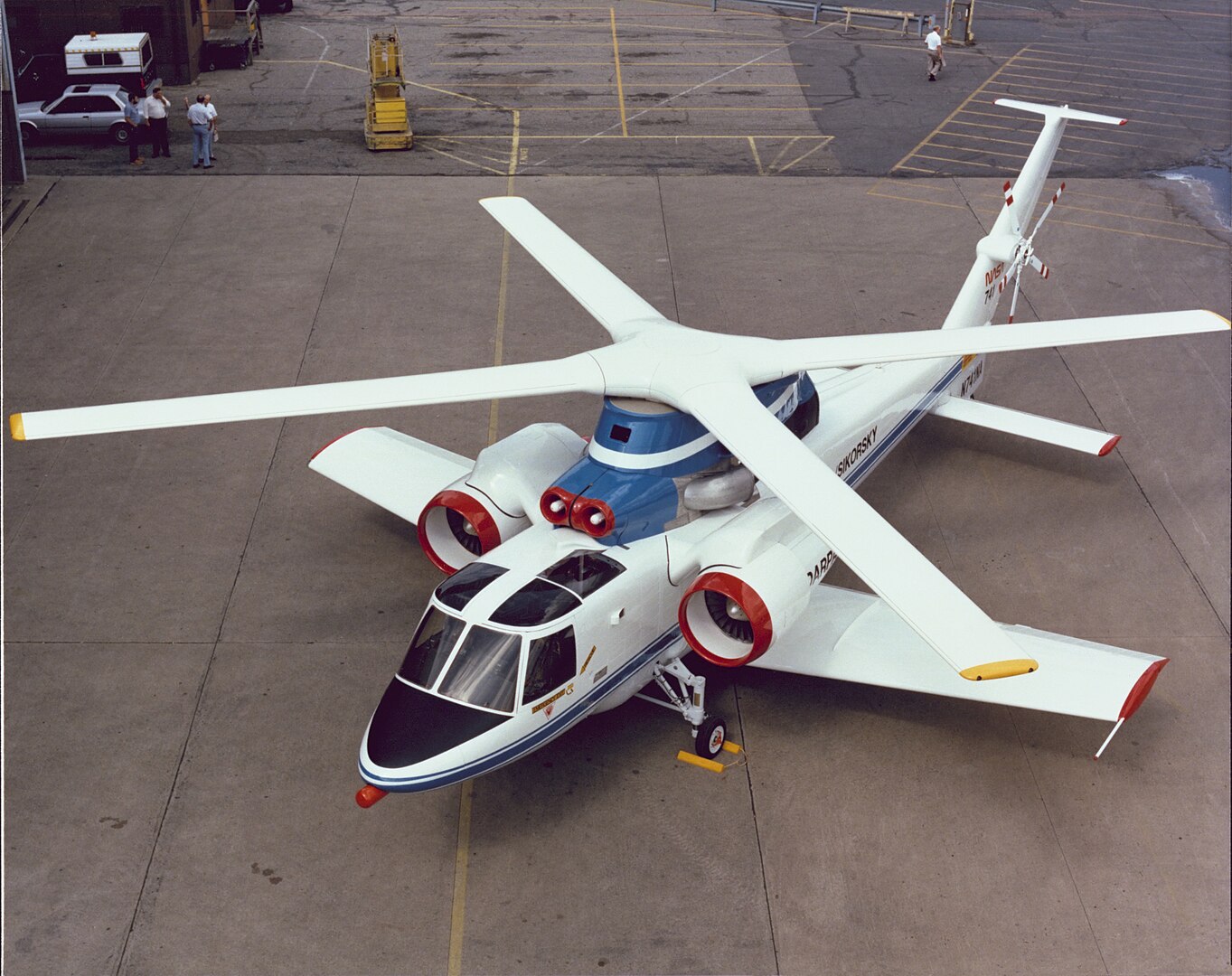
When NASA and the Army issued the RSRA contract proposal, both Sikorsky and Bell Helicopter entered the competition. Bell submitted two designs: the Model 646A, which utilized rotors from the company’s 240 UTTAS (Utility Tactical Transport Aircraft System) project, and the smaller Model 646B, based on the Bell 309 KingCobra. Sikorsky proposed either a completely new aircraft or a modified version of its S-67 Blackhawk prototype. The latter concept, incorporating a gearbox from the Sikorsky S-61, was ultimately selected—leading to the creation of the S-72.
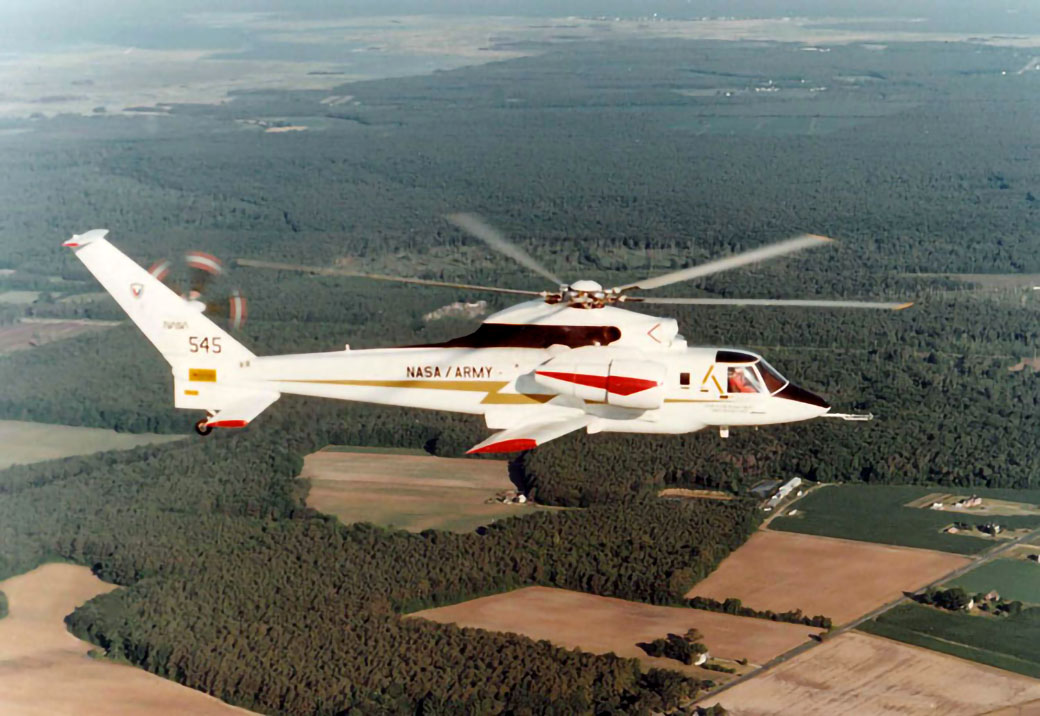
Throughout its career, the S-72 participated in a number of unique and ambitious flight tests. The aircraft could be equipped with fixed wings and two General Electric TF34 turbofan engines mounted beneath them, transforming it into a compound helicopter capable of speeds approaching 350 miles per hour. In this configuration, the S-72 could even fly without its main rotor, effectively functioning as a fixed-wing aircraft. The S-72 also featured an innovative crew emergency extraction system. Instead of traditional ejection seats, explosive bolts would jettison the rotor hub and roof panels, after which small rockets would propel the crew to safety—an extraordinary safety feature for a rotary-wing testbed.
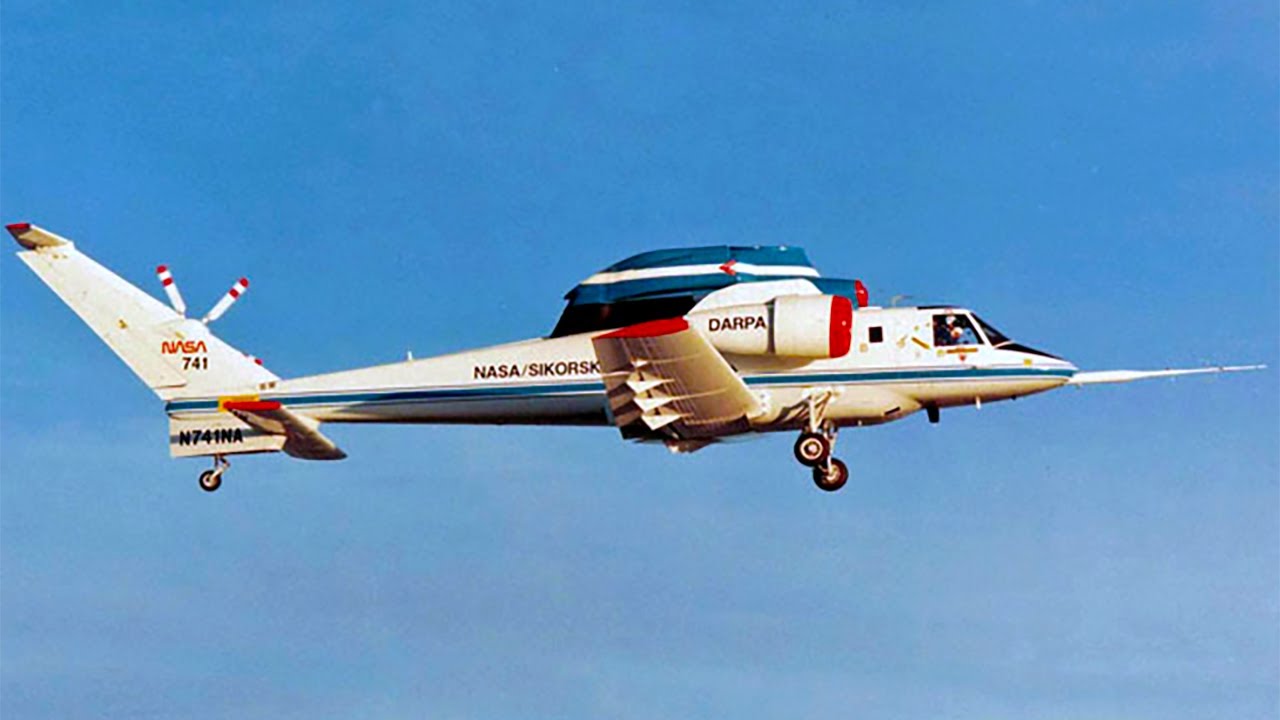
One of the most intriguing projects involving the S-72 was the X-Wing program, which explored a Circulation Control Rotor (CCR) concept. The idea was not to replace helicopters or airplanes, but to combine their advantages—hovering like a helicopter while cruising like a jet. The X-Wing configuration was tested for a variety of potential missions, including air-to-air and air-to-ground combat, early warning, and search and rescue operations. Despite its promise, the program faced significant technical challenges and escalating costs. The X-Wing project—and with it, the S-72’s role as a test platform—was cancelled in 1988. Still, the lessons learned from the S-72 and X-Wing experiments contributed valuable data to the continued evolution of high-speed rotorcraft design.





Was the S-72 sent to a museum?