
(Image credit: VAN)
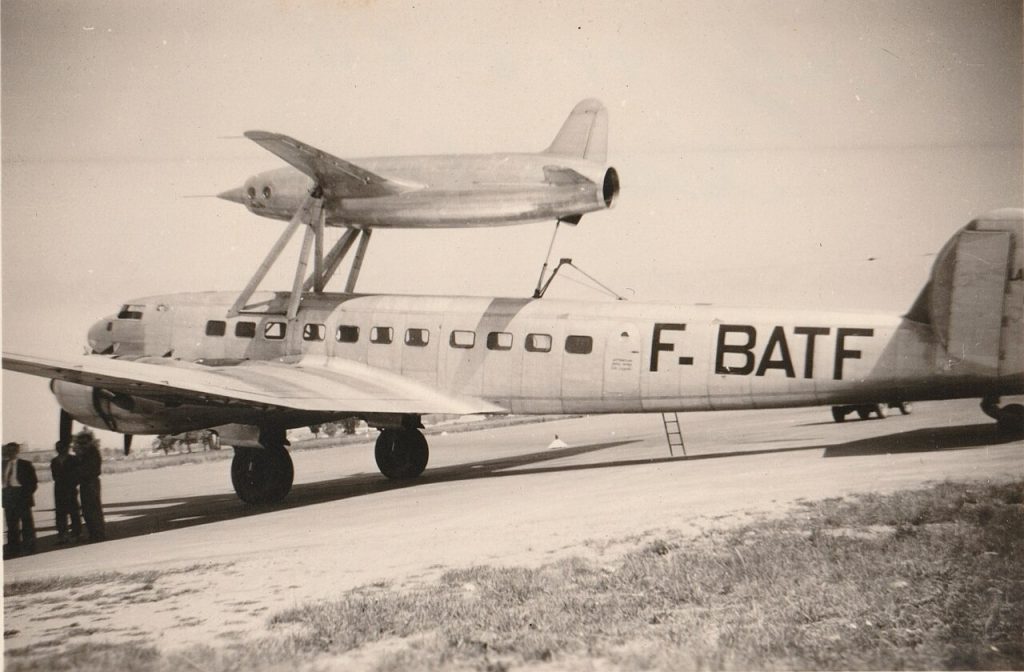
On this day in aviation history, 86 years ago (December 15, 1939), the SNCASE SE.161 Languedoc made its first flight. The SE.161 was a French airliner, powered by four engines, that was initially designed and built by SNCASE. Developed from the Bloch MB.160, the SE.161 was initially known as the Bloch MB.161. After the MB.161 prototype F-ARTV’s successful first test flight, the havoc of World War II caused the aircraft’s development to have some delays.
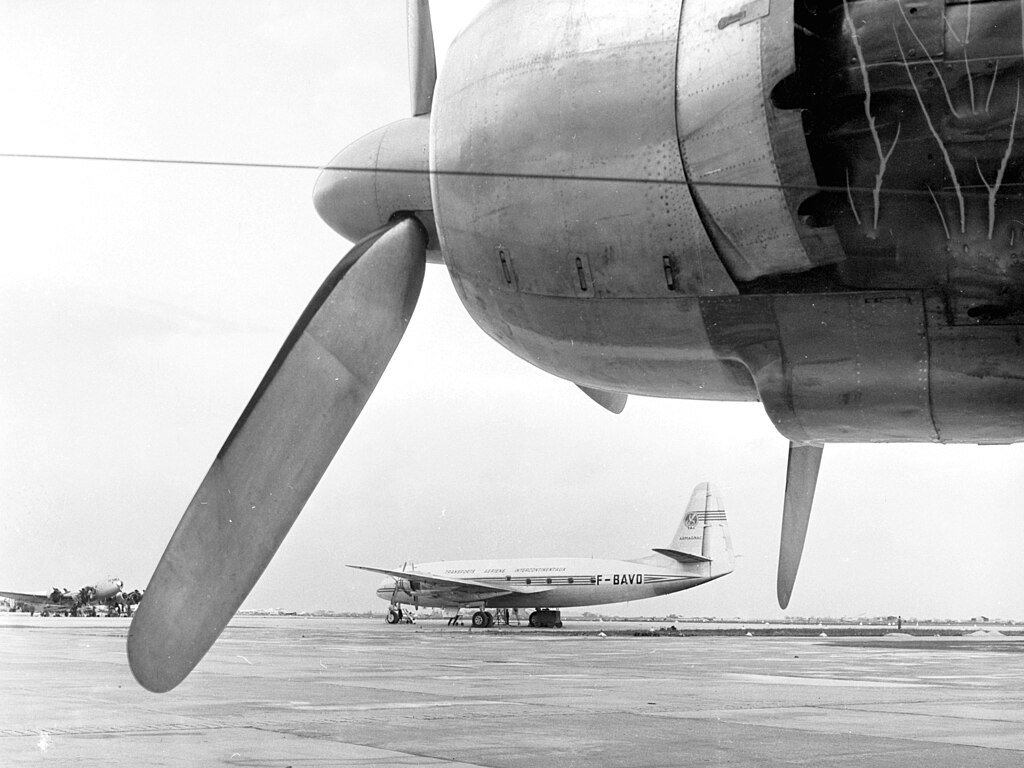
Test flying of the Languedoc did not see completion until January of 1942, 3 years on from the aircraft’s initial flight. In December 1941, the French Vichy government placed an order for 20 MB.161s with none being built at the time. The Allied bombing of the SNCASE factory at Saint-Martin-du-Touch in 1944 caused the project to be abandoned. After the liberation of France, the General De Gaulle-led government allowed production of the aircraft to resume. The Languedoc was redesignated as the SE.161, and the first series production aircraft, registered F-BATA, flew in the summer of 1945.
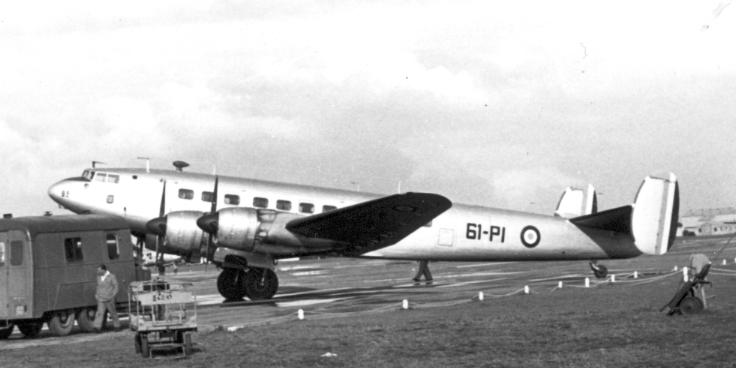
The SNCASE SE.161 Languedoc was an all-metal, four-engined aircraft of a low-wing cantilever monoplane design. The aircraft had a twin-tail/rudder empennage and retractable landing gear (in a conventional configuration). The SE.161 had a crew of 5 and a capacity for 33 passengers. Four 1,150-horsepower Gnome-Rhône 14N 44/45 radial engines powered the SE.161 to a maximum airspeed of 270 mph. Languedocs had a range of 1,700 nautical miles and a service ceiling of 23,600 feet. The French Government, Navy, and Air Force all operated the SE.161, as did Air France commercially. Air Liban, Air Atlas, LOT Polish Airlines, Aviaco, and Tunis Air all flew the Languedoc in an airliner role, as well. A total of 100 SE.161s were manufactured between 1945 and 1948. Paling in reliability when compared to its contemporaries, such as the Douglas DC-4 and Vickers Viscount, there are no known surviving SE.161s today.