
By Kevin Wilkins
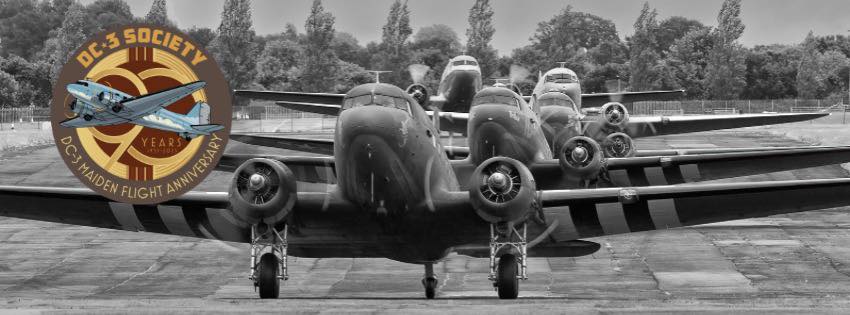
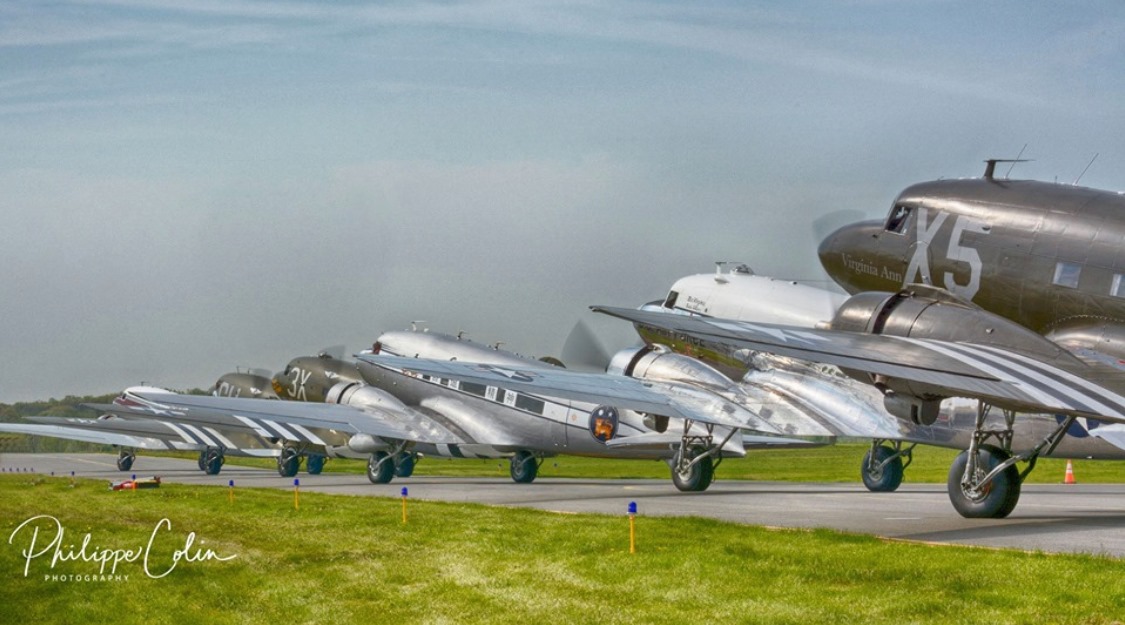
As the aviation community marks the 90th anniversary of the Douglas DC-3’s first flight, the DC-3 Society is expanding its mission to strengthen support for operators and ensure the long-term preservation of this historic aircraft. Evolving from the D-Day Squadron initiative, the Society now serves as the world’s first type organization dedicated specifically to the DC-3/C-47 and its variants.
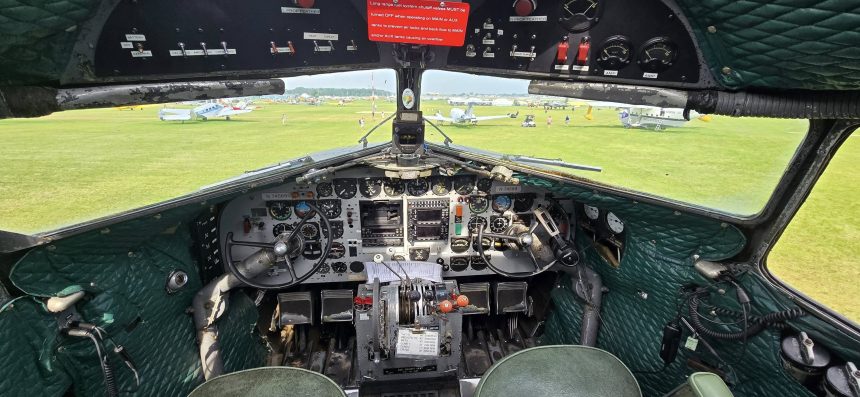
The Society announced the formation of its new Operations Committee, which is developing the first standardized checklists for both normal and emergency procedures. These materials are slated for release in early 2026. The committee will also publish SIC and PIC qualification syllabi and additional training resources aimed at improving standardization, crew interoperability, and overall flight safety across the DC-3 operating community. “As the world’s first type society dedicated to the DC-3/C-47 and its variants, we provide best practices, training resources, safety standards, and technical guidance to ensure ongoing airworthiness and safe flight operations,” said Moreno Aguiari, President of the DC-3 Society Board.

A committee member emphasized the need for enhanced communication and unified training within the operator base, noting that standardized materials will help ensure a higher and more consistent level of airmanship throughout the community. All new checklists and training products will be made available to members on the DC-3 Society portal throughout 2026. The Operations Committee is composed of volunteer aviators with extensive experience in the type and a shared commitment to promoting a culture of training, standardization, and safety. The 2026 committee, led by Kevin Riley, consists of veteran Dc-3 pilots Doug Rozendaal, Rachel Lindvig, Eric Zipkin, Rod Moyer, and Keith Kearns. “As we approach the second century of DC-3 operations, it is imperative that we preserve the accumulated experience of the past 90 years. Going forward, the goal is to merge that experience with the most advanced industry practices of CRM” said Eric Zipkin.
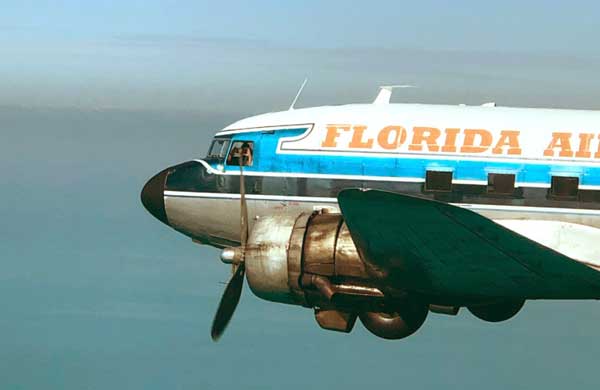
“Serving as the backbone of the Society’s technical support, the Flight Operations Committee gives members access to the tools and knowledge necessary to keep DC-3/C-47 aircraft flying safely for generations to come,” said Committee Coordinator Kevin Riley. Doug Rozendaal, a veteran DC-3/C-47 pilot, said, “The importance of good checklists cannot be overstated. Now more than ever, as many DC-3/C-47 pilots fly for multiple organizations, having standardized checklists across the fleet is essential. This work will help ensure the safe operation of the DC-3 family of aircraft for many years to come.”
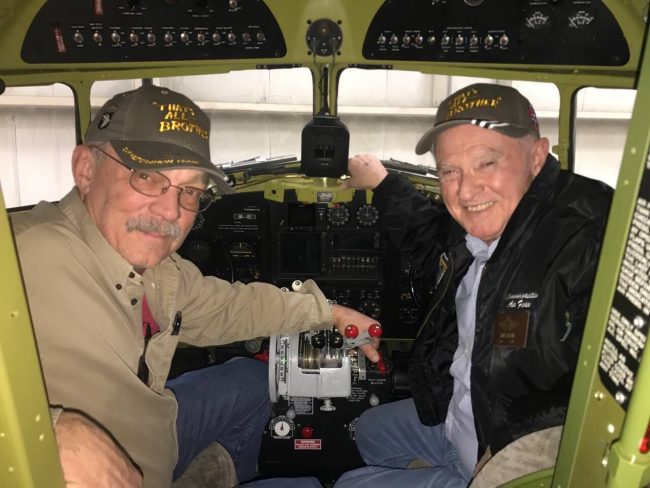

Beyond its operational initiatives, the DC-3 Society continues to expand its role in preservation and public engagement. Through technical resources, historical documentation efforts, member programs, and youth education activities, the organization is committed to keeping the DC-3 flying and ensuring its legacy endures for future generations. To learn more and join the DC-3 Society, visit www.dc3society.org.