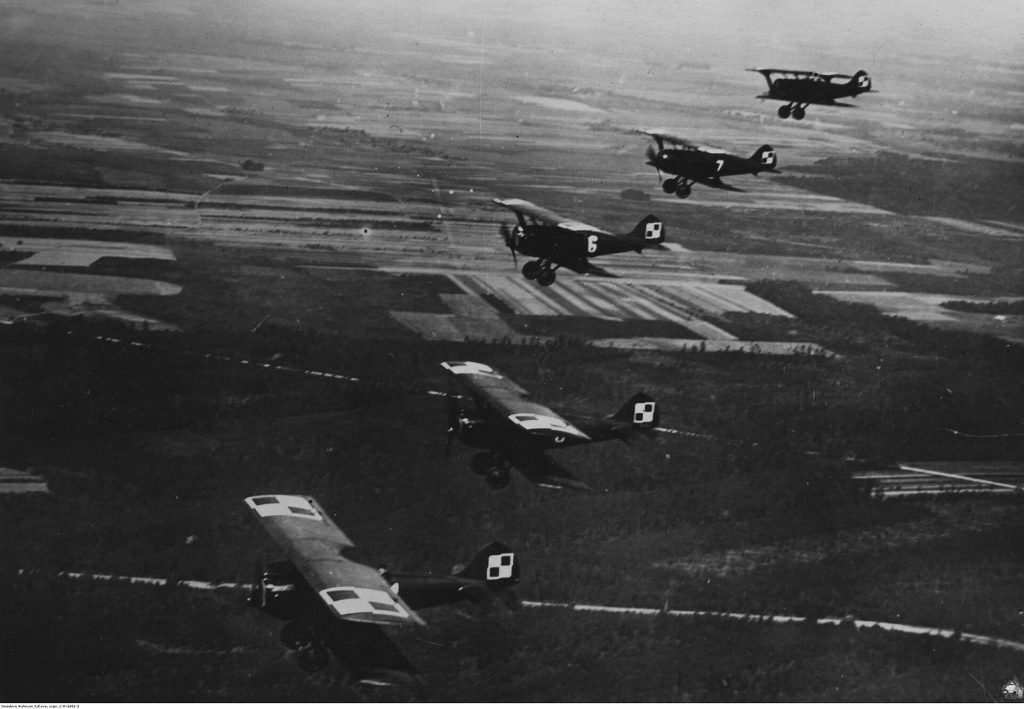
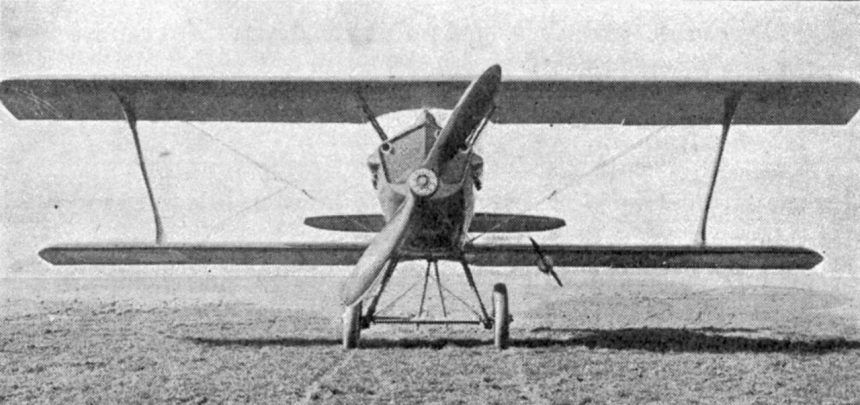


On this day in aviation history, 101 years ago (May 13, 1925), the first flight of the Spad S.61/5 took place. The S.61/5 was a further development of the Blériot S.61, a French fighter aircraft that first flew in 1923. André Herbemont designed the S.61 as a conventional biplane, forgoing the use of swept wings that he had previously been drawn to. The French Air Force tested the S.61 prototype but found it unsatisfactory. The Polish Air Force, however, took interest in the French fighter. They placed an order for 250 S.61s and also purchased a license to produce the aircraft natively. CWL (Centralne Warszaty Lotnicze – predecessor to PZL) manufactured 30 S.61s in Poland. The Romanian Air Force ordered 100 S.61s, as well.
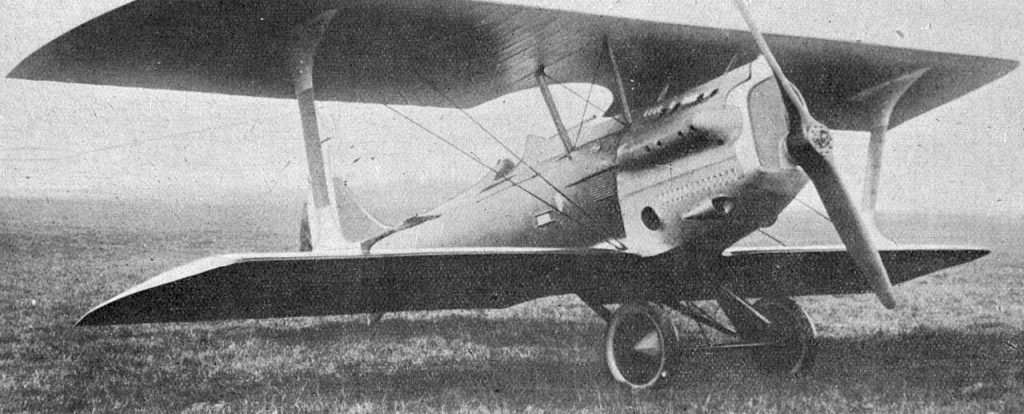
In France, S.61s were primarily used for air racing and record-setting attempts. On June 25, 1925, Pelletier d’Oisy won the cross-country Coupe Michelin while flying an S.61. The aircraft would also find success at the 1927 and 1929 competitions. In Poland, the S.61 developed a poor reputation due to a high frequency of crashes. Weak wing mounting was found to be the cause of these accidents. Between 1926 and 1931, 26 pilots were lost while flying the S.61. The Spad S.61/5 variant was powered by a 450-hp Hispano-Suiza 12Gb W-12 engine. Three aircraft of this variant were built, out of the 380 total. The S.61 could attain a maximum airspeed of 160 mph and reach a service ceiling of 27,900 feet. The Spad fighter’s range was 220 nautical miles, and the time required to climb to 13,000 feet was 9 minutes, 29 seconds. Armament for the S.61 consisted of two fixed, forward-firing 0.303-inch Vickers machine-guns.