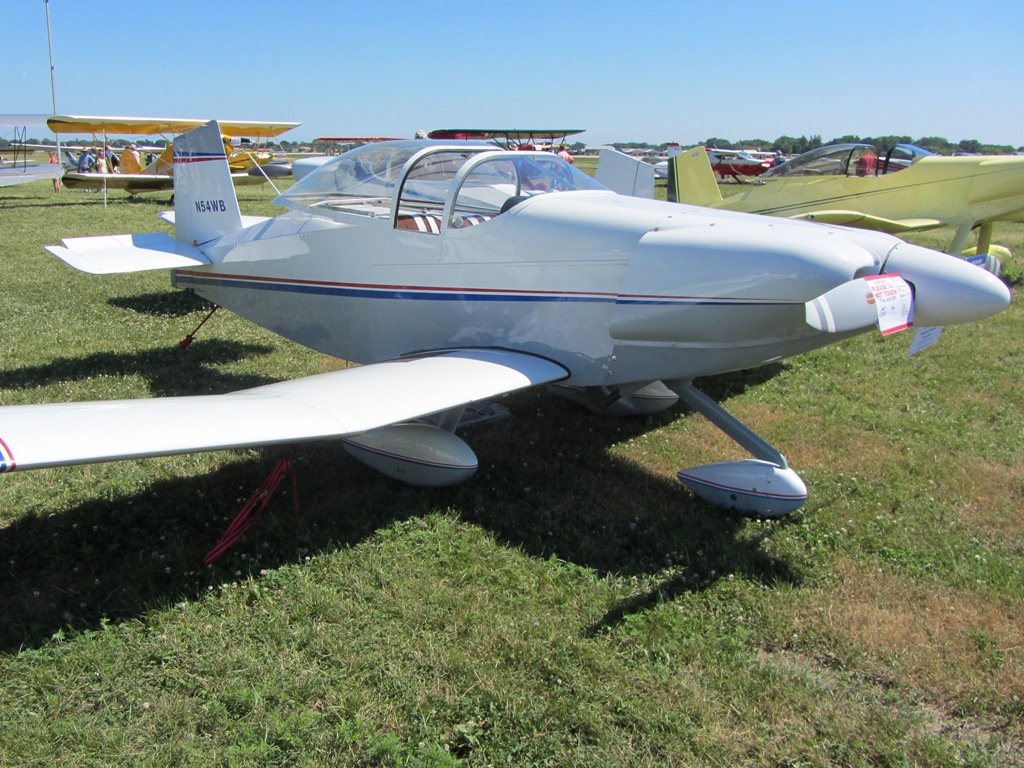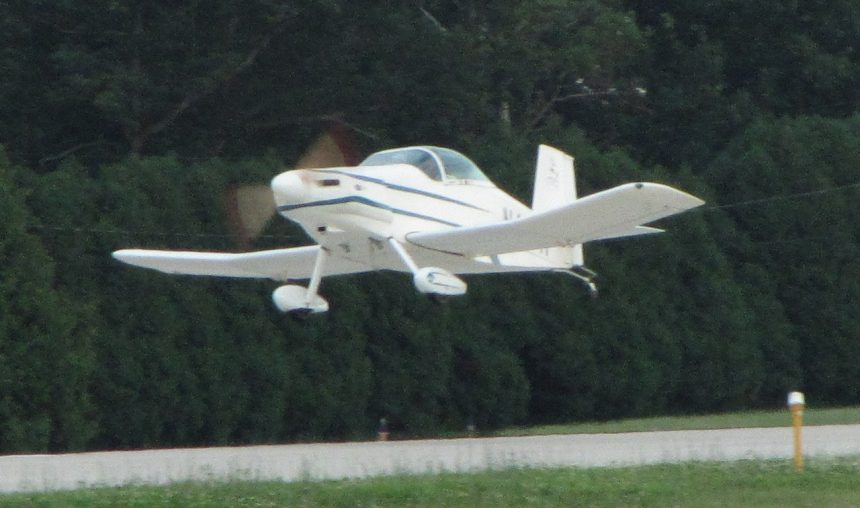


On this day in aviation history, 62 years ago (May 12, 1964), the Thorp T-18 Tiger flew for the first time. The T-18 is an all-metal two-place homebuilt aircraft, first designed in 1963 by American aeronautical engineer John Willard Thorp. Thorp originally designed the Tiger as an open cockpit, low-wing aircraft. The original T-18 was powered by a military surplus Lycoming O-290G ground power unit engine. Thorp wanted the T-18 to be relatively simple to build, so sheets of aluminum were primarily used in the aircraft’s construction.
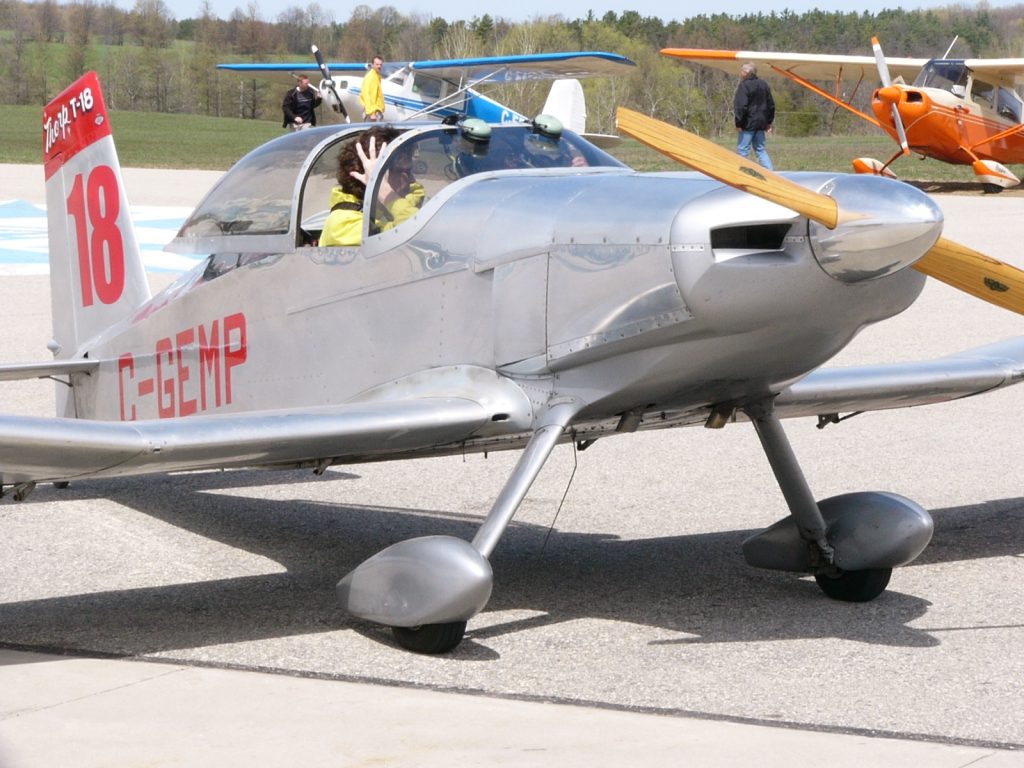
The open-cockpit, GPU-engined T-18 prototype left the cylinders exposed through the engine cowling for simplicity. Even with the added drag from the cockpit and cylinder heads, the T-18 prototype proved to have a high cruising speed. Seeing the design’s great potential, modifications were made to improve the T-18’s performance. A cowled Lycoming engine was eventually added, along with a bubble canopy. Both of these tweaks brought the aircraft up to a cruise speed of 160 mph. In some instances, the Lycoming O-320, O-340, and O-360 engines have been installed, enabling the T-18 to cruise at speeds exceeding 200 mph.
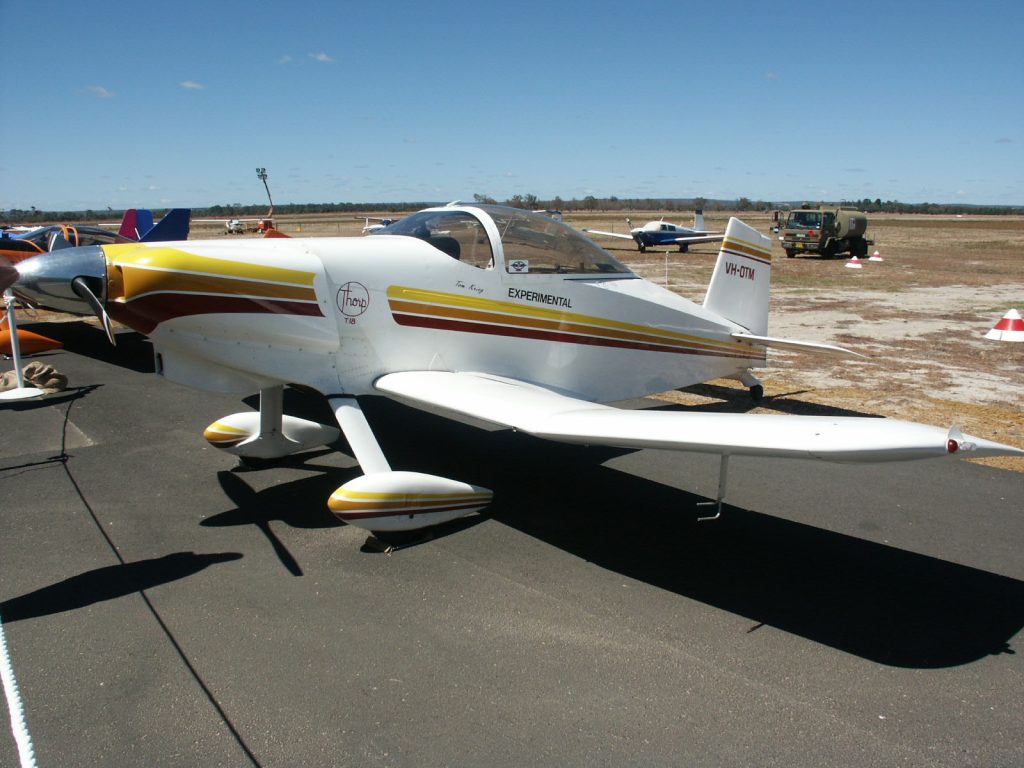
Once Thorp made the performance-boosting modifications to the T-18, the aircraft became one of the most popular homebuilt options during the 1970s and 1980s. This reputation would remain until the advent of the Van’s Aircraft RV kitplane series, which offered even more performance for a similar cost. As of 2014, Thorp Central still provides S-18 parts and plans. The S-18 is a modified version of the T-18, featuring airfoil tweaks and other minor changes. Over 1600 sets of plans have been sold since the T-18’s introduction. Currently, there are around 400 examples still flying.