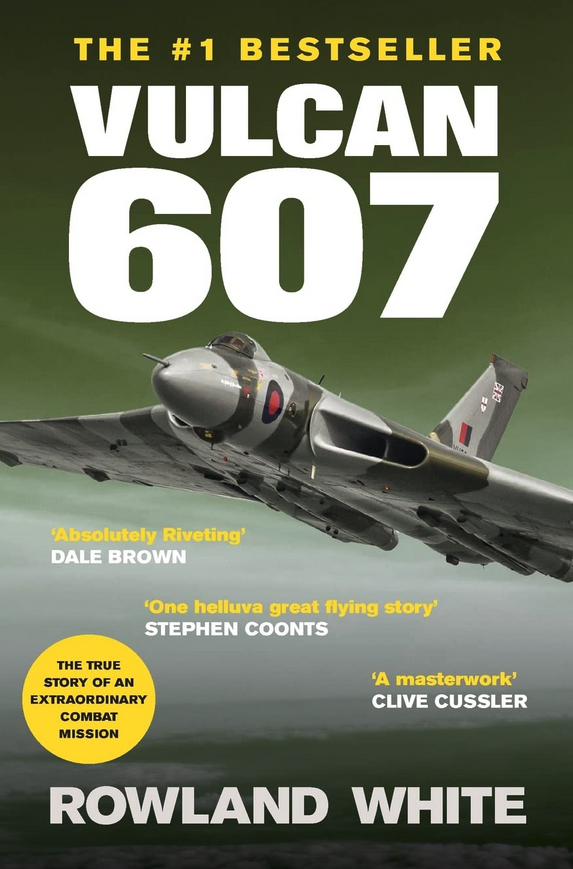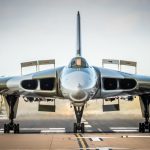
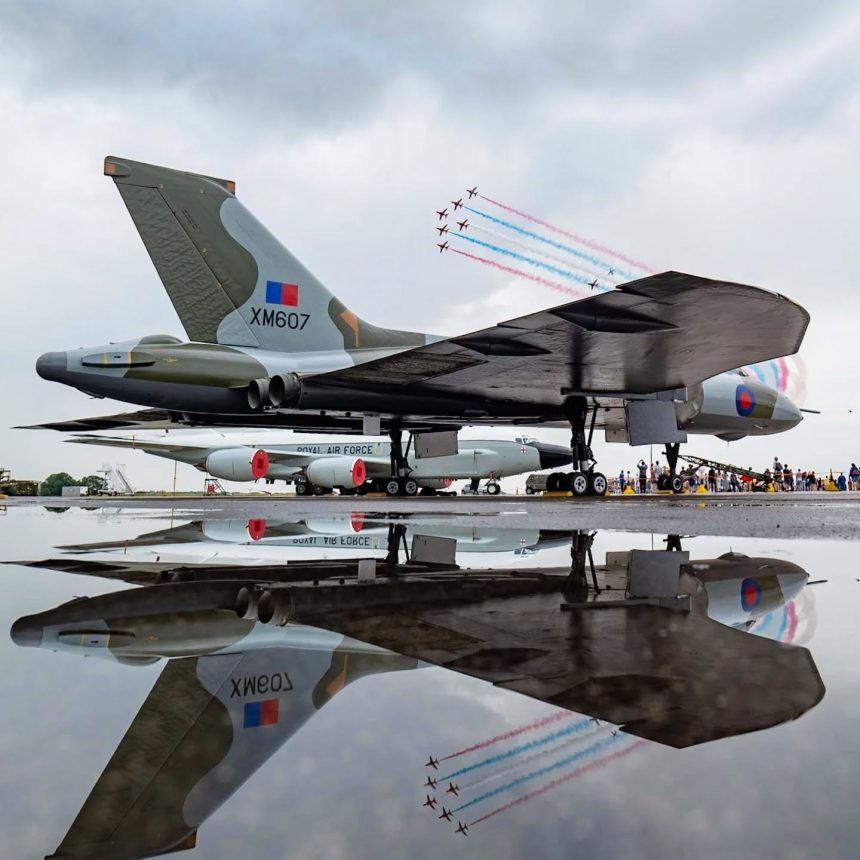

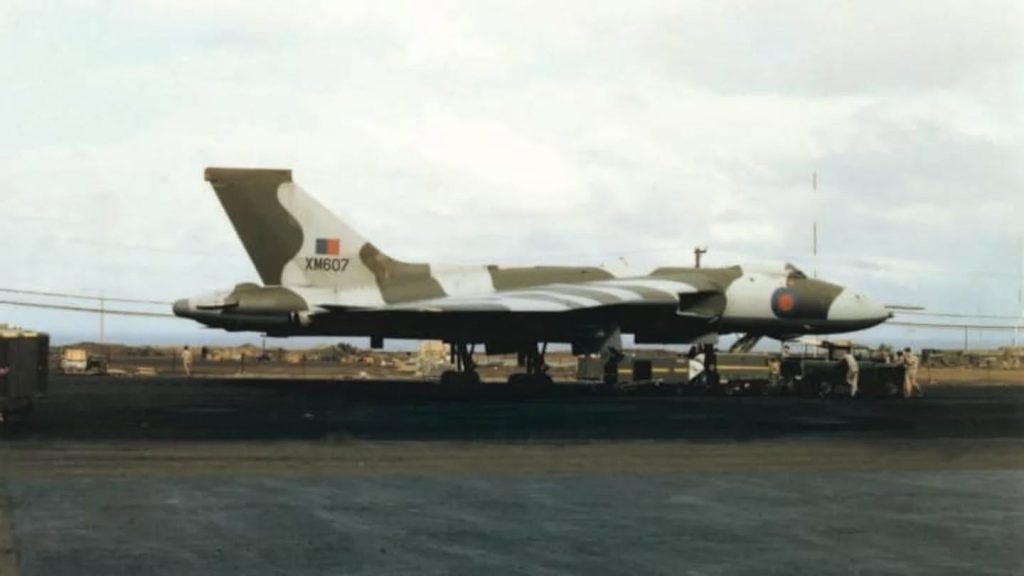
Famous for her role in Operation Black Buck, Avro Vulcan XM607 remains one of the most significant aircraft in RAF history. As RAF Waddington’s gate guardian, years of exposure left the aircraft in deteriorating condition—but a determined team refused to let her story end there. Operation Black Buck comprised seven extremely long-range airstrikes—Black Buck 1 through Black Buck 7—conducted during the 1982 Falklands War by Royal Air Force Vulcan bombers of the RAF Waddington Wing. The force, drawn from Nos. 44, 50, and 101 Squadrons carried out missions against Argentine positions in the Falkland Islands, including the airfield at Stanley.
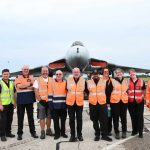
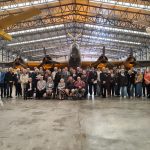
Driven by RAF engineers and specialists, XM607 was carefully recovered, moved into hangarage, and fully stripped, repaired, and repainted. What began as a small-scale effort quickly evolved into a wider restoration, supported by multiple teams, partners, and organizations, all committed to preserving this iconic aircraft. At the heart of the project is a core group whose passion and expertise continue to drive progress, supported by skilled engineers and technicians across the station. From bespoke fabrication to complex structural repairs, their work is steadily bringing XM607 back to life.
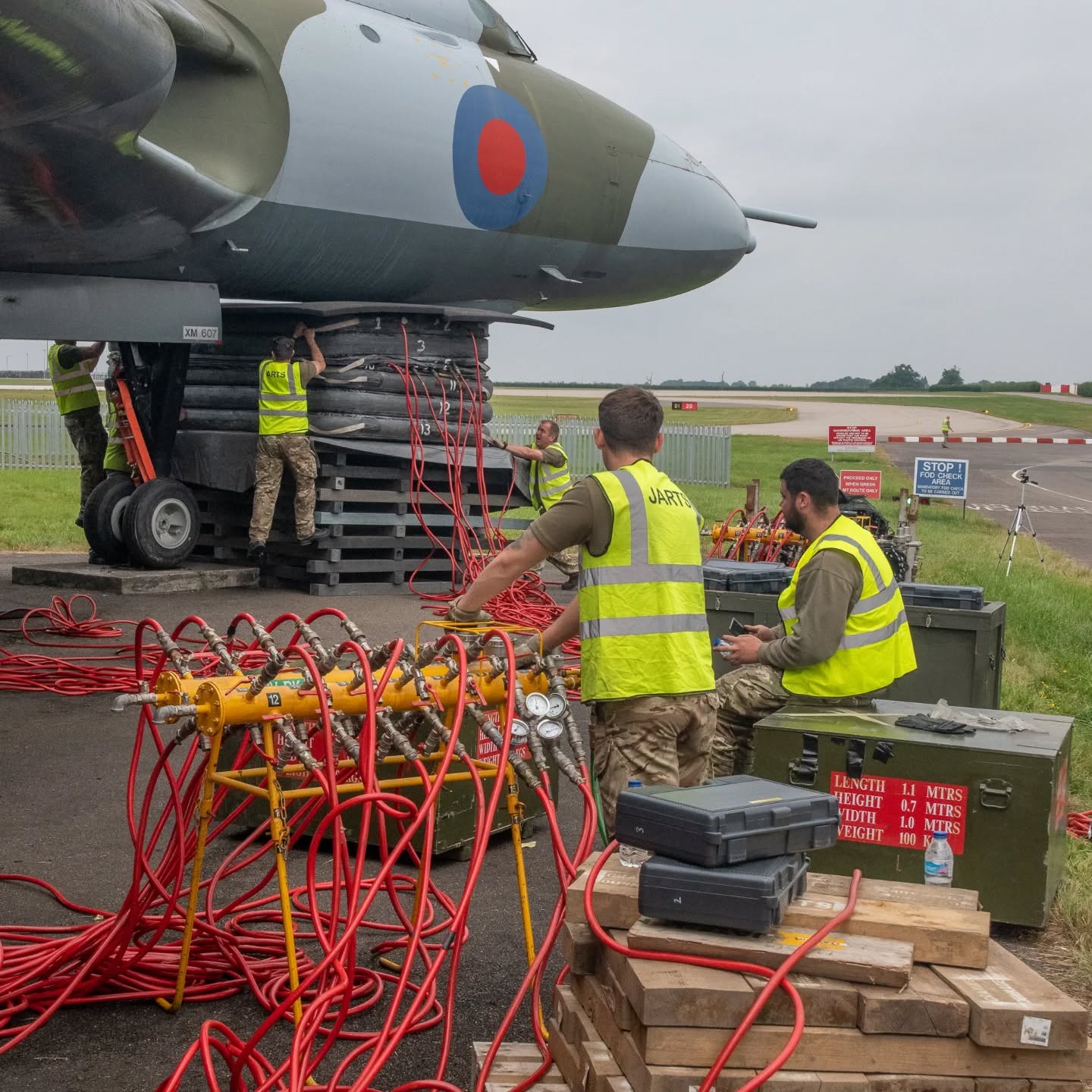
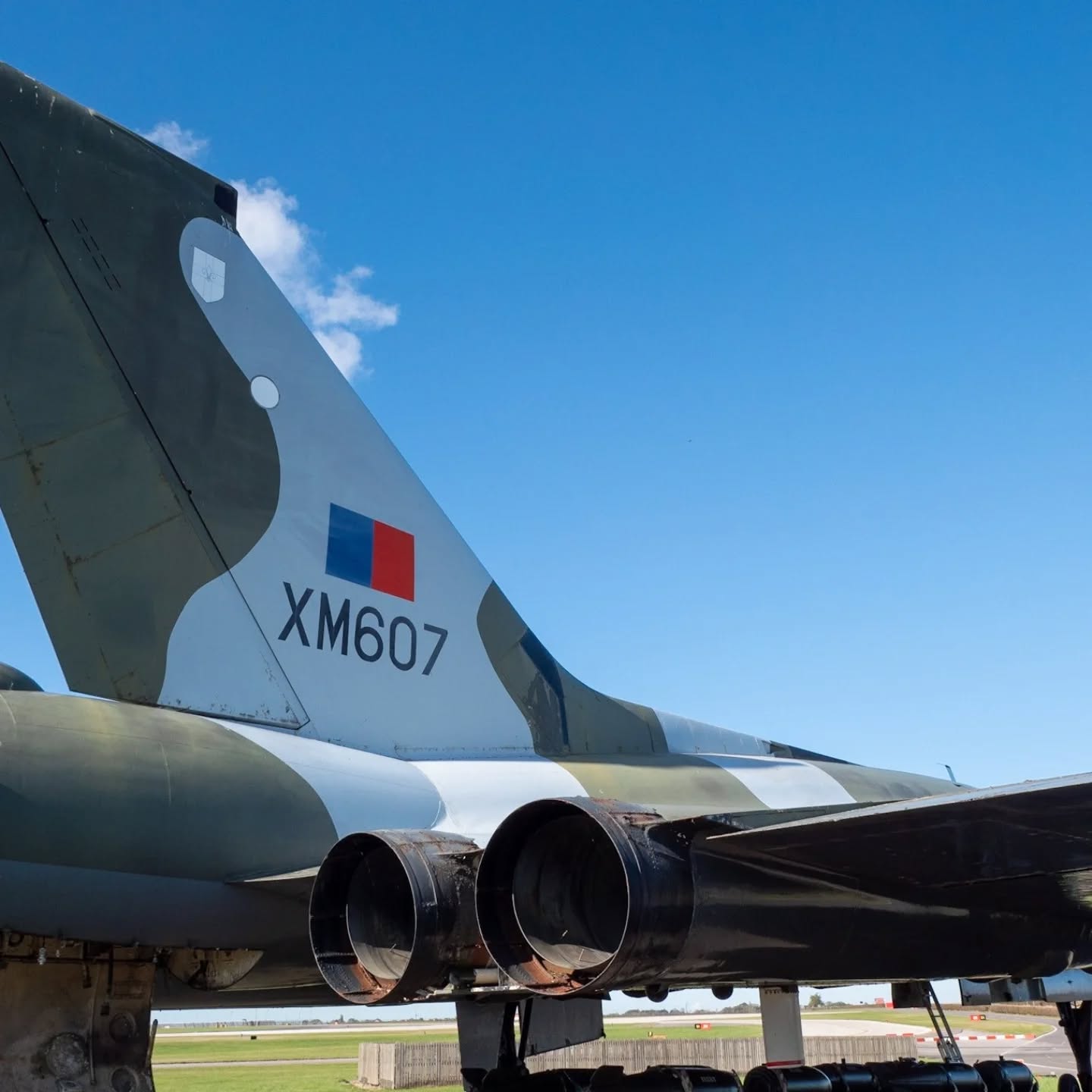
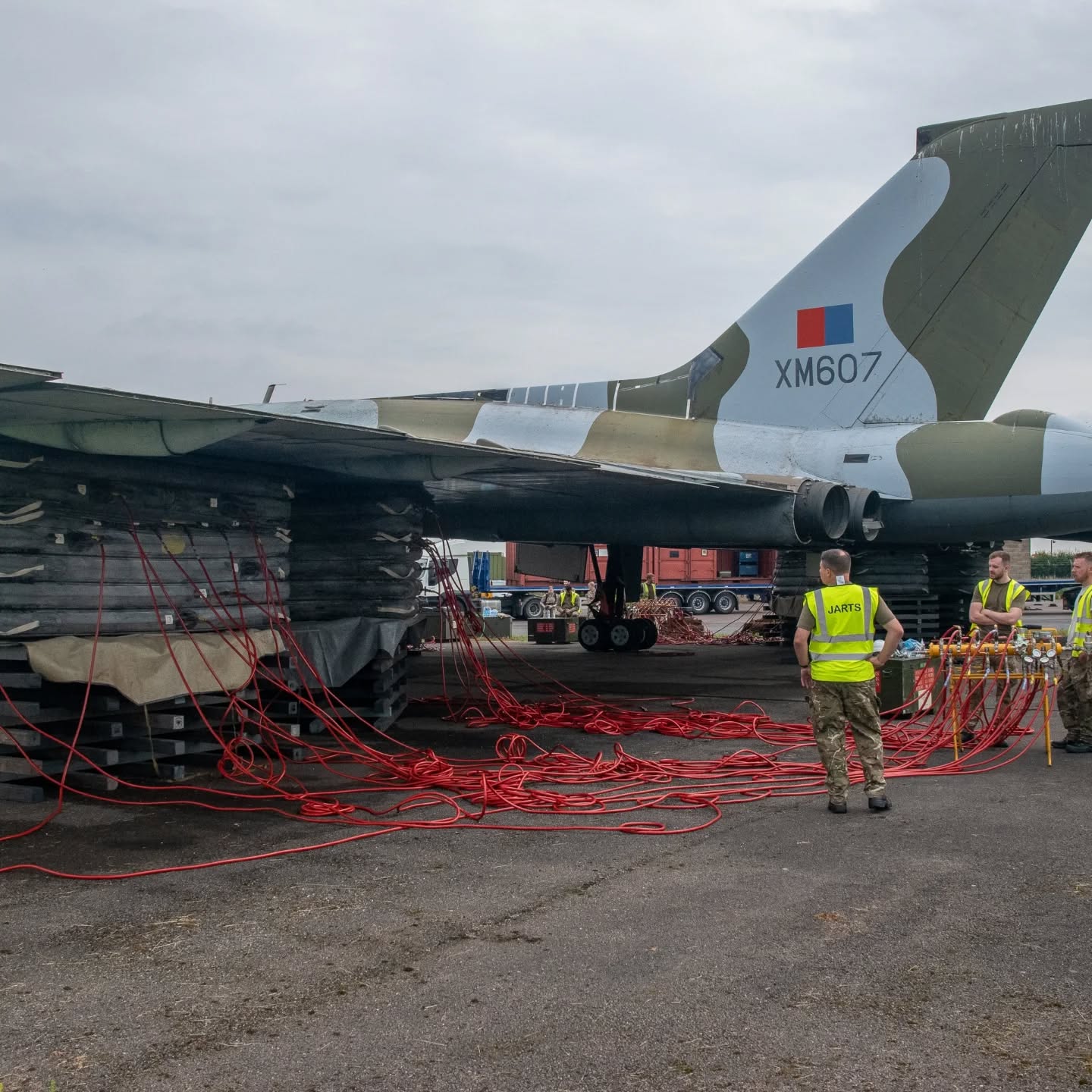
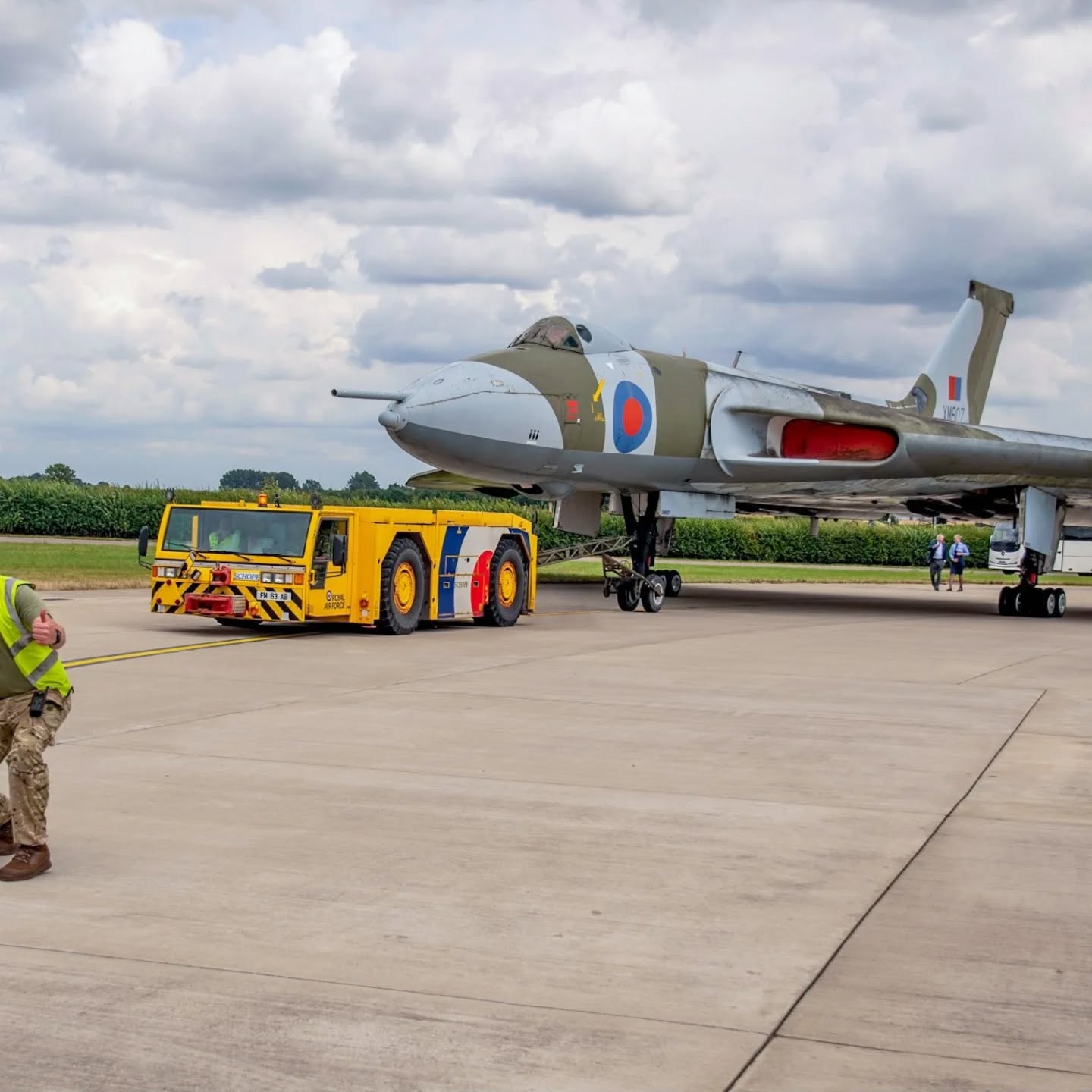
Although now in far better condition, restoration is ongoing. Key tasks remain, including panel fabrication, landing gear door installation, elevon work, and final surface repairs ahead of painting. The aim is to complete the external restoration in time for the 45th anniversary of Operation Black Buck, with cockpit restoration planned to follow.
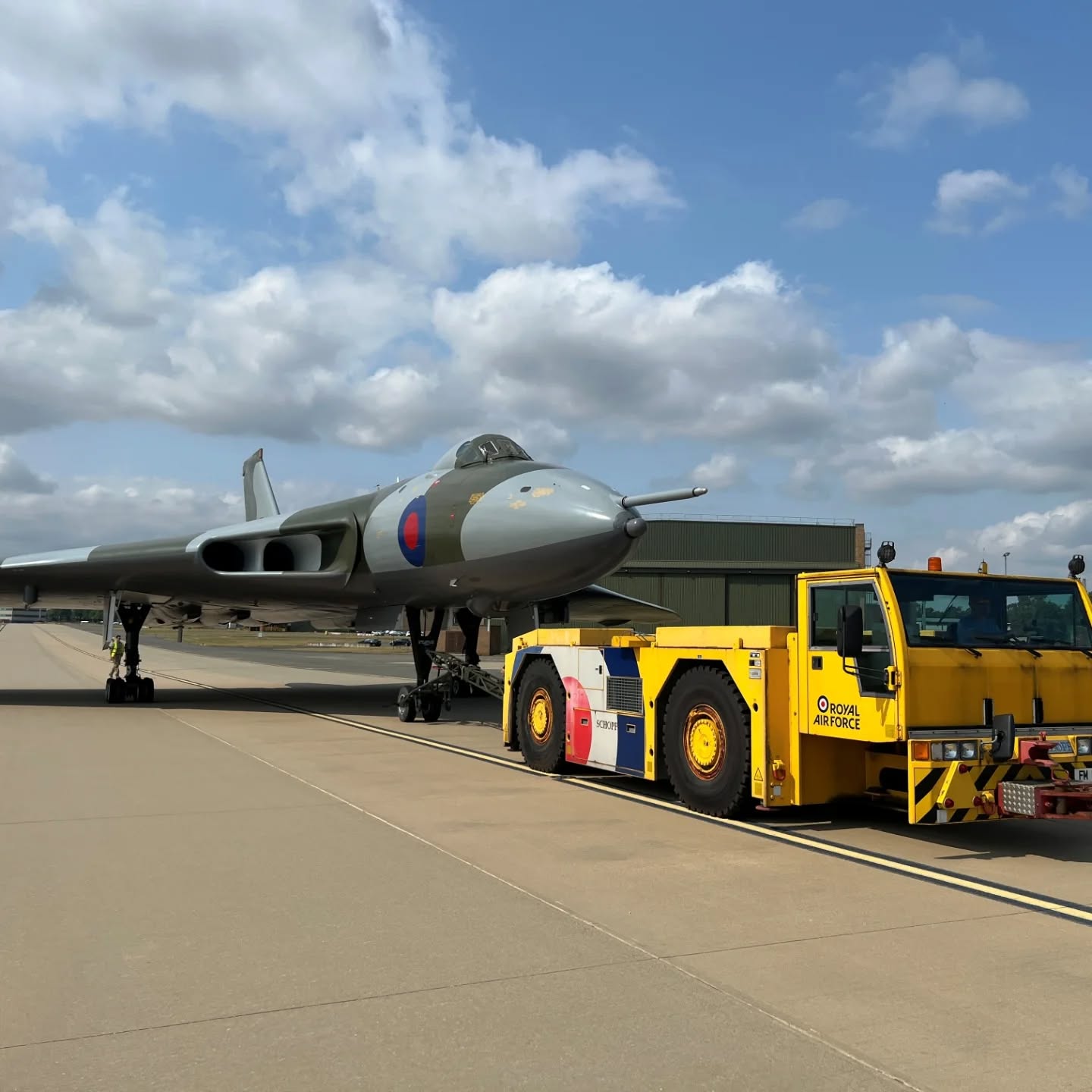
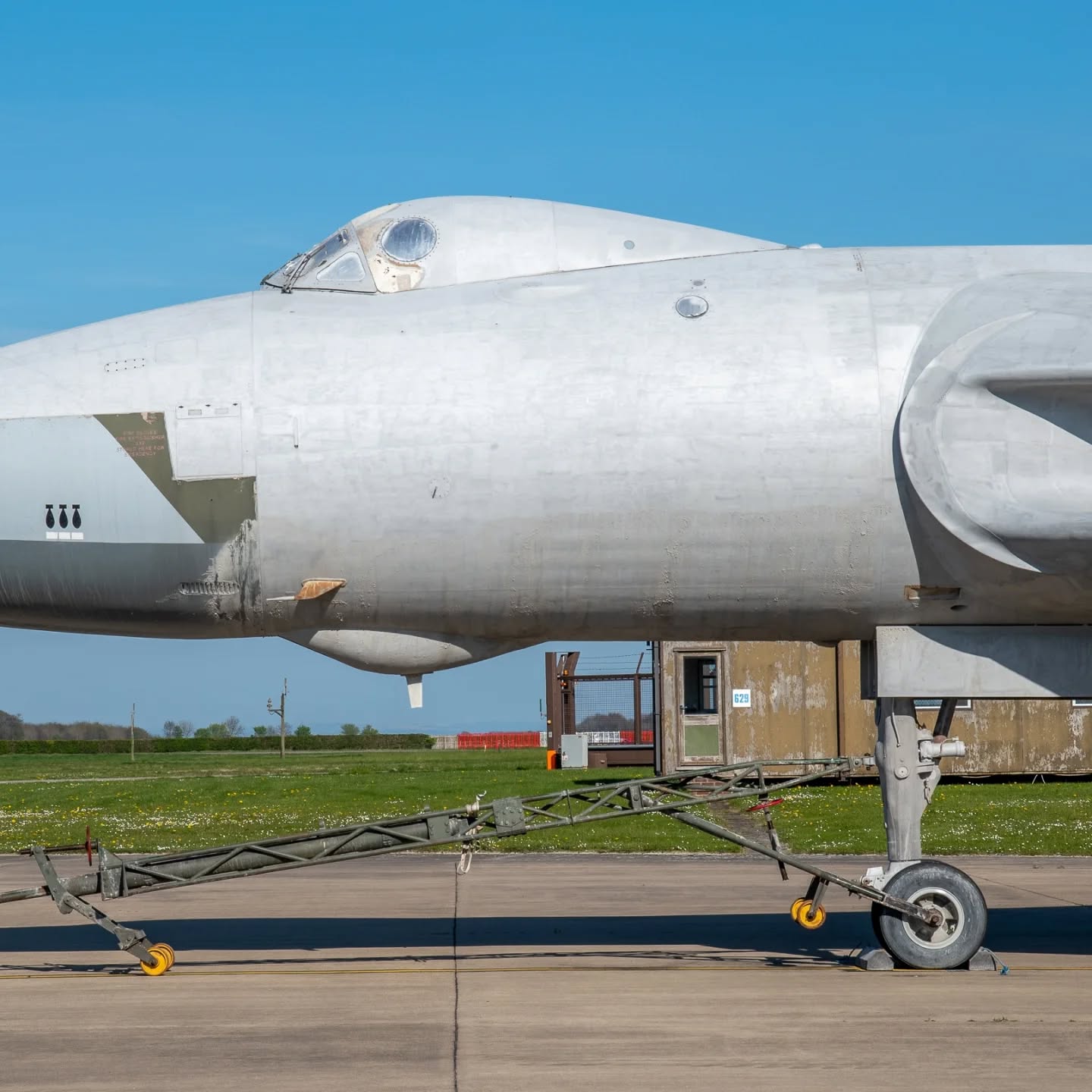
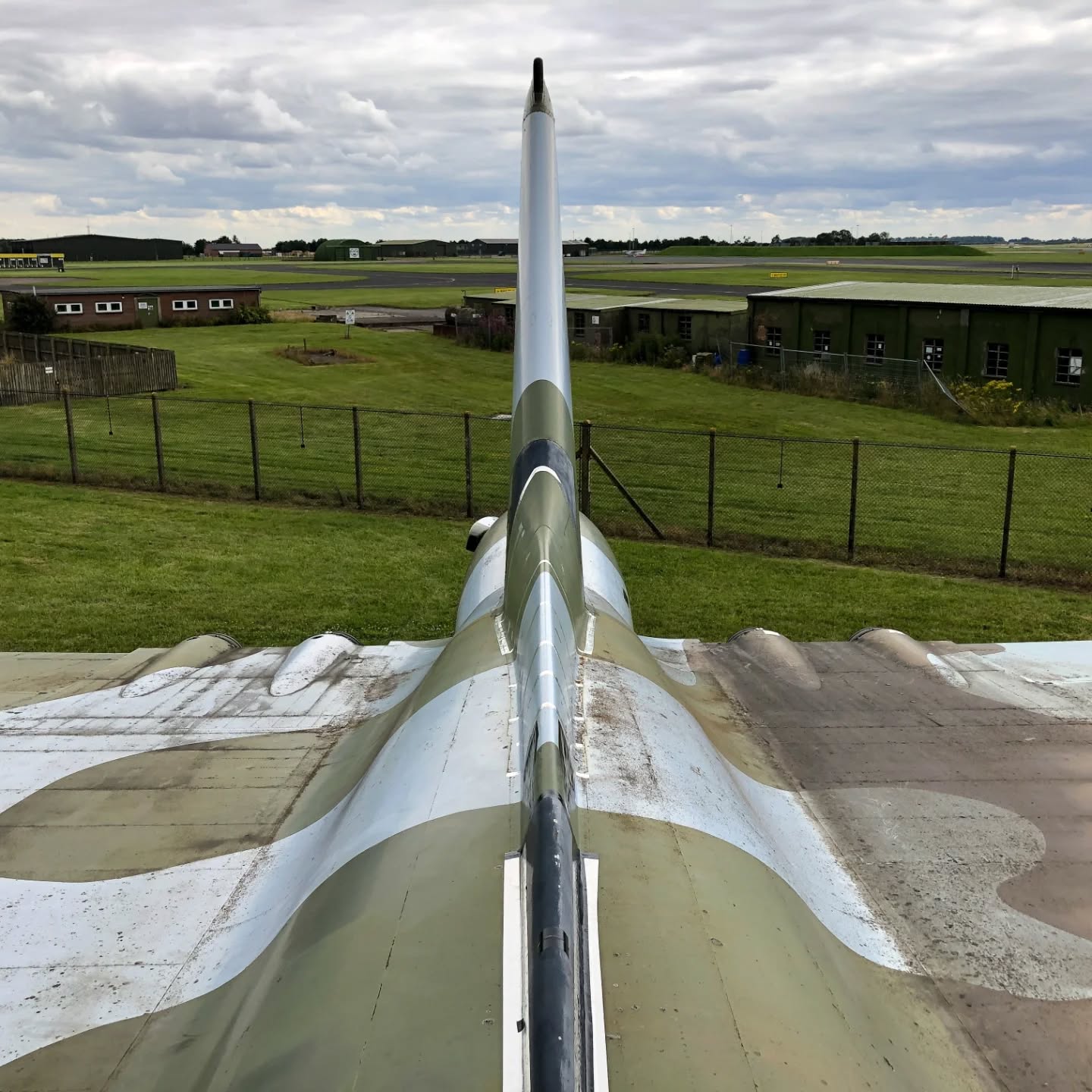
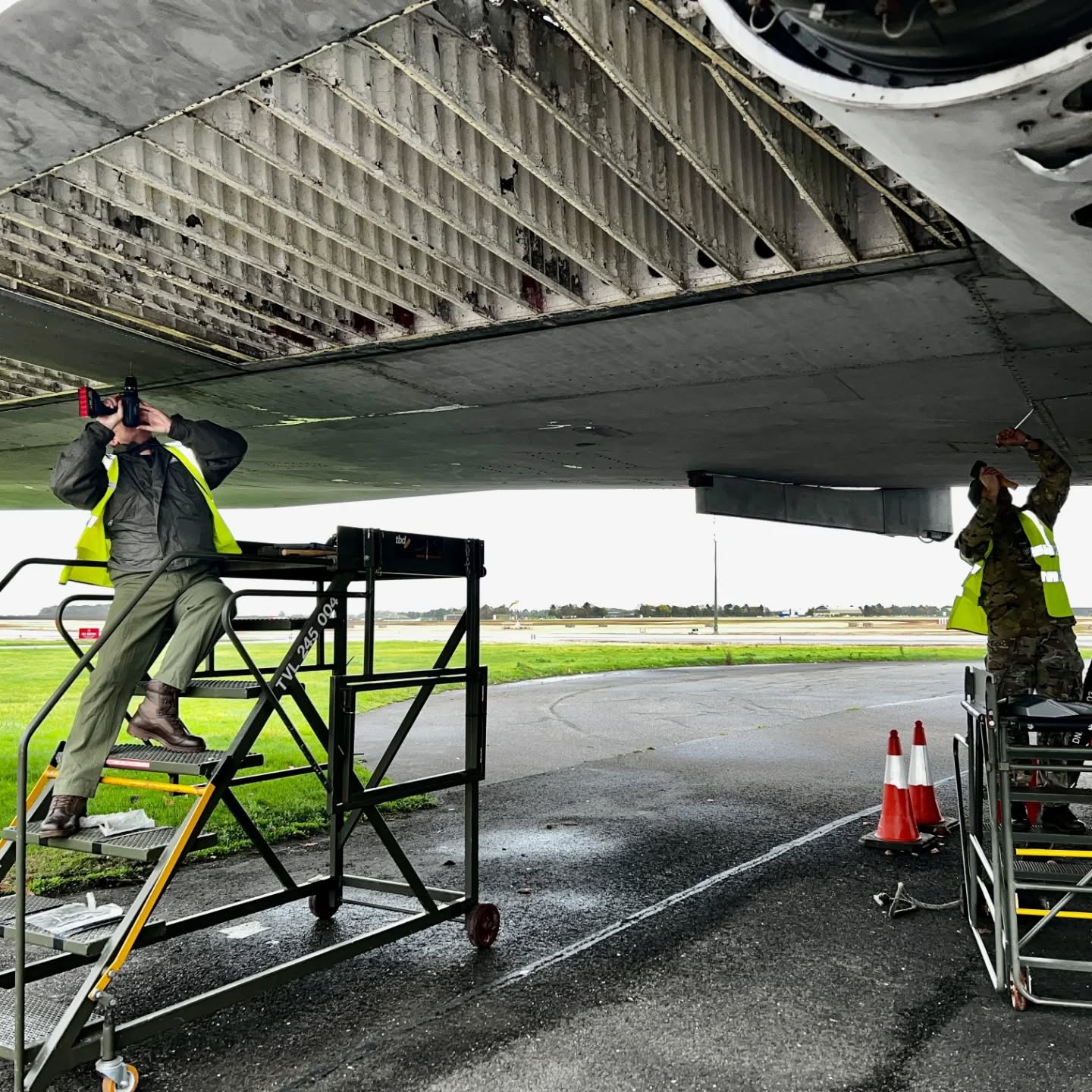
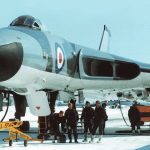
According to the British website Thunder & Lightning, the airplane was delivered to the RAF in December 1963, and XM607 entered service with No. 35 Squadron in January 1964. She later served with the Coningsby, Cottesmore, and Waddington Wings before joining No. 44 Squadron in 1976. Subsequent assignments included No. 9 Squadron from May 1979 and No. 101 Squadron from March 1981, before returning to No. 44 Squadron in July 1981. She would go on to achieve lasting fame during the 1982 Falklands War, taking part in the Black Buck missions against the Argentine-held airfield at Stanley in the Falkland Islands. XM607 was retired in December 1982 at RAF Waddington and placed on display as the station gate guardian in January 1983. Over the years, she received only sporadic care and was used as a source of spare parts for other Vulcans. The undercarriage bays were sealed with wooden planks, and the cockpit entrance hatch remained sealed shut for many years—helping preserve a largely intact cockpit until it was eventually opened and subsequently stripped.
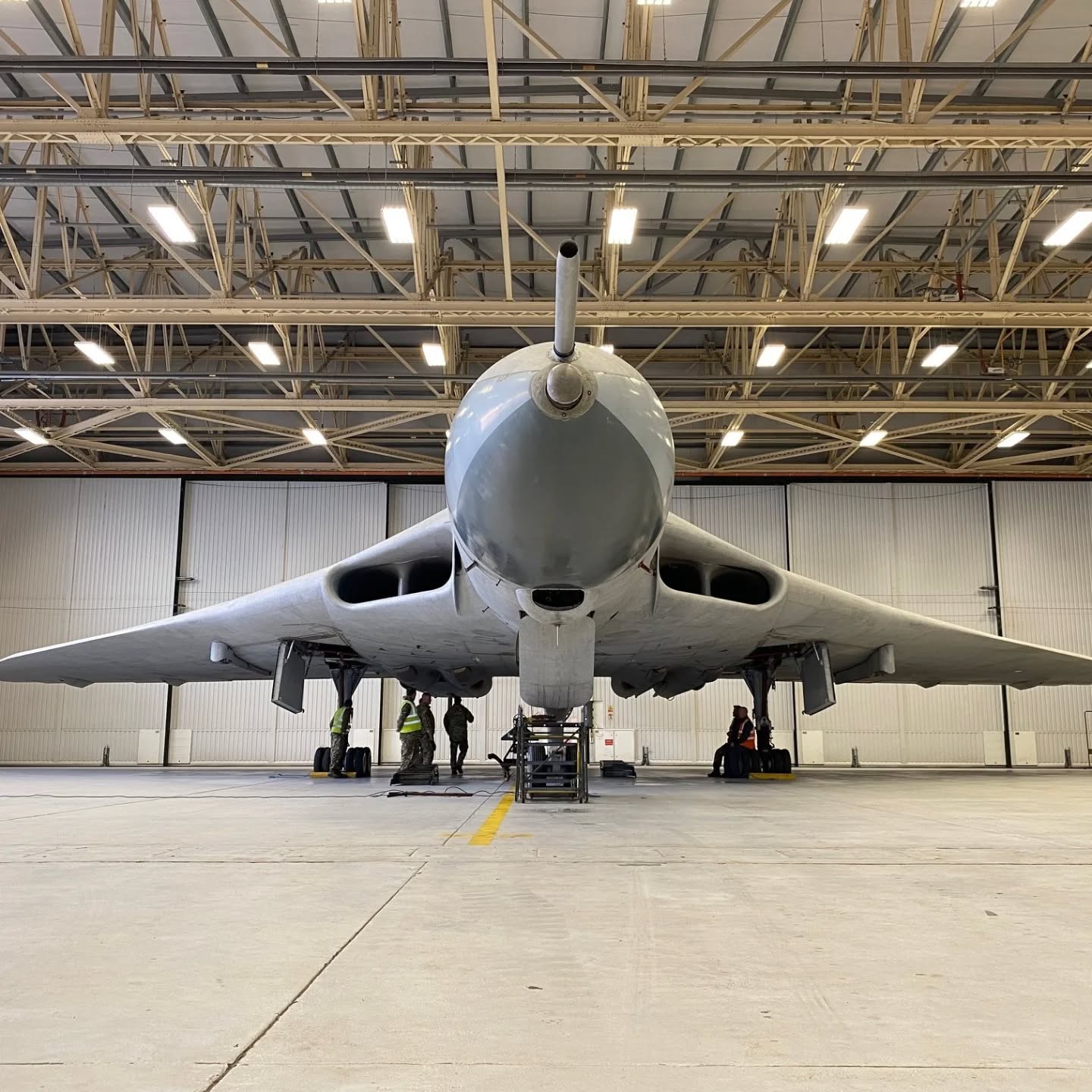
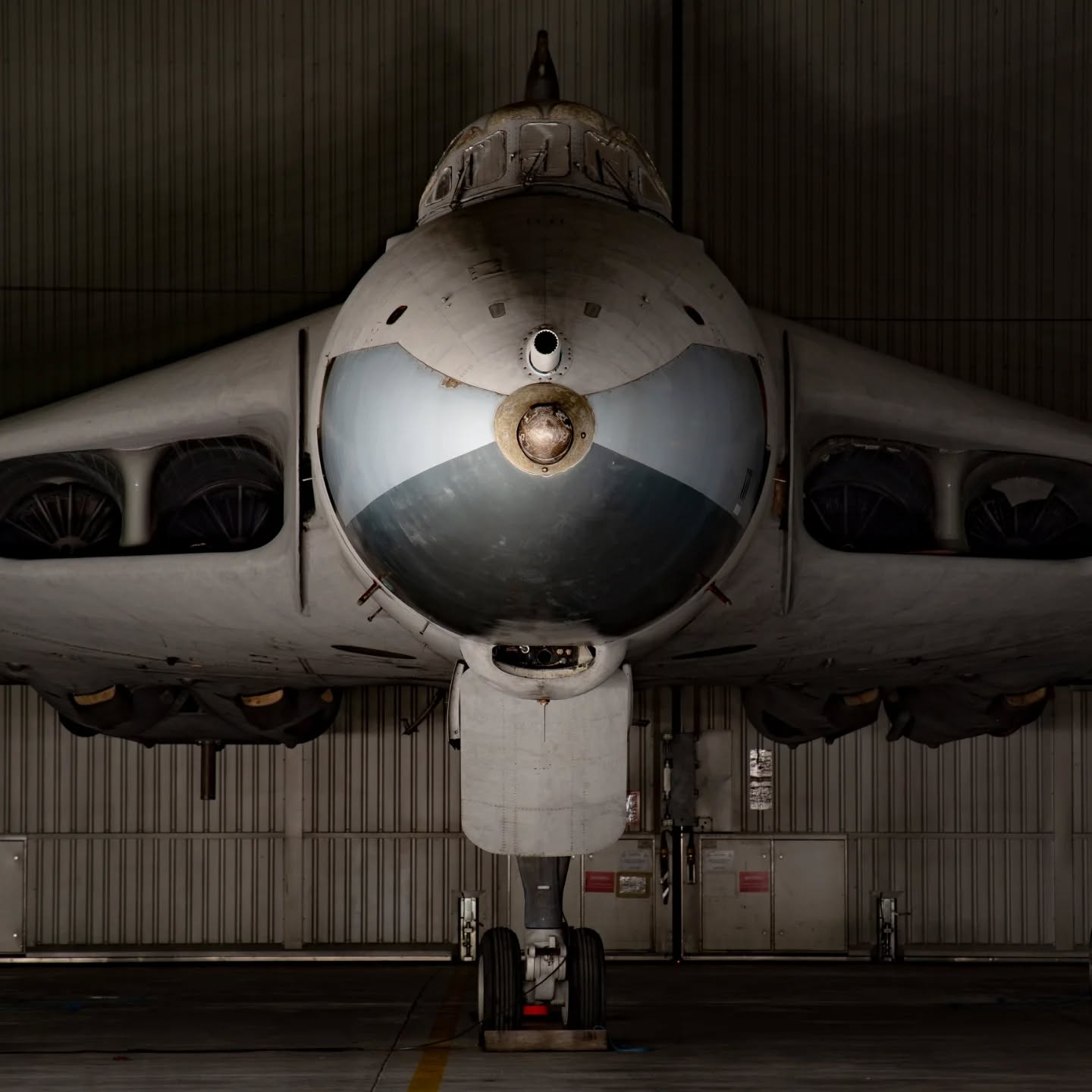
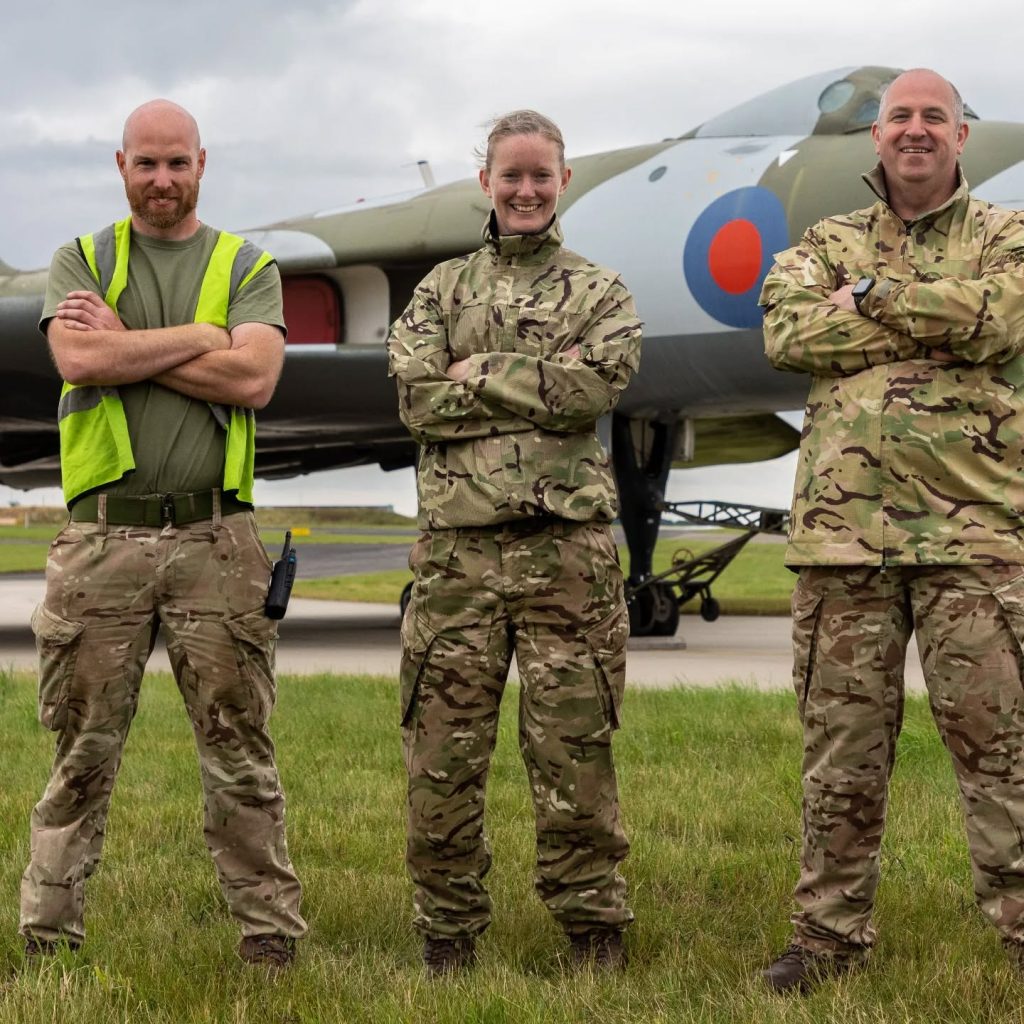
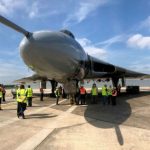
Originally displayed near the station’s main entrance, XM607 later led a nomadic existence around the airfield due to infrastructure changes. In 2003, she was positioned beside the A15, significantly increasing public visibility, though arguably at the cost of closer care. In August 2021, she was removed from display and towed into hangarage to begin the current restoration effort. Like several surviving Vulcans, XM607 also donated parts to support the restoration of XH558. Her legacy has been further cemented in the acclaimed book Vulcan 607, which remains highly recommended reading for enthusiasts.