

(Image credit: VAN)
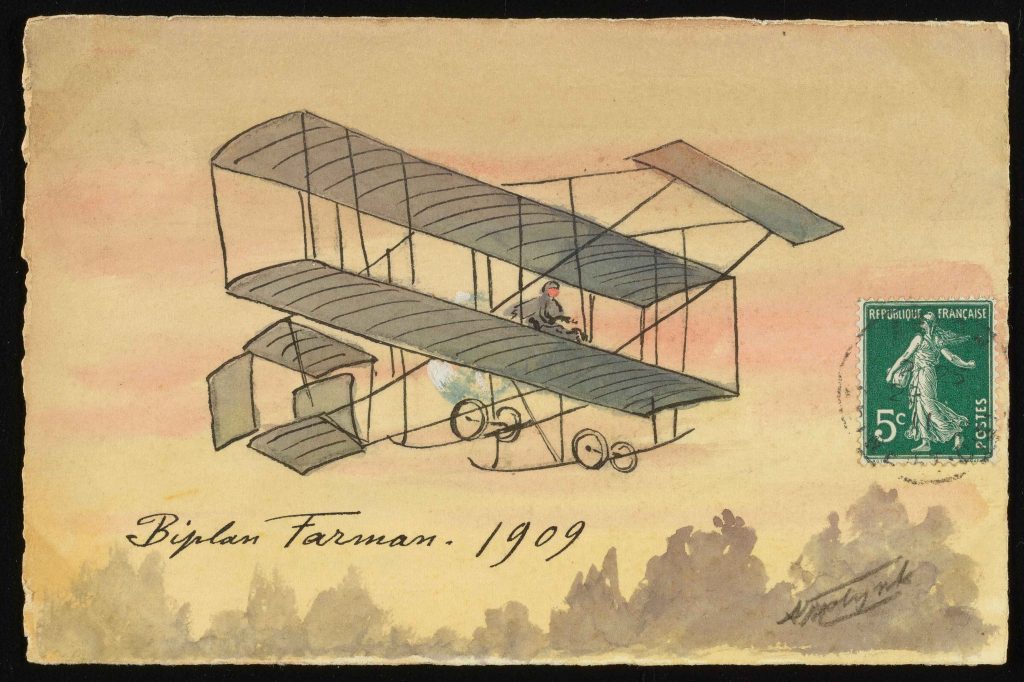
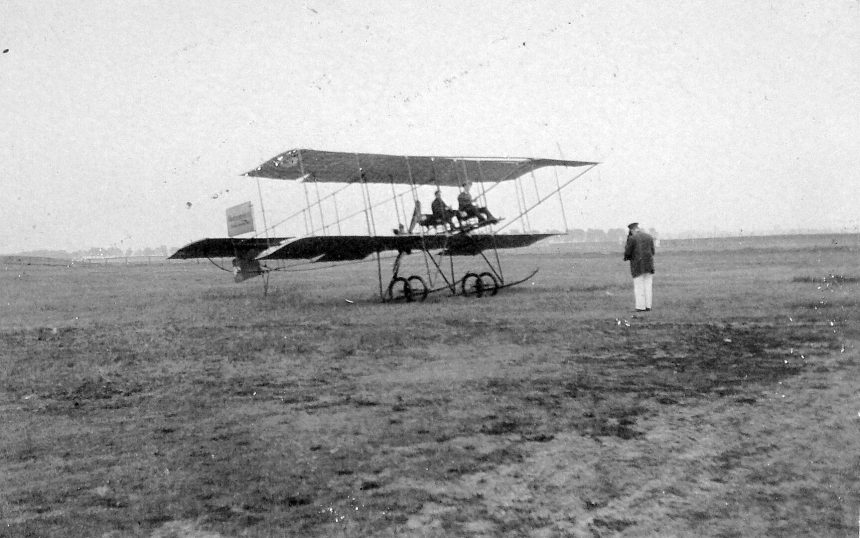
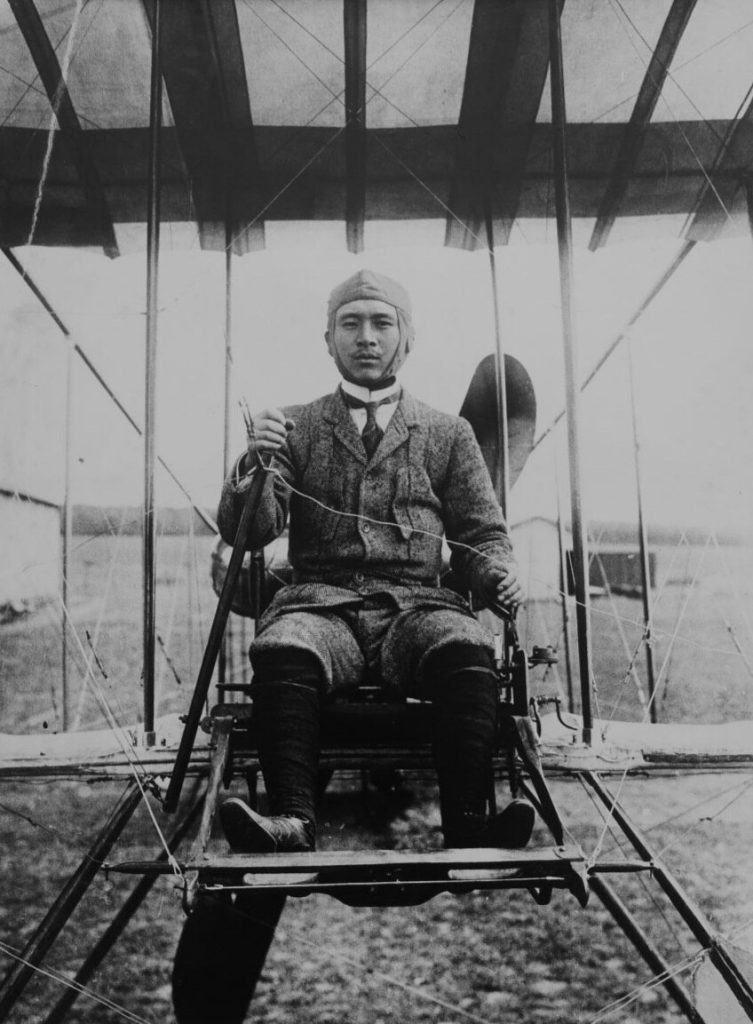
On this day in aviation history, 115 years ago (December 19, 1910), the first heavier-than-air flight in Japan occurred. Imperial Japanese Army Captain Yoshitoshi Tokugawa was at the controls of a Farman III biplane for the flight, which took off from Yoyogi Parade Ground near Tokyo. This historic flight took place only seven years after the first flight of the Wright Brothers in Kittyhawk, North Carolina. Tokugawa Yoshitoshi was born in Tokyo on July 24, 1884. From his father’s side of the family, he was the last Shōgun’s grandnephew, Tokugawa Yoshinobu. In 1903, Tokugawa graduated from the Imperial Japanese Army Academy, specializing in military engineering. In 1909, he was sent to France to study aeronautics and the military applications of aircraft. While in France, Tokugawa became the first Japanese pilot to earn a licence from the Aéro-Club de France. In 1910, Tokugawa was ordered by the Imperial Japanese Army General Staff to purchase a Farman III biplane and to have it shipped back to Japan. On December 19, 1910, Tokugawa piloted the first heavier-than-air aircraft flight from Yoyogi. He would then pilot the inaugural flight at Japan’s first permanent airfield in Tokorozawa on April 5, 1911. Tokugawa proved himself as a pioneer for Japanese aviation.
The Farman III, also called the Henry Farman 1909 biplane, was an early French aircraft whose design was often imitated. Those aircraft that the 1909 biplane inspired were often referred to as “Farman Types.” The Farman III first flew in April of 1909. A 50-horsepower Gnome Omega 7-cylinder rotary engine powered the aircraft to a speed of 37 mph. The Farman III measured 39 feet – 4.5 inches long, had a wingspan of 33 feet – 9.75 inches, and sat 11 feet – 6 inches tall. Tokugawa Yoshitoshi’s Farman III survives today and is on display at the Tokorozawa Aviation Museum in Tokorozawa, Japan. This aircraft was captured by the United States during the course of the Second World War, but was restored and returned to Japan in 1960.