
As we continue celebrating the 90th anniversary of the Douglas DC-3, we have been sharing content across social media along with a series of unique stories, including yesterday’s feature on KLM’s famous “Orange Birds.” Few aircraft in aviation history have demonstrated the adaptability of the DC-3, whose versatility has seen it operate in virtually every corner of the globe and in almost every imaginable environment. From supporting humanitarian missions across Africa to serving oil exploration operations in the deserts of the Middle East, the DC-3 has proven itself indispensable time and again.
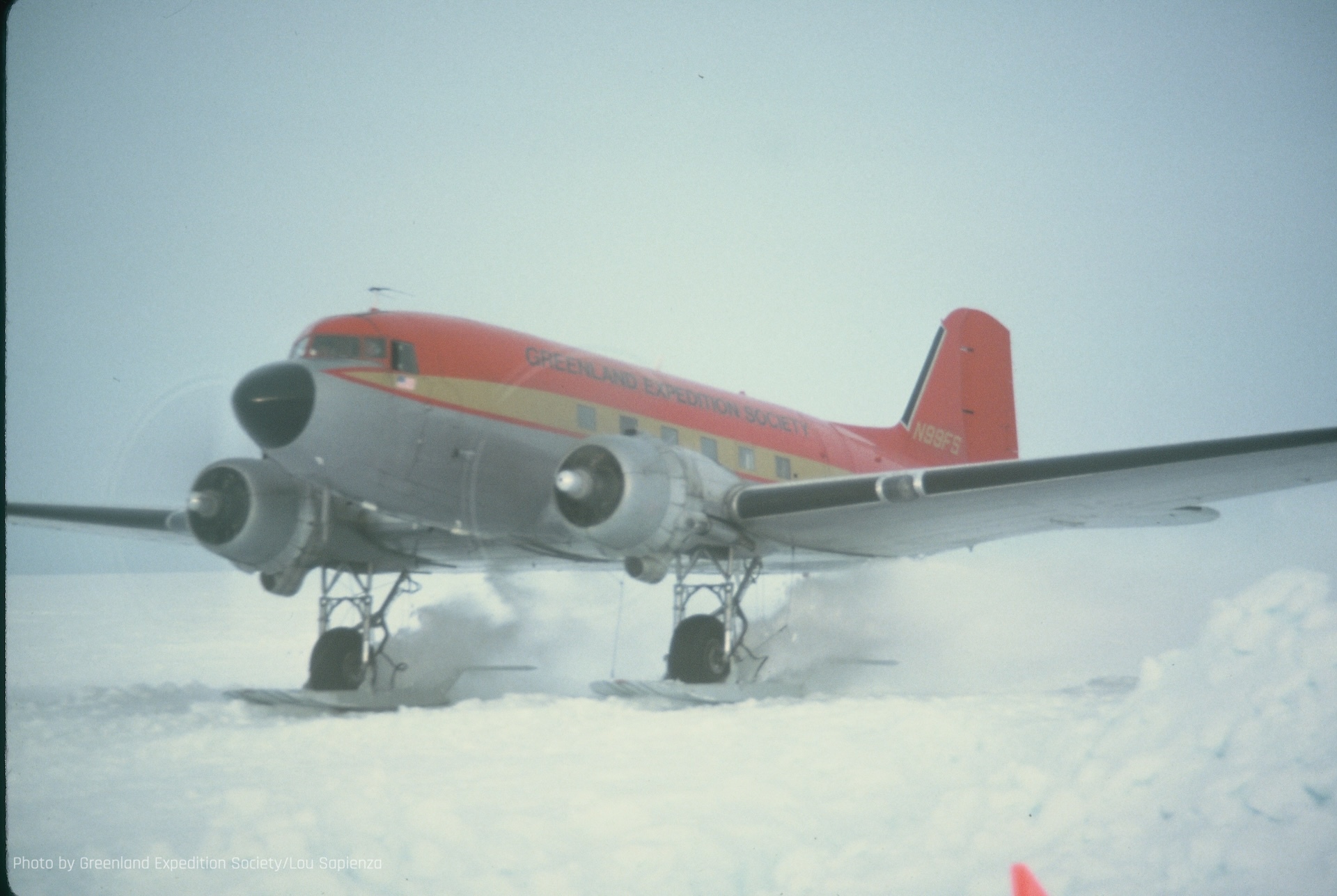
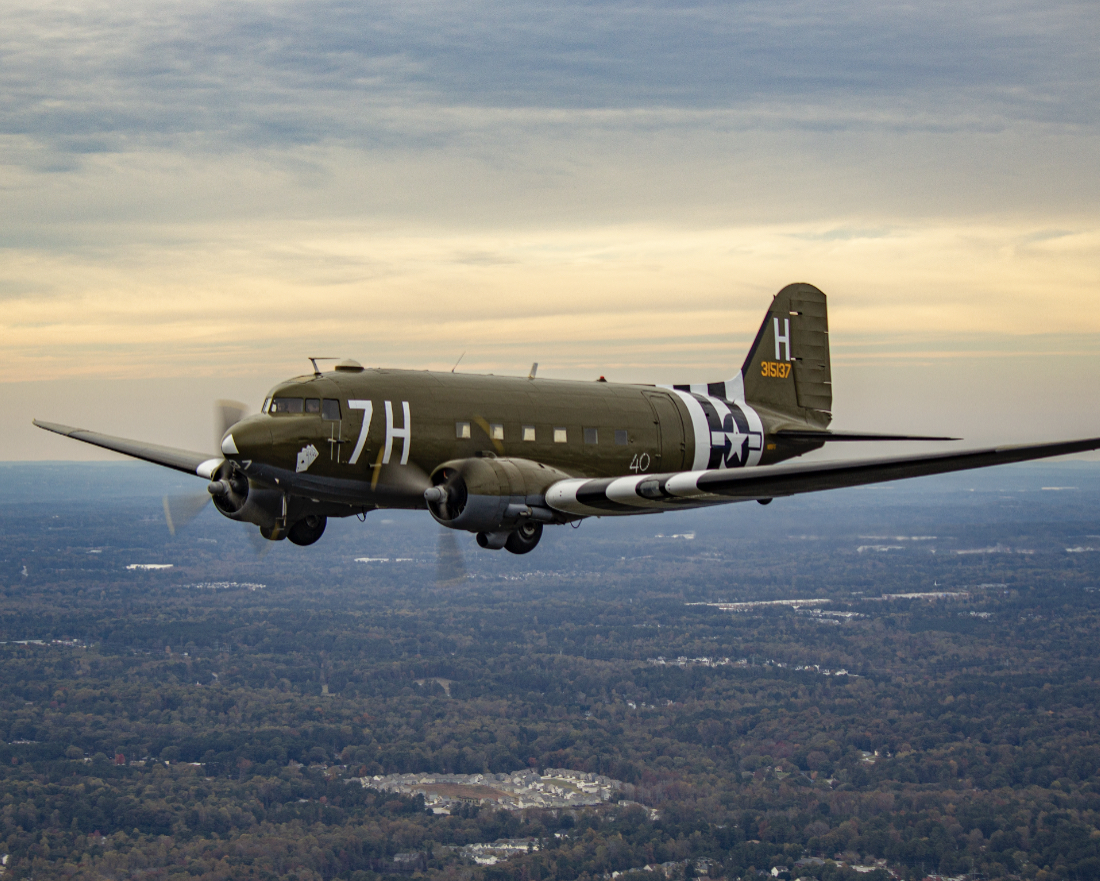
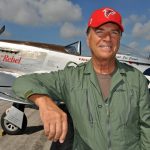
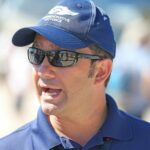
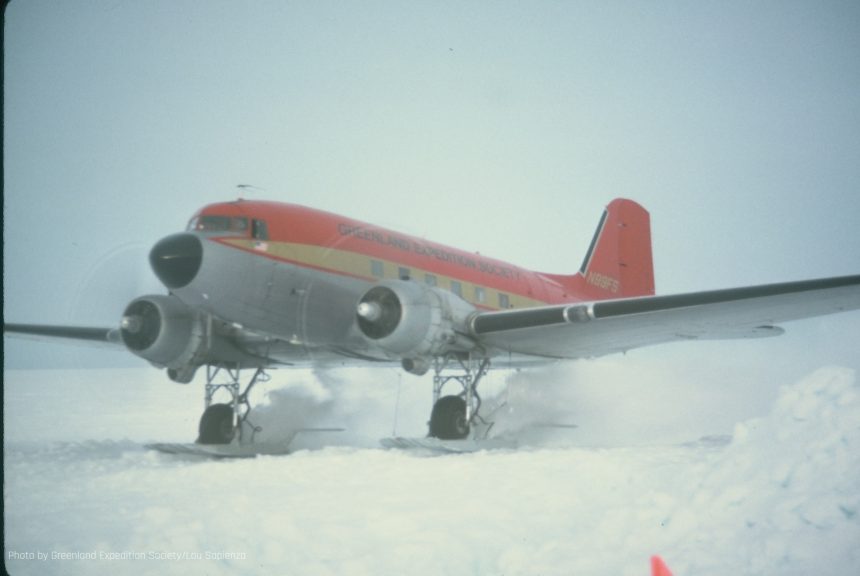
So what aircraft would you choose to support an expedition tasked with recovering a Lockheed P-38 Lightning buried beneath more than 260 feet of Greenland’s shifting ice? The answer, unsurprisingly, was the DC-3. Legendary expedition leader Pat Epps turned to his friend Don Brooks, who provided his Douglas C-47A (serial number 42-92606, civil registration N99FS) to transport tools, supplies, equipment, and food to the remote excavation site that would ultimately yield the famous P-38 “Glacier Girl.”
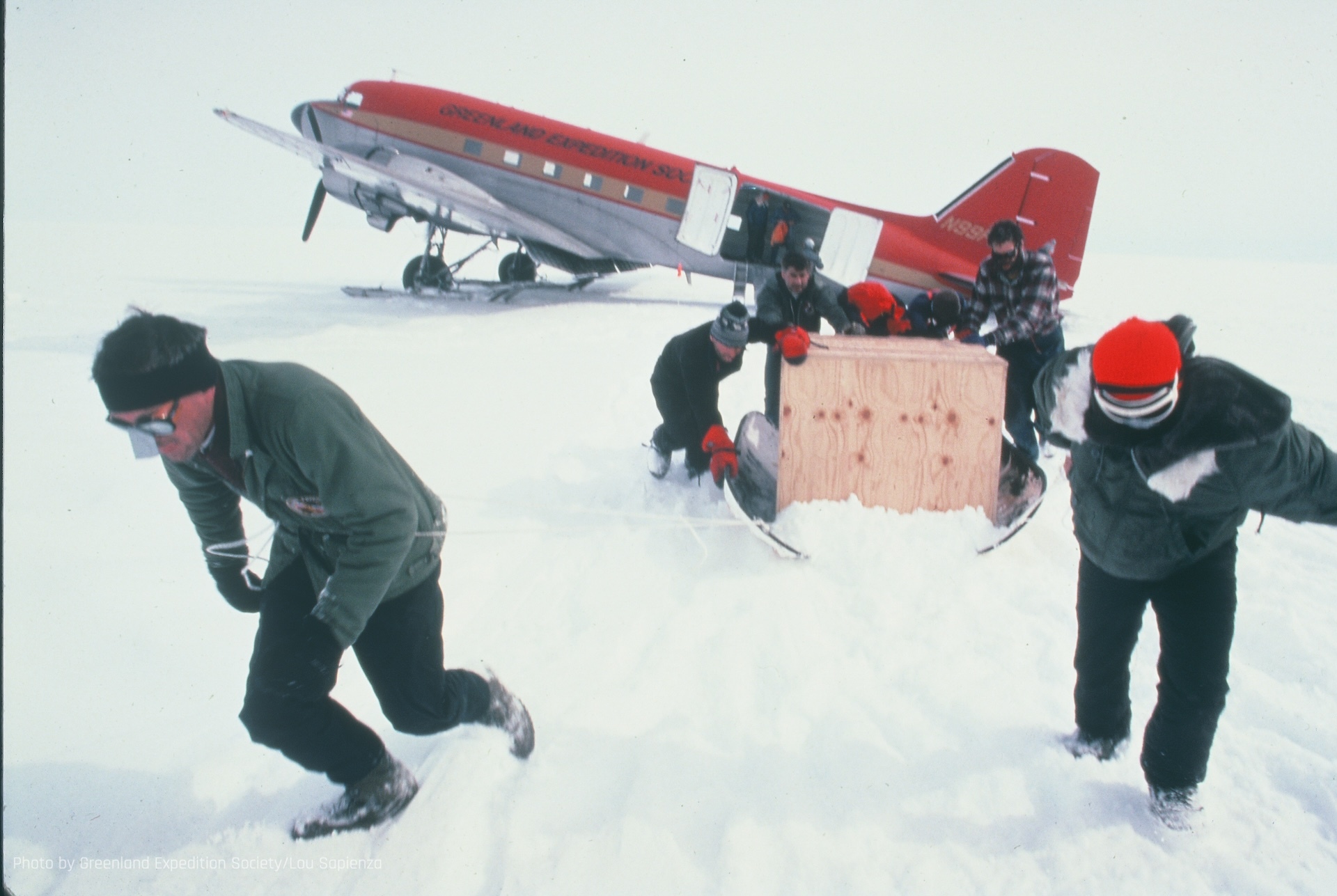
The aircraft flew countless missions to and from the site, endured multiple close calls in brutal Arctic winds, and even underwent several engine changes in Kulusuk, Greenland. It also operated on skis, adapting seamlessly to the extreme conditions, and throughout the demanding operation, it never let its crew down.

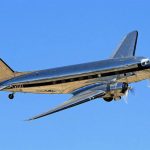
This particular airframe is a Douglas CC-129 Dakota from the DC-3 family, which includes the DC-1, DC-2, R2D, C-47, R4D, and C-53 variants. It carries construction number 12425 and last military serial 12919 CAF. Built in approximately 1943 as a C-47A-10-DK in Oklahoma City, the aircraft entered service with the U.S. Army Air Forces as 42-92606 on 31 January 1944. Shortly thereafter, it was transferred under Lend-Lease to the Royal Air Force as KG395, serving with RAF No. 45 Group and No. 48 Squadron before moving to No. 437 Squadron of the Royal Canadian Air Force in 1945. In 1946, the aircraft was formally taken on strength by the RCAF and later served with No. 429 Squadron and No. 1 Air Navigation School in Winnipeg by 1952. It transitioned to Canadian Armed Forces service in June 1970 as CC-129 12919, flying its final navigator training course in 1975. A civilian registration, C-GZCR, was reserved in 1977 but never taken up.
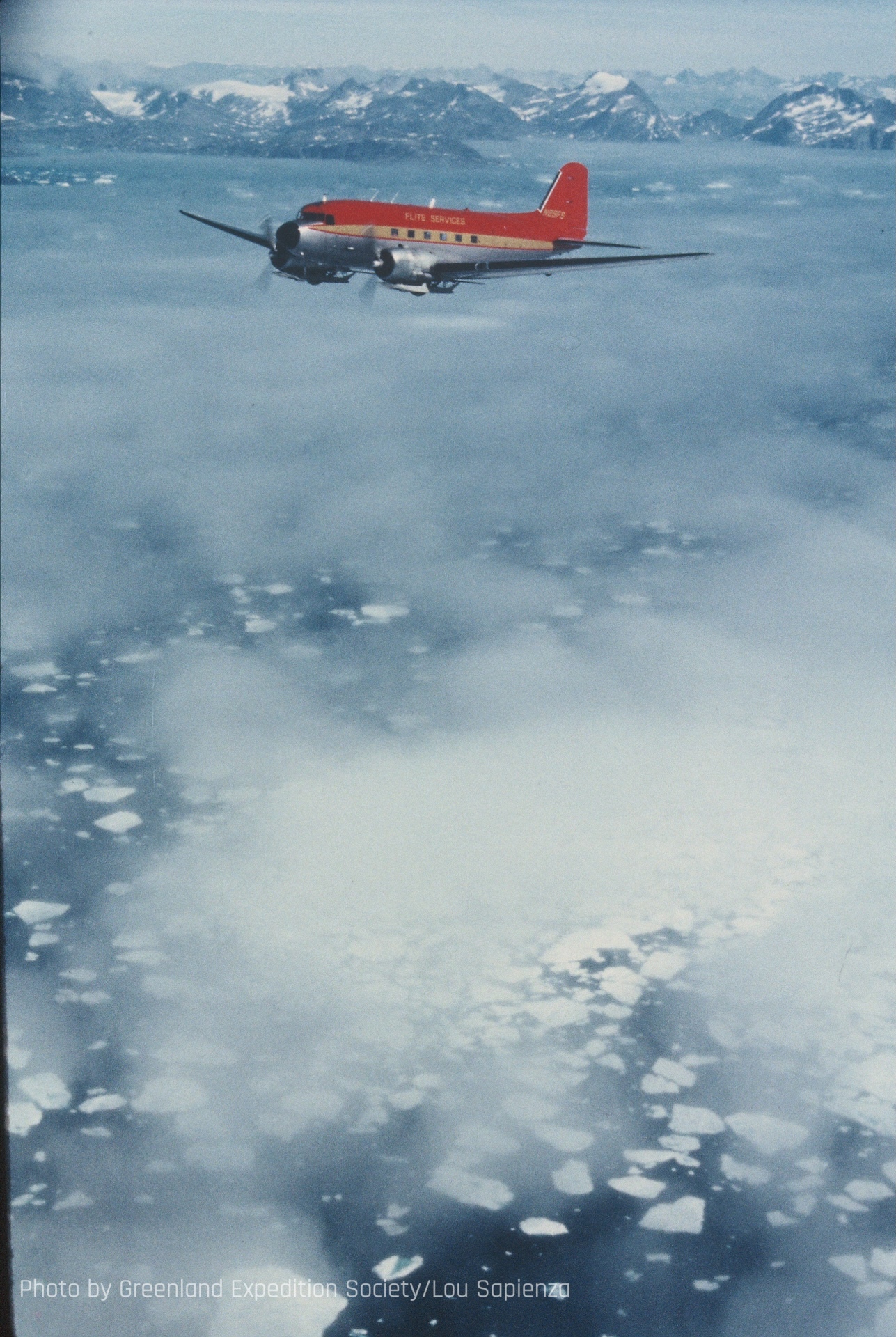
The aircraft entered civilian service in 1980 as N89BF, based at DeKalb–Peachtree Airport in Atlanta, Georgia. It was later re-registered as N99FS, and since 31 March 1989 has been owned by Brooks Aviation Inc at Douglas Municipal Airport in Douglas, Georgia. Over the years, it has remained active, appearing at airshows and wearing several notable paint schemes, including those of the Greenland Expedition Society. Still owned by Don Brooks today, the aircraft is now operated by the Liberty Foundation under the name “Chalk 40,” continuing its remarkable legacy as one of the most capable and enduring aircraft ever built.