
(Image credit: VAN)
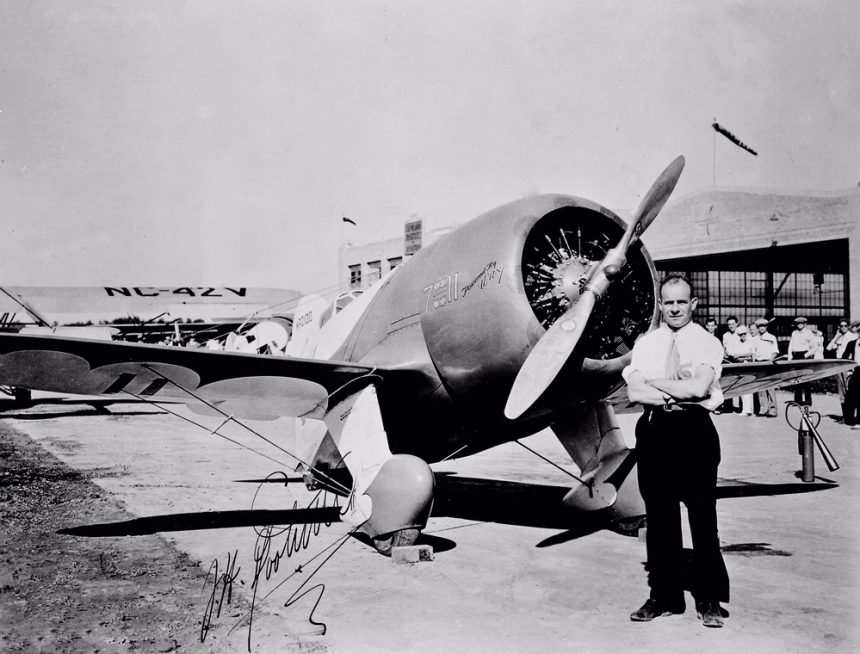
On September 3, 1932—93 years ago today—renowned aviator James H. “Jimmy” Doolittle set a new world landplane speed record during the Cleveland National Air Races. Flying the formidable Gee Bee R-1 (registration NR2100), Doolittle reached an average speed of 309.04 mph (497.35 km/h) over the 3-kilometer course, shattering the previous Fédération Aéronautique Internationale (FAI) record of 294.42 mph (473.82 km/h). His record-setting performance also secured him victory in the prestigious Thompson Trophy Race.
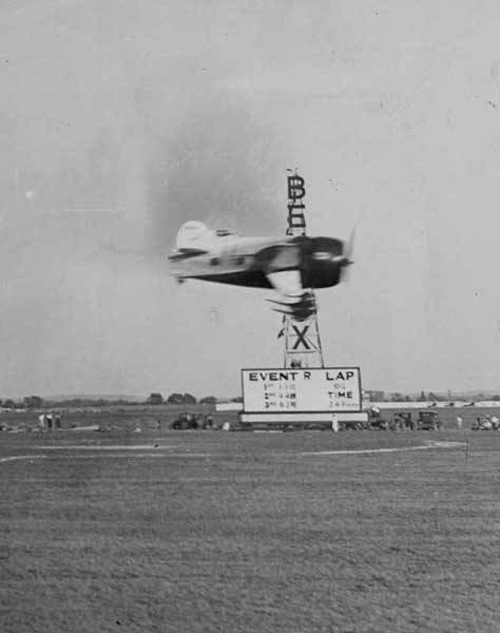
This triumph came after two earlier unsuccessful attempts to claim the world speed record. By finally breaking through, Doolittle surpassed French pilot Warrant Officer Bonnet in the FAI record books, earning the coveted title of the world’s fastest pilot. Conditions were far from ideal—gusty crosswinds swept the Cleveland course at 6 mph, and partway through the run, the Gee Bee began leaking oil, obscuring Doolittle’s vision. Ever the pragmatist, he later remarked, “I’m contented with this,” though he suspected the impairment had cost him as much as five additional miles per hour.
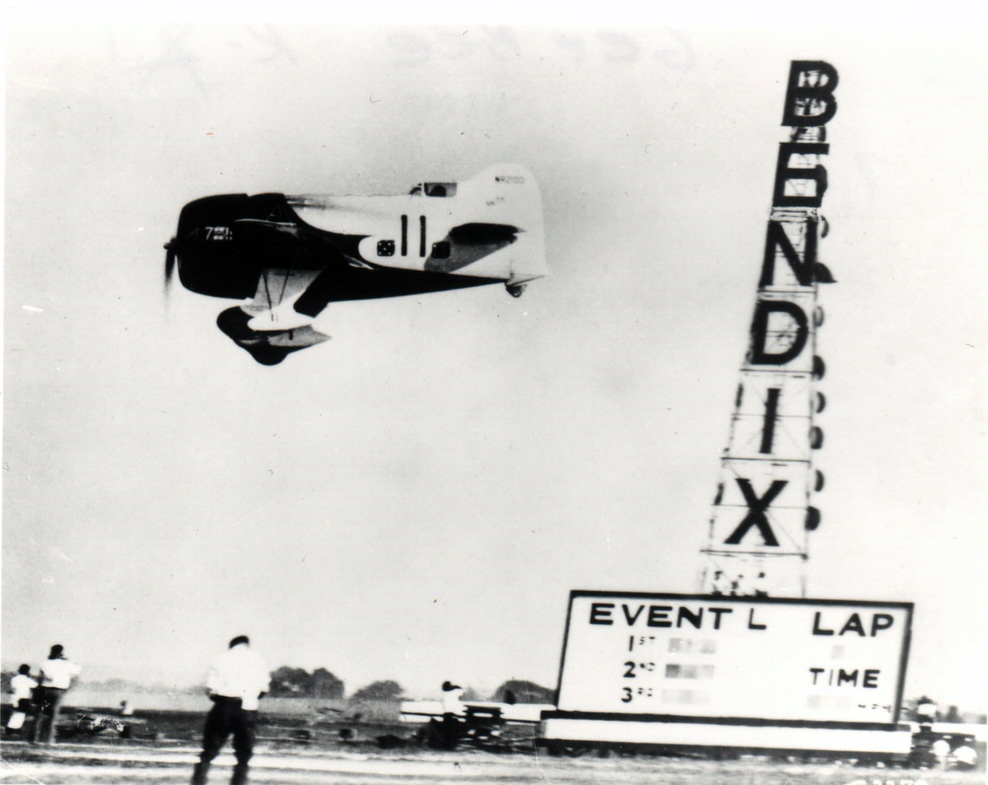
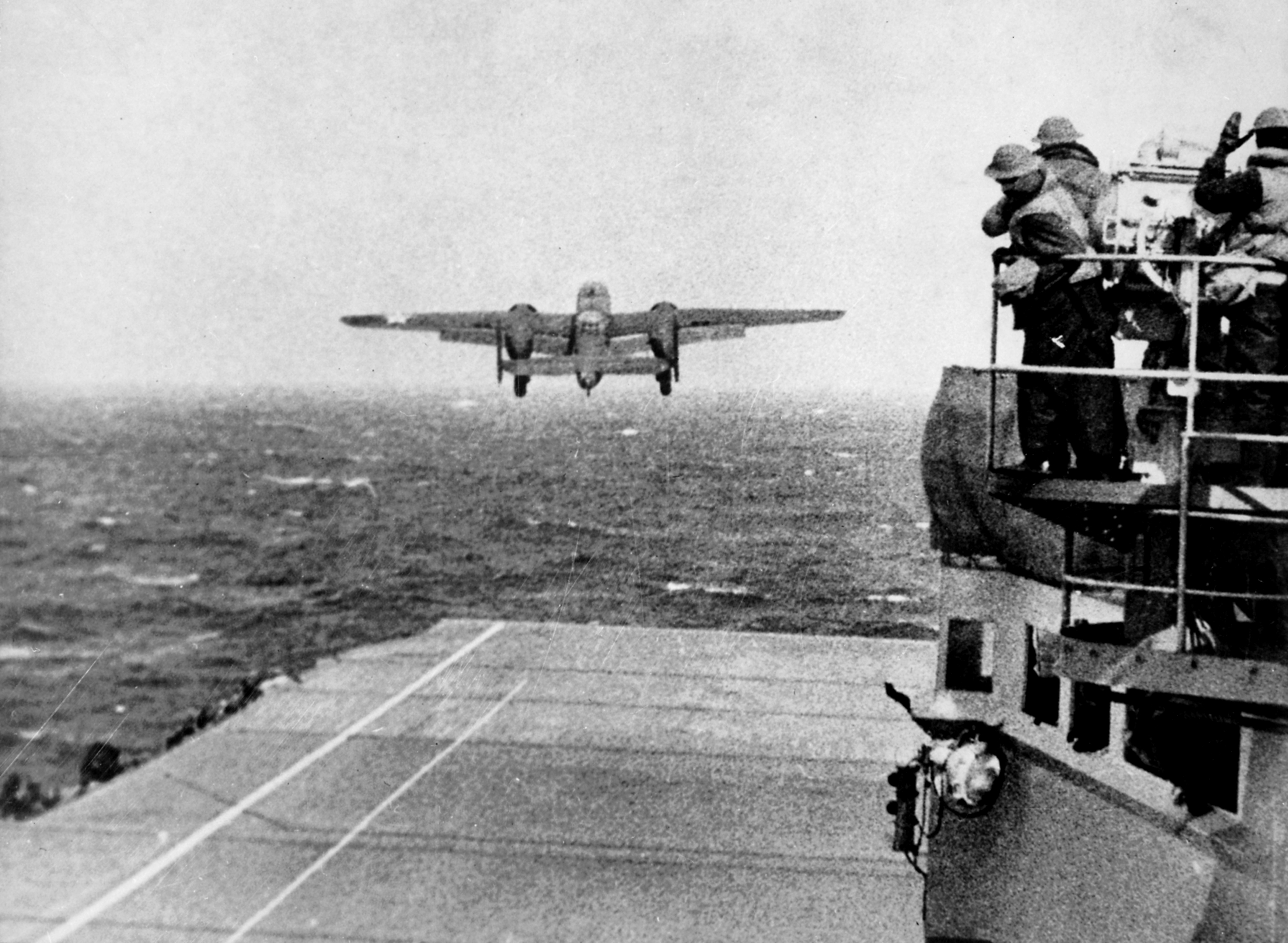
The combination of Doolittle’s skill and the daring design of the Gee Bee R-1—a notoriously fast but unforgiving racing aircraft—proved unbeatable. While this record was just one of many achievements in his aviation career, Doolittle’s legacy would ultimately be defined not by racing, but by his leadership during World War II. In April 1942, he planned and led the famous Doolittle Raid, a bold strike in which U.S. Army Air Forces B-25 Mitchell bombers launched from the aircraft carrier USS Hornet to attack Tokyo in retaliation for Pearl Harbor. The raid provided a critical boost to American morale and showcased the reach of U.S. air power.
Doolittle’s wartime service continued at the highest levels of command. Promoted steadily through the ranks, he led the Twelfth Air Force in North Africa, the Fifteenth Air Force in the Mediterranean, and ultimately the Eighth Air Force in Europe from 1943 to 1945. For his valor and contributions, he was awarded both the Medal of Honor and the Medal of Freedom. James H. Doolittle passed away on September 27, 1993, and was laid to rest at Arlington National Cemetery. Remembered as both a fearless racing pilot and a brilliant military commander, his name endures among the greatest pioneers in aviation history.