
(Image credit: VAN)
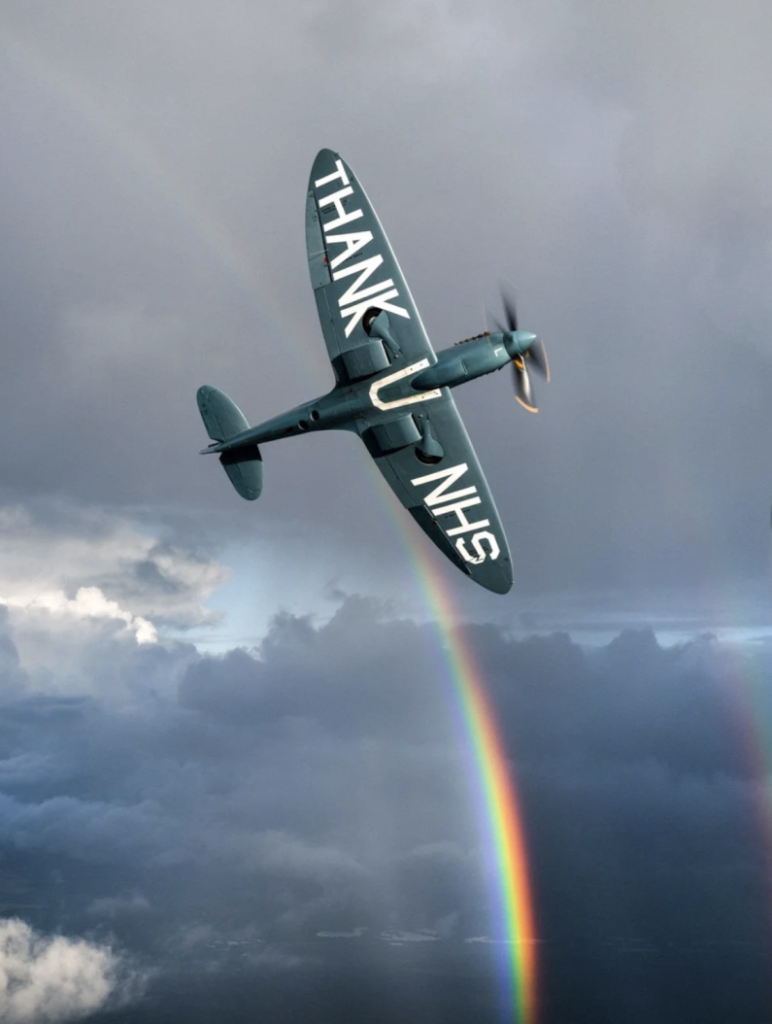
On this day in aviation history, 72 years ago (April 1, 1954), the final operational flight of a Royal Air Force Supermarine Spitfire took place. First taking flight on March 5, 1936, the Spitfire is an iconic British single-engine fighter aircraft, one which contributed greatly to the Allied Victory of World War II. Spitfires entered service on August 4, 1938, and would be on hand during the Battle of Britain. Alongside the Hawker Hurricane, the Supermarine Spitfire would defend the British mainland from the German Luftwaffe’s relentless assault.
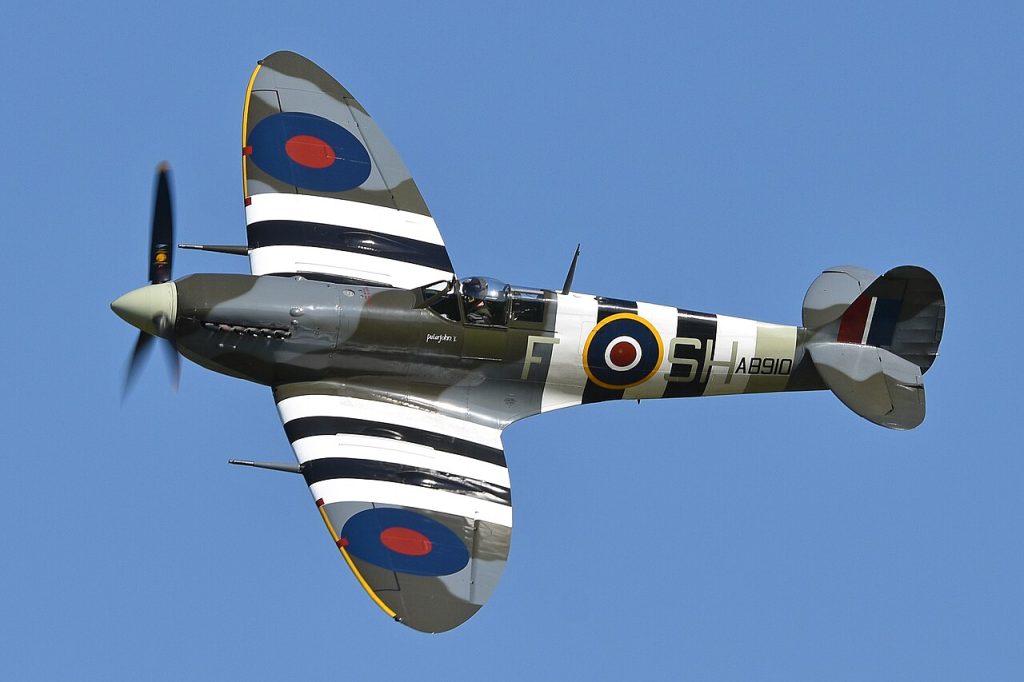
For the remainder of World War II, the “Spit” would continue to serve with grace, precision, and strength. Post Battle of Britain, the Supermarine fighter would surpass the Hurricane as the RAF Fighter Command’s principal aircraft. Spitfires would see action in the Second World War’s most notable campaigns, including the European, Mediterranean, Pacific, and South-East Asian theatres. In addition to serving as a fighter, the Spitfire was flown as an interceptor, a photo-recon platform, a fighter-bomber, and as a trainer, all roles that would continue post-WWII into the 1950s.
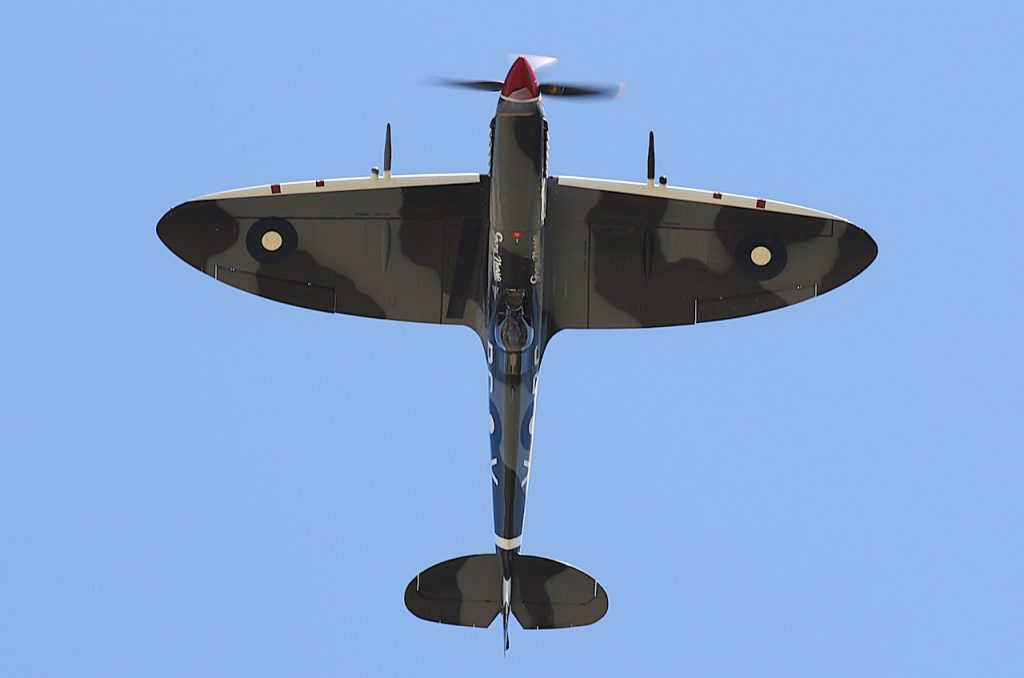
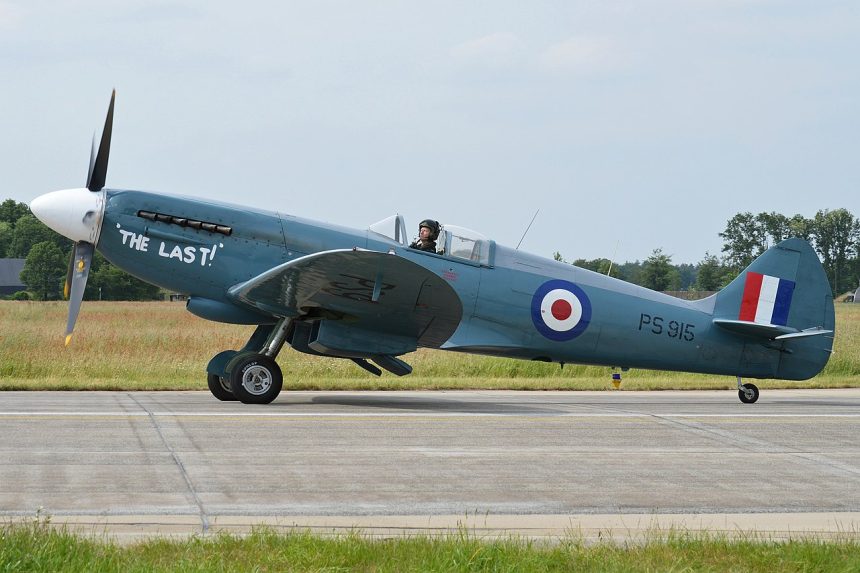
The Supermarine Spitfire’s final operational sortie would occur in the midst of Operation Firedog, during the Malayan Emergency. During this conflict, Spitfires flew 1,800 operational sorties against the Malayan Communist forces. On April 1, 1954, the legendary fighter would fly one final mission against enemy forces, a photo-recon flight over the jungle near Johore, Malaysia. Communist guerrillas were thought to be hiding here, and it was up to PR Mk 19 Spitfire PS888, of the 81 Squadron, to determine their exact whereabouts. Prior to takeoff from RAF Seletar, the aircraft’s ground crew painted the noseart “The Last” on PS888. The final non-operational flight of the Spitfire would occur on June 5, 1957, from RAF Woodvale. During this final flight, Spitfire PR Mk 19 PS583, also of 81 Squadron, would perform weather evaluations.