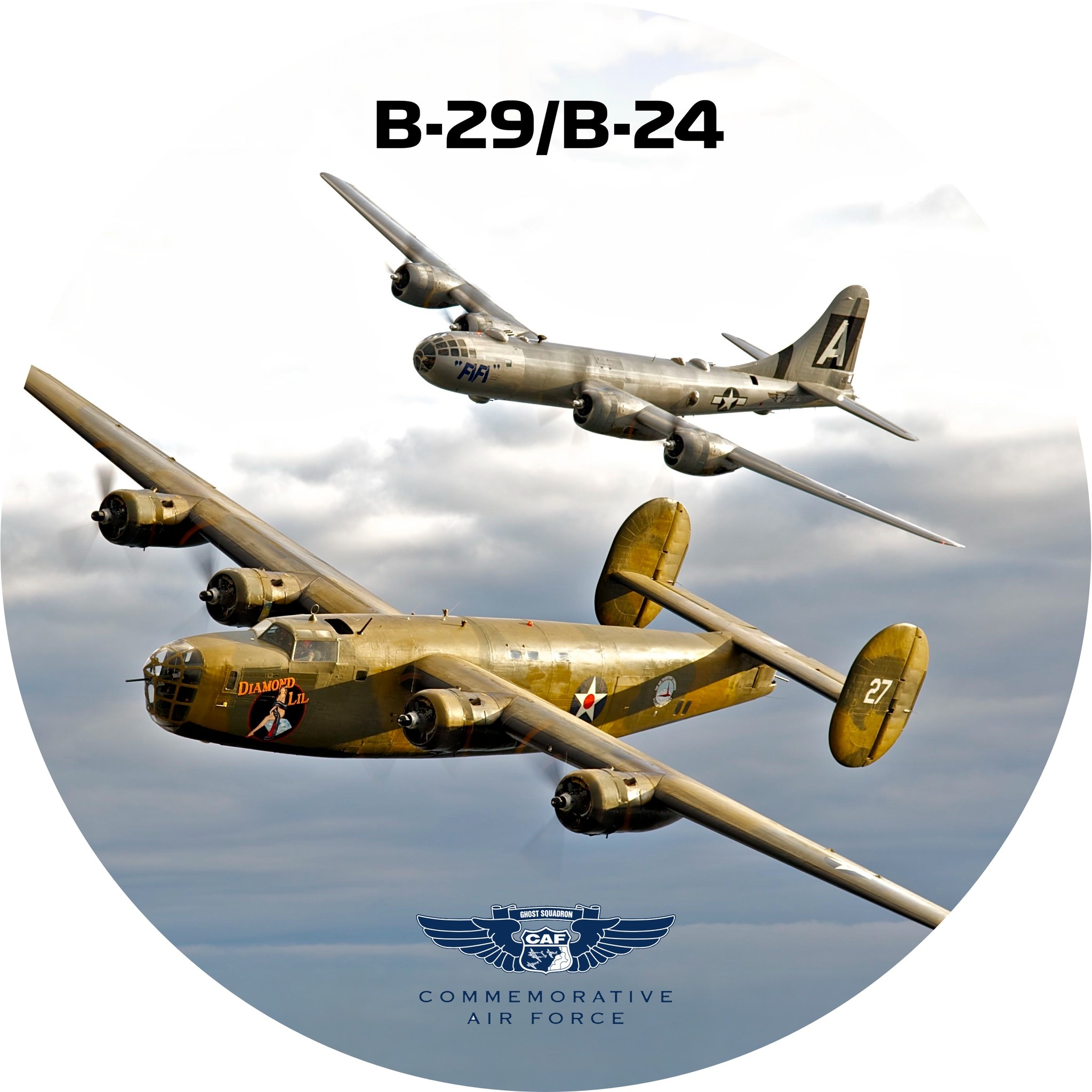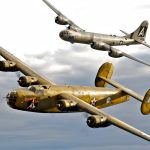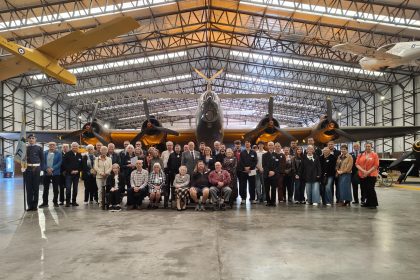
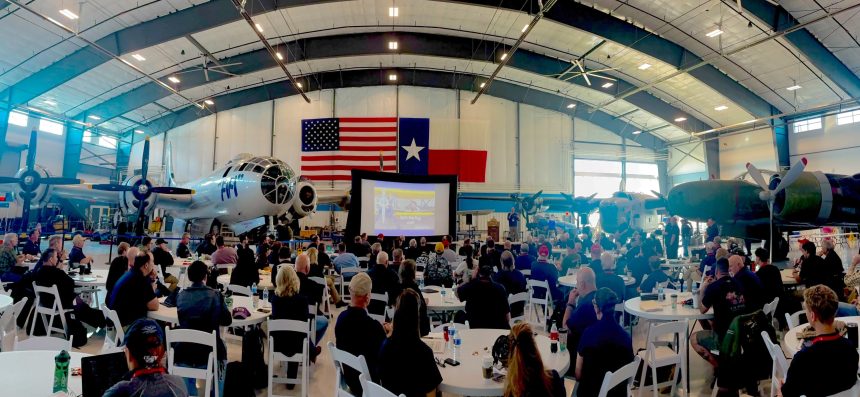

As part of its ongoing commitment to safety, education, and operational excellence, the Commemorative Air Force (CAF) recently held its annual B-29/B-24 Squadron Ground School—an intensive, multi-day training event designed to ensure crews across all disciplines are aligned, informed, and prepared. The event took place over the weekend of March 14–15 at CAF Headquarters in Dallas. The ground school brought together pilots, flight engineers, ground crew members, and tour operators for a structured program focused on aircraft systems, operational procedures, and safety standards. Noel Mareno, CAF Director of Maintenance, attended the event as an observer and came away impressed by both the organization and the level of professionalism. “They did a great job,” Mareno said. “It was very well attended, and all the presentations were professional.”
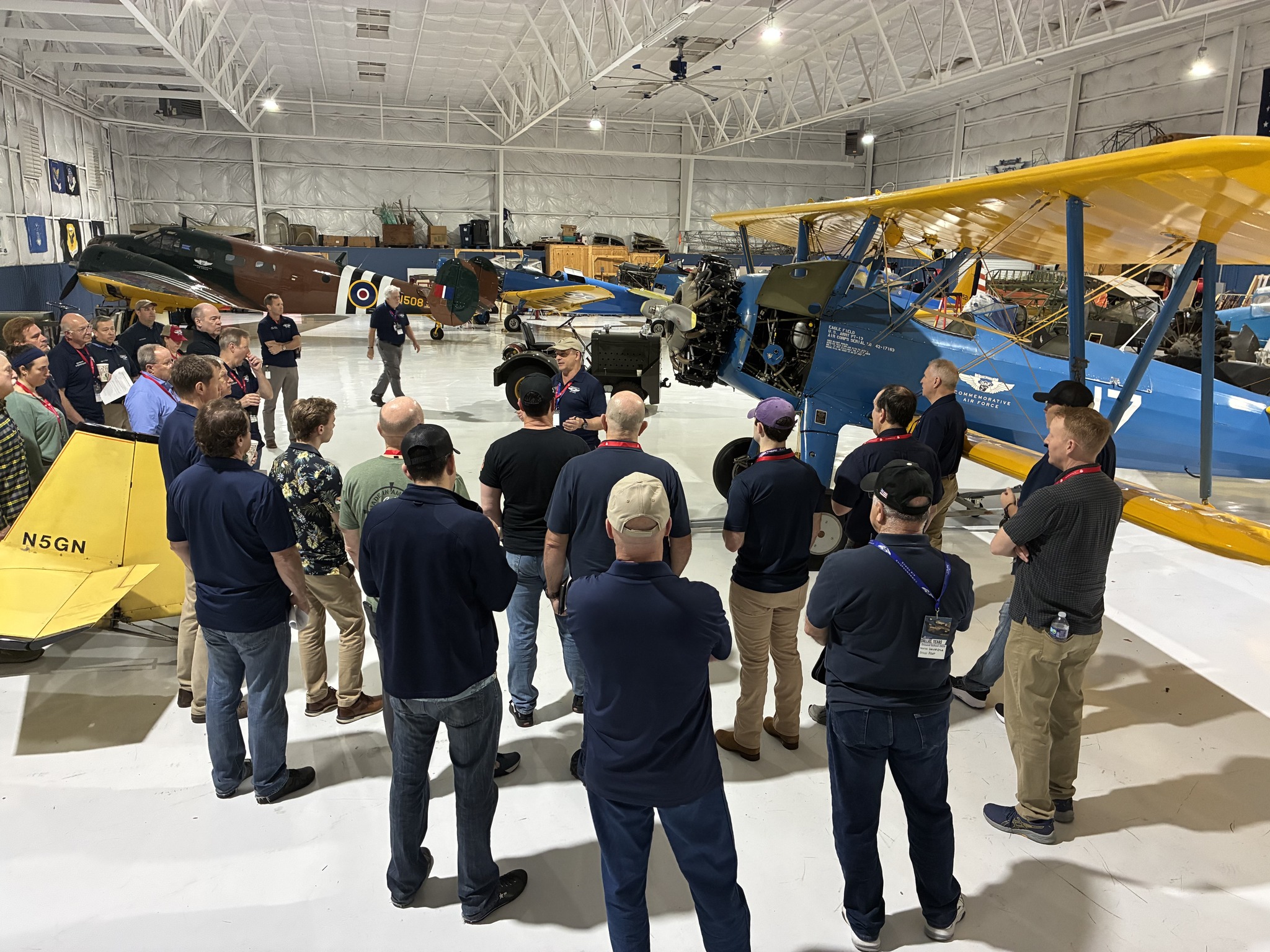
A Culture of Continuous Learning
Aviation demands continuous learning, regular training, and routine checkrides. Being a pilot is far from a “learn it and forget it” endeavor; it requires ongoing practice and knowledge refreshment. Skills that are left unused can atrophy, and information that isn’t reviewed can be forgotten. A pilot whose abilities peak on the day of their checkride risks becoming a liability. To stay sharp and ensure safety for themselves and their passengers, pilots must embrace continuous improvement through learning and practice. Recurrent training is a cornerstone of aviation safety, keeping pilots updated on the latest procedures, technologies, and regulations. It reinforces flying skills and helps identify and address errors before they lead to incidents. This principle holds equally true for the warbird community, where operating historic aircraft comes with unique challenges.
A Structured, Systems-Focused Approach
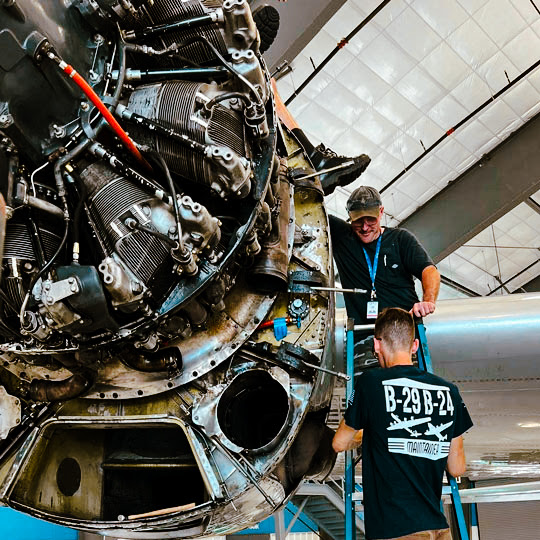
The ground school followed a carefully planned schedule, with each day dedicated to specific aircraft and training priorities. Friday afternoon focused on the B-24 Liberator, with in-depth discussions covering the aircraft’s systems. Presentations were designed to provide a comprehensive understanding of how the aircraft operates, ensuring that all participants—regardless of role—share a common technical foundation. Saturday shifted to the B-29 Superfortress, one of the most complex aircraft in the CAF fleet. Given the sophistication of its systems, the sessions provided extensive, detailed instruction, helping crews better understand both normal operations and potential challenges. “They divide it up by systems on the different airplanes,” Mareno explained. “They’re big, organized presentations, and they go into extensive discussions.”
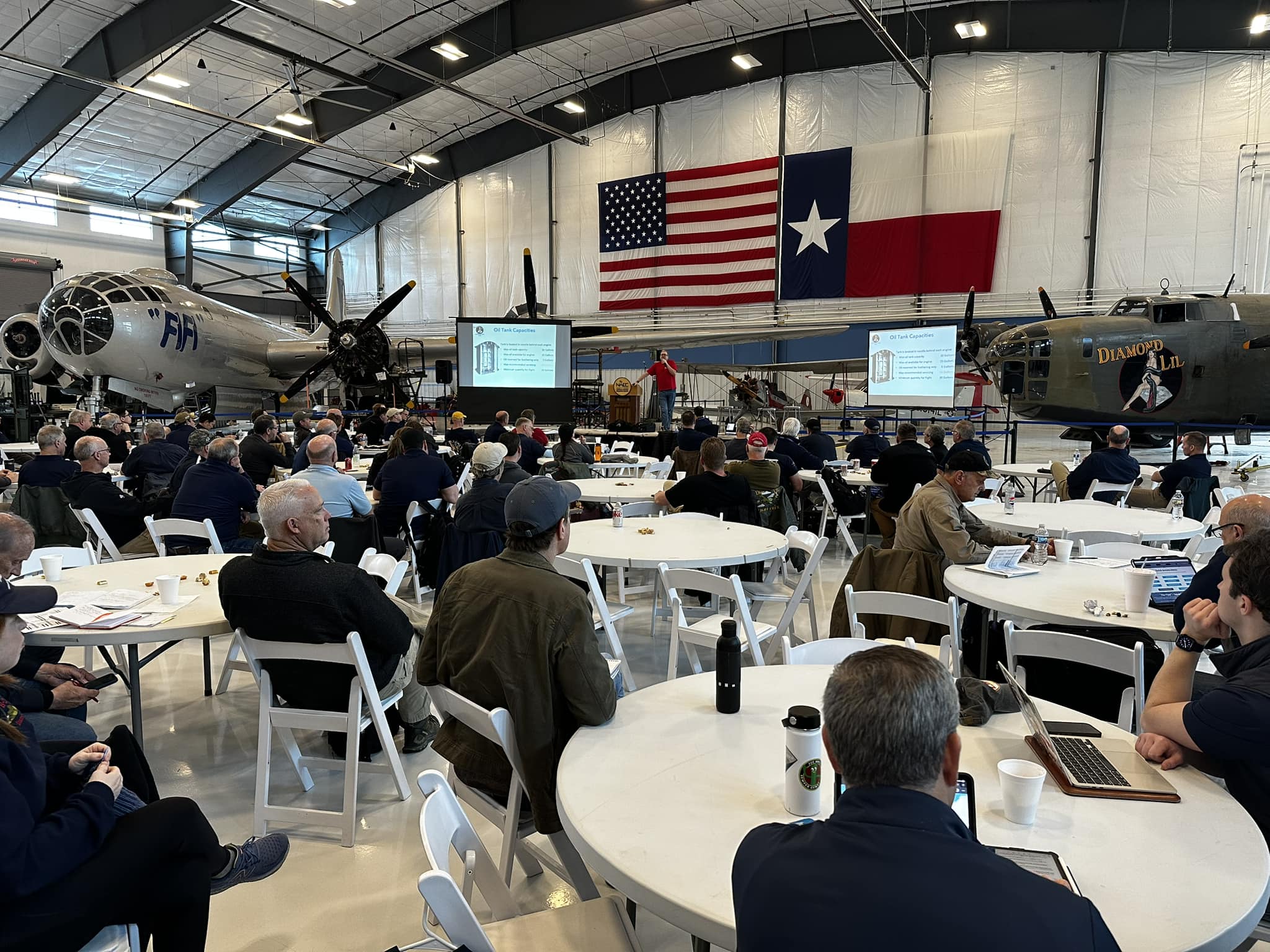
Role-Specific Training and Collaboration
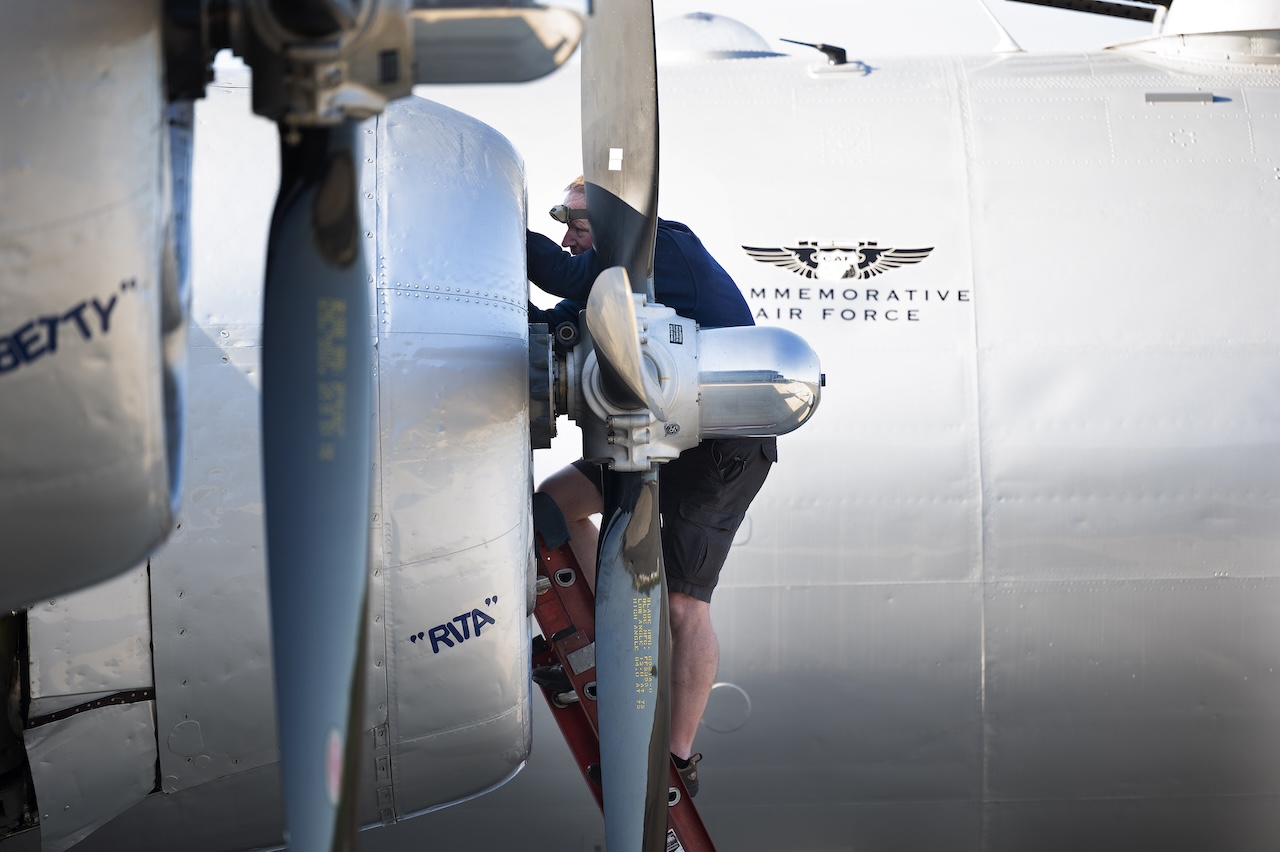
On Sunday, the program transitioned into breakout sessions tailored to specific roles within the organization. Pilots, flight engineers, ground crews, and tour operators each met separately to focus on the unique responsibilities and challenges of their positions. This structure allows participants to not only deepen their technical knowledge but also better understand how their role fits into the larger operation of the aircraft. “It helps people understand what their roles are and ensures they’re properly trained,” Mareno said.
Emphasizing Safety and Operational Standards
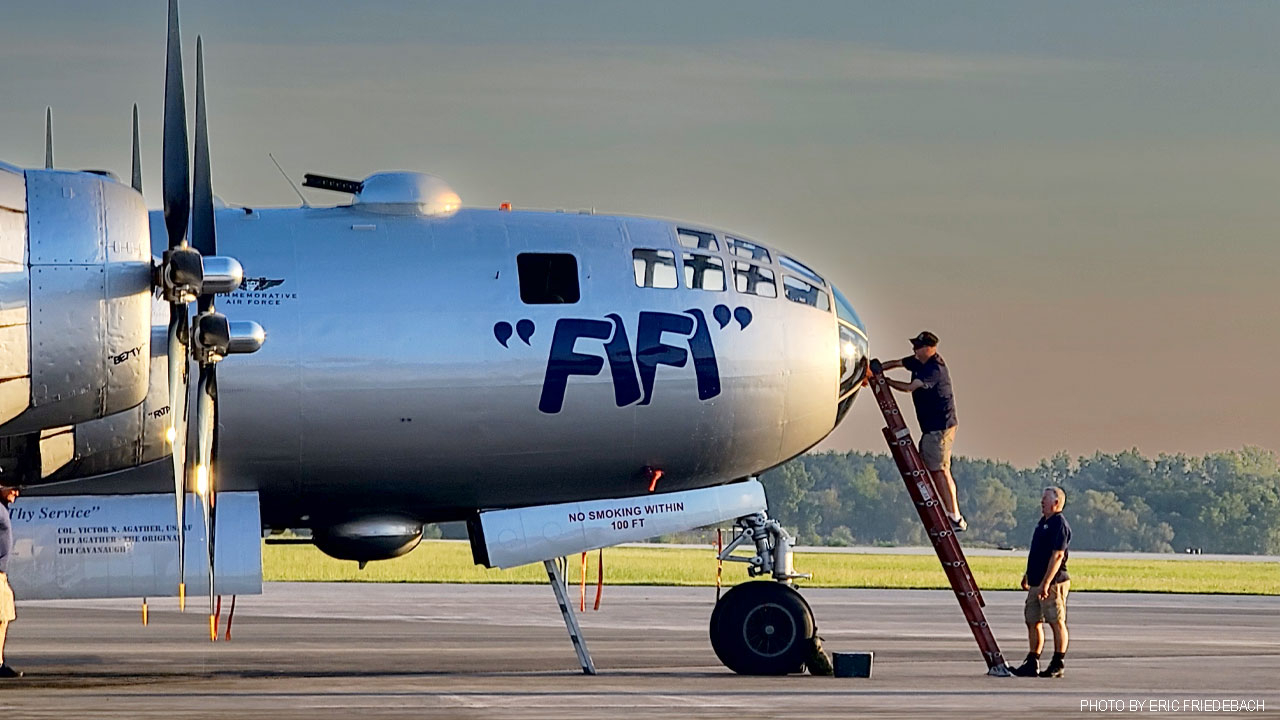
Beyond technical instruction, the ground school also placed strong emphasis on safety and operational awareness. Topics such as safety procedures and insurance considerations were incorporated into the curriculum, reinforcing the importance of responsible operation across all aspects of CAF activities. “We want to be sure that we operate safely,” Mareno noted. “That people understand what they’re doing and that everything is done the right way.” This focus is especially critical given the complexity and historical significance of the aircraft involved. The B-29 and B-24 are among the most iconic—and demanding—aircraft in the CAF fleet, requiring a high level of coordination and expertise to operate safely.
Building Consistency Across the Organization
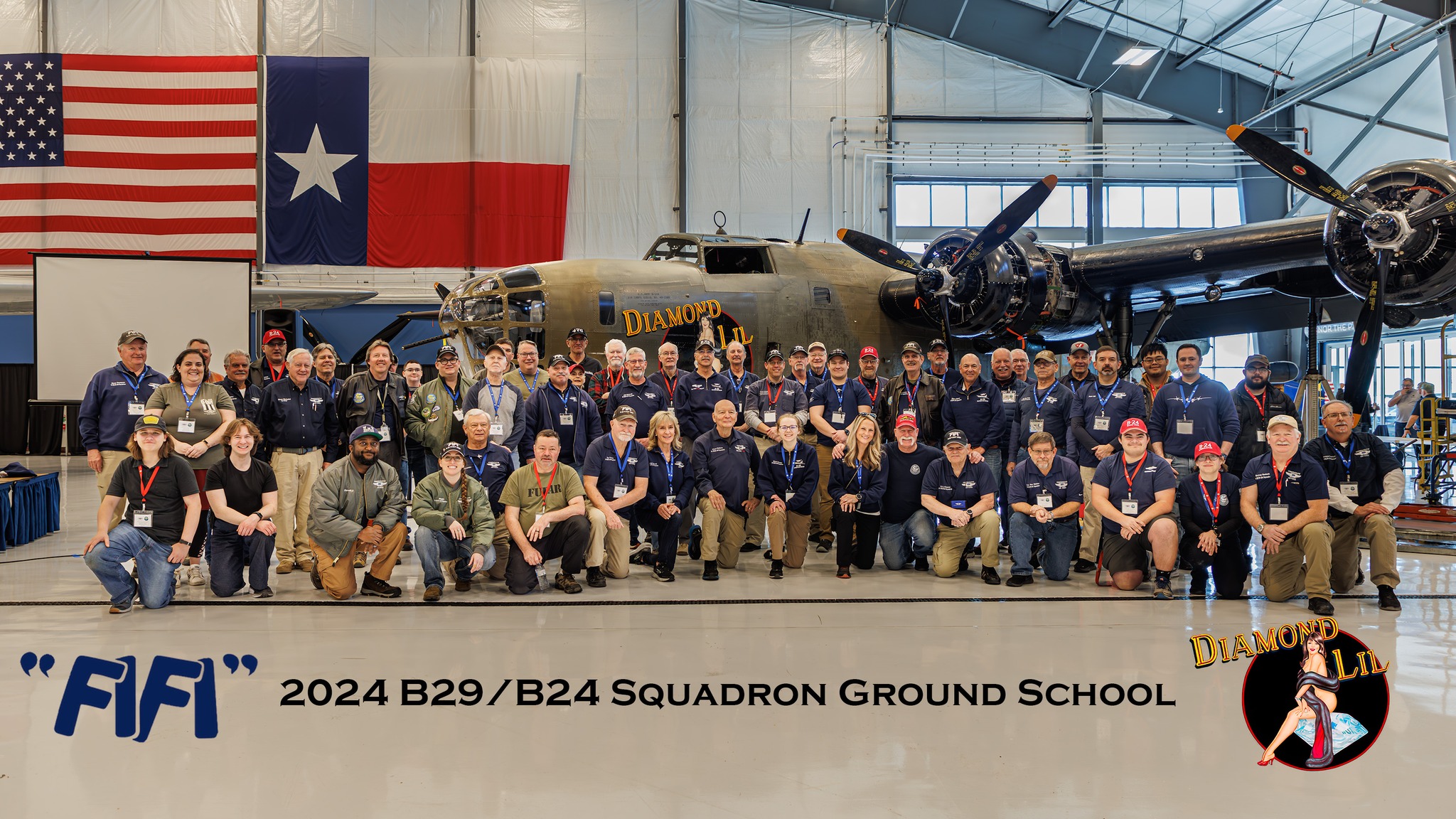
Like the CAF’s maintenance workshops, the B-29/B-24 Squadron Ground School plays a key role in standardizing practices across geographically dispersed units. By bringing participants together in a shared learning environment, the CAF ensures that procedures, expectations, and knowledge remain consistent throughout the organization. The event also fosters collaboration and communication, allowing participants to exchange experiences, ask questions, and learn from one another.
Preserving the Mission Through Training
Ultimately, the ground school supports the CAF’s broader mission: to preserve and showcase historic World War II aircraft while maintaining the highest standards of safety and professionalism. Through structured training, detailed system education, and role-specific instruction, the B-29/B-24 Squadron Ground School ensures that every individual involved—from pilots to tour operators—is equipped to contribute to that mission. As Mareno observed, the success of the program reflects both the dedication of its organizers and the commitment of those who participate—an essential combination in keeping these historic aircraft flying for generations to come. As part of their annual “Airpower History Tour,” the Squadron tours the country, showcasing American air power while carrying out our mission to honor, educate, and inspire. For more information or to join the Squadron, visit www.cafb29b24.org.