

(Image credit: VAN)
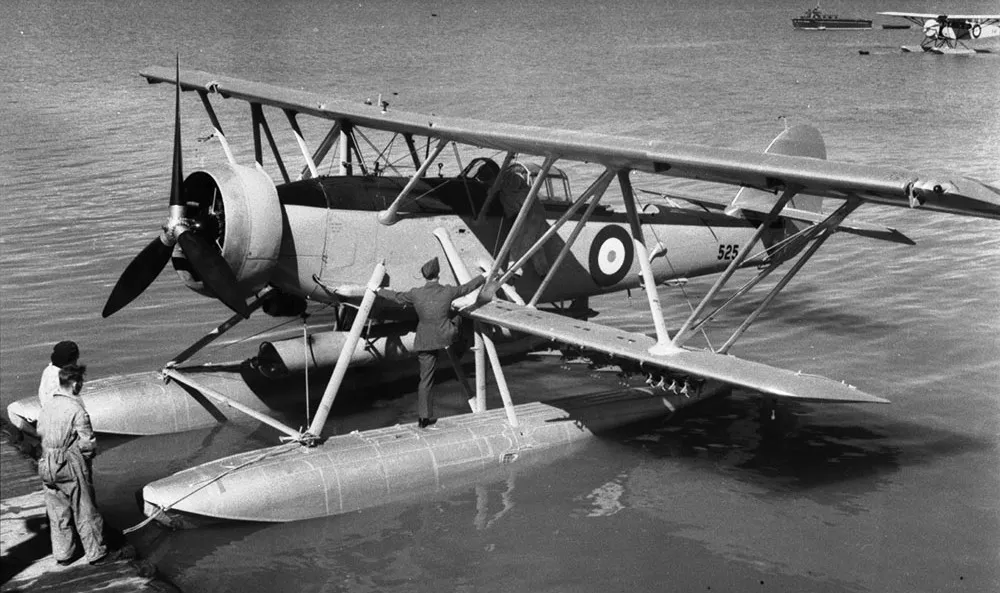
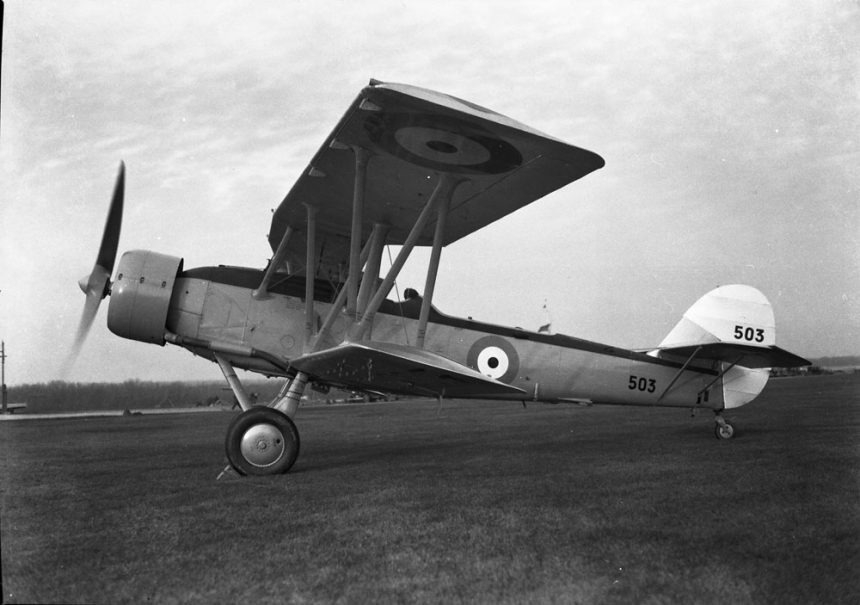
On this day in aviation history, 89 years ago (November 17, 1936), the Royal Canadian Air Force officially accepted the Blackburn Shark into service. The Shark was a British-designed carrier-based torpedo bomber, manufactured by Blackburn Aircraft. This Naval torpedo bomber was originally called the Blackburn T.S.R., short for “Torpedo Spotter Reconnaissance,” which were the intended roles of the aircraft when it was in development. Blackburn’s Shark was the company’s final biplane torpedo bomber design to be manufactured.
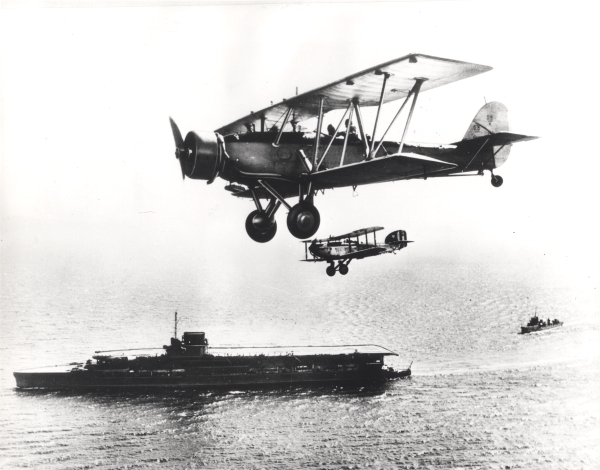
The Blackburn B-6 Shark prototype first flew on August 24, 1933, after being developed to comply with Air Ministry Specification S.15/33. This order sought a multi-role aircraft that could handle torpedo bombing, along with spotting and reconnaissance missions. The Fleet Air Arm was to be the recipient of the resulting aircraft. Blackburn’s T.S.R. prototype was a significant change from previous company models, featuring slanted struts in place of the previously used streamlined bracing wires. The wings were foldable, as was the case on previous Blackburn bombers, but the landing gear was improved for deck handling. The production Shark featured a lengthened fuselage for reinforced strength during catapult launches. Watertight compartments were added, as well.
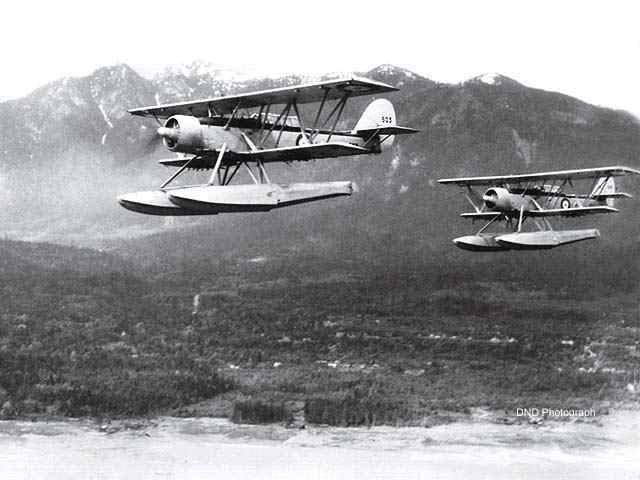
Shark Mk. IIs were powered by a 760-horsepower Armstrong Siddeley Tiger VI 14-cylinder radial engine. The aircraft had a cruise speed of 118 miles per hour and a maximum speed of 150. A crew of 3 manned the Shark, which had a range of 543 nautical miles and a service ceiling of 15,600 feet. One forward-firing .303-inch Vickers machine gun, and another flexible 0.303 Vickers K or Lewis machine gun provided the Shark with a means of armament. Additionally, the Blackburn Shark could be fitted with an 18-inch Mark VIII torpedo, an 18-inch Mark X torpedo, or a 1,600-pound torpedo in place of the Mark X. Blackburn built a total of 269 Sharks between 1937 and 1939. The aircraft would go on to serve with the Royal Navy, Royal Air Force, Royal Canadian Air Force, and the Portuguese Navy. During the Dunkirk evacuation, Sharks were flown across the English Channel to locate and mark Kriegsmarine E-boats with flares. On these missions, the Sharks were unarmed – a daring mission. Beyond Dunkirk, Sharks served as target tugs and trainers for the remainder of the Second World War.