
(Image credit: VAN)
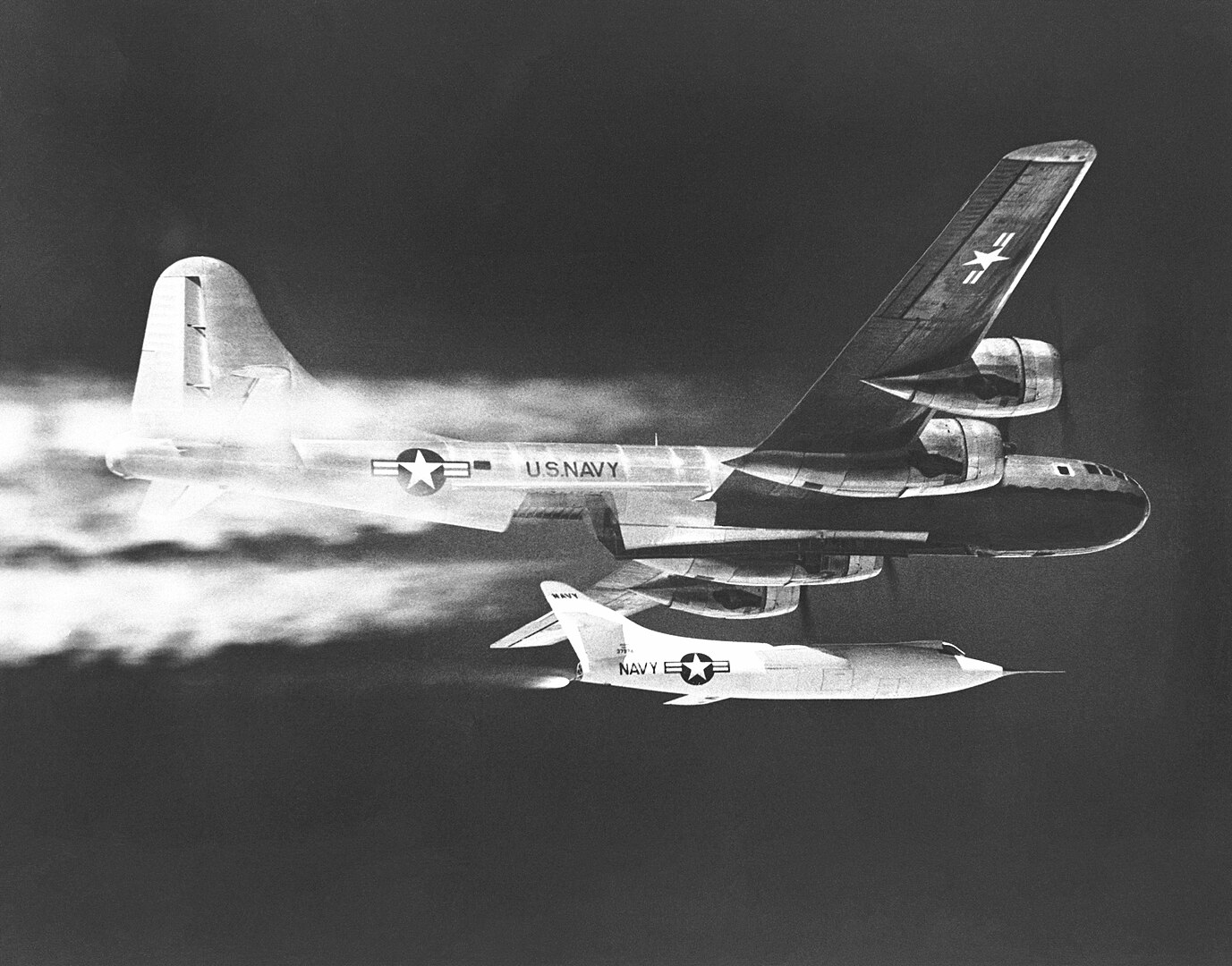
On this day in aviation history, 72 years ago (November 20, 1953), noted Naval Aviator and test pilot Albert Scott Crossfield Jr. became the first to fly Mach 2.0, which is twice the speed of sound. The flight began from NACA’s High Speed Flight Station, located at Edwards Air Force Base in California. The aircraft Crossfield was flying a Douglas D-558-II Skyrocket. It was carried up to altitude by a Boeing P2B-1S Superfortress. Once the B-29 and Skyrocket reached 32,000 feet, the ties were cut, and Crossfield was chasing history.
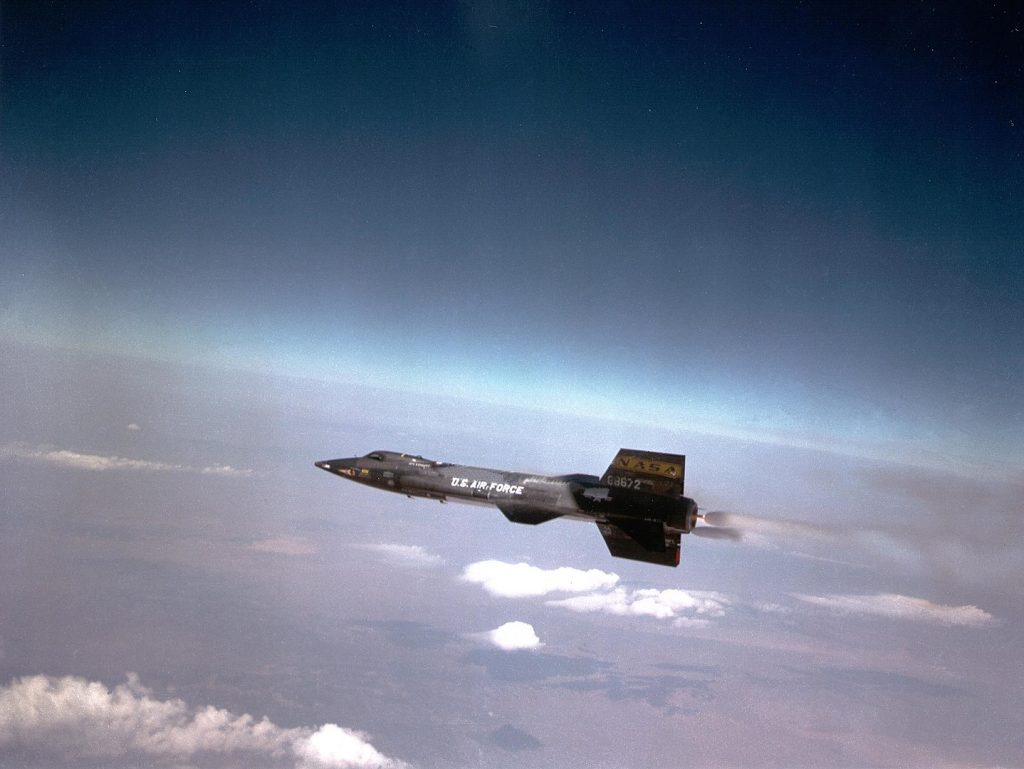
After a 400-foot drop, the Skyrocket’s engine ignited and Crossfield began to accelerate. He entered a climb up to 72,000 feet, and then leveled off. The airspeed began to build – Mach 1, Mach 1.5. Crossfield pushed the nose down into a dive, maintaining full power on the Skyrocket’s throttle. Upon reaching 62,000 feet, Crossfield and the Skyrocket reach their maximum speed in-flight, Mach 2.005 (1,291 mph). History had been made.
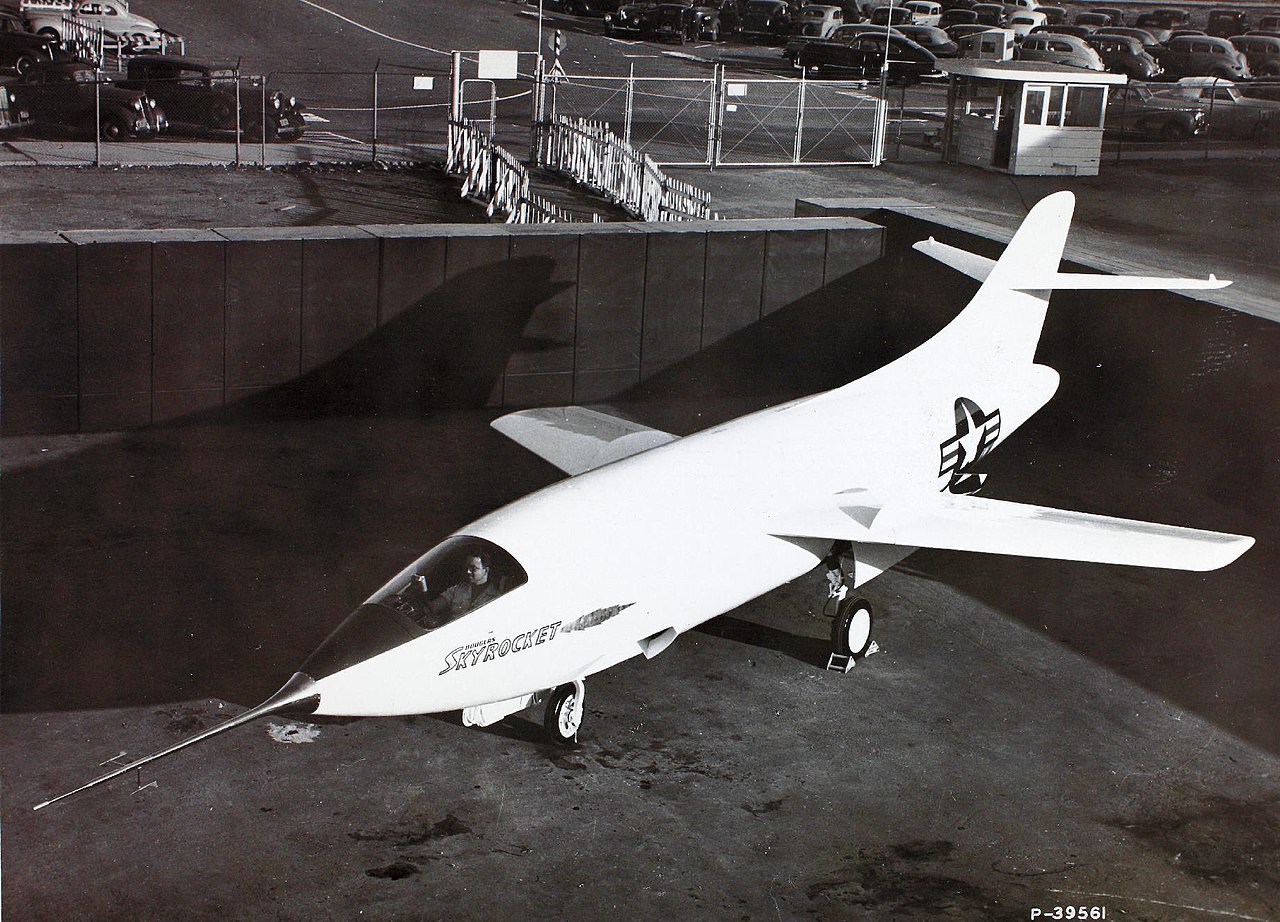
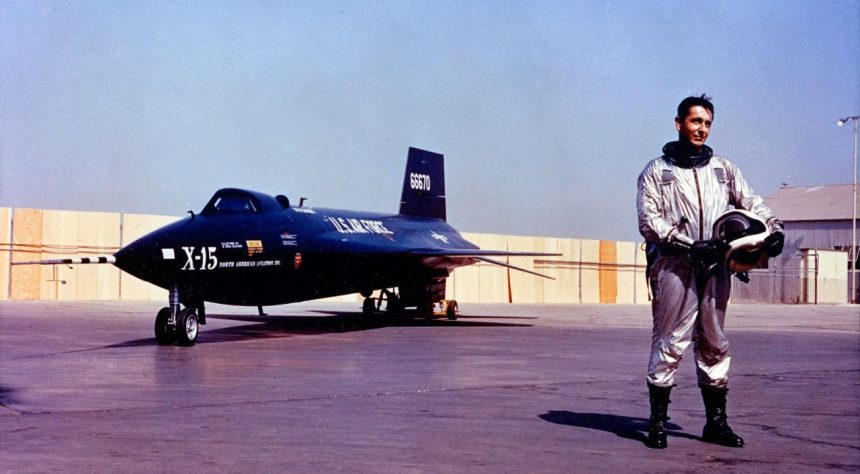
In addition to the Douglas D-558-II Skyrocket, Scott Crossfield flew the Bell X-1 and North American X-15 supersonic test aircraft. He flew 112 flights total in rocket-powered aircraft, earning him the title of most hours flown in type among test pilots. Between the three Douglas Skyrocket airframes built, a total of 313 test missions were flown during their career. First flown on February 4, 1948, the D-558-II was an experimental high-speed research aircraft. The Skyrocket featured two powerplants, a Westinghouse J34-WE-40 turbojet engine (with 3,000 pounds of thrust) and a Reaction Motors XLR8-RM-5 rocket engine (with 6,000 pounds of thrust). In addition to attaining a maximum speed in excess of Mach 2.0, the D-558-II could climb at 22,400 feet per minute while using mixed power.
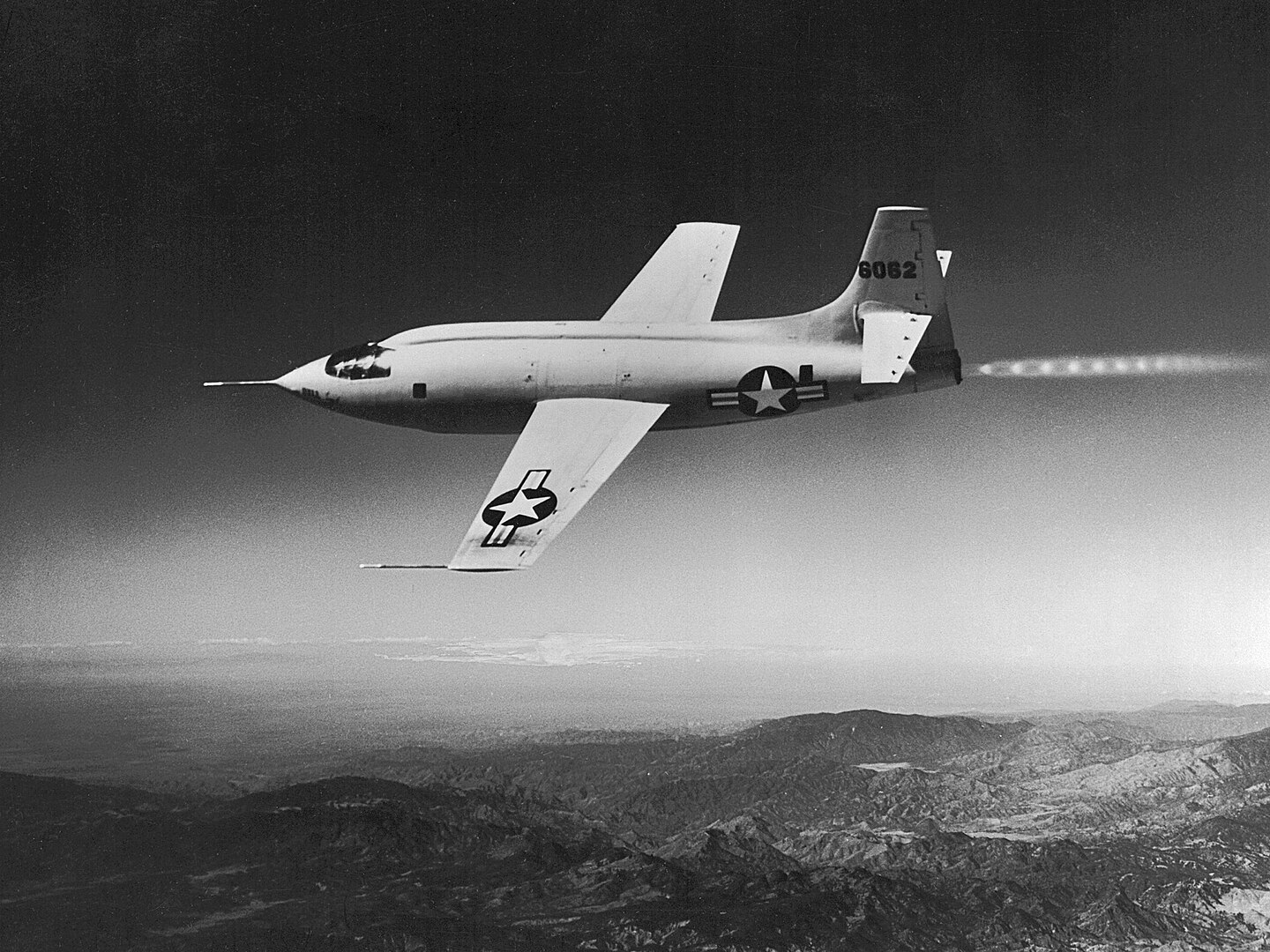
All three of the Skyrockets built still survive today. The first Skyrocket built resides at the Planes of Fame Museum in Chino, California. Skyrocket number two — the first to fly Mach 2 — is located at the Smithsonian’s National Air and Space Museum in Washington D.C. The third D-558-II is still “flying” — on a pylon — on the Antelope Valley College campus in Lancaster, California.