
(Image credit: VAN)
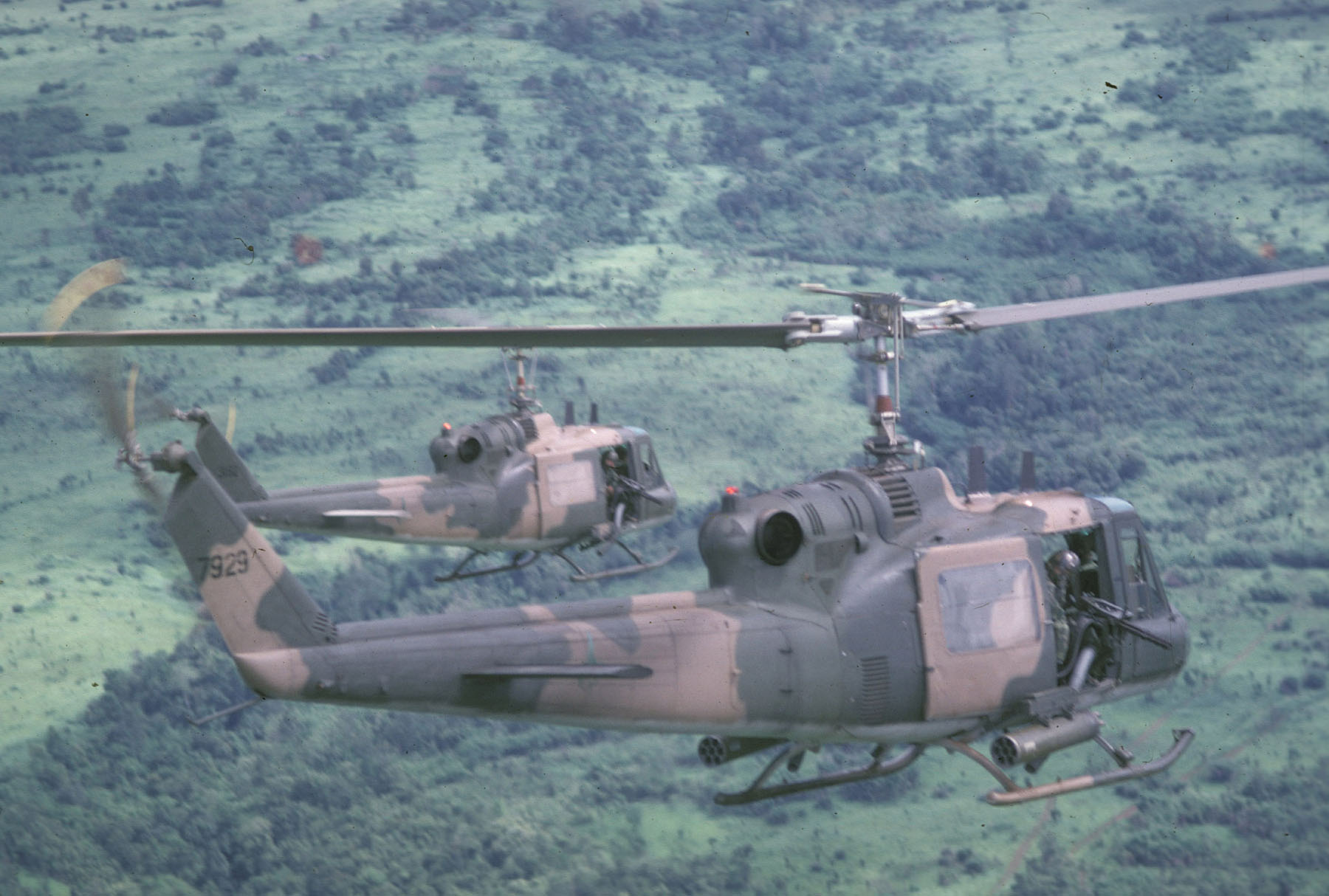
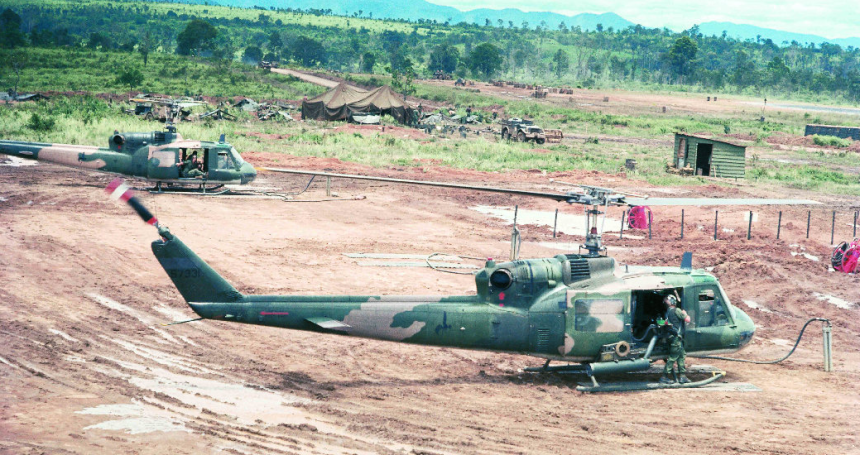
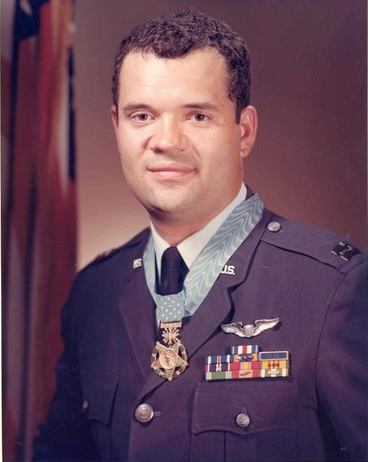
On this day in aviation history, 57 years ago (November 26, 1968), United States Air Force helicopter pilot James P. Fleming flew and completed a daring rescue mission. Fleming was born on March 12, 1943, in Sedalia, Missouri. His military service entry took place in Pullman, Washington. In 1968, Fleming served as aircraft commander of a UH-1F transport helicopter. A member of the 20th Special Operations Squadron, Fleming was based at Ban Me Thuot East Airfield in the Republic of Vietnam. On November 26, 1968, an Army Special Forces reconnaissance team consisting of Green Berets was dropped off in Vietnam’s western highlands, near the Cambodian border, for a mission. Within a few hours, the MACV-SOG (Military Assistance Command, Vietnam – Studies and Observations Group) team found themselves in a tough spot. They had reached an impasse at a river, with enemy forces both behind them and off to their flanks. An urgent call was made by the recon team’s leader for an evacuation. This call was received by USAF Forward Air Controller (FAC) Major Charles E. Anonsen, and also by James Fleming’s group of five UH-1s flying in the area.
The pack of UH-1s was low on fuel, but to the pilots, this was an afterthought to the prospect of saving the lives of their brothers in combat. Each of the five helicopters began to fly towards the Green Berets’ site while receiving a briefing from the FAC en route. When the UH-1s arrived at the smoke signals, the recon team was under heavy fire from all sides. As the UH-1s began to open fire without hesitation, one of the helicopters was shot down, and its crew was picked up by one of the other aircraft in the flight. They then headed for home. Another Huey began to run low on fuel and had to depart the action. There were only two Hueys left in the fight.
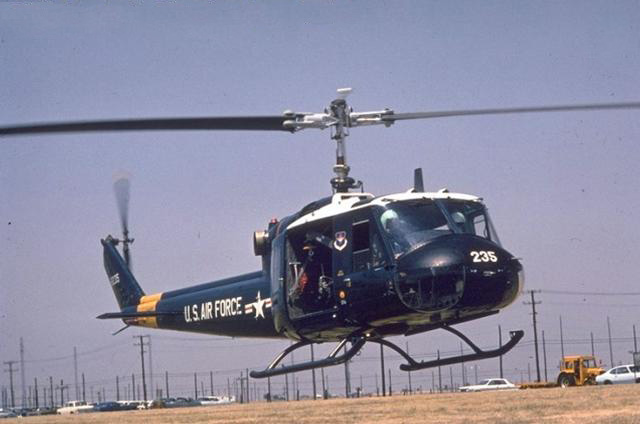
Hovering at treetop level, James Fleming found the only clearing accessible enough for both the Green Beret team and the two Hueys to rendezvous within – or so he thought. When he got closer, he found there was not enough room. This left one option: the water. Fleming hovered directly over the shallow part of the river, low enough for the recon team members to reach the Hueys’ landing skids. Fleming was balancing the reception of enemy fire and dogged flying skills in the process. The recon team could still not get to the chopper. The FAC instructed the Green Berets to set the mines and detonate them, hoping to buy time and space enough for an evacuation at the same site along the riverbank.
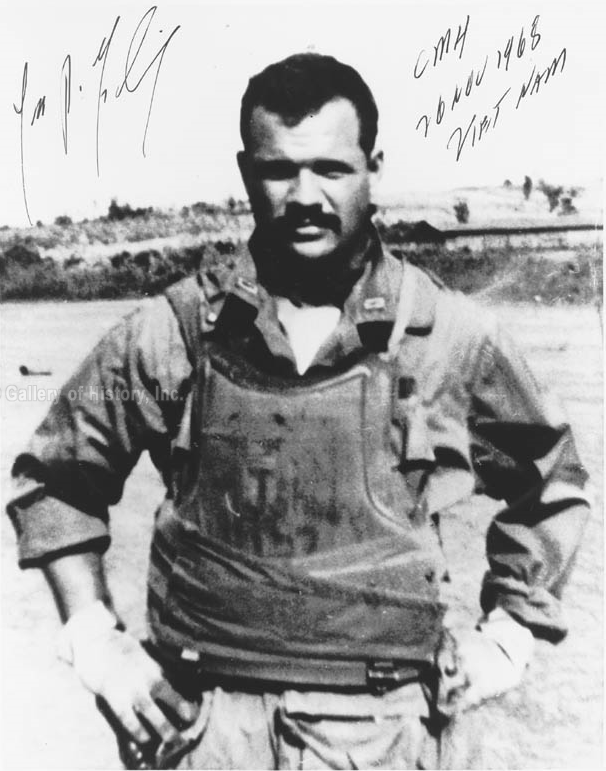
In the midst of the mines’ explosion, Fleming brought the helicopter back to the riverbank, and the door was opened. The Green Berets leapt into the Huey for safety. The flight was booked back home via the river, arriving home relatively unscathed. On May 14, 1970, James Fleming was awarded the Medal of Honor by President Richard Nixon. Additionally, Fleming received the Silver Star, the Distinguished Flying Cross, and eight Air Medals. He would go on to earn the rank of Colonel in the Air Force and serve as a member of the Officer Training School staff at Lackland Air Force Base in Texas. Fleming retired in 1996.