We appreciate the support from readers like you at Foxiz. Through your purchases using the links on our site, you empower us with affiliate commissions.
Randy’s Vintage Profiles: Ryan NYP “Spirit of St. Louis” Replica
In this article of Randy’s Vintage Profiles, Randy explores the history of the Ryan NYP, N-X-211 "Spirit of St. Louis" replica, highlighting its design, legacy, and current display at the Evergreen Aviation and Space Museum.
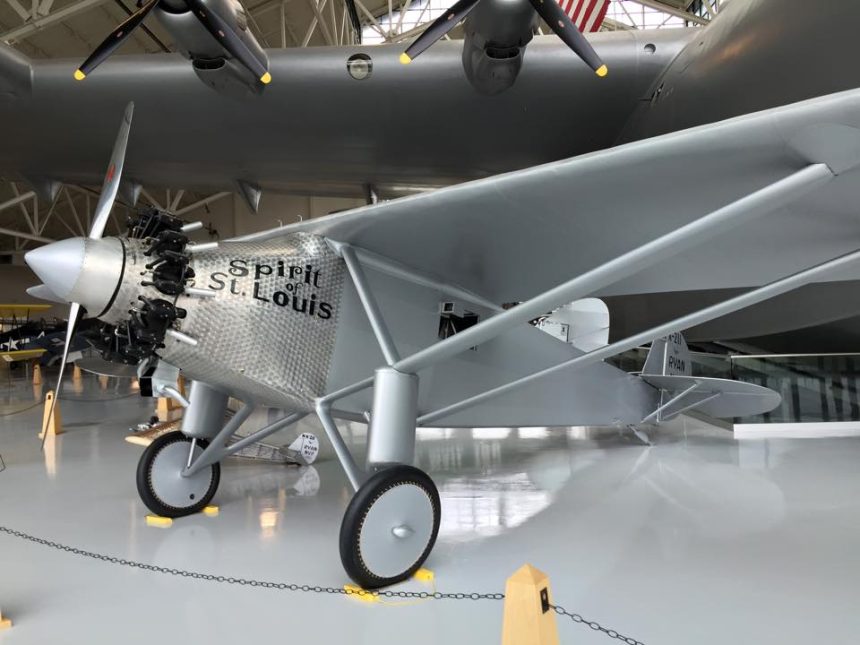
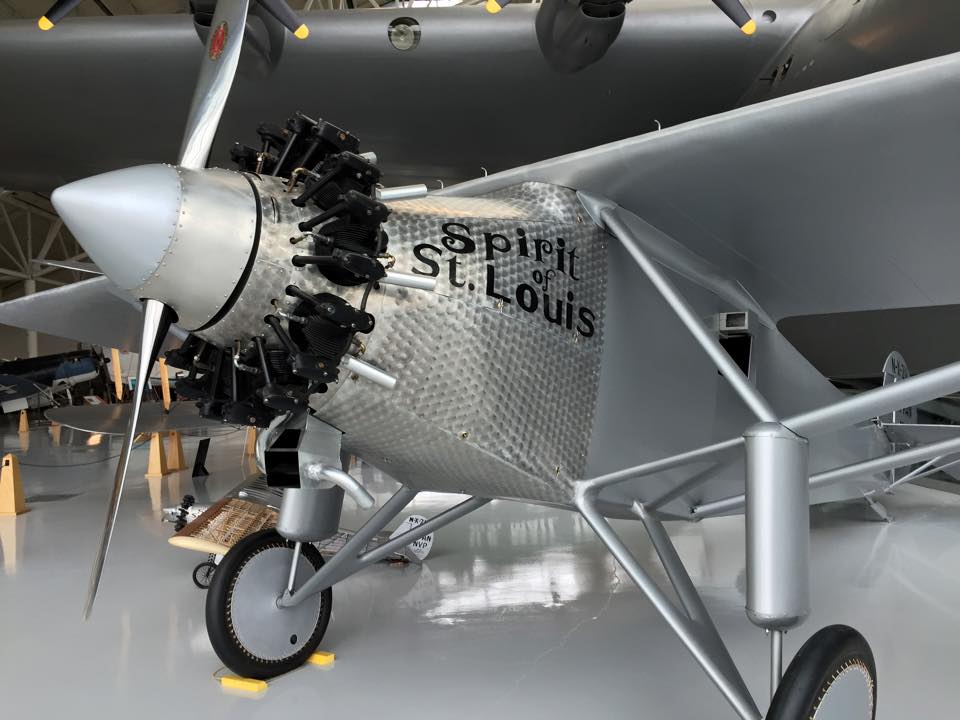
Ryan NYP "Spirit of St. Louis" replica on display at the Evergreen Aviation and Space Museum. (Randy Malmstrom)
SHARE
By Randy Malmstrom
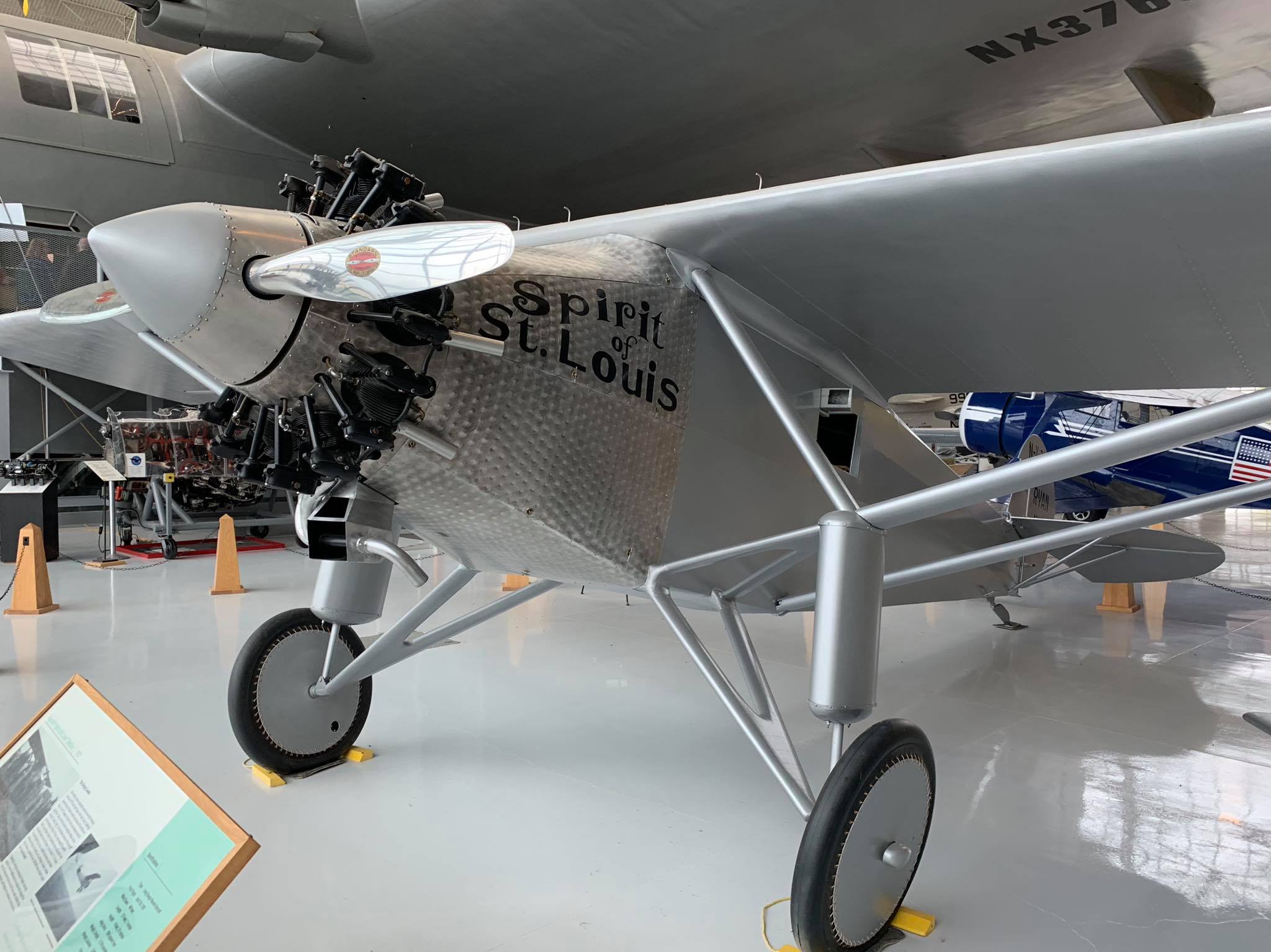
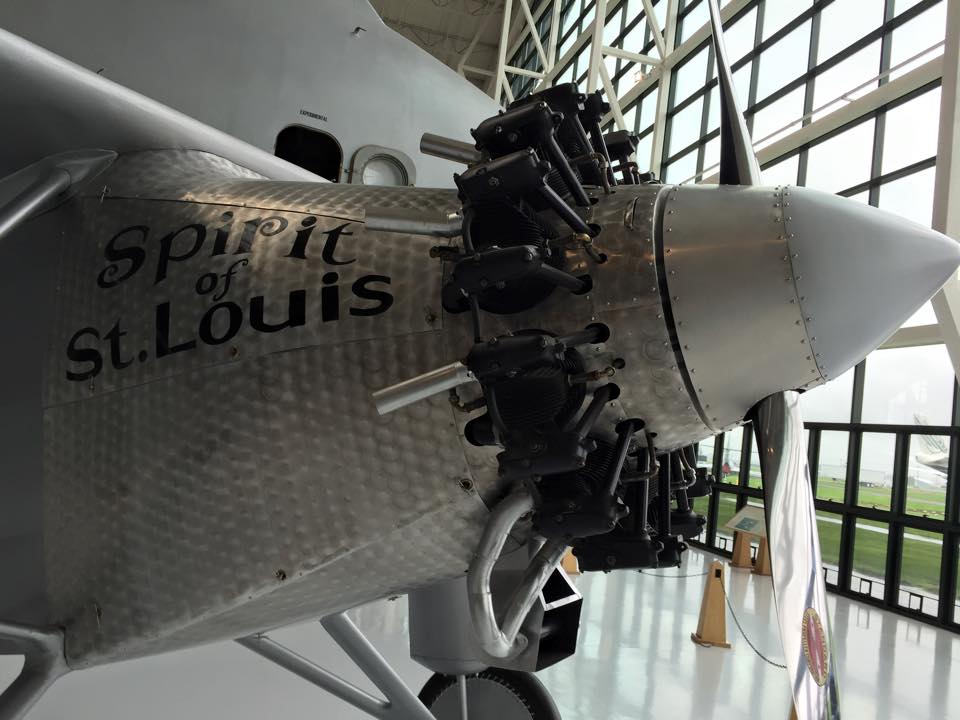
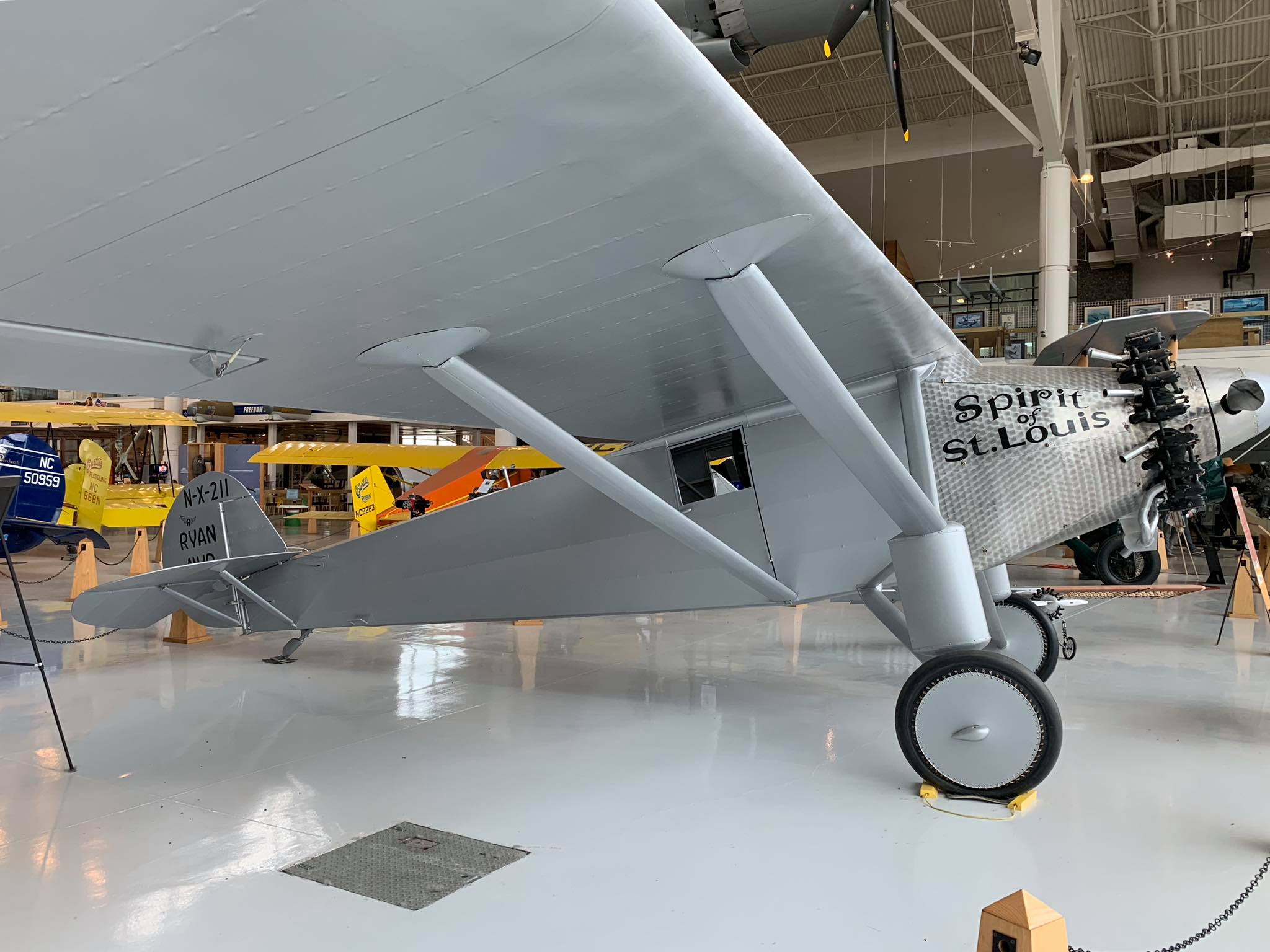
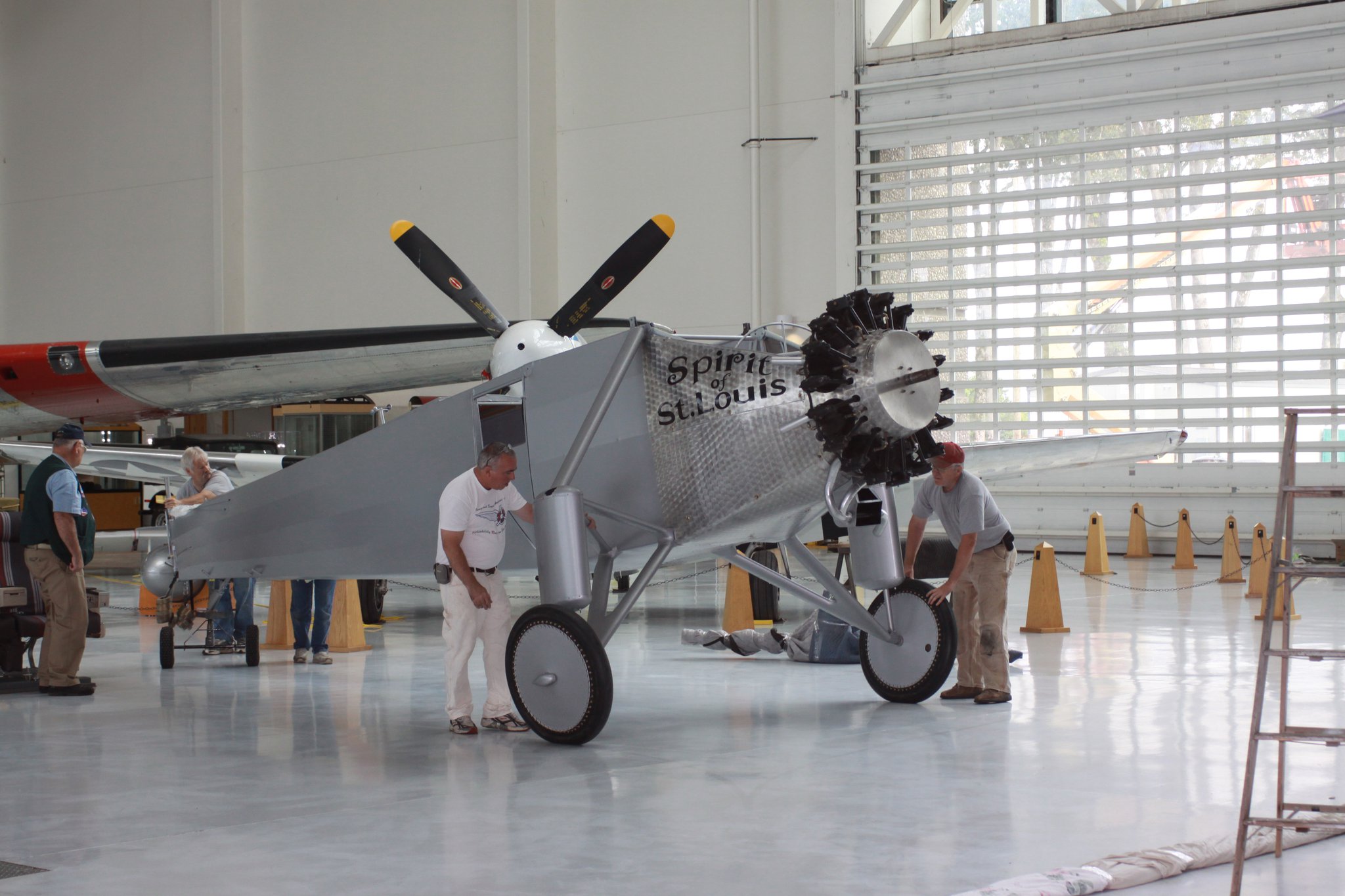
Ryan NYP, N-X-211 “Spirit of St. Louis” replica on display at the Evergreen Aviation and Space Museum. “NYP” stands for “New York-Paris” and “Spirit of St. Louis” in honor of his financial backers who ponied up the money to build the aircraft. A single-seat aircraft built by Ryan Airline Company, based on its Ryan M-2 mail plane, with a Wright R-790 Whirlwind nine-cylinder air-cooled radial engine – the same engine used in the Fokker F.VII Trimotor – powering a Standard Steel propeller. (Editor’s note: Standard Steel later merged with Hamilton Aero Manufacturing to form Hamilton-Standard.)
Ryan NYP “Spirit of St. Louis” replica on display at the Evergreen Aviation and Space Museum. (Randy Malmstrom)
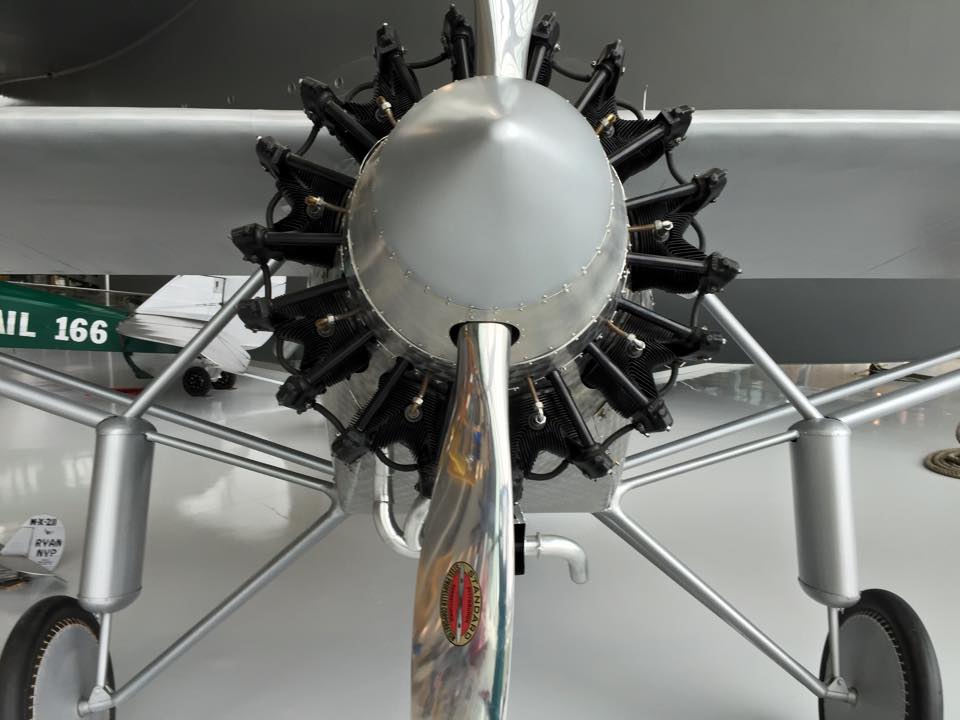
Head-on view of the Ryan NYP “Spirit of St. Louis” replica on display at the Evergreen Aviation and Space Museum. (Randy Malmstrom)
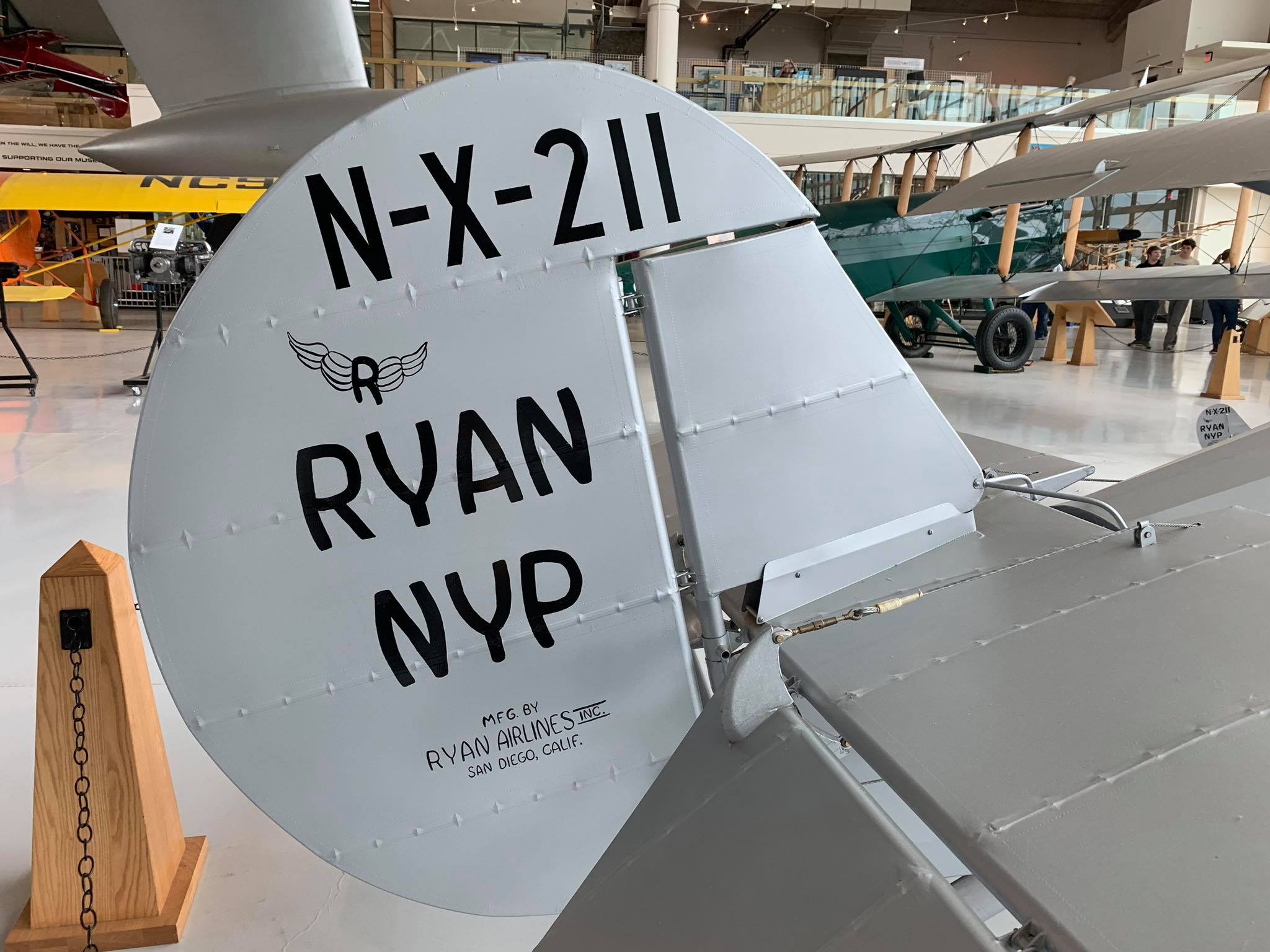
Tail of the Ryan NYP “Spirit of St. Louis” replica on display at the Evergreen Aviation and Space Museum. (Randy Malmstrom)
Ryan NYP “Spirit of St. Louis” replica on display at the Evergreen Aviation and Space Museum. (Randy Malmstrom)
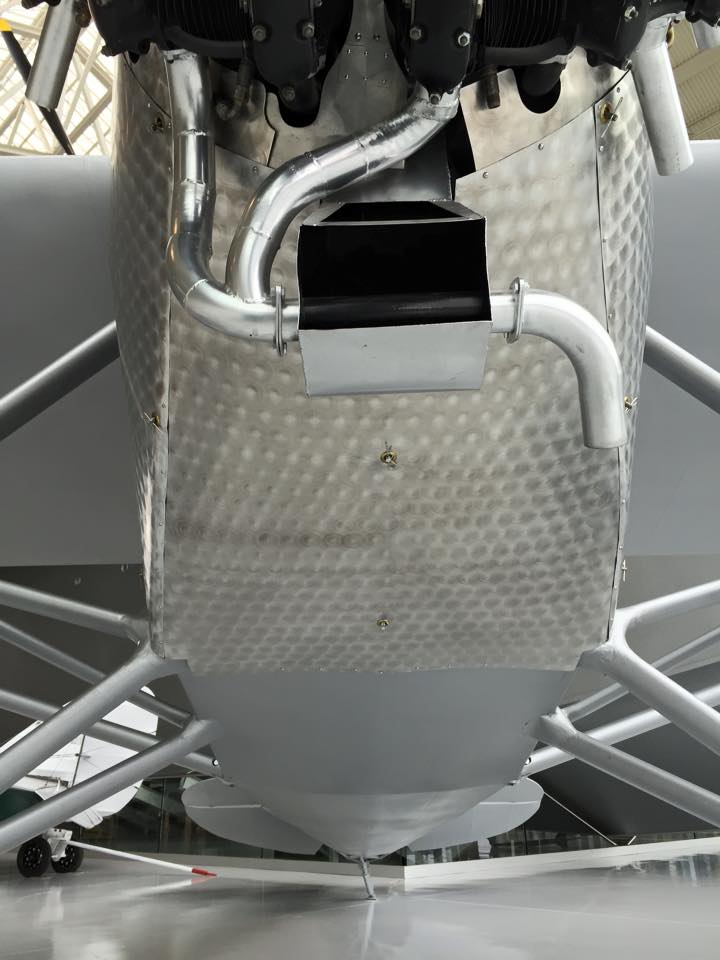
Underside of the fuselage of the Ryan NYP “Spirit of St. Louis” replica on display at the Evergreen Aviation and Space Museum. (Randy Malmstrom)
Ryan NYP “Spirit of St. Louis” replica on display at the Evergreen Aviation and Space Museum. (Randy Malmstrom)
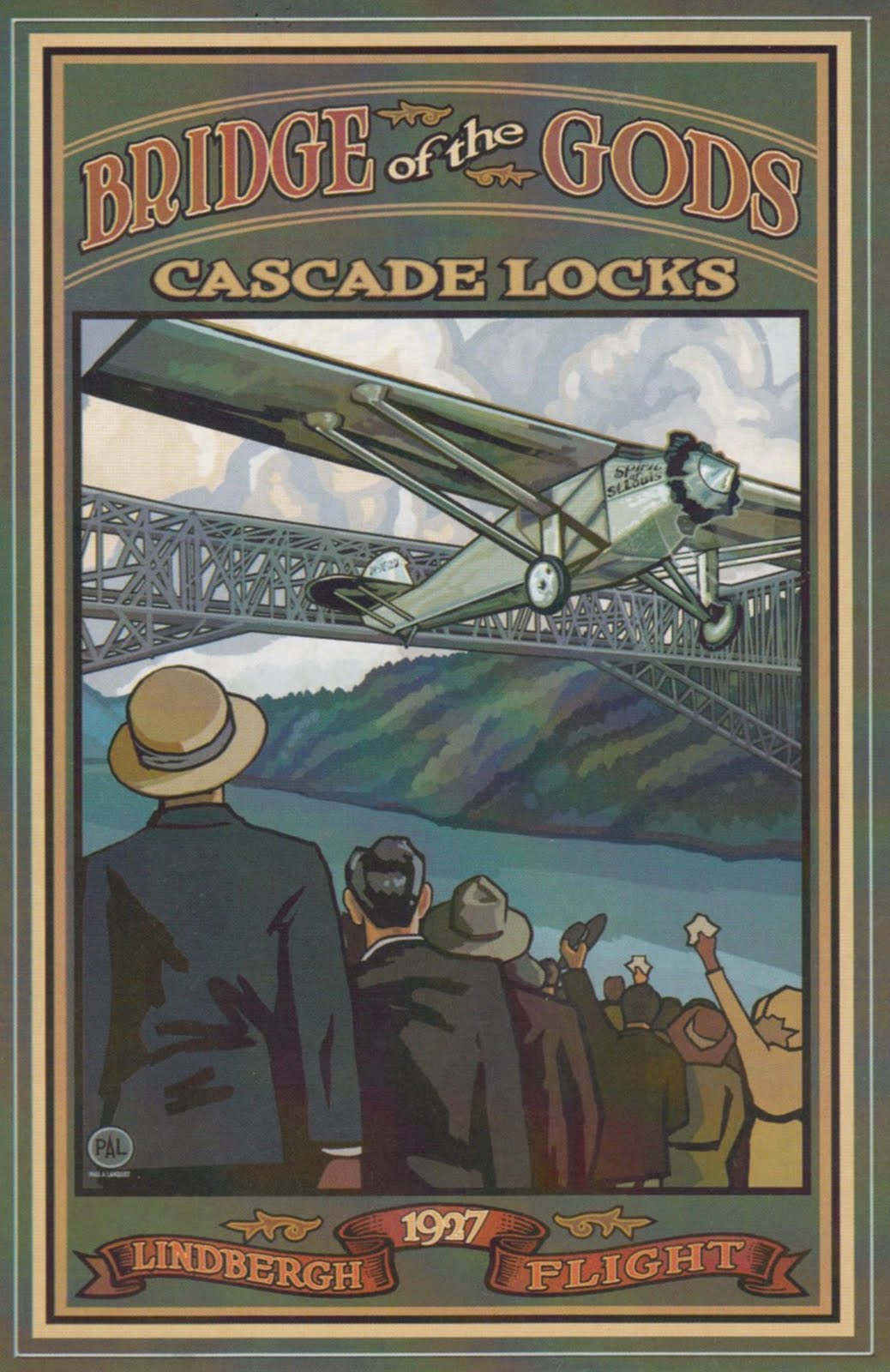
In September 1927 (and after his famous New York-Paris flight), Lindbergh flew his aircraft to Portland, Oregon, to dedicate Swan Island Municipal Airport. He then flew east to Bridge of the Gods (a steel truss bridge opened the year before) at Cascade Locks, Oregon, in the Columbia River Gorge. After a low pass, he banked around and flew under the bridge.
Commemorative poster created by Paul A. Lanquist (PAL) depicting Lindbergh’s flight under the Bridge of the Gods.
In 1936, Col. Lindbergh was asked by the American military attaché in Berlin to report on German military aircraft development and did so over the next two years. and was a guest of Field Marshall Hermann Göring at the 1936 Berlin Olympic Games. Lindbergh’s assessment of the Luftwaffe was that it was unbeatable. In 1938, Göring, on behalf of Hitler, presented Lindbergh with the Service Cross of the German Eagle for his contributions to aviation—an event that caused considerable concern in America.
Hermann Göring shows Charles Lindbergh a ceremonial sword while presenting the Order of the German Eagle. On the left of the photo, Anne Morrow and Evangeline Lindbergh look on, while Adolf Baeumker, head of the Aviation Research and Development Department at the Reichswehr Ministry, stands to the right of Göring (Library of Congress)
As war loomed, Lindbergh was an isolationist and joined the America First Committee and was a consultant to Henry Ford, a noted and published anti-Semite, while the Ford plant in Michigan was building B-24 Liberators. Lindbergh’s anti-Semitic rantings and beliefs are well documented elsewhere. When war broke out, Lindbergh became anxious to fight for his country, but President Roosevelt would not allow him to participate given his assessment of the Luftwaffe, but in 1943 United Aircraft sent him to the Pacific as a civilian “observer” and instructor to Corsair pilots, yet he flew more than 50 combat missions in P-38’s, shooting down a Japanese aircraft. My photos at Evergreen Air Museum with the Hughes H-4 Hercules “Spruce Goose” in the background.
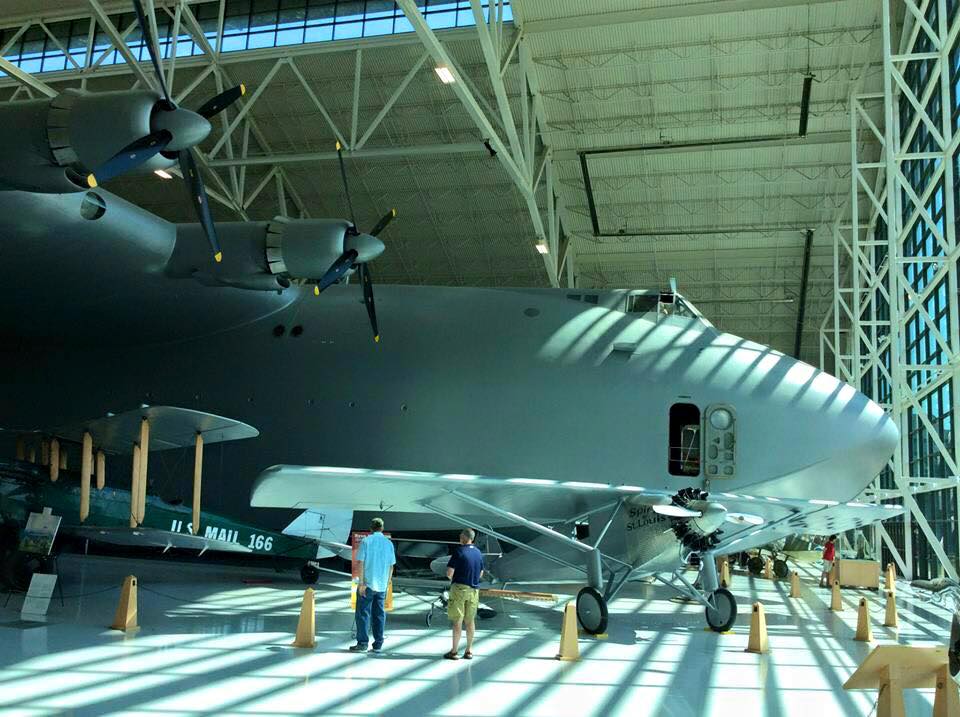
Ryan NYP “Spirit of St. Louis” replica on display at the Evergreen Aviation and Space Museum with the Hughes H-4 Hercules “Spruce Goose” in the background. (Randy Malmstrom)
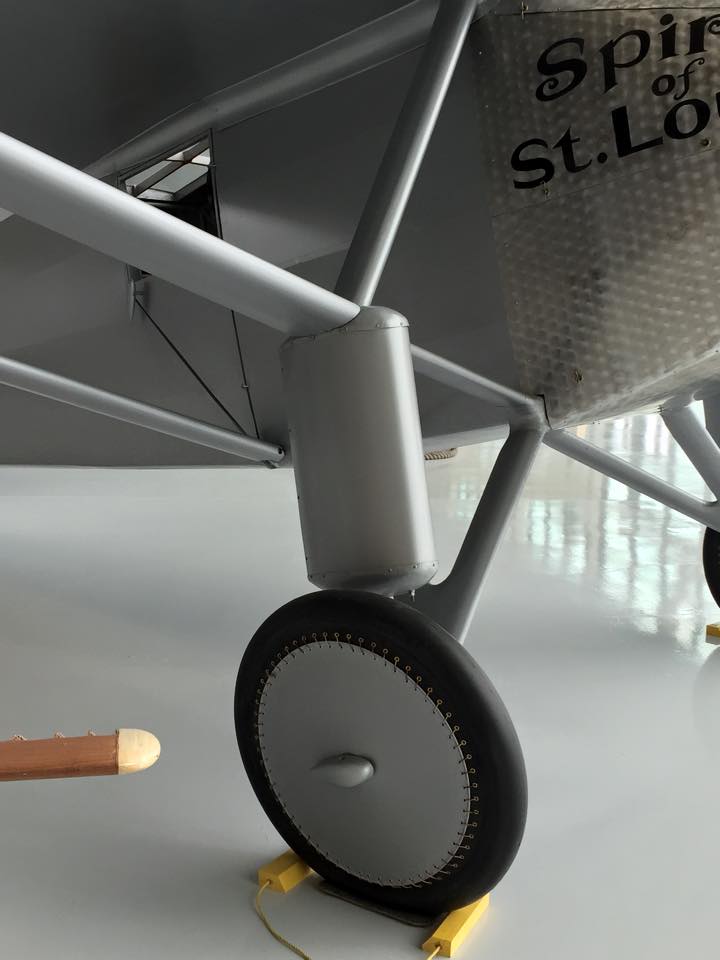
Landing gear and struts on the Ryan NYP “Spirit of St. Louis” replica on display at the Evergreen Aviation and Space Museum. (Randy Malmstrom)
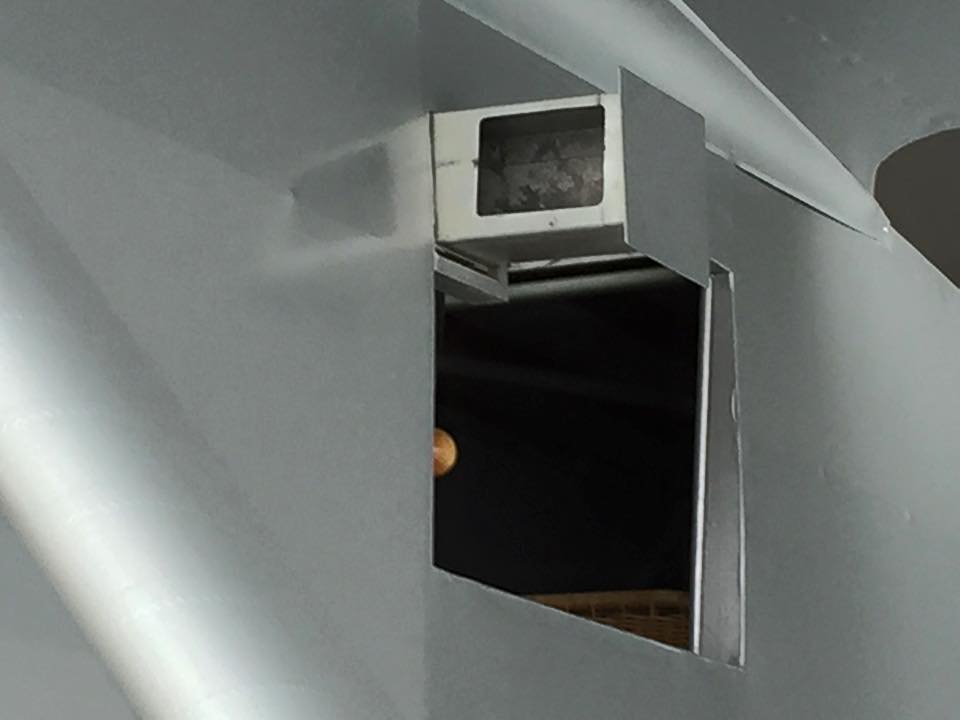
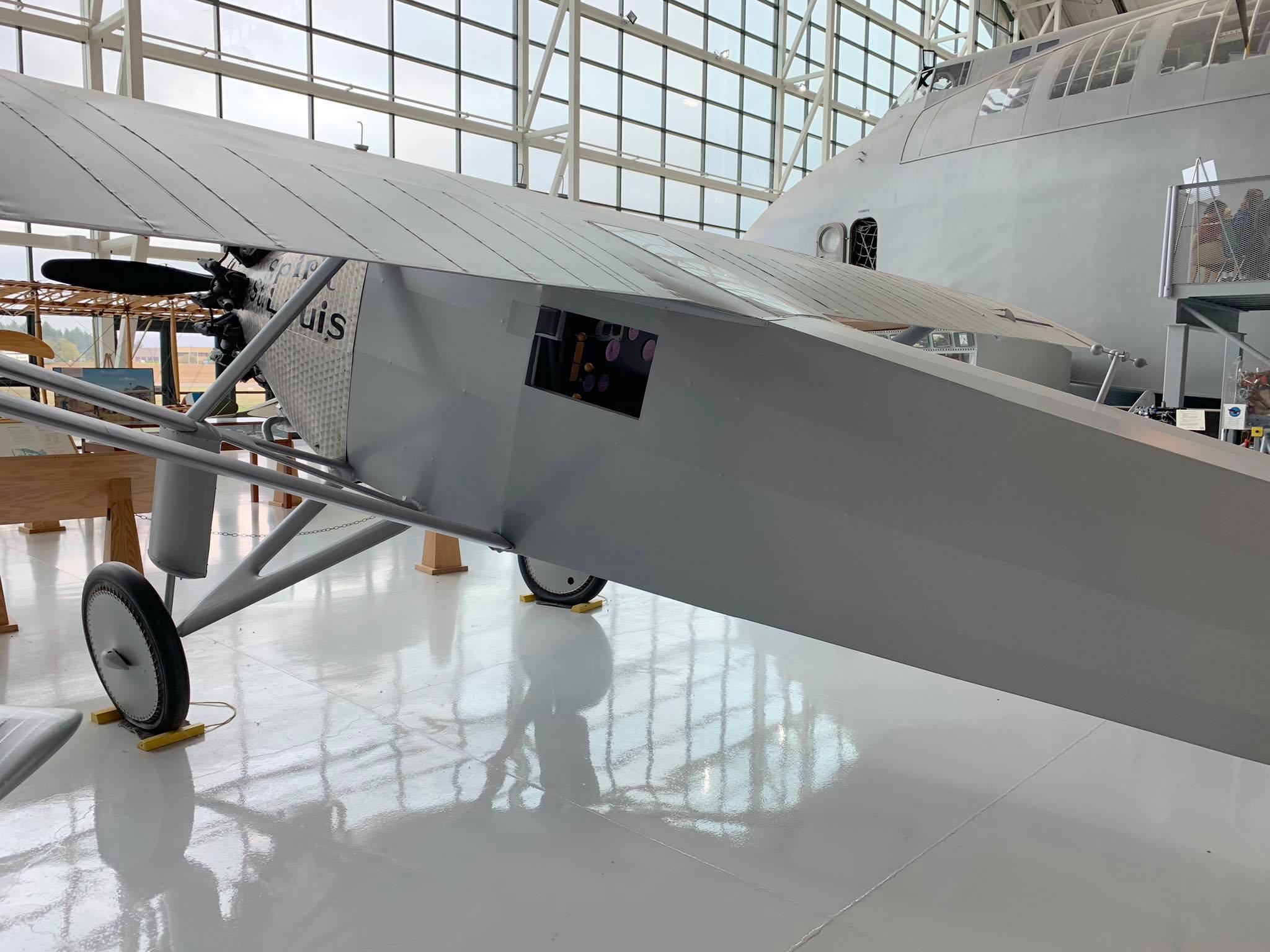
Exterior view of the cockpit of the Ryan NYP “Spirit of St. Louis” replica on display at the Evergreen Aviation and Space Museum. Note the side-mounted periscope in the fully extended position. (Randy Malmstrom)
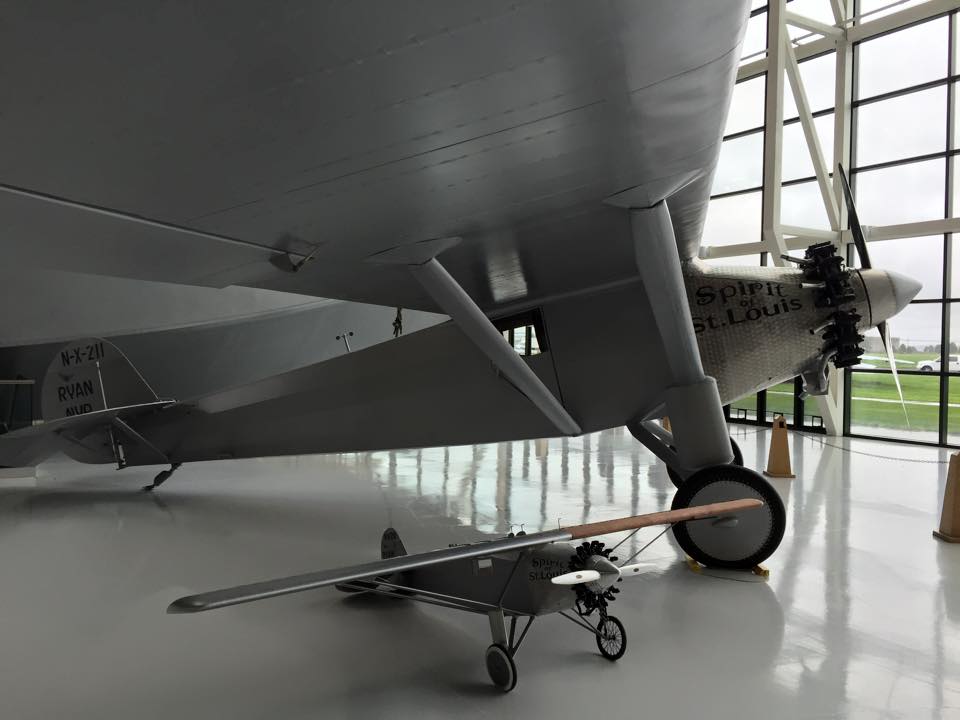
Ryan NYP “Spirit of St. Louis” replica on display at the Evergreen Aviation and Space Museum with a model of the aircraft for scale. (Randy Malmstrom)
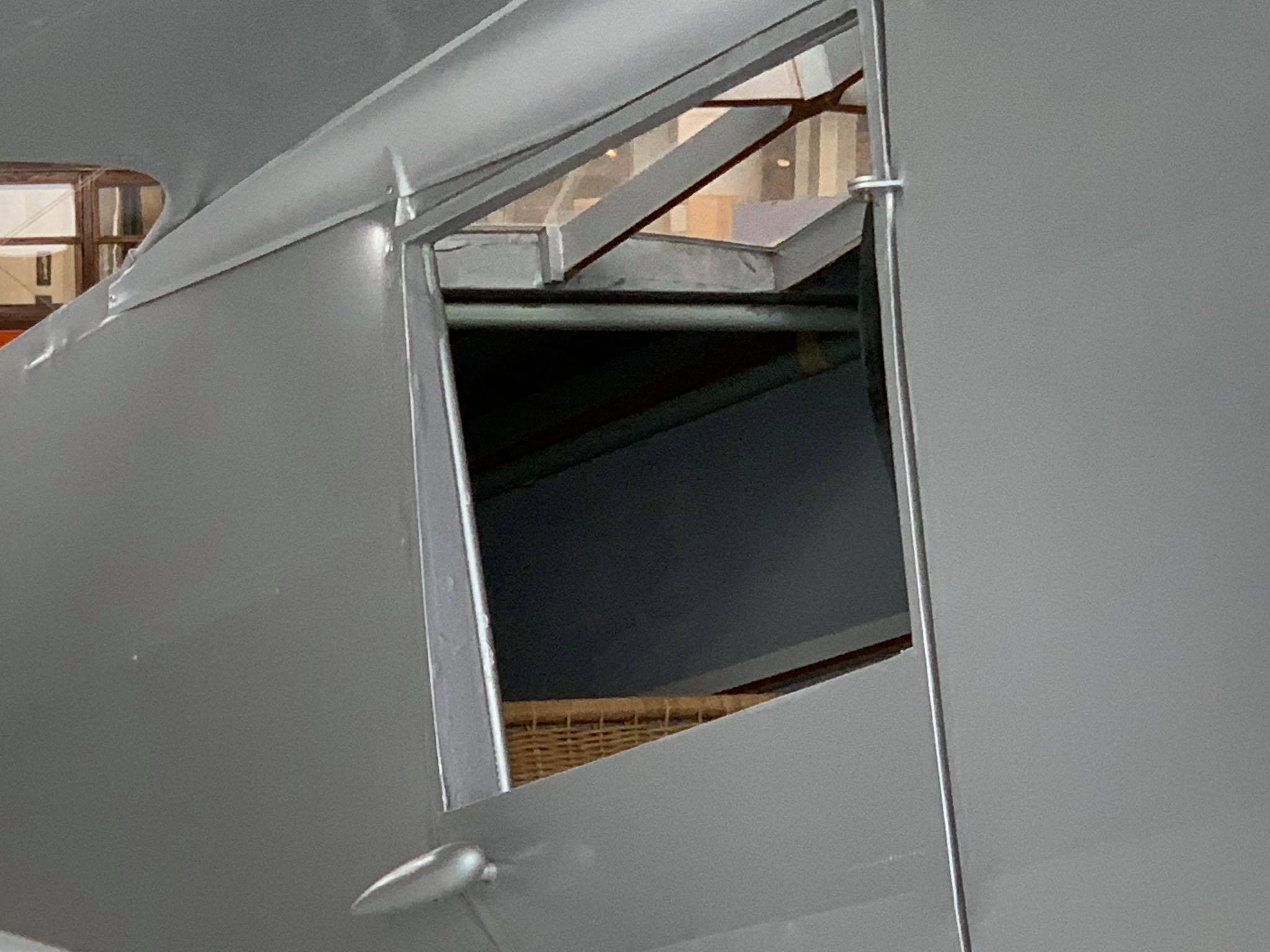
Cockpit door of the Ryan NYP “Spirit of St. Louis” replica on display at the Evergreen Aviation and Space Museum. (Randy Malmstrom)
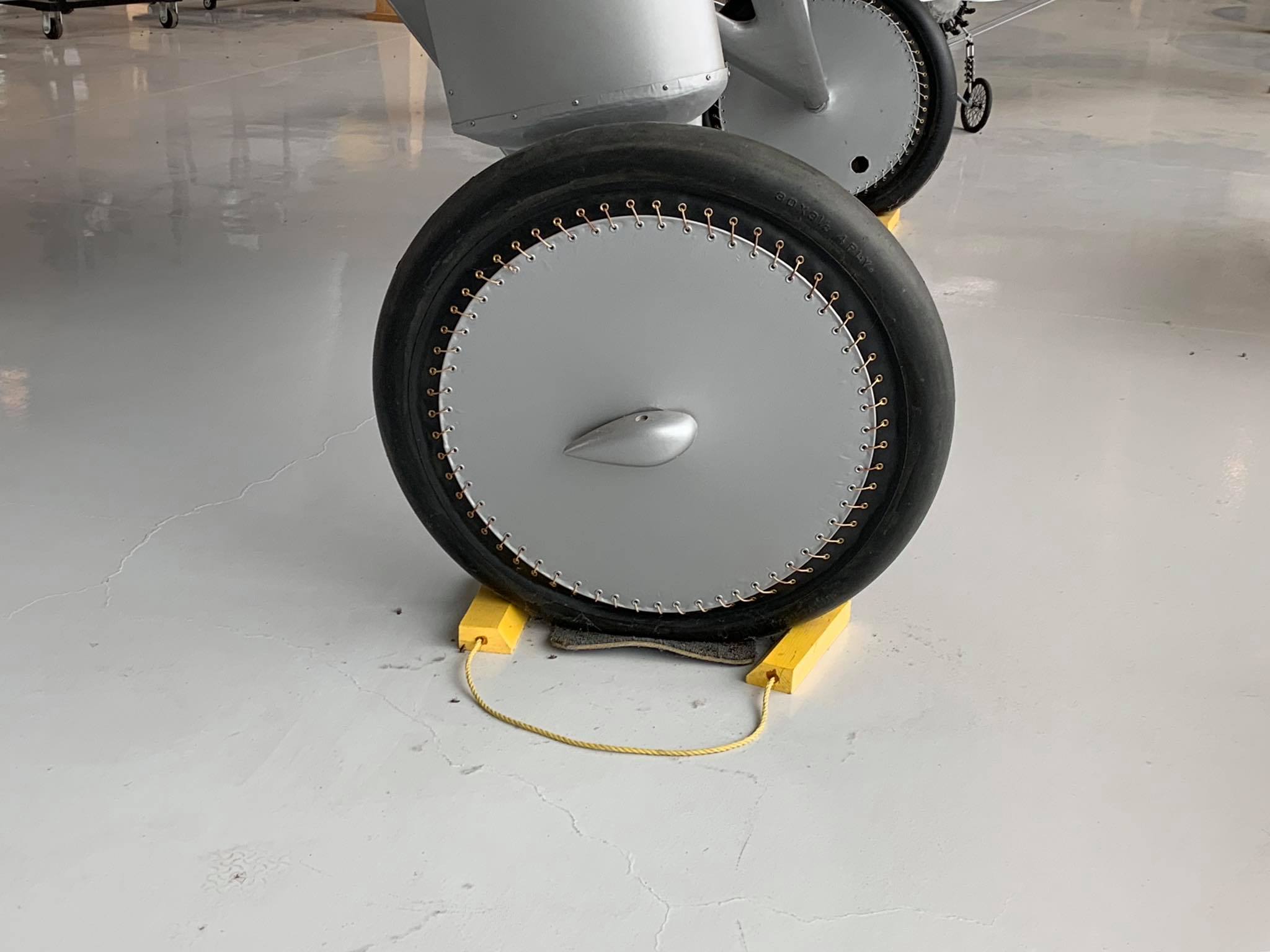
Landing gear wheel of the Ryan NYP “Spirit of St. Louis” replica on display at the Evergreen Aviation and Space Museum. (Randy Malmstrom)
3/4 view of the Ryan NYP “Spirit of St. Louis” replica on display at the Evergreen Aviation and Space Museum. (Randy Malmstrom)
Ryan NYP “Spirit of St. Louis” replica on display at the Evergreen Aviation and Space Museum. (Randy Malmstrom)
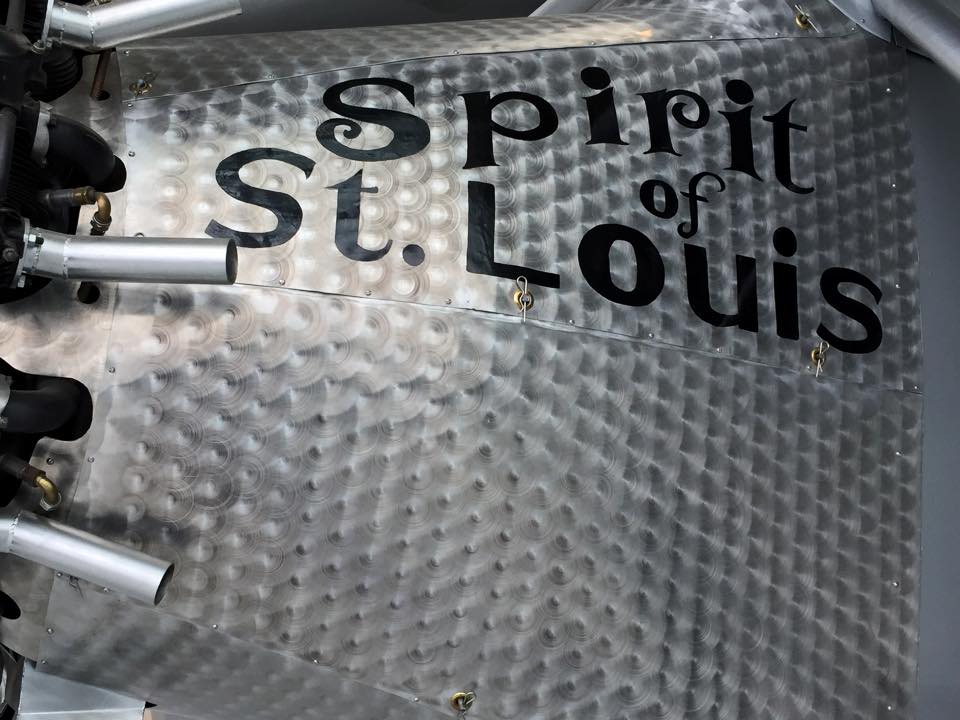
Engine cowling of the Ryan NYP “Spirit of St. Louis” replica on display at the Evergreen Aviation and Space Museum. (Randy Malmstrom)
Editor’s notes: The replica on display at the Evergreen Aviation and Space Museum was constructed on behalf of the museum by Century Aviation of East Wenatchee, Washington. It was completed in July 2011 and has been on display at the museum ever since.
Ryan NYP “Spirit of St. Louis” replica being placed on display at the Evergreen Aviation and Space Museum, July 2011. (Evergreen Aviation and Space Museum)
About the author: Randy Malmstrom grew up in a family steeped in aviation culture. His father, Bob, was still a cadet in training with the USAAF at the end of WWII but did serve in Germany during the U.S. occupation in the immediate post-war period, where he had the opportunity to fly in a wide variety of types that flew in WWII. After returning to the States, Bob became a multi-engine aircraft sales manager and, as such, flew a wide variety of aircraft; Randy frequently accompanied him on these flights. Furthermore, Randy’s cousin, Einar Axel Malmstrom, flew P-47 Thunderbolts with the 356th FG from RAF Martlesham Heath. He was commanding this unit at the time he was shot down over France on April 24th, 1944, and spent the rest of the war as a prisoner of war. Following his repatriation at war’s end, Einar continued his military service, attaining the rank of Colonel. He was serving as Deputy Wing Commander of the 407th Strategic Fighter Wing at Great Falls AFB, MT at the time of his death in a T-33 training accident on August 21, 1954. The base was renamed in his honor in October 1955 and continues to serve in the present USAF as home to the 341st Missile Wing. Randy’s innate interest in history in general, and aviation history in particular, plus his educational background and passion for WWII warbirds, led him down his current path of capturing detailed aircraft walk-around photos and in-depth airframe histories, recording a precise description of a particular aircraft in all aspects.
Raised in Fullerton, California, Adam has earned a Bachelor's degree in History and is now pursuing a Master's in the same field. Fascinated by aviation history from a young age, he has visited numerous air museums across the United States, including the National Air and Space Museum and the San Diego Air and Space Museum. He volunteers at the Planes of Fame Air Museum in Chino as a docent and researcher, gaining hands-on experience with aircraft maintenance. Known for his encyclopedic knowledge of aviation history, he is particularly interested in the stories of individual aircraft and their postwar journeys. Active in online aviation communities, he shares his work widely and seeks further opportunities in the field.
Vintage Aviation News now offers an ad-free reading experience. Enjoy faster-loading pages, uninterrupted stories, and the satisfaction of helping us preserve aviation history.