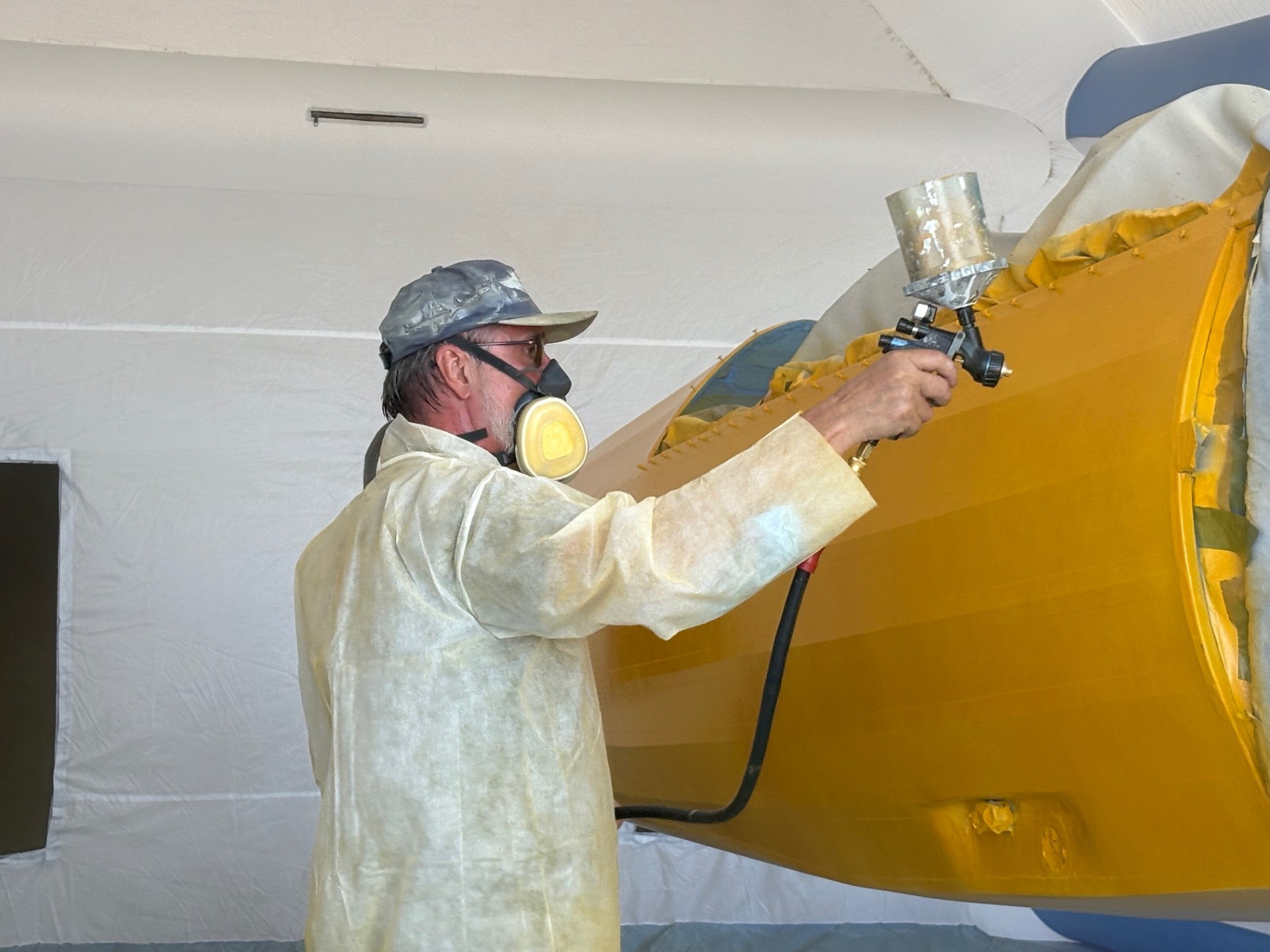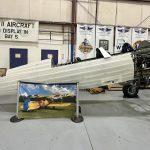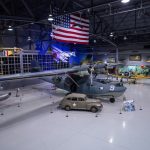
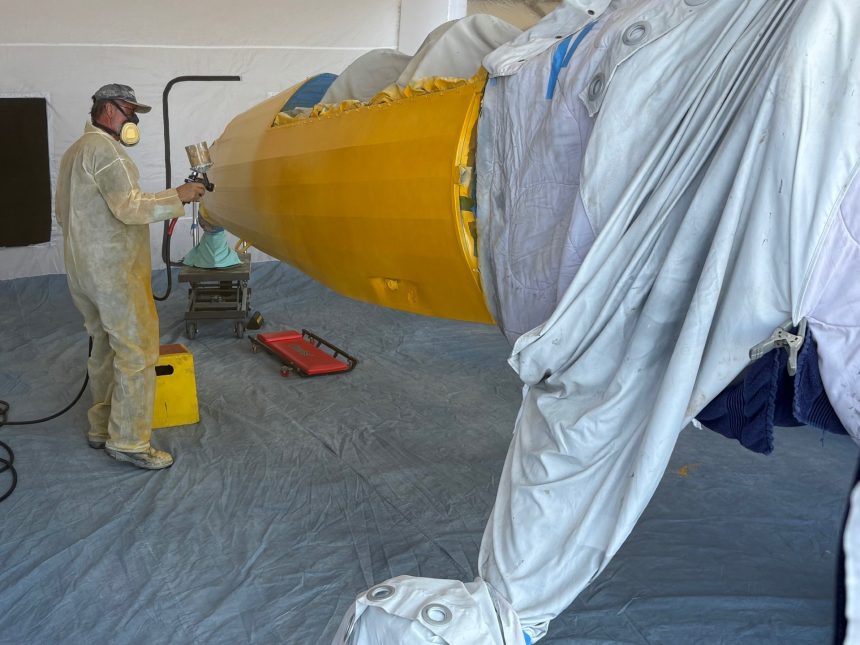

The Commemorative Air Force (CAF) Airbase Georgia continues to make steady progress on the restoration of Boeing N2S-2 Stearman Bu. No. 03531 at its hangar in Peachtree City, Georgia. Since the project began in late 2019, a dedicated team of volunteers has been working meticulously to return the historic trainer to its former glory. Significant milestones have been reached in recent months, with the fuselage and control surfaces now wearing the U.S. Navy’s iconic yellow livery.
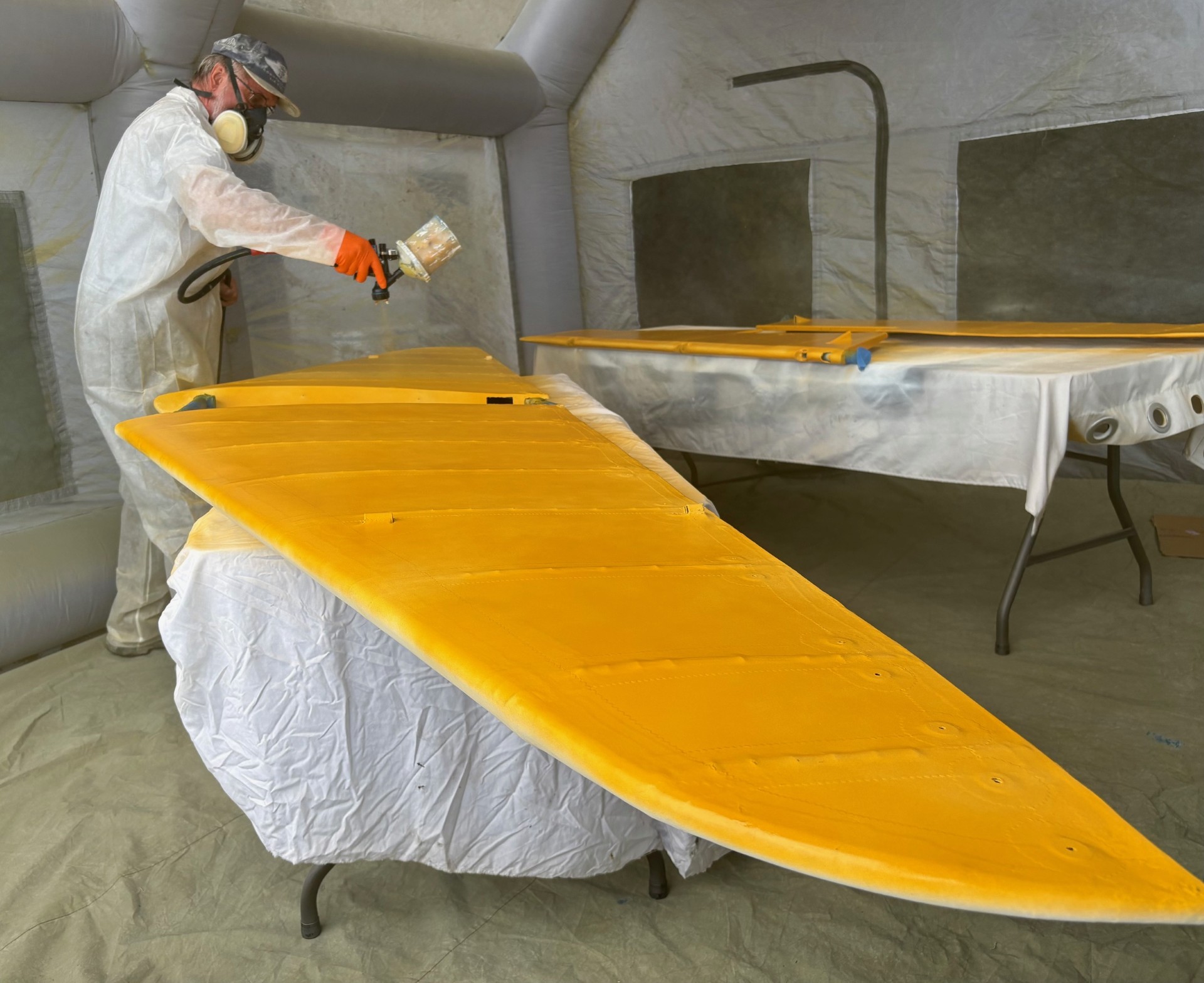
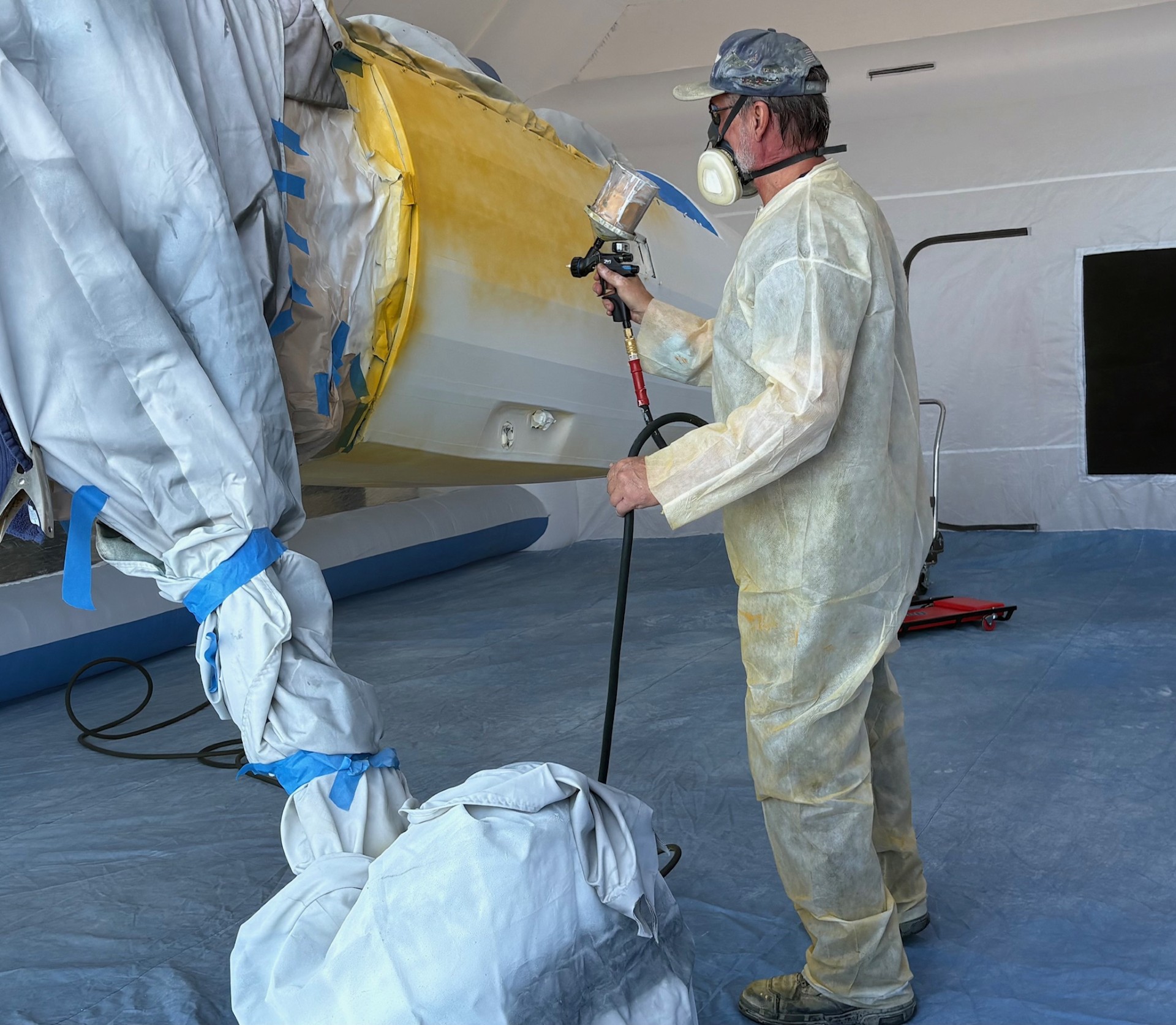
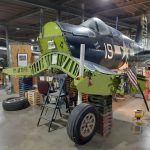
The choice of scheme complements the unit’s other Navy aircraft, including the SBD-5 Dauntless and FG-1D Corsair. During World War II, Navy Stearmans were painted in bright yellow—often a chrome yellow or ANA 506 shade—and quickly earned the nickname “Yellow Peril.” The name was less about the aircraft itself and more about its role: the primary trainer for thousands of new pilots. With high-visibility paint designed not for camouflage but for safety, the Stearman was easily identifiable in the sky, much like a “student driver” sign for cars.
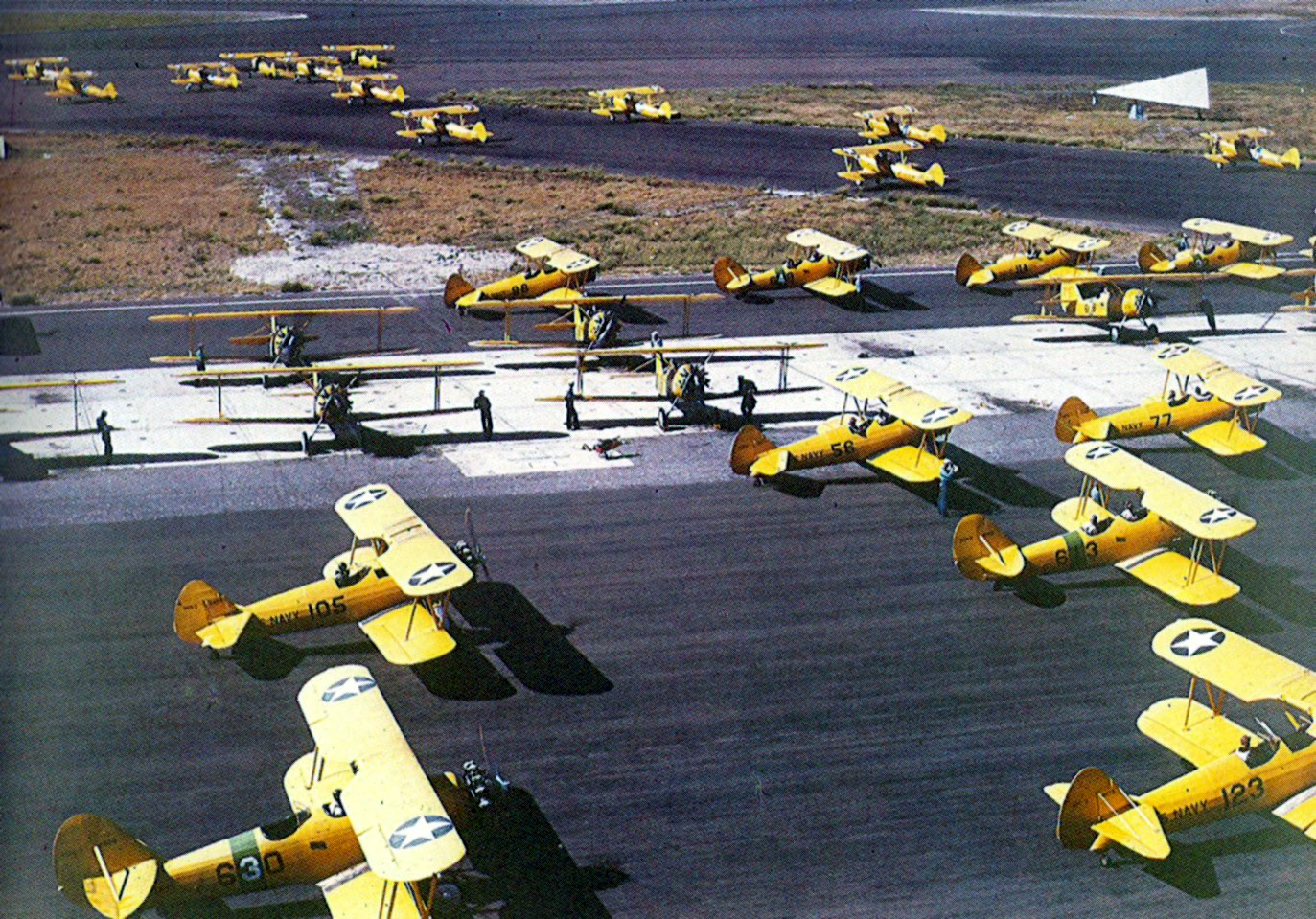
Between 1934 and February 1945, the Stearman Aircraft Company—by then a division of Boeing—produced 8,428 Model 75 trainers for the U.S. Army and Navy. More American military aviators learned to fly in the Stearman than in any other type during the war. The Army designated the aircraft as the PT-17, while the Navy used the N2S designation, with Bu. No. 03531 specifically being an N2S-2.
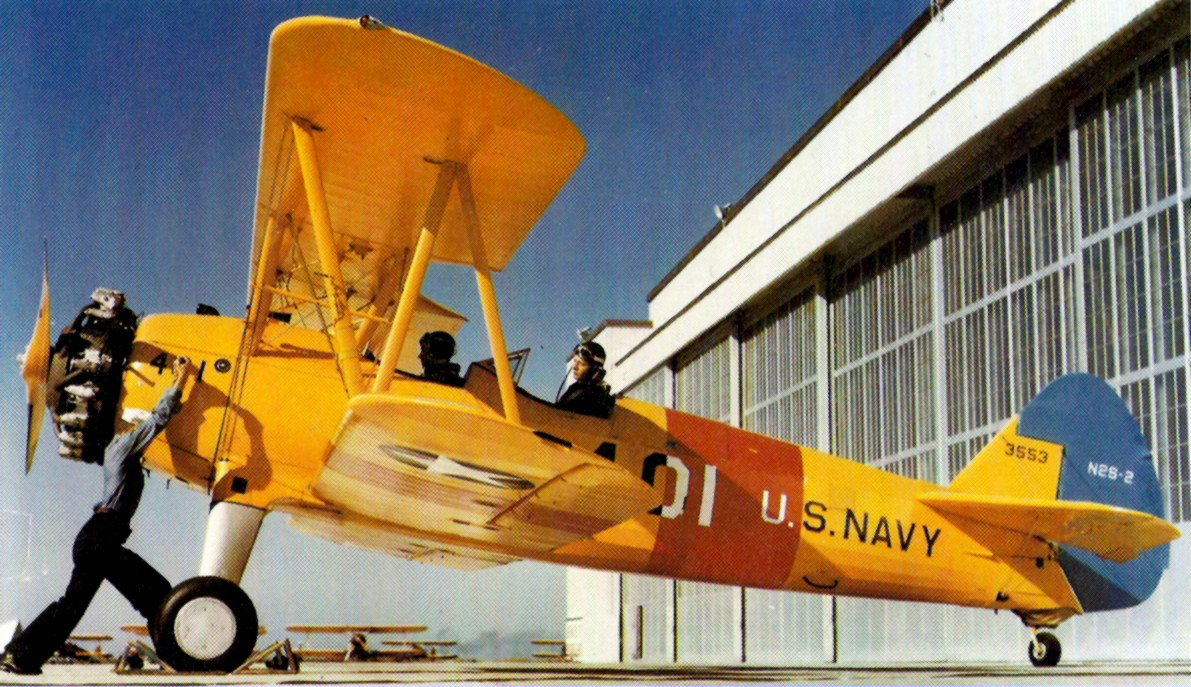
The rugged trainer was built with a steel-tube fuselage, wood framing, and fabric covering, making it both durable and forgiving of the rigors of student use. While notoriously challenging for inexperienced pilots, the Stearman proved invaluable for instructors, allowing them to quickly gauge aptitude and redirect those who struggled.
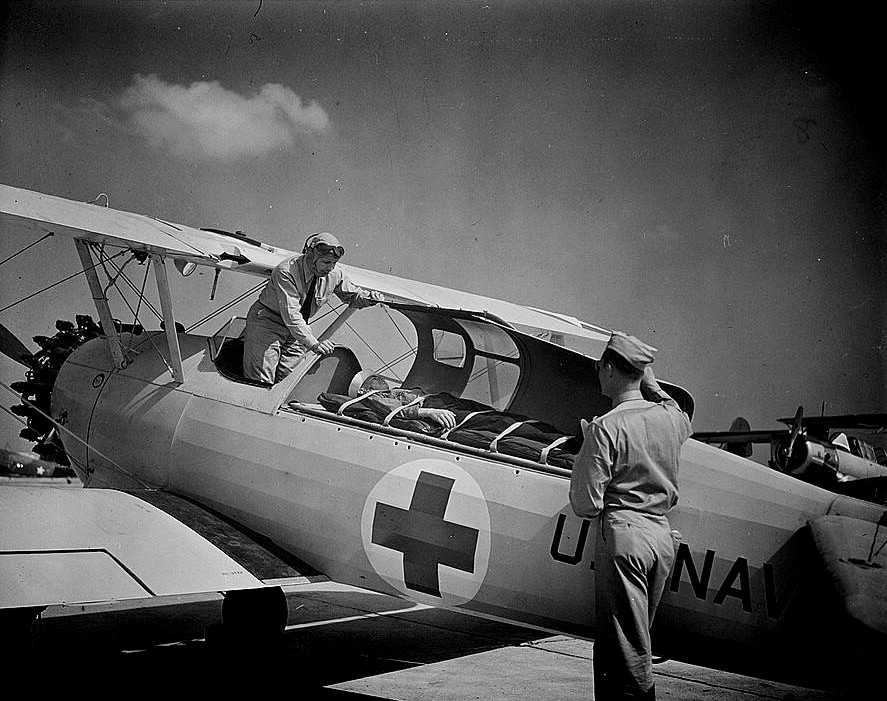
After World War II, surplus Stearmans were sold off in large numbers and went on to long civilian careers—most famously as crop dusters, barnstormers, and airshow performers. Today, the CAF Airbase Georgia’s restoration of Bu. No. 03531 ensures that this “Yellow Peril” will continue to tell the story of the thousands of young pilots who took their first flights in its open cockpit. If you would like to learn more about Airbase Georgia’s mission, you can visit HERE. To donate to the Stearman Project, you can do so by going to their Donate Page and noting “Stearman Project” in your donation.