








(Image credit: VAN)
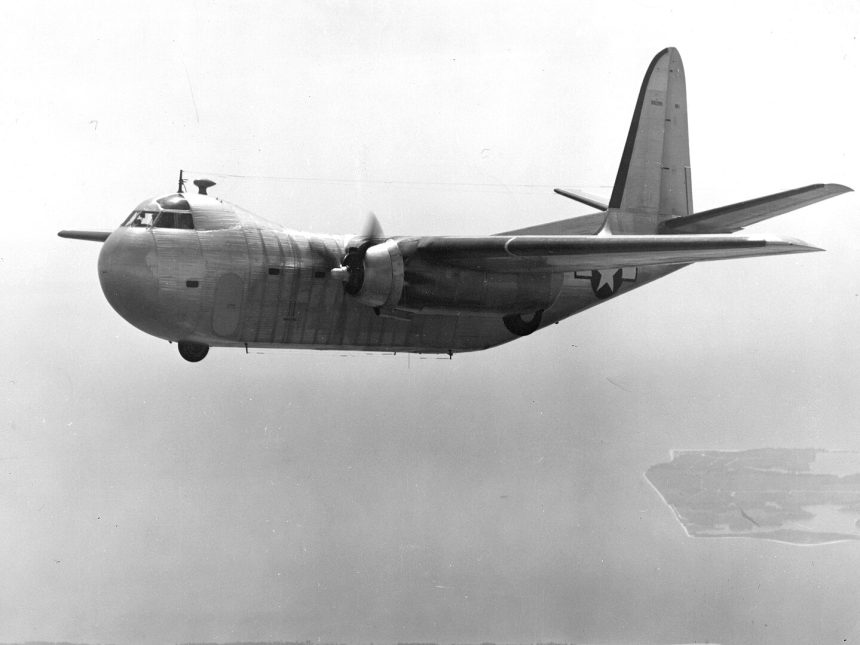
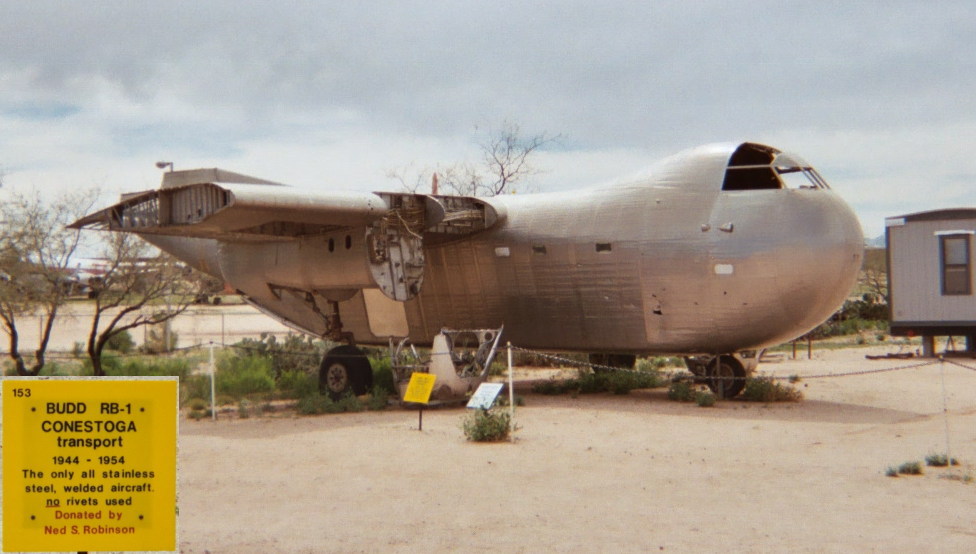
On this day in aviation history, 82 years ago (October 31, 1943), the first flight of the Budd RB Conestoga took place. The RB-1 was a cargo aircraft that was designed for service with the United States Navy during World War II. Made of stainless steel, the RB-1 was a product of the Philadelphia-based Budd Company. The Conestoga did not see combat service, but the aircraft’s development process brought to light new design techniques, which would be of value to modern military airlifters.
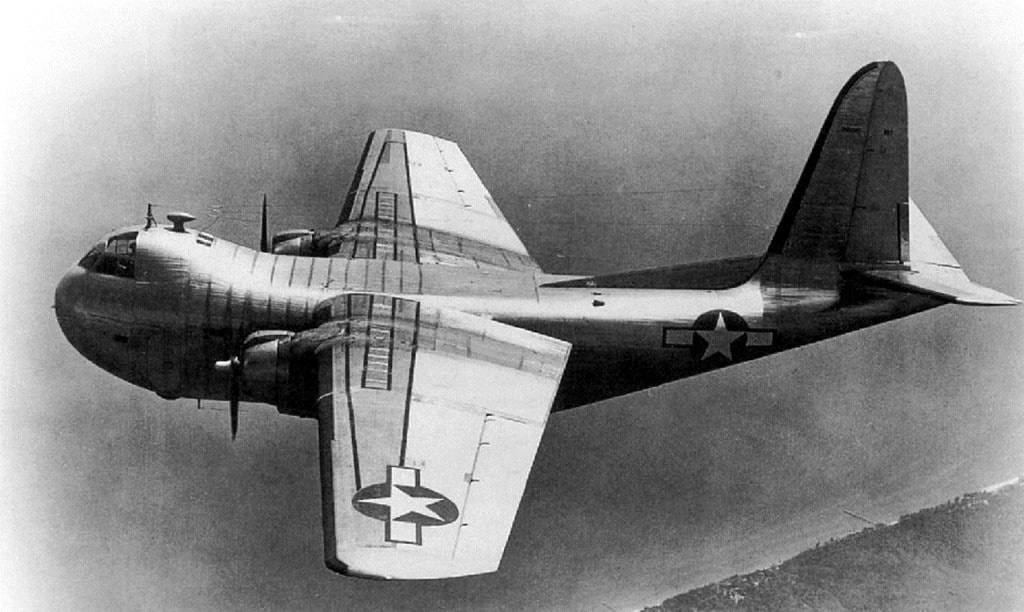
The initial fear of an aluminum shortage during the Second World War spurred the United States War Department to explore the use of alternative materials in aircraft construction. The Budd Company, noted for manufacturing stainless steel railroad cars and road vehicles, caught wind of this wish. Budd began to hire aeronautical engineers and collaborated with the U.S. Navy to foster a new twin-engine transport plane. This new aircraft was to be constructed primarily of stainless steel. Budd had previously developed the shotweld technique – a method of using electric resistance to join two pieces of metal together – for welding stainless steel. This technique would prove valuable to the construction of an airframe.
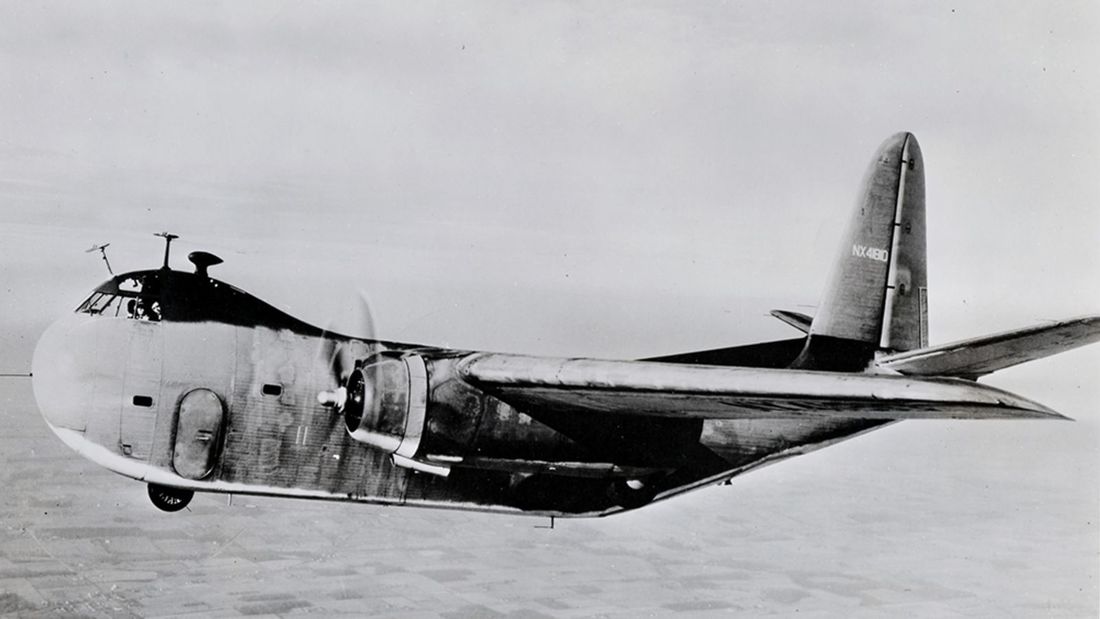
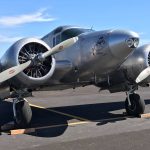
Budd’s Conestoga was a high-wing design, with tricycle landing gear. The aircraft’s flight deck sat atop the forward fuselage, looking almost like a hump on a camel. After Budd gave the proposal to the Navy, an order for 200 RB-1s was placed. Additionally, the U.S. Army Air Corps ordered 600 to be designated as the C-93. The RB-1 could carry 9,600 pounds of payload, in addition to 390 gallons of fuel. This payload could consist of either 24 paratroopers, 24 stretchers, and 16 wounded (seated), full-cargo, a 1.5-ton truck, or a large ambulance. Needless to say, the RB-1 had a unique range of payload capabilities.
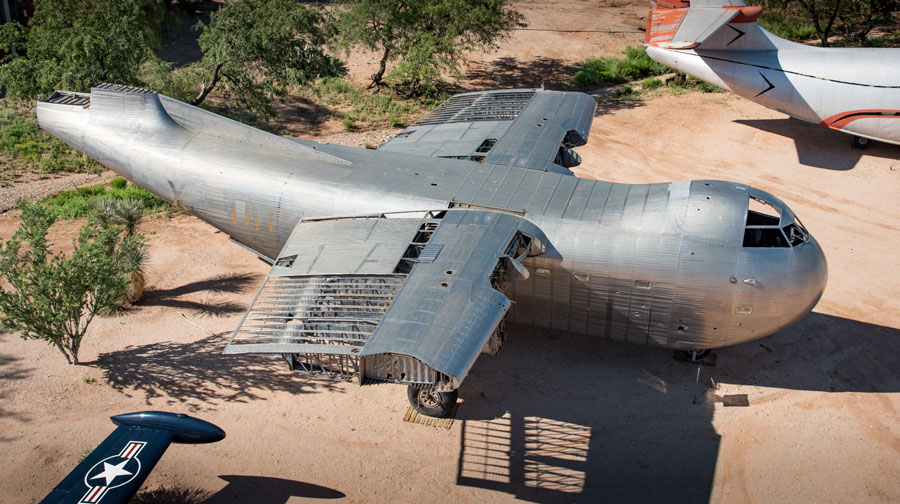
The Budd RB-1 was powered by two 1,200-horsepower Pratt & Whitney R-1830-92 Twin Wasp 14-cylinder radial engines. Conestogas could reach a maximum speed of 197 miles per hour, while cruising closer to 165. A range of 610 nautical miles and a “maximum economical range” of 1,410 nm gave the RB-1 room to effectively haul cargo within. A total of 20 Conestogas were manufactured, but cost-related construction delays and problems with stainless steel fabrication led to cancellation of the U.S. Army Air Corps’ orders. The aircraft that were produced served at Naval Air Stations as utility aircraft. There is a sole-surviving Budd RB-1, BuNo 39307. This Conestoga is on display in an unrestored condition at the Pima Air & Space Museum in Tucson, Arizona.








Best aviation based read with so much information it takes me a couple of days hustle around all the great sections of obscure vintage aircraft and air shows. Thanks.