






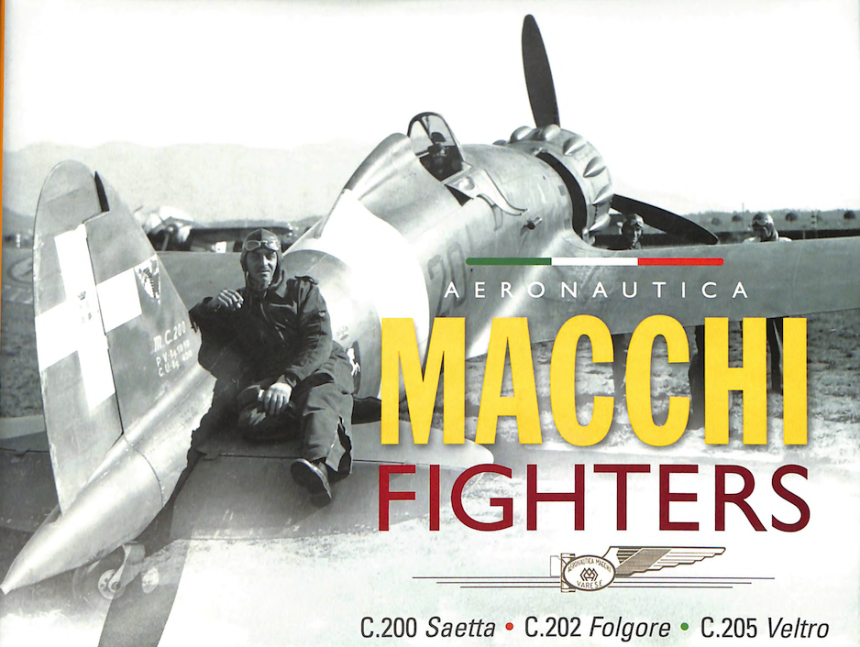

Travel For Aircraft Bookshelf – Aeronautica Macchi Fighters: C.200 Saetta, C.202 Folgore, C.205 Veltroby Luigino Caliaro, reviewed by Joe May
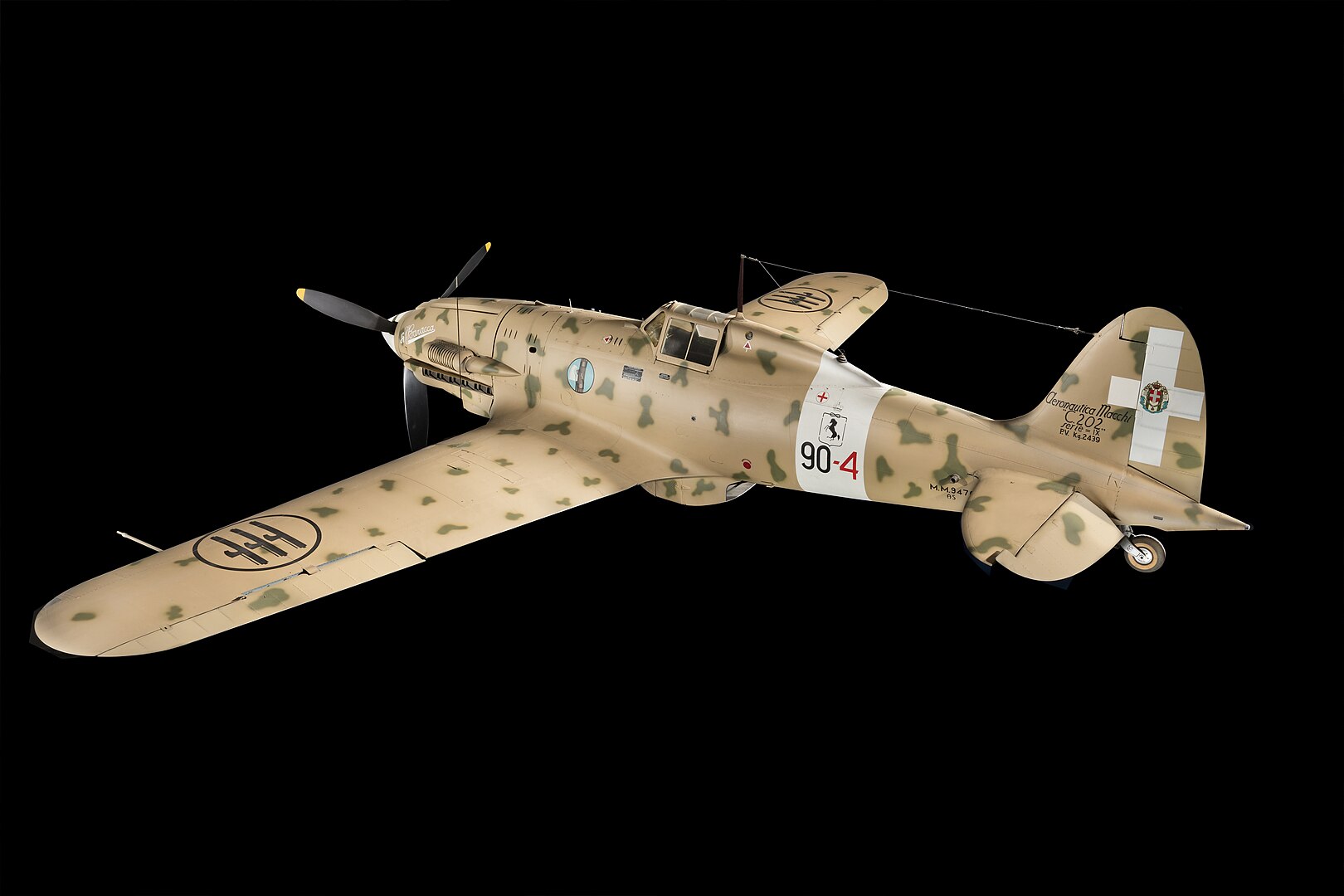
When seeing the NASM’s Aeronautica Macchi C.202 Folgore fighter, I immediately thought what a beauty it is, though knowing little about Italy’s World War II designs, since there is a dearth of English-language publications about them. Author Luigino Caliaro is on a mission to fix that issue and fill in that somewhat empty niche. The first book in his planned trilogy of World War II Italian fighters is Aeronautica Macchi Fighters: C.200 Saette, C.202 Folgore, C.205 Veltro.
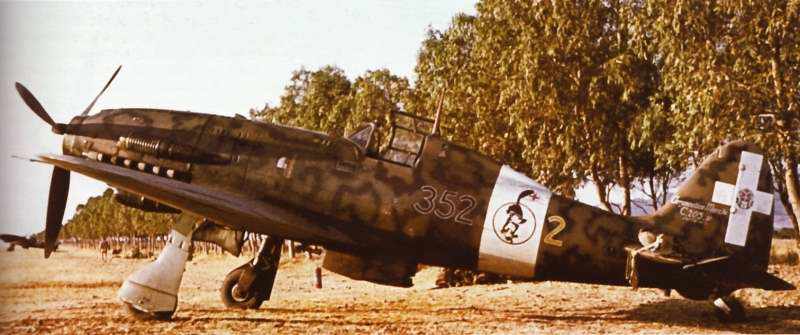
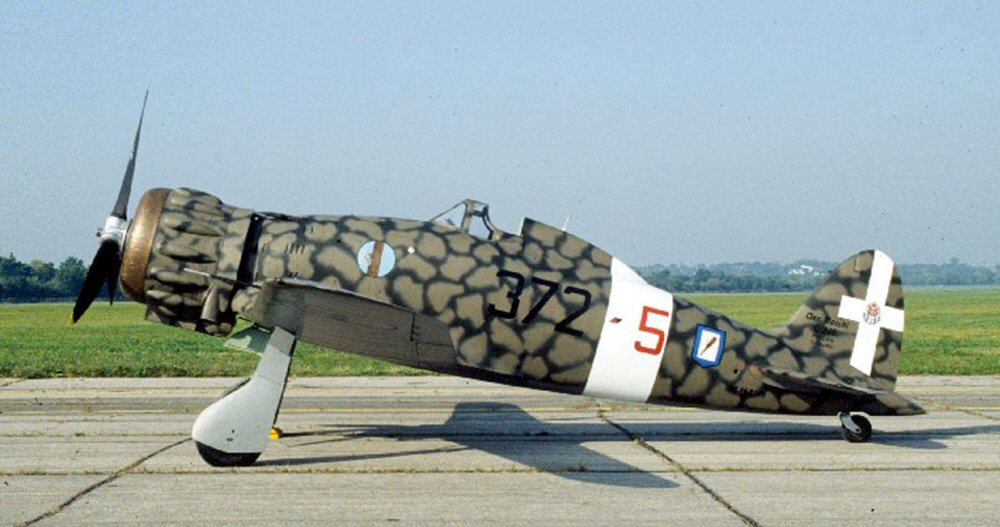
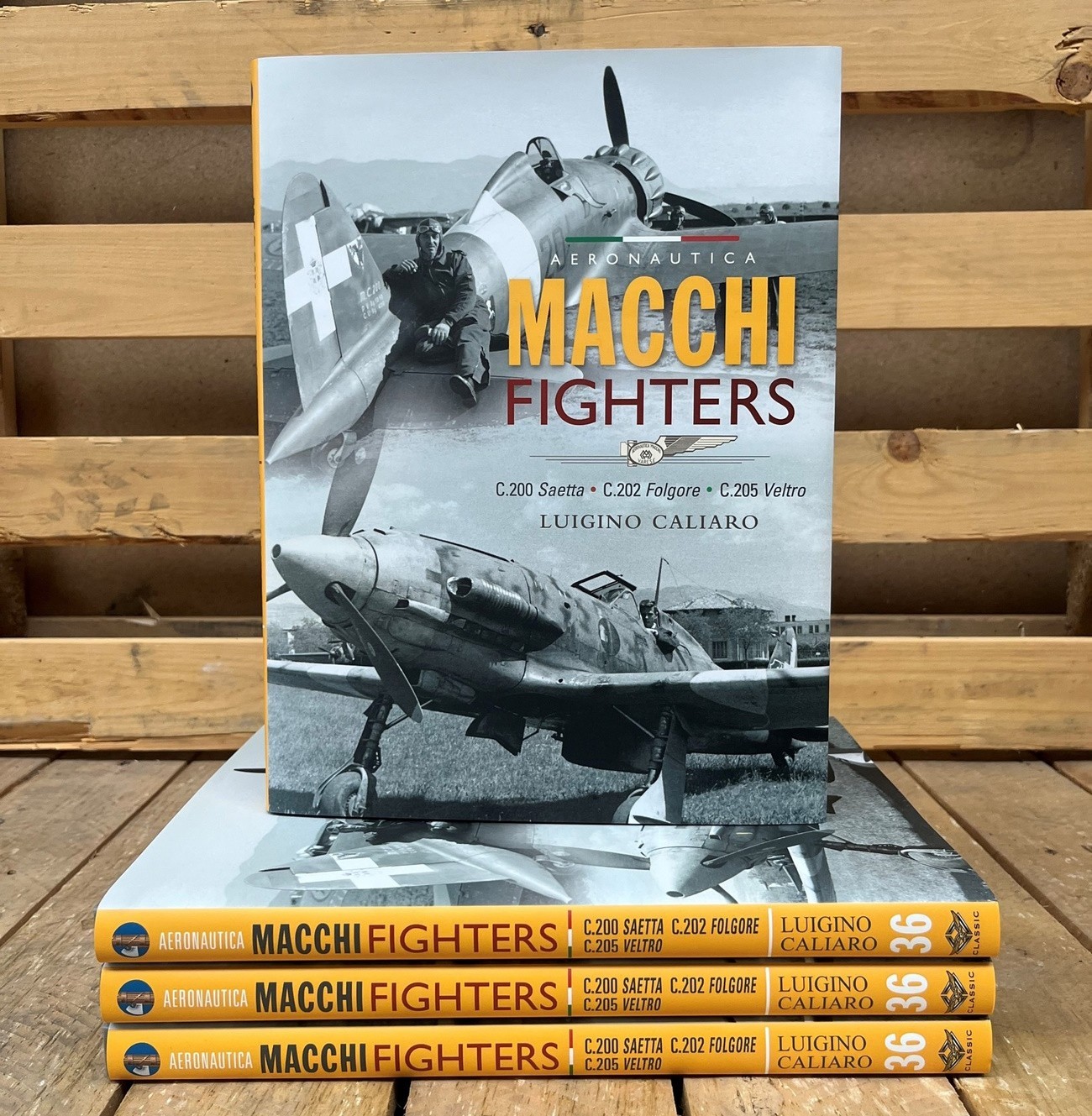
Caliaro’s Macchi Fighters exquisitely tells the tale of Aeronautical Macchi’s famed trio of World War II vintage fighters—the C.200 Saetta (Lightning); the C.202 Folgore (Lightning); and the C.205 Veltro (Greyhound). Caliaro goes much further by writing eloquently of Macchi’s history from the animal-drawn cart-making firm during World War I to the present aerospace company of today. Each of these three World War II vintage aircraft types is described in the finest detail technically, in drawings, as well as illustrations of notable details. The line drawings are breathtaking, and items from weapons to gunsights to heraldic symbols are well produced.
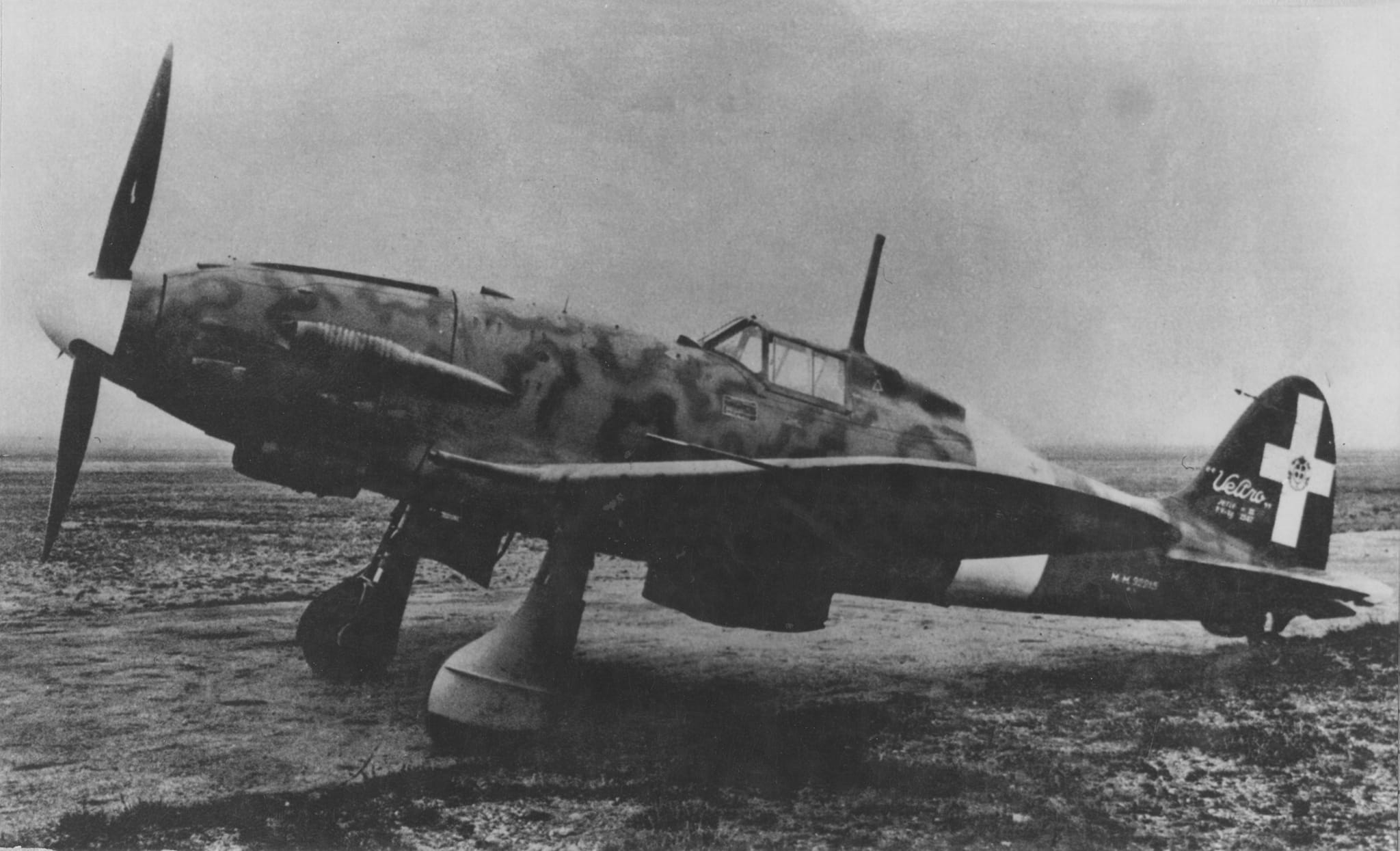
Most of the immense number of photographs welcome a magnifying glass as they are well presented in this large-format book. Additionally, the artwork of these fighters as they would have appeared in service is incredible. These fighters, though few in numbers, were well-traveled during World War II. With the surrender of Italy, many Macchi fighter aircraft found themselves being flown for, and fighting for, Nazi Germany. Caliaro details units serving in Croatia and other countries—history hardly mentioned in English language books.
Caliaro also does not pull punches as he notes the poor decision-making of Fascist Italy’s government of the time regarding production, designs, and especially forcing a power plant change from in-line engines to radial engines during the 1930s. Macchi, notably, had made great progress with its Schneider Cup hydroplane racing machines, which all had in-line engines—making the government’s fateful decision all the more puzzling. Fascist Italy’s mandated switch to radial engines lessened the available power as Italian radials lagged behind in performance compared to those of other countries. Two more confusing decisions are also discussed, which are weak armament and the lack of radio communication capability between aircraft. Somehow, the Italian military decision makers, at the time, held to the theory that believed close-in aerobatic fighting was the future of air combat, never envisioning coordination between squadrons of fast-moving, heavily armed, and rugged aircraft requiring more firepower as the gun runs each became shorter in duration.
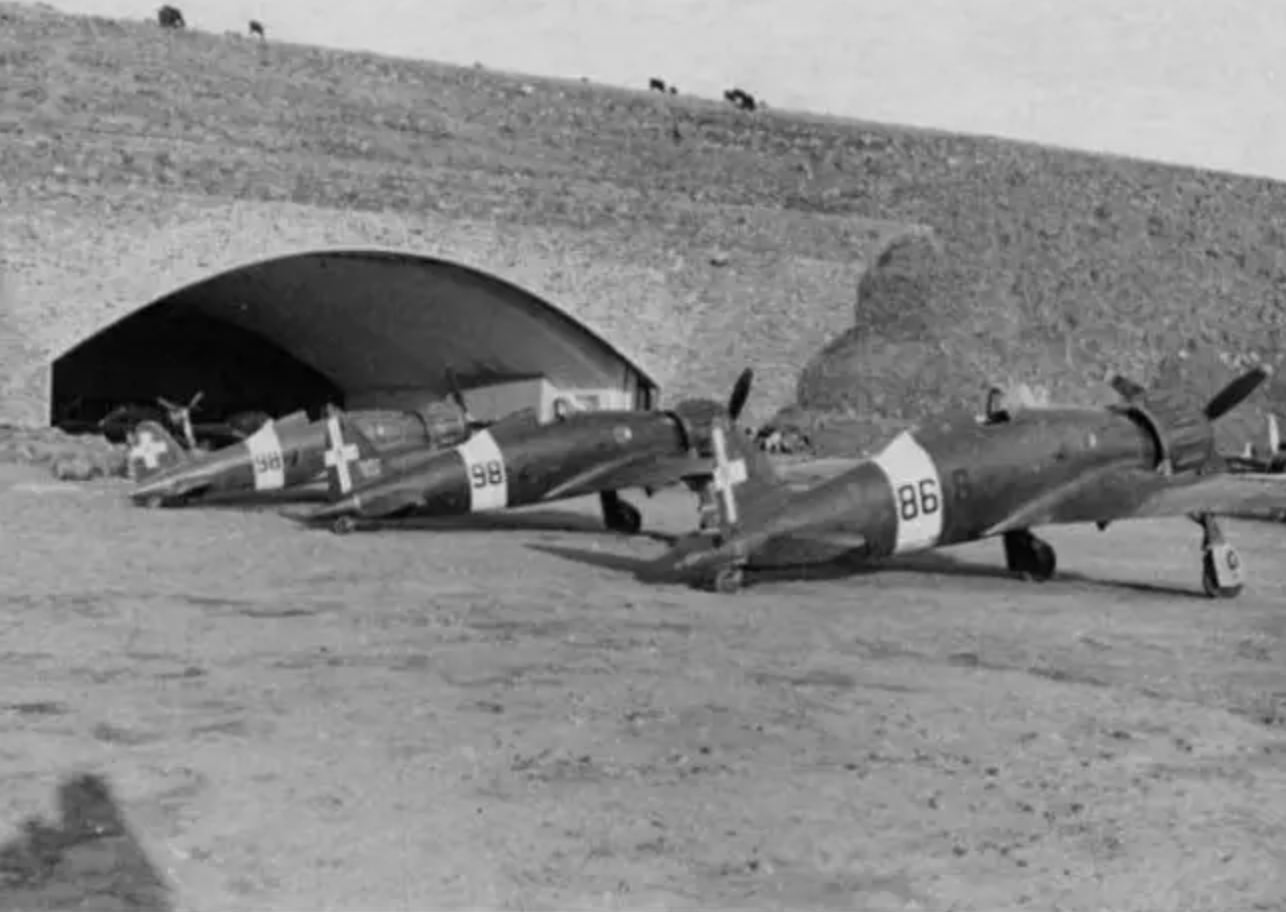
Macchi Fighters describes missions and events in brief, though viscerally felt passages. Italian fighter losses are likely accurate, though their fighter victories may be less so, since Italian combat report summaries were used as sources—fighter pilots are generally known for overestimating their successes. Combat aircrew can be relied upon for less than accurate results, given the speed of the aircraft and the limited time for observations. This does not detract from the text, however, as these summaries reflect what the Italians perceived at the time, and that is an aspect Caliaro excels at, perceiving reality from back in the day. What the designers contended with and what the pilots on the front lines experienced with these fighters are within the covers of Macchi Fighters.
Appendices cover aircraft on exhibit, in large as well as marvelous color images, as well as historic details. An index and bibliography also round this book out quite well. Macchi Fighters is a superbly produced book by any standard. Caliaro is an accomplished writer as well as a photographer. His sincerity in objectively presenting the full history of these three fighter aircraft types is more than commendable. He has filled a niche with a book that belongs on any aviation history library’s shelves. His 2022 book on the Savoia-Marchetti SM.79 Sparviero sold out quickly and is uncommon on the used market, much less on library shelves. Caliaro’s books are that good.
It cannot be helped to question how the C.200 Saetta (Lightning), the C.202 Folgore (Lightning) have synonyms. Could this be? Well, yes, and there is more. Thanks to native Italian Massimiliano Pinucci (designer and airship historian among many other professions), he advises that, yes, “Saetta” and “Folgore” both mean “lighting” in Italian. He goes on to mention the words have also moved on with time so that “folgore” is no longer in use (with an important exception) and Italians have replaced the term with “fulmine” and “lampo.” “Saetta” has also morphed and is now used to infer exceptional speed. Importantly, “Folgore” remains the name of an elite historic paratroop division serving with the Italian armed forces. Pinucci is also friends with Caliaro—it can be a small world.
| Hardcover
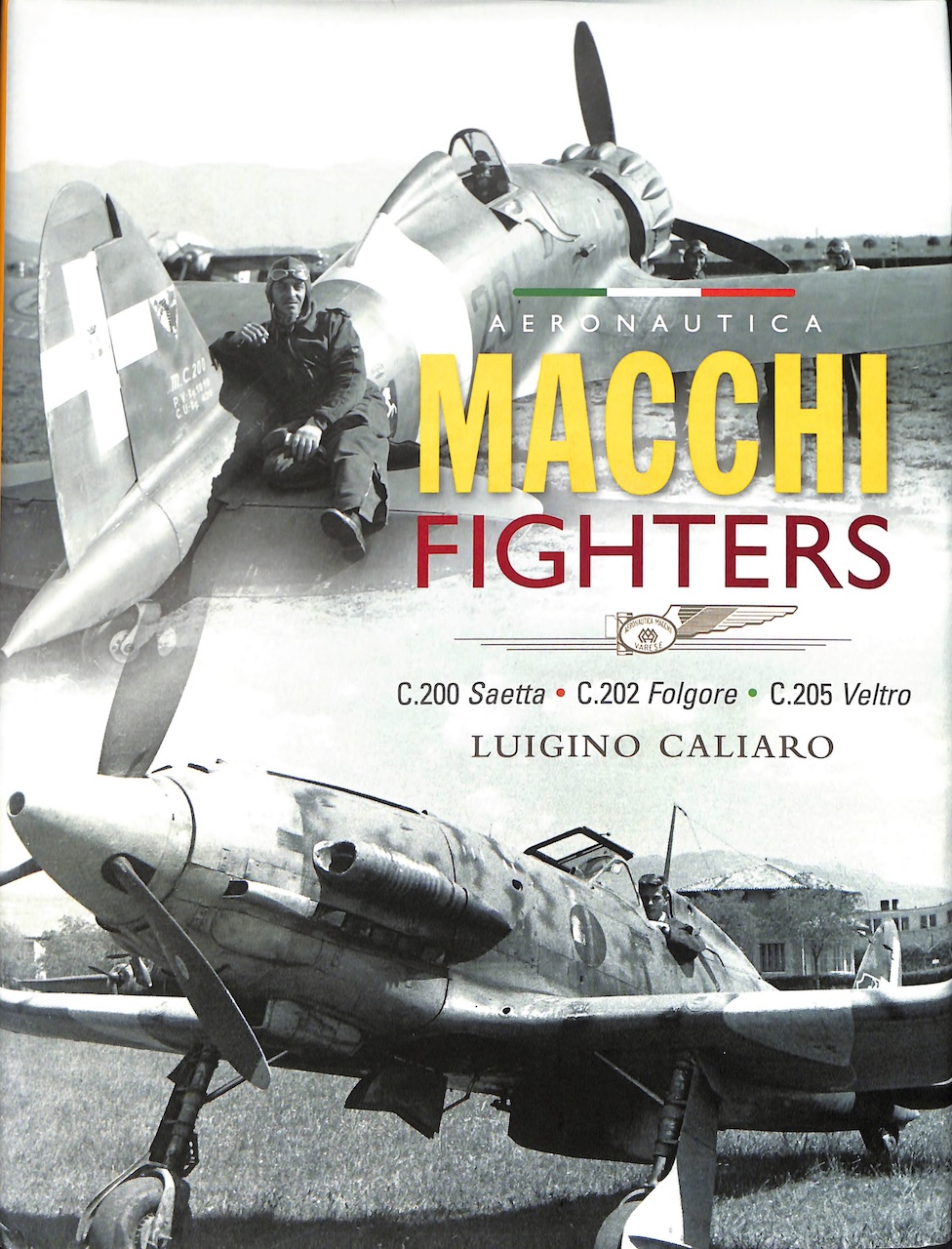
Publisher: Classic an imprint of Crécy Year Published: 2023 12” x 9” Index ✔︎ Bibliography ✔︎ Notes: footnotes Photos (many and as well as artworks) Cost: £40/$54.95 available on Amazon ISBN 978-1-80035-280-3 288 pages |







Way too late! It’s already sold out with no used copies available. Try the Fiat book instead (or the third one coming out in December)…