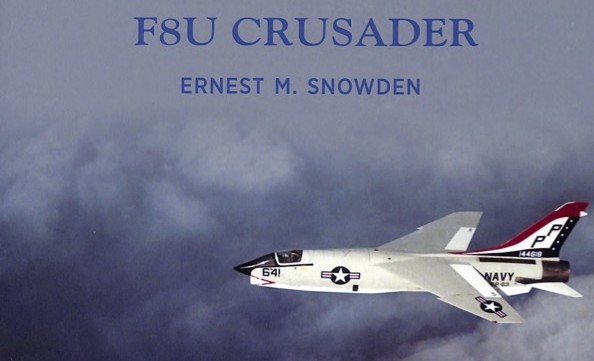

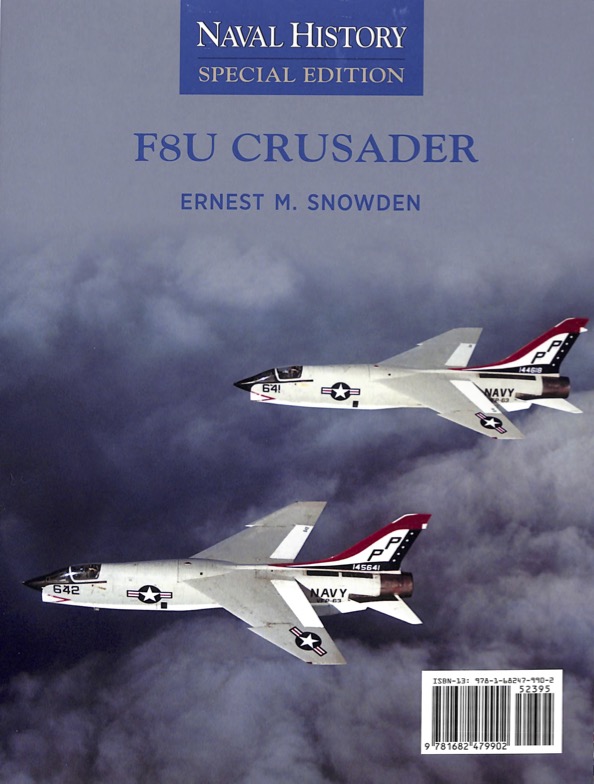
F8U Crusader by Ernest M. Snowden, reviewed by Joe May, available on Amazon.
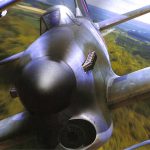
I first saw Vought’s breathtaking F-8 Crusader while sitting in a theater watching Lt. Robin Crusoe, U.S.N. (1966 film), and have never forgotten the sight of it. Young at the time, I was unaware that this aircraft (designated F8U originally) was Chance Vought’s brilliant comeback after his underwhelming initial entries into the jet age from the illustrious F4U Corsair. The F-8 was also, one could argue, the U.S. Navy’s (USN) last purpose-built air superiority fighter. Snowden tells readers much about the Crusader. He writes about the Crusader like “that” uncle who knows all the family’s backstories, teething issues, and accomplishments. Names are named, victories are noted, and both nuances and nits are illustrated matter-of-factly. It is no small wonder that the F8U Crusader is deeply insightful. Snowden is a retired naval aviator, so he has sussed out the knowledge and the insights for readers to vicariously become deeply familiar with Vought’s hallmark creation.
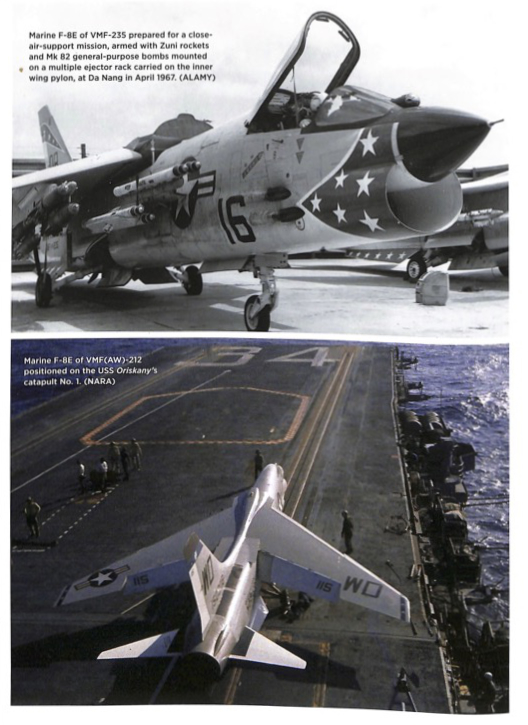
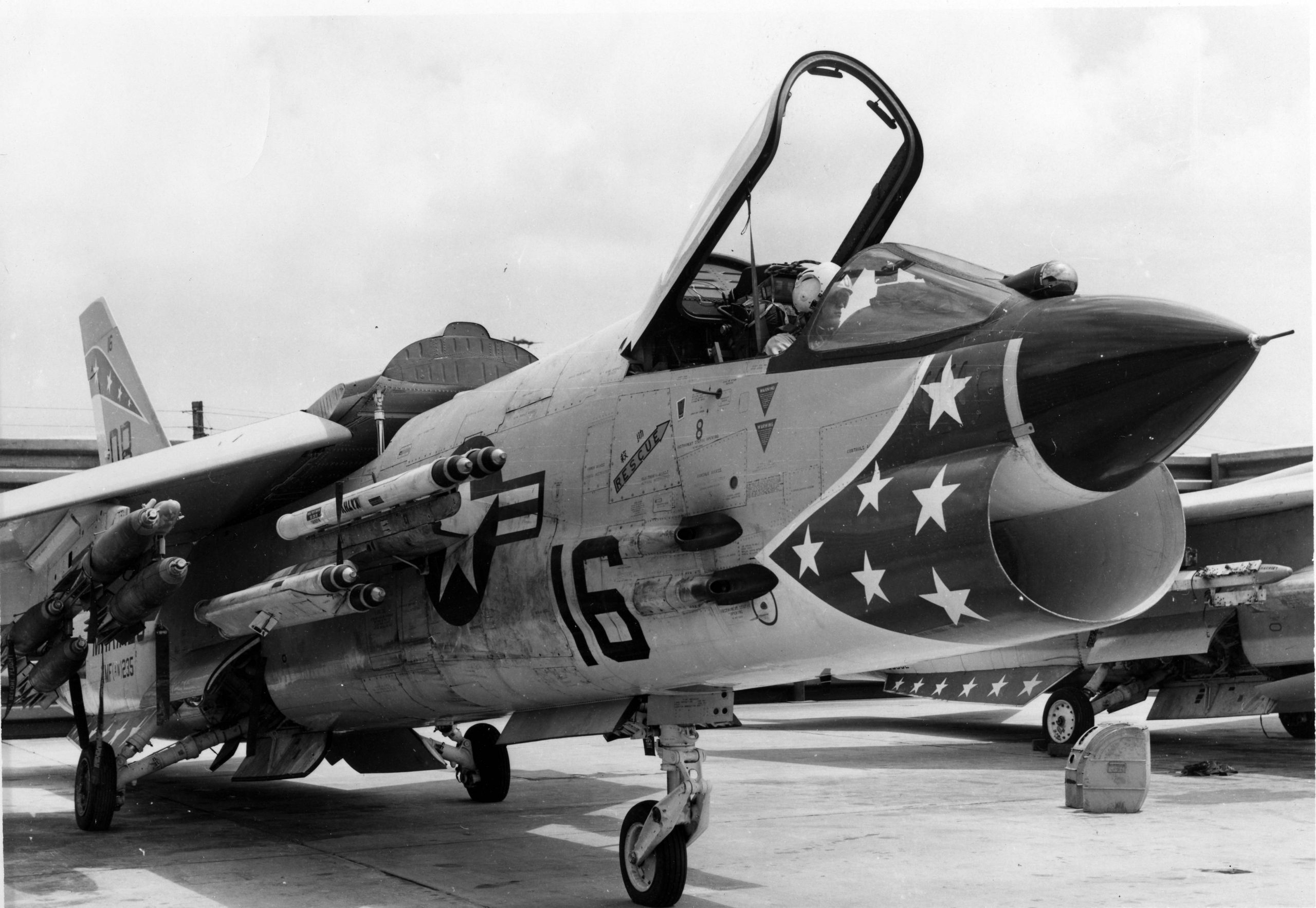
To the eye, the F-8 was obviously designed for a single purpose—to fight. Highly innovative as well as retro, armed with guns as well as missiles. Four 20mm Colt Mk 12 cannon were complimented by a pair of AIM-9C (semi-active radar guided) Sidewinder missiles as well as a pair of AIM-9D (IR seeking) Sidewinder missiles. AIM-9C weapons were tied to the Crusader’s onboard fire control radar. The entire weapons suite and immense engine power essentially had Crusader pilots using speed to control the fight and to gain a firing position behind opposing aircraft. Later, the F-8 would be armed with Zuni rockets and iron bombs for ground attack missions. Though the Crusader pilots always thought of themselves as gunfighters. More on Snowden’s thoughts on their value later.
The F-8, designed for dog fighting, was also carrier-borne, so landing speeds and piloting visibility had to be addressed specifically. These concerns were handled most noticeably using the inspired “pop top” (variable incidence) wing, which would be tilted upwards 7° for landing and take-off phases, as well as petite outboard folding wing sections. Aside from flaps, there were slats and drooping ailerons. Ventral stakes only enhanced the Crusader’s area-ruled fuselage as well as stability. Other books describe more adventures and combat experiences than the F-8U Crusader, though Snowden tells readers how the F-8 could be expertly flown as well as how it could kill its pilot. Snowden’s telling of a 10-knot airspeed window when on final to the flight deck shows why the Crusader had an extraordinarily high accident rate. Notably, John Glenn is a prominent figure in the history of the F-8, beginning with a calamity while testing the cannon in a test flight, as well as flying lead in the spectacularly successful Project Bullet (a cross-country speed record).
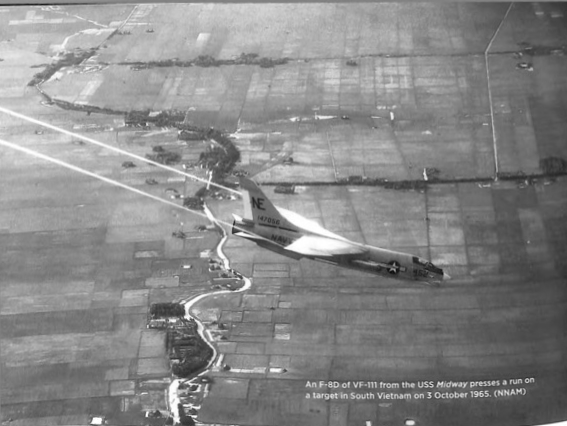
Other pilots would fly the Crusader to additional record accomplishments, and Snowden describes them well. Project One Grand—where Cdr. Robert “Duke” Windsor won the Thompson Trophy in 1956, though he held his Crusader’s speed in check so that the USSR would not be aware of its full potential. Snowden tantalizingly describes the details of the attempt, both within the aircraft and on the course—racing is always about the details. Although Windsor held the speed back on the aircraft, Snowden notes, he flew with its quad cannon installed as well as ballast substituted for the weight of its cannon rounds. Naturally, the aircraft is pictured in F8U Crusader, where readers can observe that the cannon firing ports are faired over. 1956 also saw the Crusader design awarded the Collier Trophy, uncommon for a fighter aircraft. The Crusader’s fighting career is bookmarked just after the Korean War and the start of the Vietnam War. The Phantom is remembered as a symbol of the Vietnam War, although the F-8 was quite successful, as the author details, especially against North Vietnam’s MiGs.
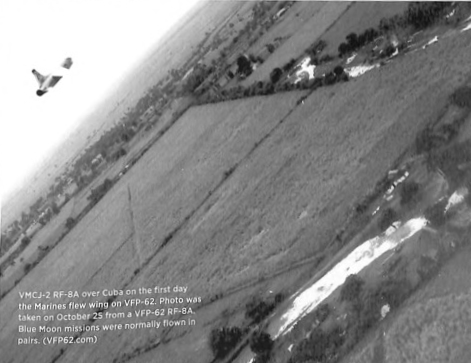
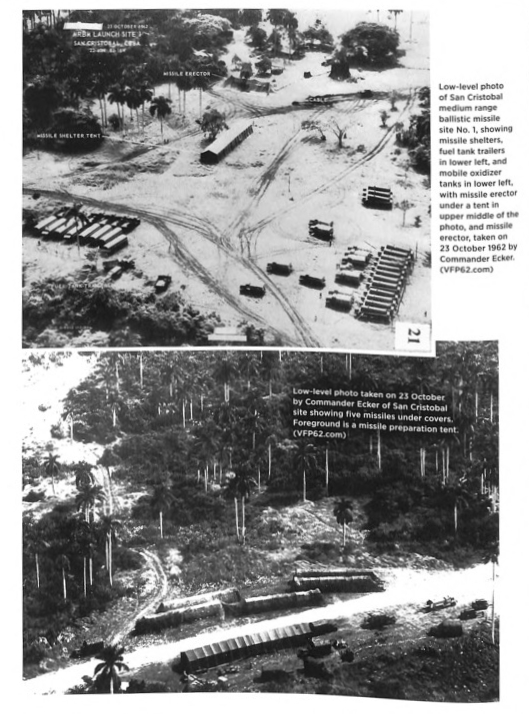
The recce version, the RF-8, stands out over the RF-4 for its role during the Cuban Missile Crisis during Operation Blue Moon. Flying from Jacksonville NAS, RF-8s made high-speed passes while at tree-top level to photograph developing IRBM missile installations, their construction progress, and personnel. These images were vital for U.S. military planning as well as shaming Russia at the United Nations Assembly, where the world became aware of the capability for the United States to recon by air. Overflights at tree-top level must have also sent their own message. Although not mentioned, to be fair, the USAF was doing the same with RF-101 Voodoo aircraft out of MacDill AFB.
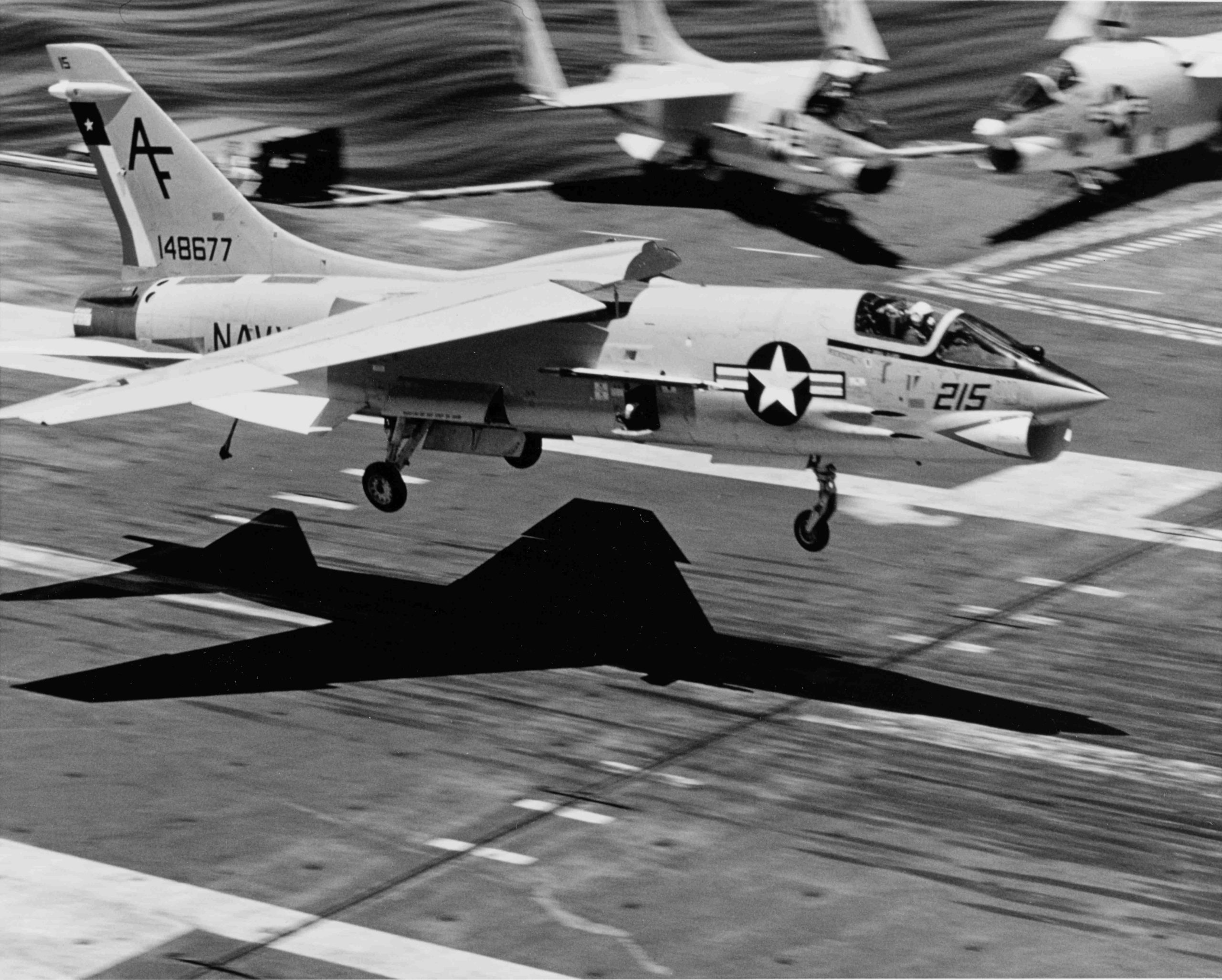
At the end of the day, F-8s were, and still are, primarily known as “Last of the Gunfighters” with the Crusader fighter pilot community never denying the swagger to the adrenaline-inducing title. During the 1960s and 1970s, the F-8 Crusader was the “Last of the Gunfighters” as the missileers came to dominate over gunslingers in air-to-air combat. Missiles had speed, range, and destructive power advantages over the Crusader’s 4 x Mk 12 20mm cannon, though it too carried AIM-9 Sidewinder missiles. As the author points out, in the only war the Crusader was in, the Vietnam War, there was just a single gun kill by an F-8. Then why the swagger? As a naval aviator, he gets to the fundamental issue, and that is, air-to-air combat is more of a melee than a chess match. Missile locks may not be possible due to minimum range limits or the dodging and weaving in terrain. Ah! But get close enough to fire tracer rounds within view of the opposing pilots, and they will usually break one way or another—extending the range for a missile shot or climbing into the clear for a missile lock.<
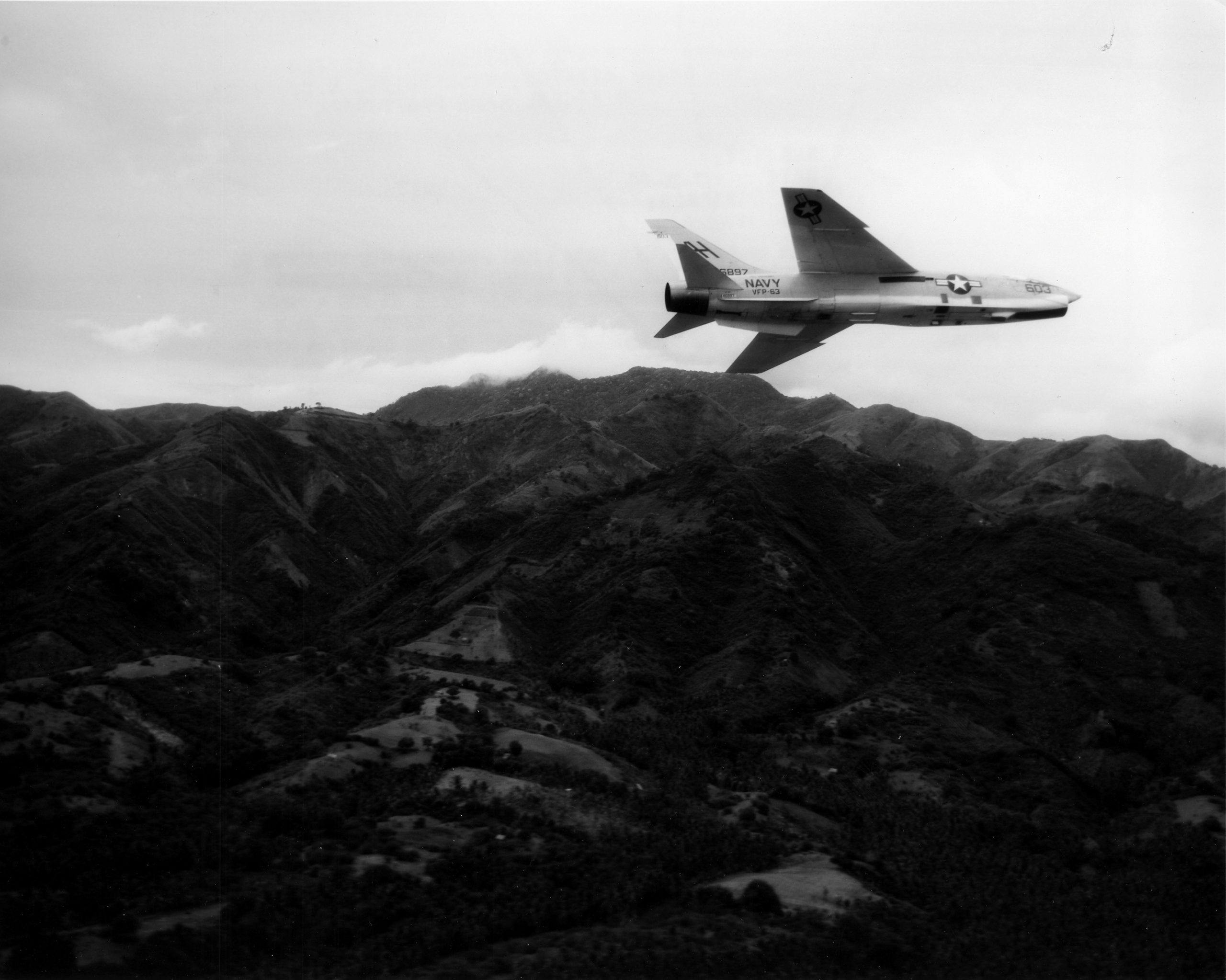
Although being eclipsed by the McDonnell Douglas F-4 Phantom II he Crusader was operational in the early years of the Vietnam War. The USN, as well as the USAF, relearned the value of a gun in a fighter with the Echo model of the Phantom and all subsequent designs where air superiority was included in the deign specs. Now a fighter’s cannon fires thousands of rounds per minute, which is a magnitude higher rate than the hundreds of rounds per minute in the F-8. Lesson learned. As weighty and as expensive as these canon systems are, and though a gun kill rarely occurs (even against balloons), these systems enhance a missile shot when air combat maneuvering (i.e., dogfighting).
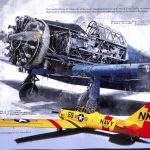
This book is excellent. Its hybrid format, between a magazine and a book, has much more to tell than a magazine could but less than a book. Snowden has expertly worked within this format to give readers intimate and insightful knowledge that many authors miss. He accomplished this with determination and zeal, as shown in his writing. Ernest Snowden’s F8U Crusader is a book that is required reading for naval aviation interests, as well as the aircraft itself, for Vought’s history and paradigm-setting performance. Readers might consider inserting notes for returning to important passages, or scan the book into a PDF to be term-searchable, as there is no index—although it possesses a thorough bibliography. The images are many and impactful, sourced from institutes as well as squadrons. “That” uncle usually has the photo album, too. F8U Crusader by Ernest M. Snowden, reviewed by Joe May, available on Amazon.
| Softcover
Publisher: Naval Institute Press (2026) SIze: 10-½” x 8” Index: no Bibliography: no Notes: no Photos: plentiful Cost: $24 ISBN: 978-1-68247-990-2 Page Count: 115 |