
A Sky Never Forgotten: a WWII Pilot’s Journey Through War and Captivity by Maida Purdy, reviewed by Joe May, available on Amazon.
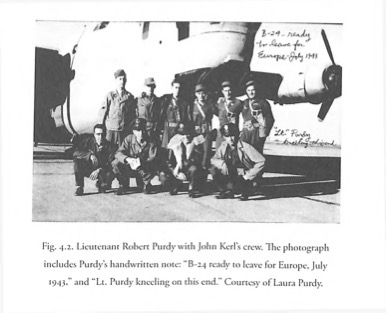
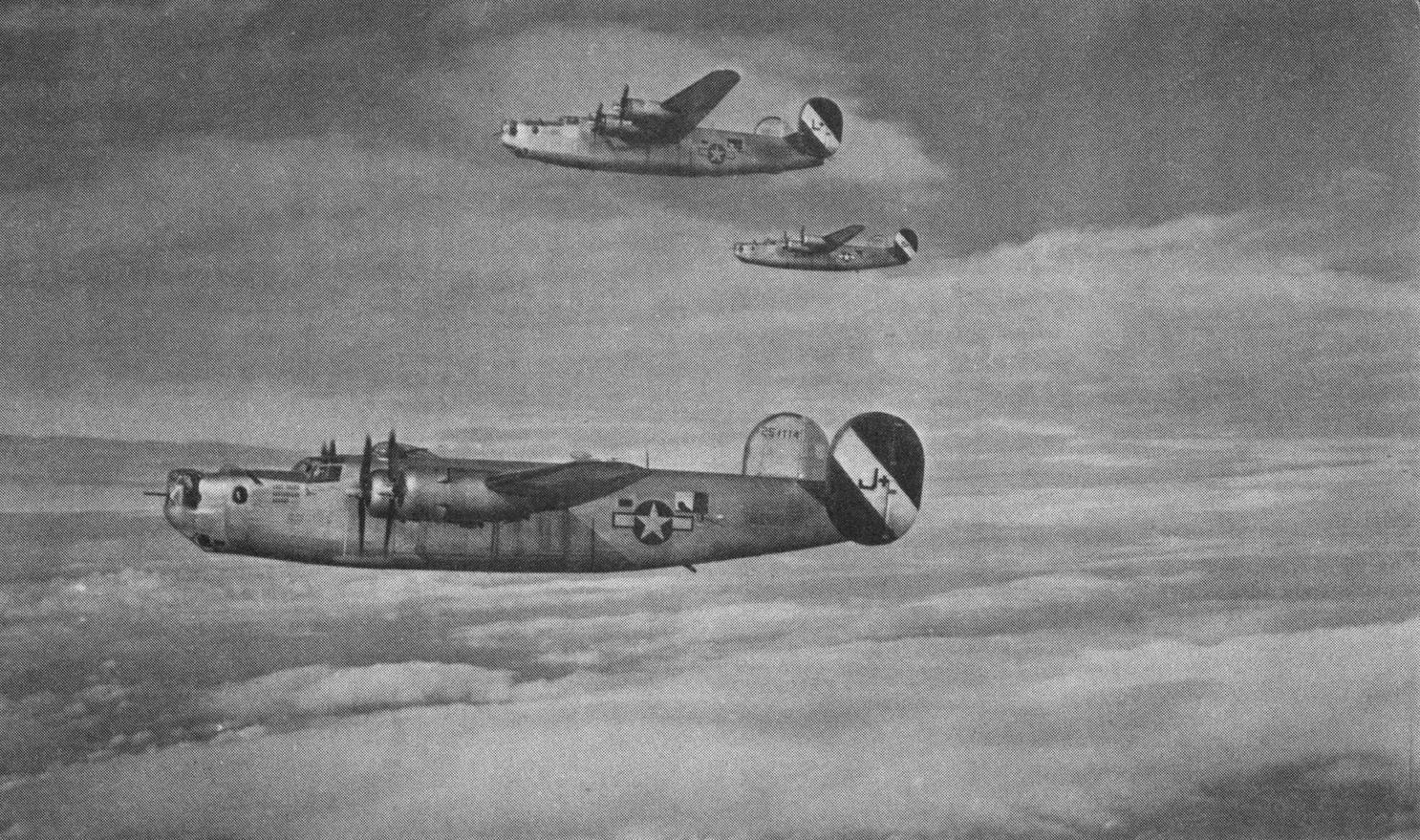
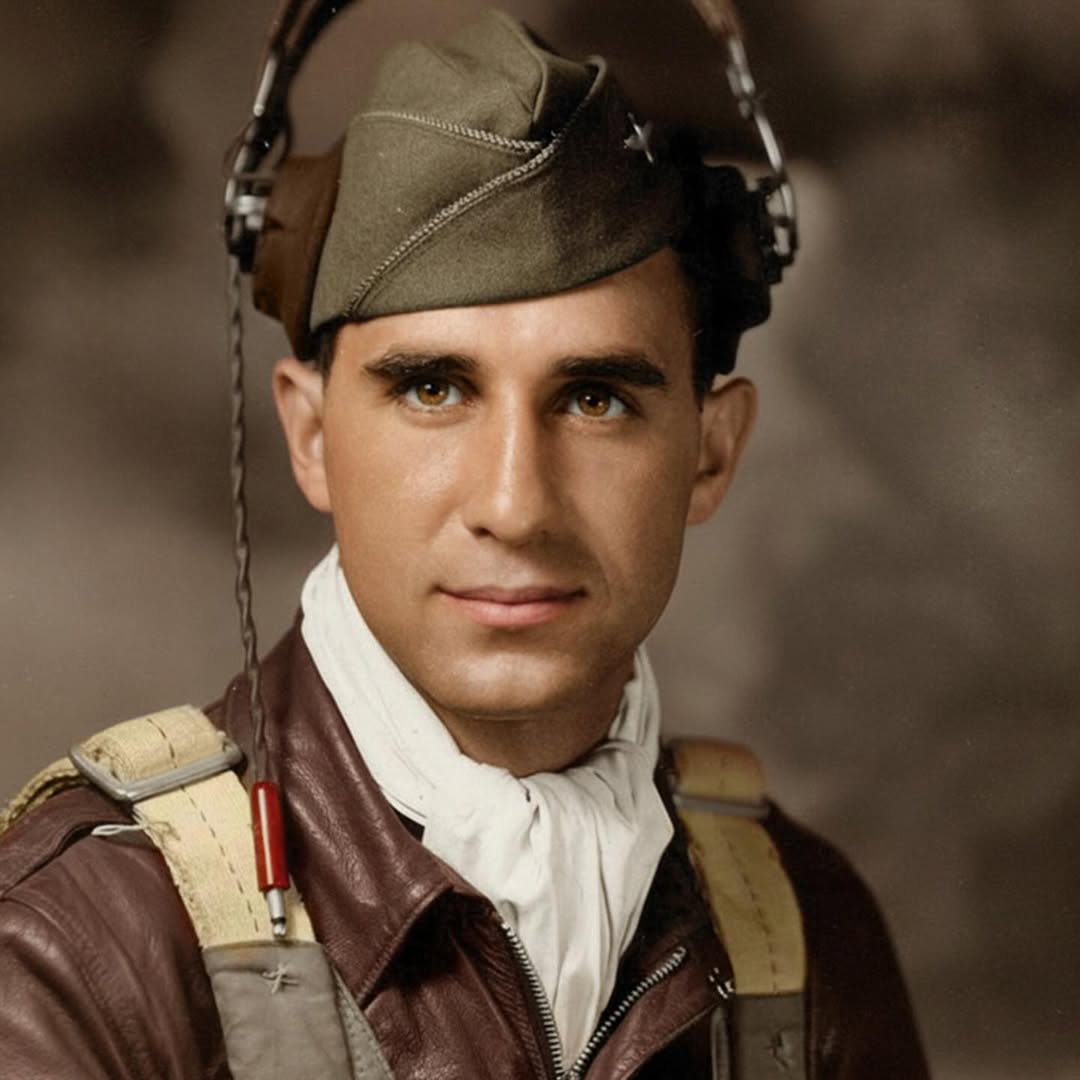
28 December 2025 was the day I read A Sky Never Forgotten, and it turns out to also be the anniversary date for when John Purdy was shot down. Originally, I intended to read it during the following week but quickly realized I couldn’t put it down—the story gripping, the writing exceptional—and read it that day. Who was John Purdy? How did he come to find himself suspended under a parachute as the tail of his Consolidated B-24 Liberator “Bomb Boogie” tumbled around him? What was his captivity like? What was he like? Was he just another pilot in the U.S. Army Air Forces during World War II? Hardly. Like many of his generation, he was raised during hard times. The Depression. Political upheaval. Tumultuous times all round. He had inspiration and purpose higher than self and came from a strongly bonded family. He also knew history’s value in detail and its context. This trait helped to make him an excellent tool-and-die man in his youth, and a homebuilt aircraft maker in his retirement. In between those years, he also had five wives and children, including living nearly a decade in Cuba. Purdy did not shy from risk. Bomb Boogie belonged to the same large unit as Strawberry Bitch and Lady Be Good. More coincidence.
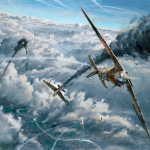
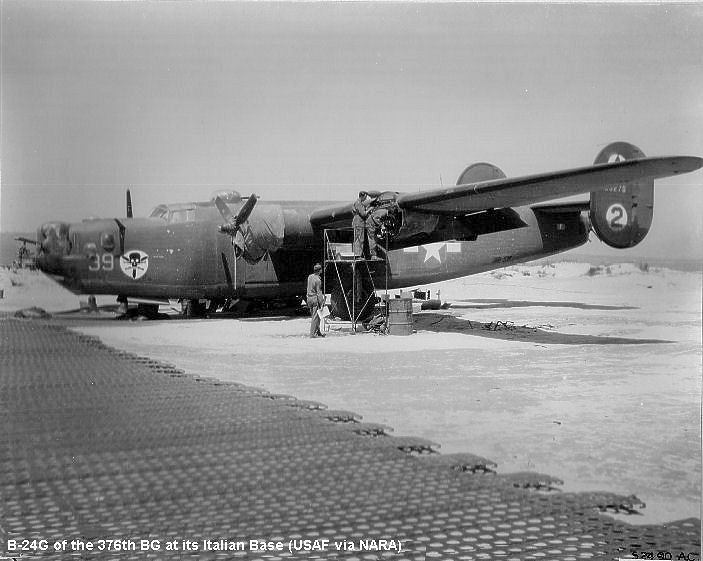
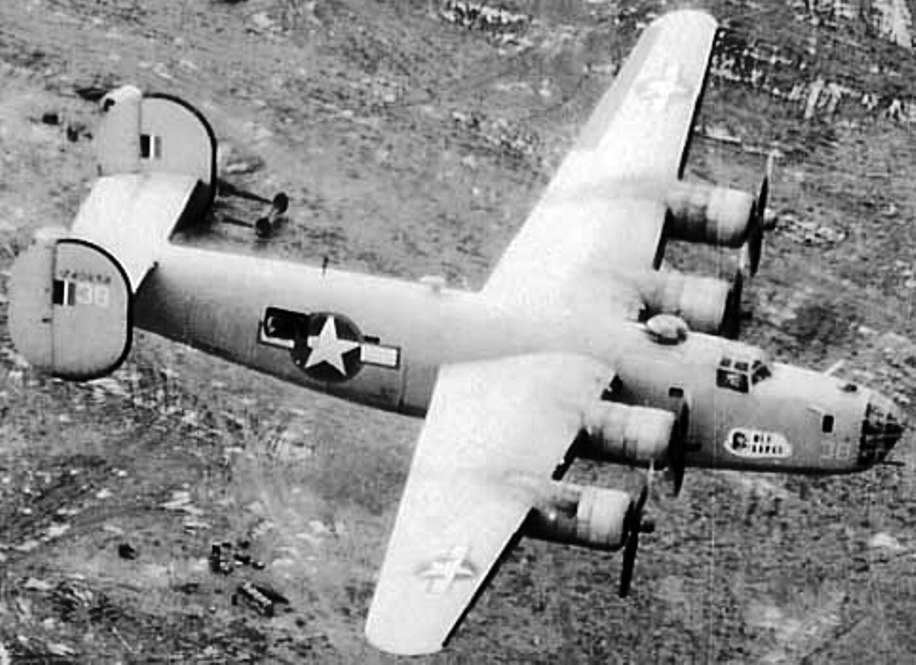
A story such as John Purdy’s could be sanitized easily and rendered boring, but author Maida Purdy (John’s daughter from his time spent in Cuba) is not only a gifted writer but a professional historian, as well. Maida also knows the value of detail and context to bring a written story to life with the same excitement as the story being told in person. She does this by using John’s own words and historical research to describe the discrete pieces of information that fill out a story. Ensuring the story is not only a handy read but a full experience. Aside from readers learning how full lives can be lived, there is the incredible experience of literally being blown out of the sky. Bomb Boogie was on a bombing mission, a proverbial surprise “milk run” to Vicenza, Italy (midway between Padua and Verona) on the 28th of December. The surprise was to be on the bomber squadron as they were not only met by a prepared intercepter force but also outnumbered by Luftwaffe fighters manyfold. Purdy’s bomber was not only raked by 20mm cannon fire but also struck by an air-to-air rocket mid-fuselage. While the cannon fire had crippled Bomb Boogie, setting an engine on fire, it was the rocket that ended her service. Bomb Boogie broke into three sections—just ahead of the wings and just aft of them. Three heavy bomber subsections then floating-falling to Fascist Italy, taking four of her deceased aircrew with them. The bombing squadron numbered eighteen, going in with only ten making it out the other side. The intelligence planners got it wrong. A third raid in a short period of time was not to be the surprise they thought it would be. The Luftwaffe, in effect, had been drilled to perform better by practicing in the previous two air raids.
It is then that the readers get their eyes opened when reading, in John’s words and reinforced by Maida’s research, about living as a POW in Stalag Luft I. It was not as often read about in the usually broad-brushed and generalized descriptions or POW camp experiences in Germany. Food was scarce, as was medical attention, and these only got worse as Nazi Germany found itself increasingly stressed for resources with the war’s progress. Readers learn that the RAF POW airmen possessed a radio receiver, and their procedure for ensuring its safety was stringent. News received from listening to Allied broadcasts continued to give all the POWs hope as well as situational awareness. This awareness became keen after hearing of the results of “The Great Escape” from Stalag Luft III. Recent POW arrivals also brought news. Although reduced food rations weaken POWs, making it less likely for them to make escape attempts, amassing huge numbers of POWs leads to a covert intelligence network. Readers can learn much from what Purdy experienced and observed.
The outprocessing of the POWs was also eye-opening. How did the thousands of POWs from Stalag Luft I get repatriated? And the liberating force of Russians had the onus to feed, clothe and attend thousands of people when they came to Stalag Luft I—how did that happen? Were war crimes committed during their captivity? How was morale kept? Tunnels? Art? Readers learn of these insights, as important as they are, which are usually unaddressed in other POW stories. Readers also learn what can happen after the POW captivity and after living through combat. Some of it is good and some of it is not as fortunate. A Sky Never Forgotten is a uniquely well-written and well-presented book of a man, John Purdy, who lived through interesting times, as the Chinese curse goes. Political turmoil and times of poverty on the home front led to combat in Europe’s skies during World War II. Freedom, captivity, marriages, flying. Always recalling the war and the loss of family in that war. A Sky Never Forgotten is for the WWII history shelves since it provides context and insight common to all airmen of WWII. It could hardly be written more eloquently or be more thoroughly researched. History writers can learn from Maida Purdy’s method and presentation.
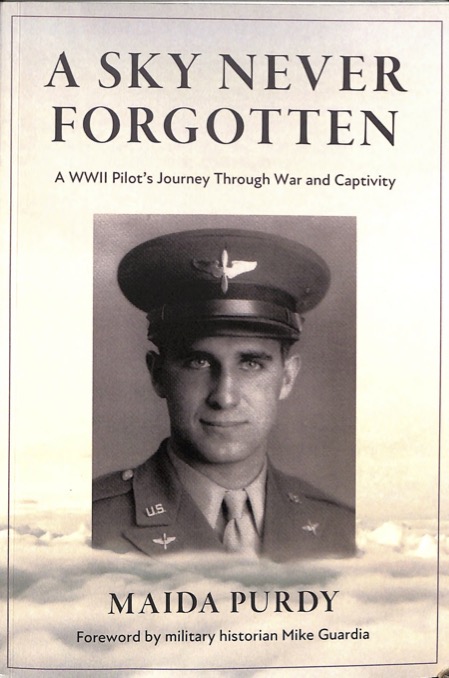
| Softcover
Publisher: Purdy Publishing House (2025) Size: 9” x 6” Index: ✔︎ Bibliography: ✔︎ Notes: none but several appendices Photos: ✔︎ Cost: $17 softcover/$28 hardcover ISBN: 979-8-9857449-3-4 Page Count: 209 Available on Amazon |