
By Clifford L. H. Davis
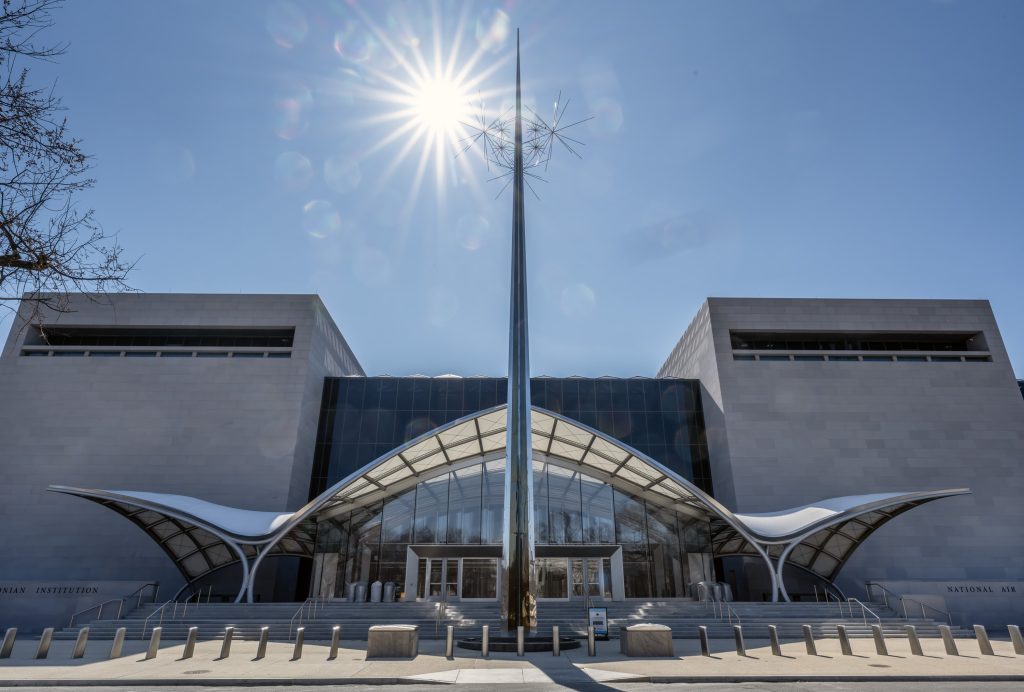
The Smithsonian’s National Air and Space Museum in Washington, D.C., has opened five newly transformed galleries to the public on July 1, 2026, marking a major milestone in the museum’s ongoing $1 billion renovation. The opening coincides with the museum’s 50th anniversary, as it first welcomed visitors in 1976, and comes just ahead of the United States’ 250th anniversary. Since 2018, the museum has undergone an extensive modernization that has included replacing the building’s exterior cladding, upgrading aging mechanical systems, and completing numerous structural improvements. Inside, curators and designers have reimagined the visitor experience by combining iconic aerospace artifacts with immersive exhibits that tell the evolving story of aviation and space exploration. The five new galleries represent the third phase of the museum’s multi-year transformation. The renovation began with the opening of eight galleries in October 2022, followed by five additional galleries in July 2025. The project is scheduled for completion in fall 2026 with the debut of the final two galleries. “We celebrate the nation’s remarkable achievements in aviation and space exploration every day,” said Chris Browne, the John and Adrienne Mars Director of the museum. “As we finish our renovations this year, visitors will now be able to enjoy the Smithsonian’s world-class aerospace collections in a modern facility, one that will last the next 50 years and beyond.”
A New Era of Flight and Space Exploration
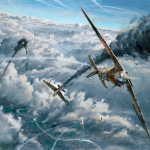
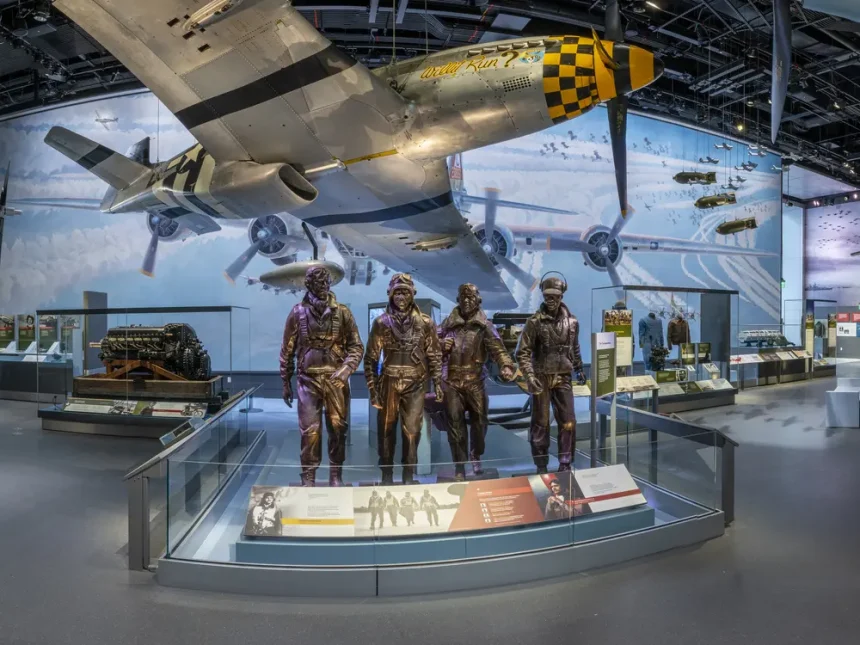
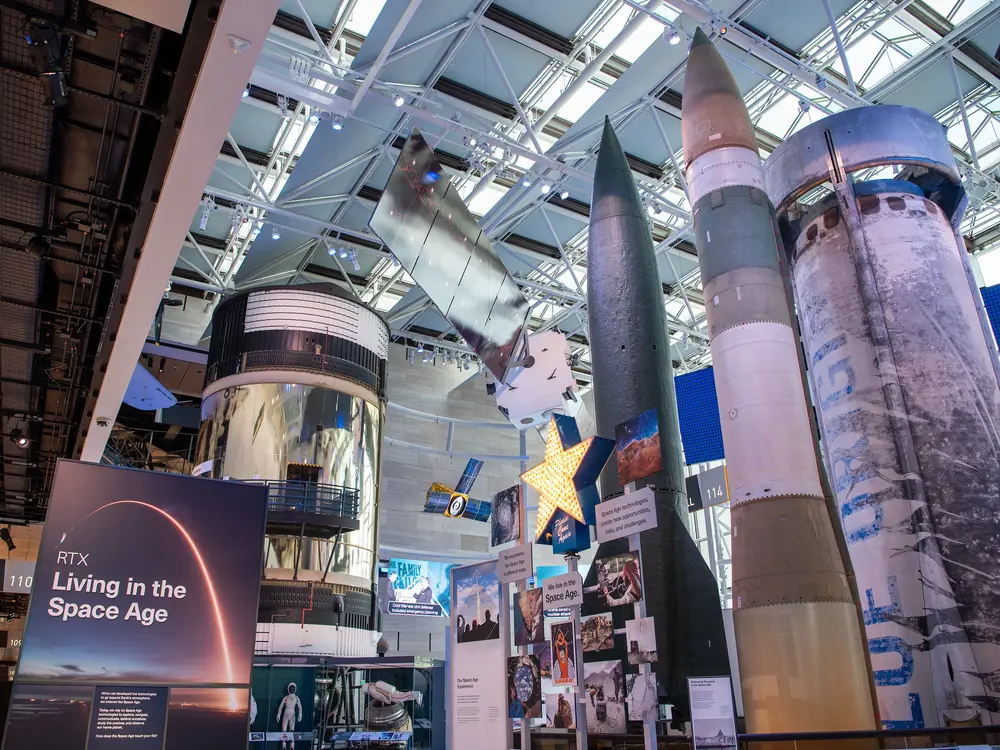
The centerpiece of the latest phase is the RTX Living in the Space Age Hall, which replaces the former Space Race gallery. The exhibition explores how technologies developed for space exploration have transformed everyday life on Earth while showcasing major artifacts from the Space Age. Among the highlights are a full-scale engineering mockup of the Hubble Space Telescope, the historic Skylab Orbital Workshop, a Minuteman III missile, a Soviet Ilyushin Il-2 Shturmovik, and a Blue Origin New Shepard rocket. World War II aviation also receives renewed attention with the completely redesigned Jay I. Kislak World War II in the Air gallery. The exhibition examines the tactical, industrial, and strategic dimensions of the global conflict while expanding its focus to include the contributions of the Tuskegee Airmen, Women Airforce Service Pilots (WASPs), and Women Accepted for Volunteer Emergency Service (WAVES). The gallery features numerous historic aircraft and artifacts, including the museum’s familiar 50-foot B-17 Flying Fortress mural, which has been relocated within the building. Visitors will also find the museum’s Soviet Ilyushin Il-2 displayed alongside such iconic fighters as the North American P-51 Mustang, Messerschmitt Bf 109, and Eastern Aircraft FM-1 Wildcat.
Astronomy, Flight Science, and Aviation Art
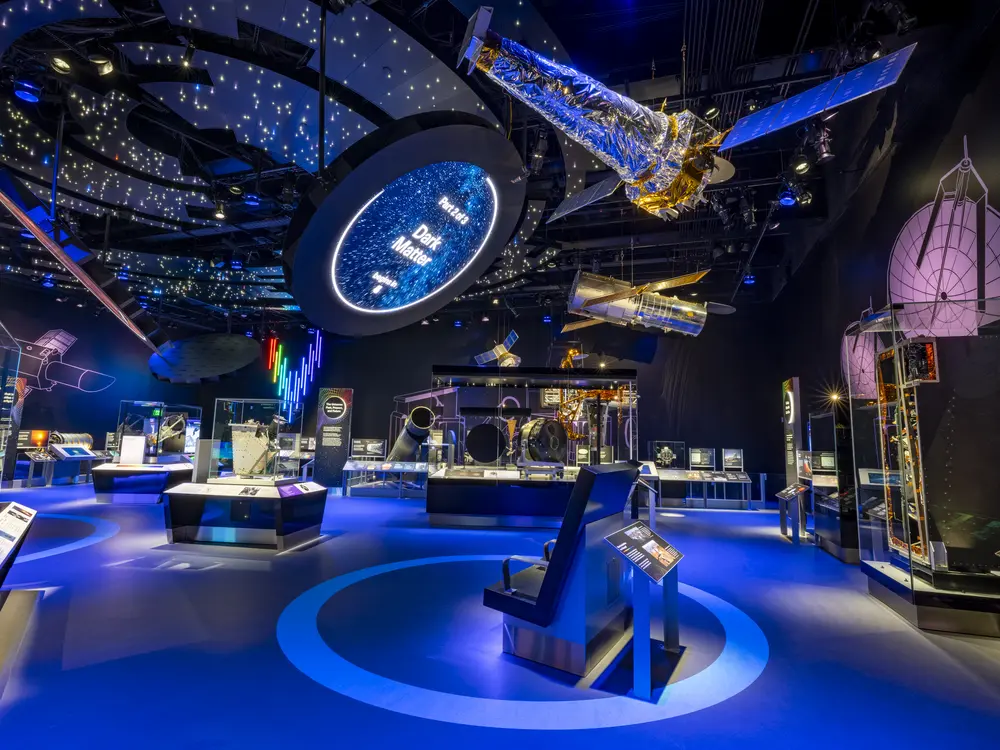
The new U.S. National Science Foundation Discovering Our Universe Gallery explores humanity’s understanding of the cosmos through the evolution of astronomical research. Visitors can examine scientific instruments ranging from early spectrographs used by pioneering astronomer Vera C. Rubin, whose work provided the first compelling evidence for dark matter, to modern digital sensors that continue to expand our knowledge of the universe. Hands-on learning takes center stage in the redesigned Textron How Things Fly gallery, now the museum’s most interactive exhibition space. Featuring more than 50 interactive experiences, the gallery allows visitors to sit inside a full-scale Cessna Skyhawk, design a virtual rocket, explore the workings of a General Electric turbojet engine, and experience the Aerolab wind tunnel, which demonstrates how an aircraft wing generates lift. The museum’s artistic collection also takes on a larger role with the opening of the Flight and the Arts Center’s inaugural exhibition, The Art of Air and Space: Interpretations of Flight. Drawing from one of the world’s largest collections of aviation and space-themed artwork, the exhibit features more than 80 works, including paintings by Norman Rockwell and photographs by Annie Leibovitz. A companion exhibition, The Ascent of Rauschenberg, will remain on display for one year and showcases aviation-inspired works by celebrated American artist Robert Rauschenberg, including several pieces that have never before been exhibited.
Planning a Visit
Admission to the Smithsonian National Air and Space Museum remains free. However, visitors must reserve timed-entry passes in advance. Passes can be reserved at: https://airandspace.si.edu. The museum is located at 650 Jefferson Drive SW in Washington, D.C., and is open daily from 10:00 a.m. to 5:30 p.m., except on December 25. For additional information about the museum, current exhibitions, and visitor planning, visit: https://airandspace.si.edu