
By Randy Malmstrom
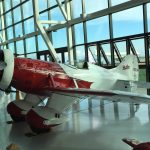
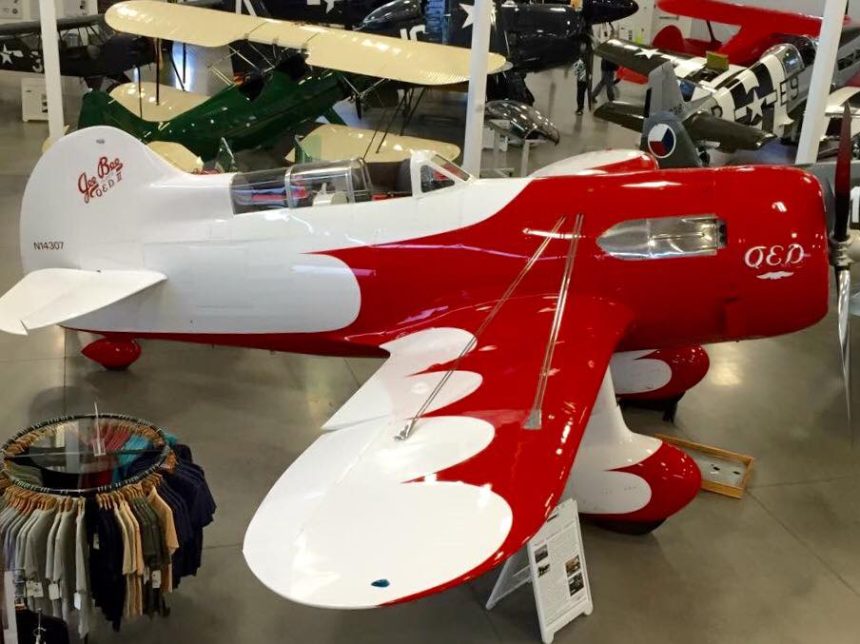
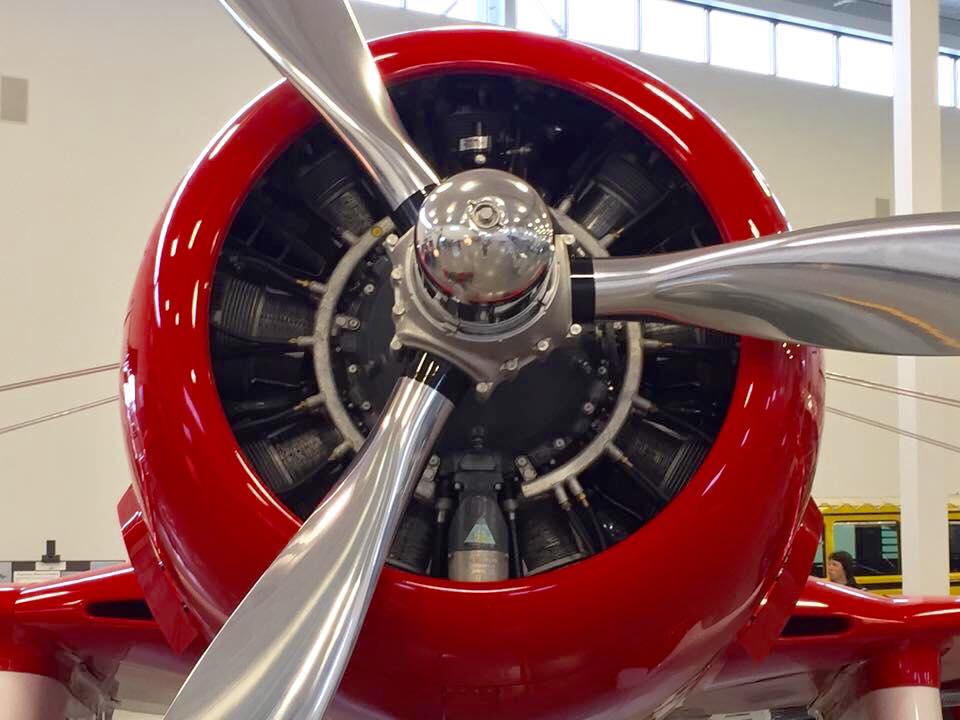
Gee Bee Q.E.D. II Model R-6 “Quod erat demonstrandum” (that which was to be demonstrated). This is a replica of the Gee Bee Model R Super Sportster built by Granville Brothers Aircraft of Springfield, Massachusetts. Gee Bee was the spelled-out abbreviation for Granville Brothers. Reference is made to the Polikarpov I-16 “Rata” in similarity and perhaps having been influenced by the Model R. Powerplant: 1,425 hp. Wright Cyclone. Jim Moss is the pilot, and his Jim Moss Q.E.D. LLC is the owner. My photos at Historic Flight Foundation on Paine Field in Everett/Mukilteo, Washington.
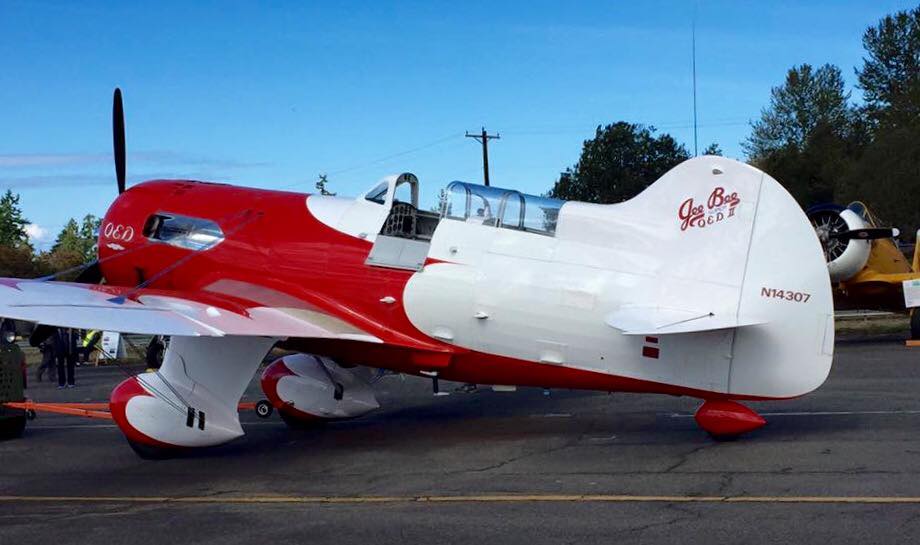
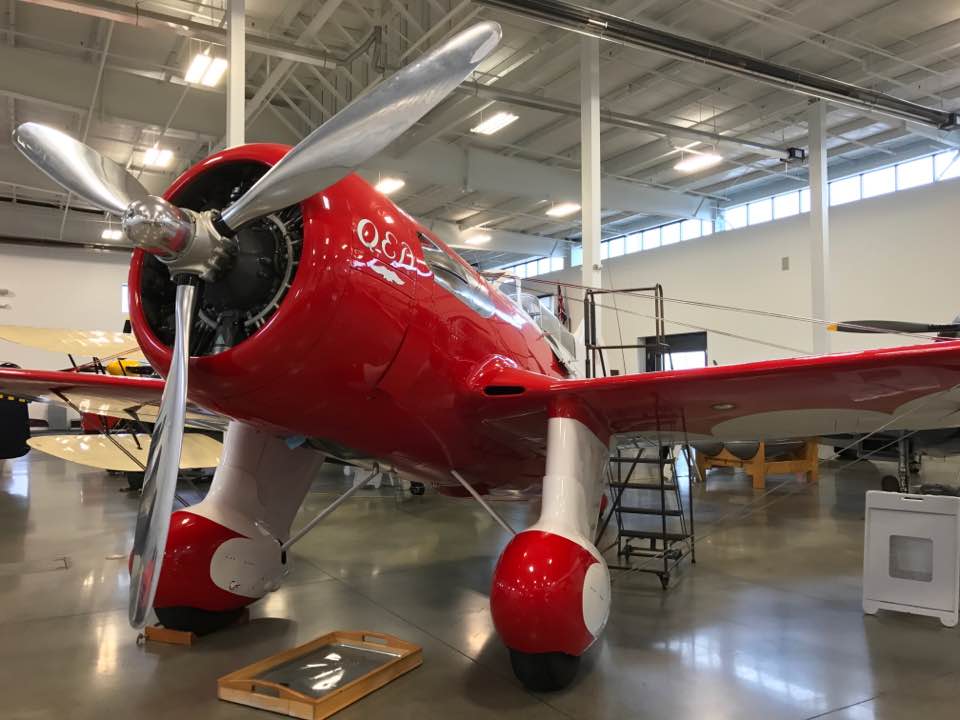
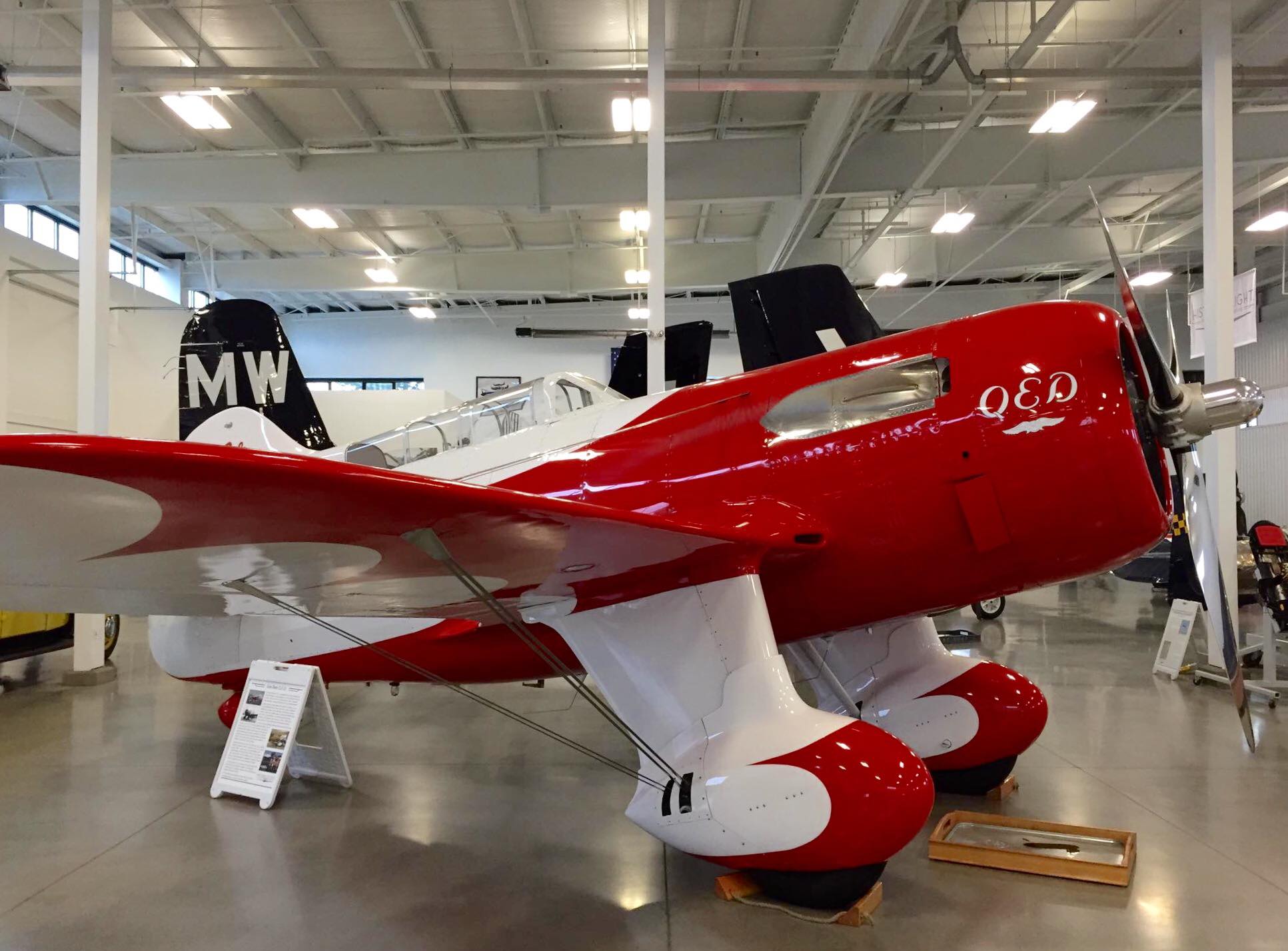
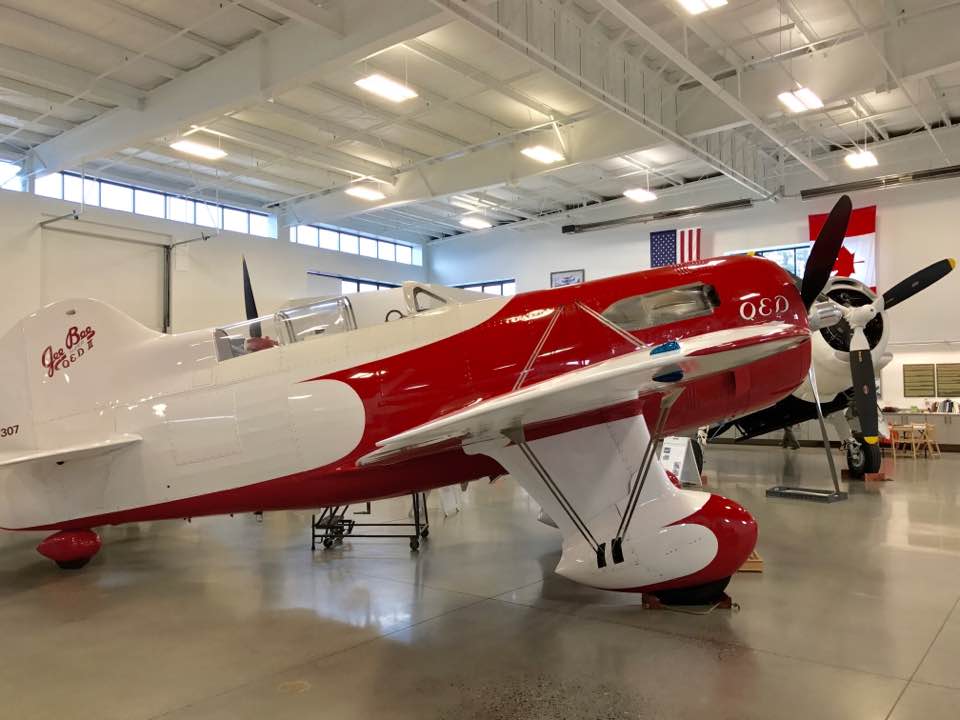
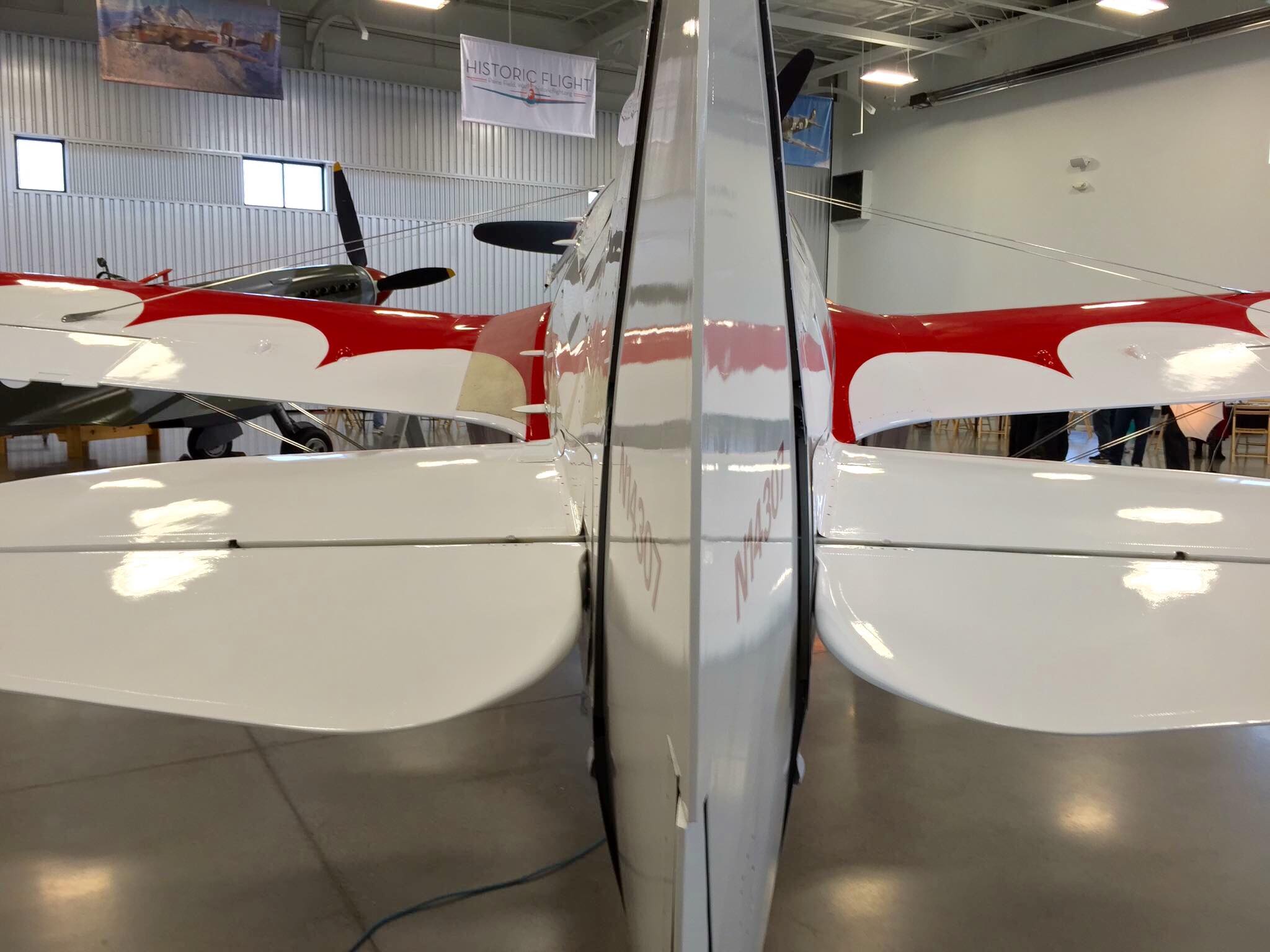
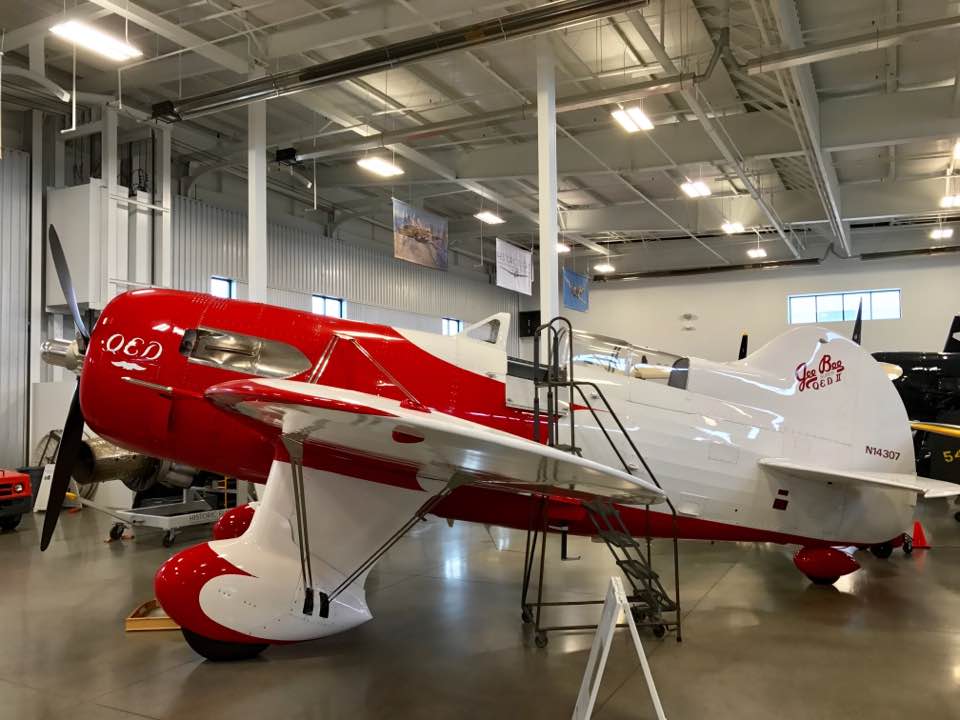
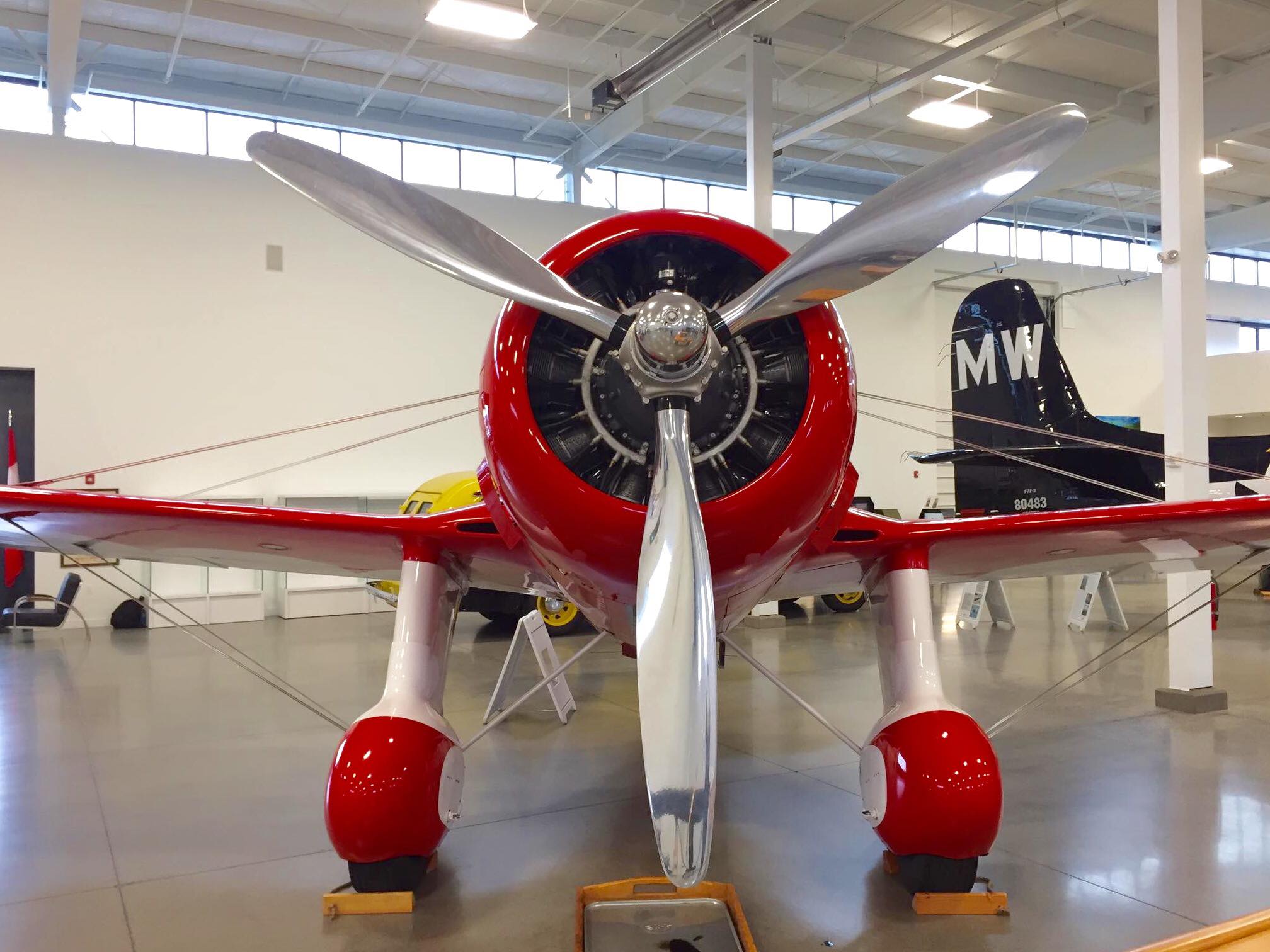
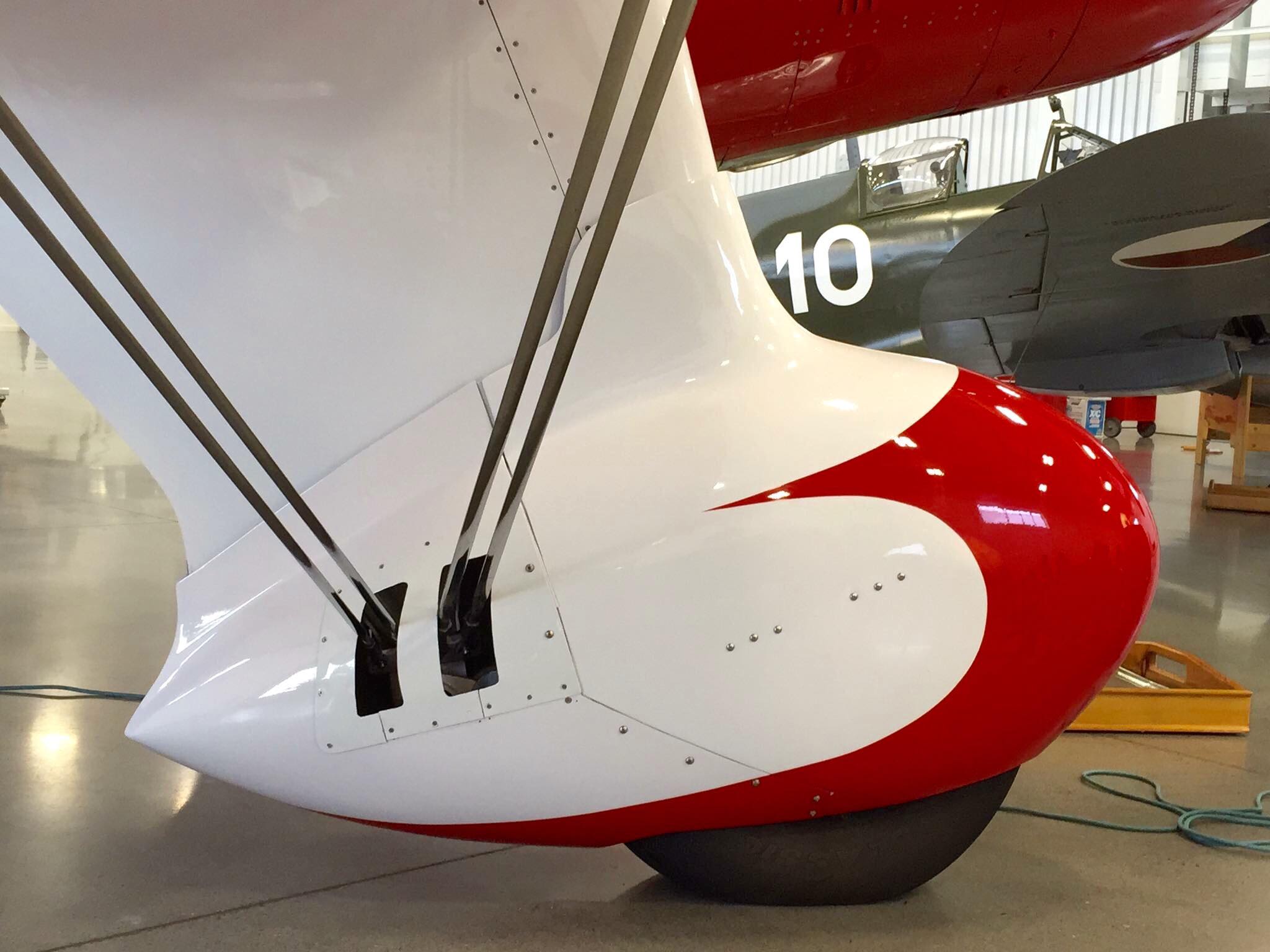
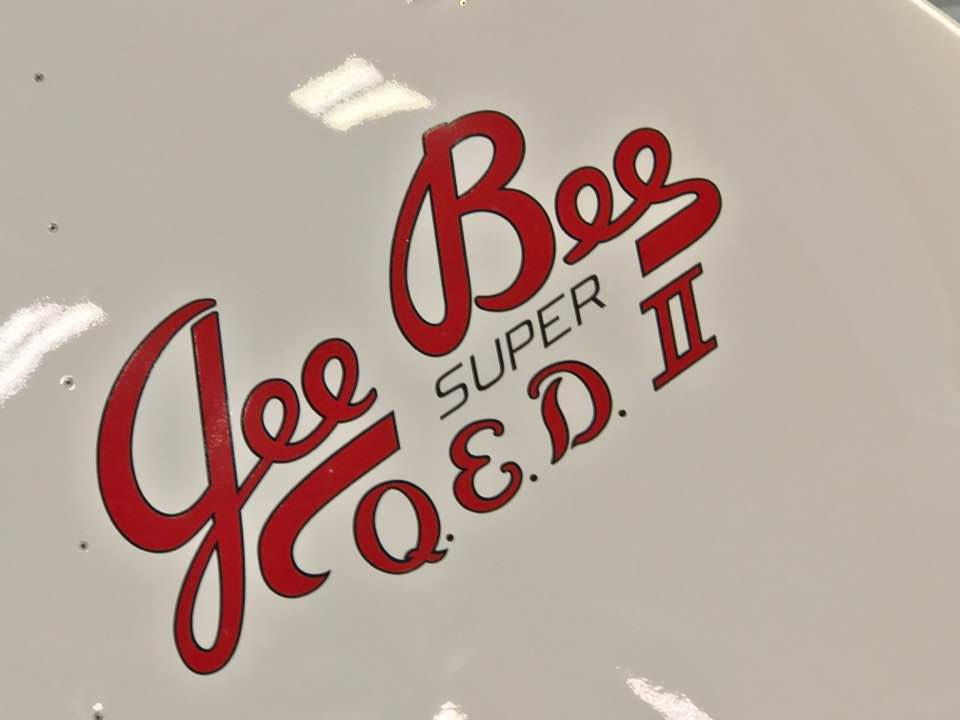
Editor’s notes: The Granville Gee Bee R-6 International Super Sportster, better known as the Q.E.D., was the final touring aircraft/air racer built by the Granville Brothers of Springfield, Massachusetts. Based on the Model R-1 Super Sportster flown by Jimmy Doolittle in the 1932 Thompson Trophy race and originally drafted as the R-5, the Gee Bee R-6 began development in 1933, but in October of that year, the Granville Brothers Aircraft company went bankrupt amid the economic hardships of the Great Depression. Further development suffered an additional setback when Zanford Granville, the main engineer among the Granville Brothers, was killed in Spartanburg, South Carolina, while on a cross-country delivery flight in a Gee Bee Model E Sportster NC856Y while attempting to avoid hitting a group of workmen and their equipment on the airport runway. The remaining Granville Brothers were able to complete the R-6 International Super Sportster thanks to an investment from industrialist Floyd Odlum, who was supporting the efforts of his girlfriend and later wife, famed aviator Jacqueline “Jackie” Cochran. Cochran had been looking for an airplane to fly in the MacRobertson Air Race from England to Australia after her intended aircraft, a Northrop Gamma, was unable to be ready in time to participate.
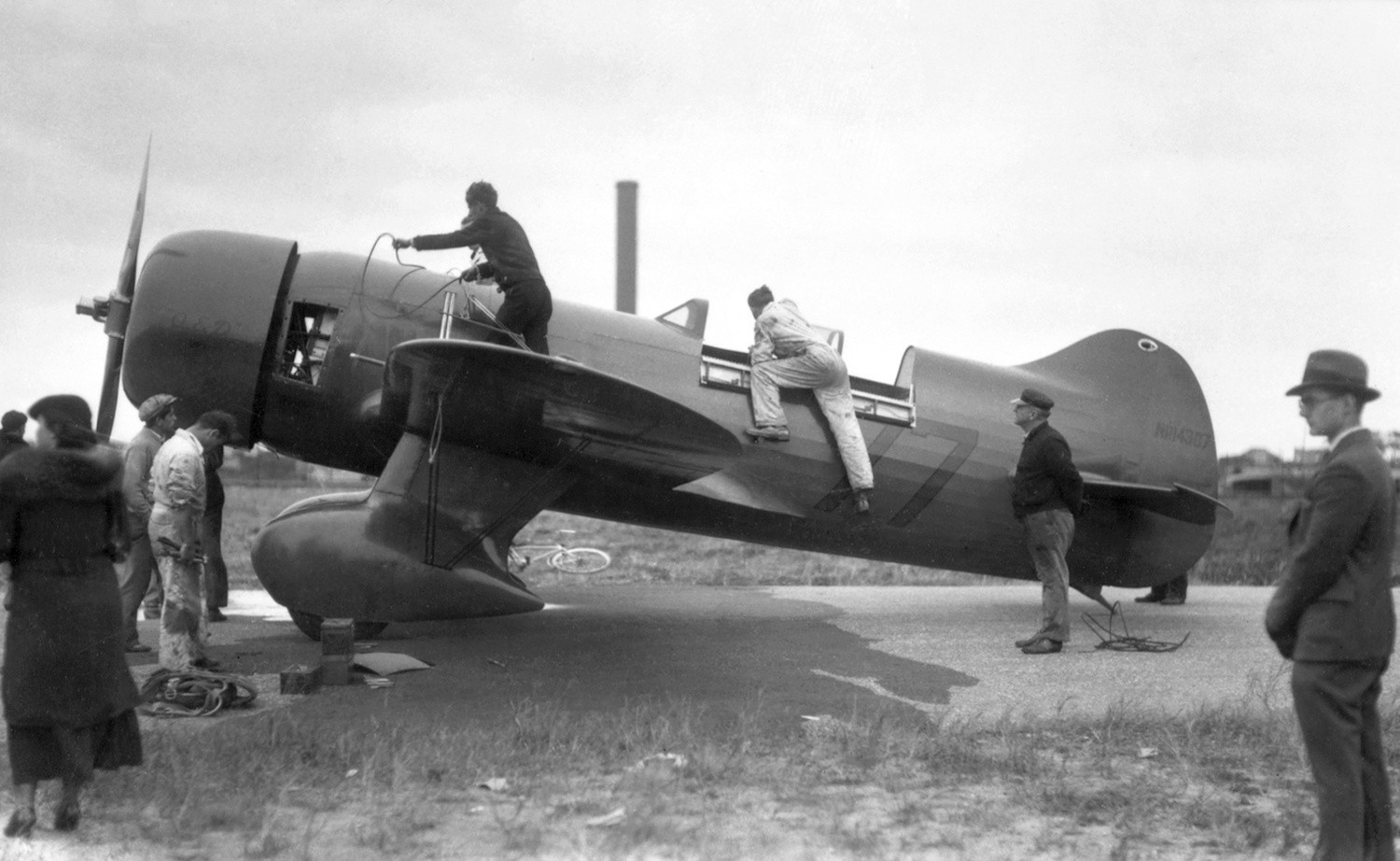
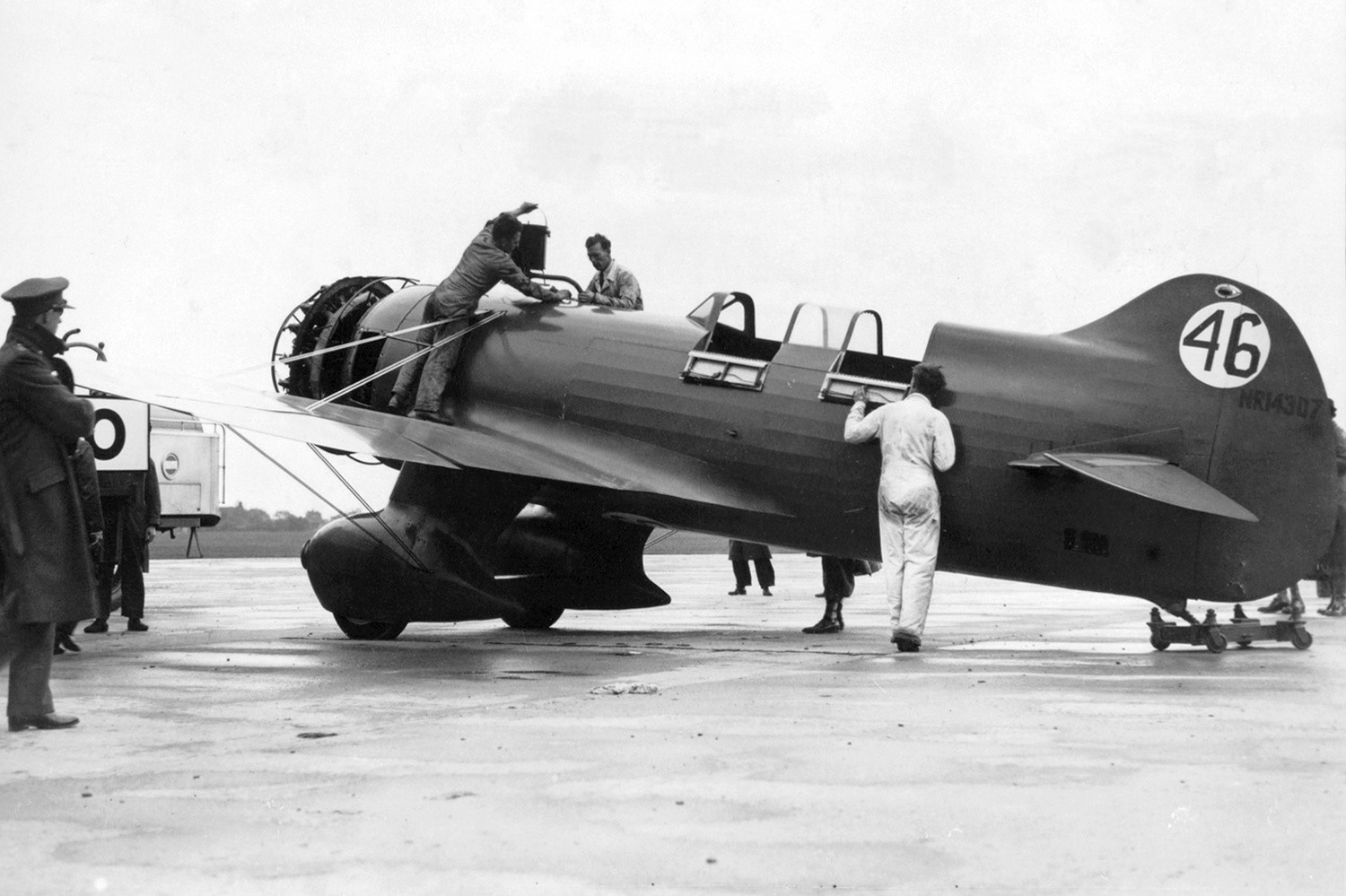
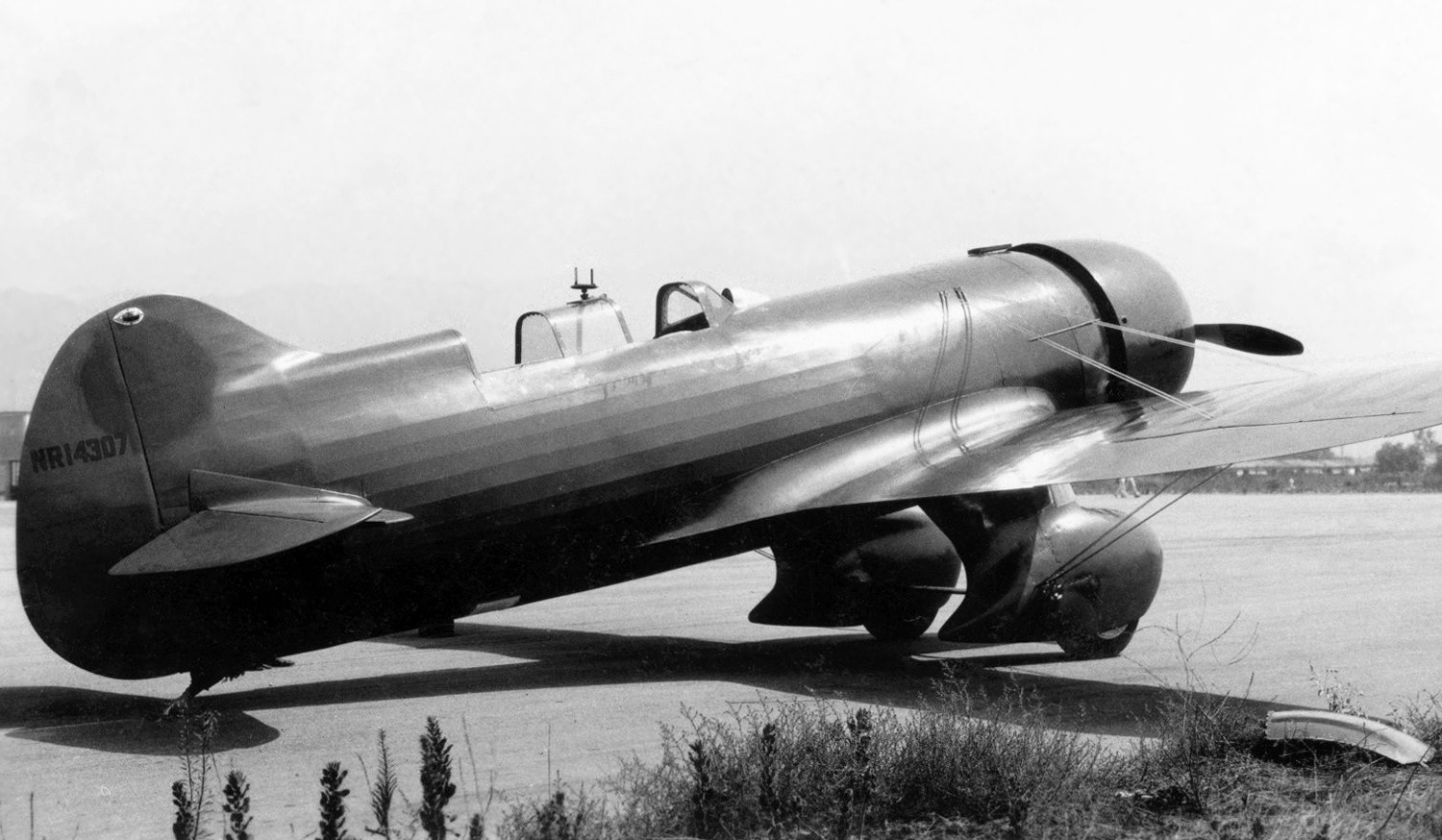
Before Cochran flew the aircraft, though, the Gee Bee R-6H Q.E.D., registration NR14307, would make its racing debut at the 1934 Bendix Race as race number 77, with pilot Lee Gehlbach at the controls. During the cross-country race from Los Angeles to Cleveland, Gehlbach was forced to land in Des Moines, Iowa, after the Q.E.D.’s cowling came loose and got pulled into the spinning propeller. Though a replacement cowling was sent out and the aircraft arrived at Cleveland, Gehlbach and the Gee Bee arrived too late to qualify. Though Cochran had preferred to have the Gee Bee R-6H fitted with a Curtiss Conqueror inline V12 engine, Curtiss-Wright could not deliver one before the MacRobertson Air Race, and Cochran would set off for RAF Mildenhall, England, the starting point of the MacRobertson Race, with the aircraft’s original radial engine, a Pratt & Whitney R-1690 Hornet.
Though the Q.E.D. made it to England by ship, British civil aviation authorities delayed certification of the aircraft over the comparatively limited flight testing it had undergone before the race. Nevertheless, both Jackie Cochran and copilot Wesley Smith took off from RAF Mildenhall as race number 46 and flew nonstop across Europe to their next leg of the race to Melbourne, Bucharest, Romania. While they arrived safely in Bucharest, the Gee Bee R-6H suffered damaged to one of its stabilizers and had a malfunctioning flap. The necessary repairs to the aircraft meant that Cochran and Smith were forced to drop out of the MacRobertson Air Race, and they returned to America with the aircraft.
In 1935, pilot Royal Leonard entered the Gee Bee Q.E.D. into the Bendix Race as race number 90, but while racing from Los Angeles to Cleveland, an engine failure forced him to land in Wichita, Kansas and drop out of the race. The next year, pilot Lee Miles would fly the racer with a “Never Finish” curse in the 1936 Thompson Trophy race in Los Angeles as race number 77 and completed 10 of the 15 laps in the course before engine trouble forced him down on the 11th lap, allowing Frenchman Michel Detroyat to win the race in his Caudron C.460. The aircraft was then purchased by aircraft broker Charles Babb, who had it repainted from its original green color with orange N-numbers to a cream scheme with red trim, and installed a supercharged Pratt & Whitney Hornet.
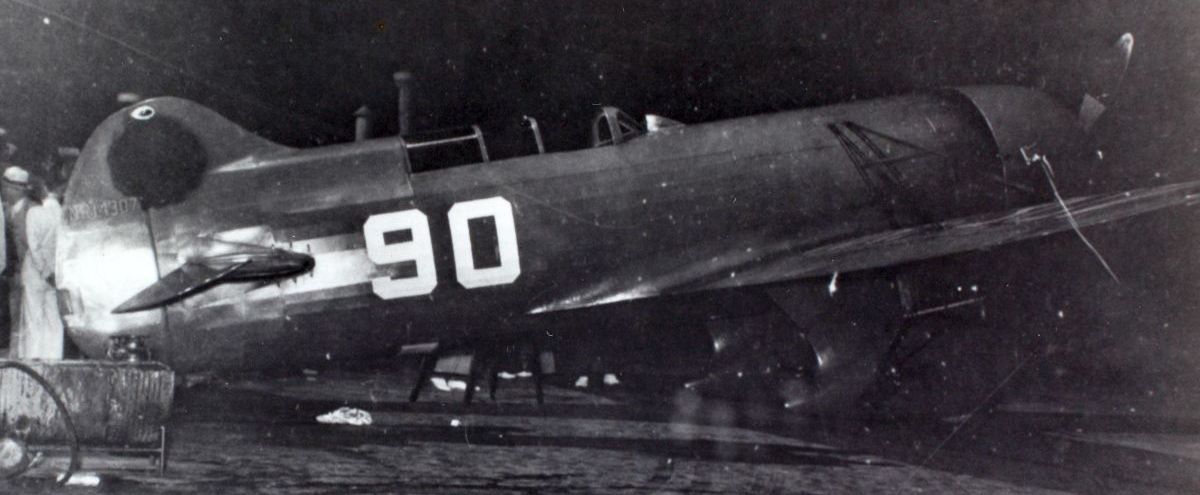
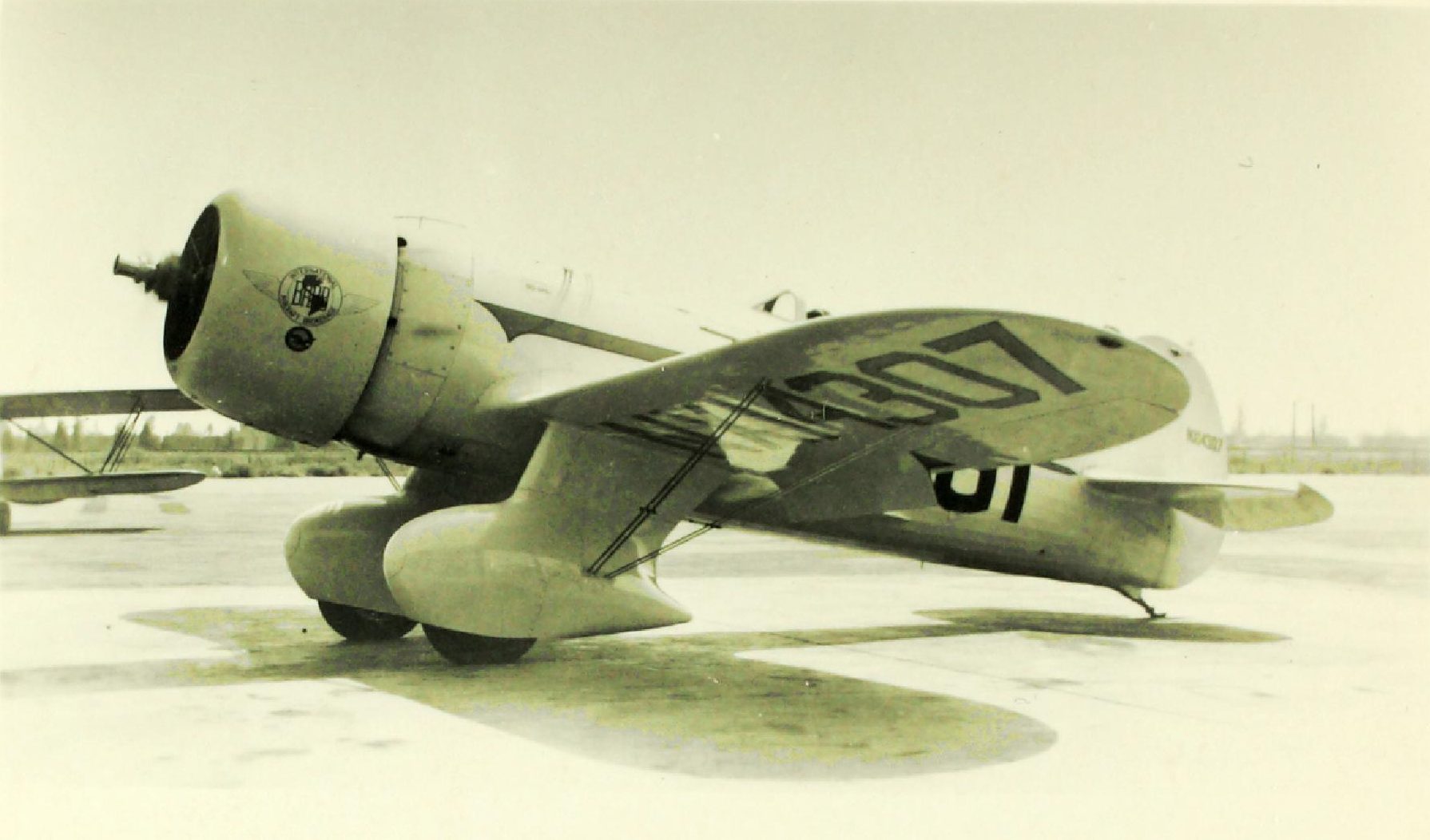
In 1938, George Stratton Armistead, a pilot working for Babb, entered the Gee Bee R-6H Q.E.D. into the Bendix Races for what would be the fourth time that the aircraft would participate in this transcontinental air race. While flying over Kingman, Arizona, after departing Los Angeles, the engine in the Q.E.D. began losing oil pressure at an alarming rate while the oil temperature began rising above safe levels. With his radio having failed and experience icing issues, Armistead managed to land in Winslow, Arizona, where he then dropped out of the race. This would be the Gee Bee Q.E.D.’s final race, and it had earned the dubious distinction of having never finished a race it was entered into.
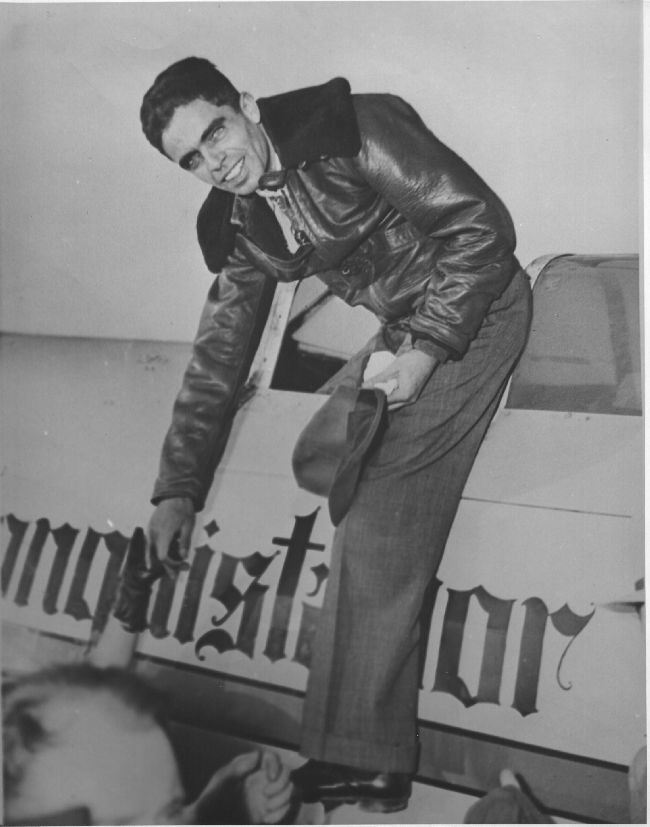
At the end of 1938, the Gee Bee R-6H gained a new owner and a new name. It was purchased by Mexican aviation pioneer Francisco Sarabia, who had pioneered civil air routes across Mexico and sought to gain further prominence on an international level. Sarabia purchased the former racer, had it registered under the Mexican civil aviation authorities as XB-AKM, and named the plane Conquistador del Cielo (Conqueror of the Sky). He would fly the Conquistador del Cielo on numerous record-setting flights between cities, flying from Los Angeles to Mexico City, Mexico City to Chetumal, Mexico City to Mérida, and Mexico City to Guatemala City. But his most famous flight would take place on May 24, 1939, when he flew nonstop from Balbuena Airport (Mexico City International Airport) in Mexico City to Floyd Bennett Field in Brooklyn, New York, in 10 hours and 47 minutes, a new record between two of the biggest cities in North America. Soon afterwards, Sarabia flew to Bolling Field, Washington, D.C., to begin a nonstop record flight back to Mexico City.
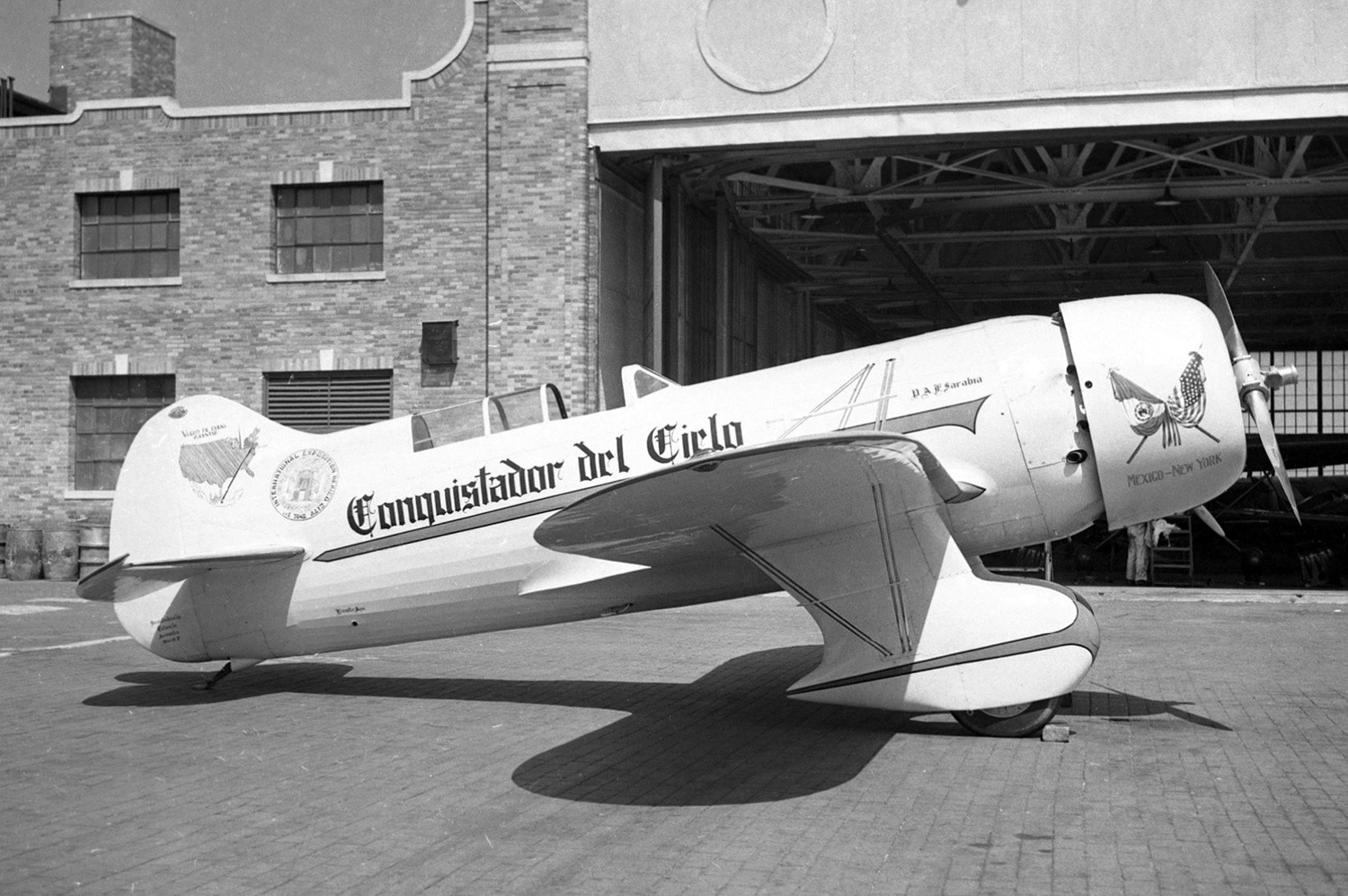
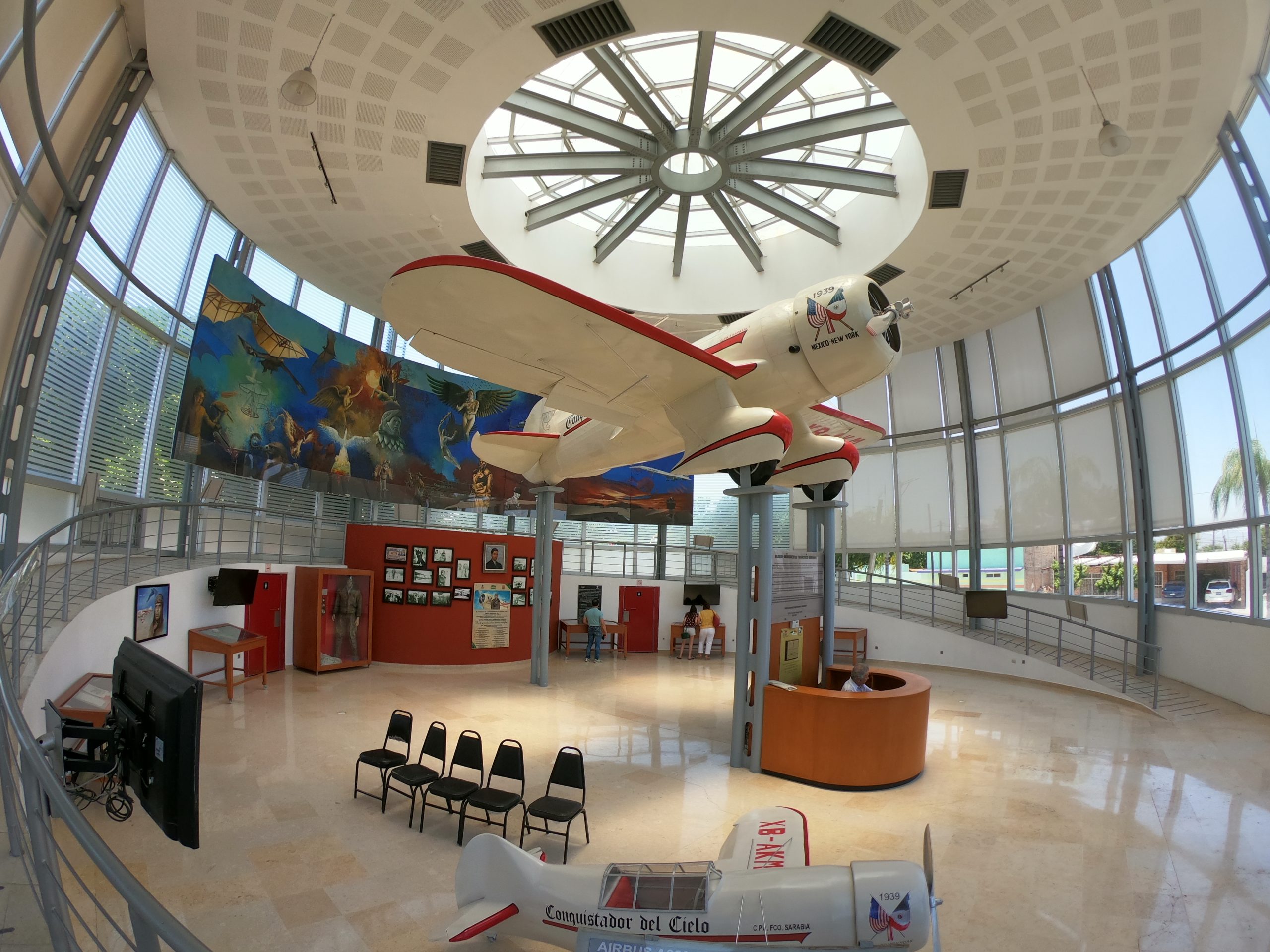
Tragically, though, Francisco Sarabia and the Conquistador del Cielo crashed into the Potomac River just a few minutes after taking off from Bolling Field when a discarded rag for cleaning the engine was sucked into the carburetor, seizing the engine. Despite efforts to free him from the aircraft, Sarabia drowned in the cockpit, ending the life of Mexico’s most famous aviator. Both Sarabia and his airplane were recovered from the Potomac, and Sarabia received a hero’s funeral in Mexico City, where he is buried in the Rotunda of Illustrious Persons, alongside numerous luminaries of Mexican history. As for the Gee Bee R-6H, it was also sent back to Mexico and initially stored in a hangar in Mérida, Yucatan, but was later brought to Sarabia’s birthplace of Ciudad Lerdo, Durango, where it has been restored to static display condition and is the centerpiece of the Museo Francisco Sarabia, where it remains to this day, one of only two original airplanes built by the Granville Brothers to survive today, with the other being a Gee Bee Model A biplane stored at the New England Air Museum in Windsor Locks, Connecticut.
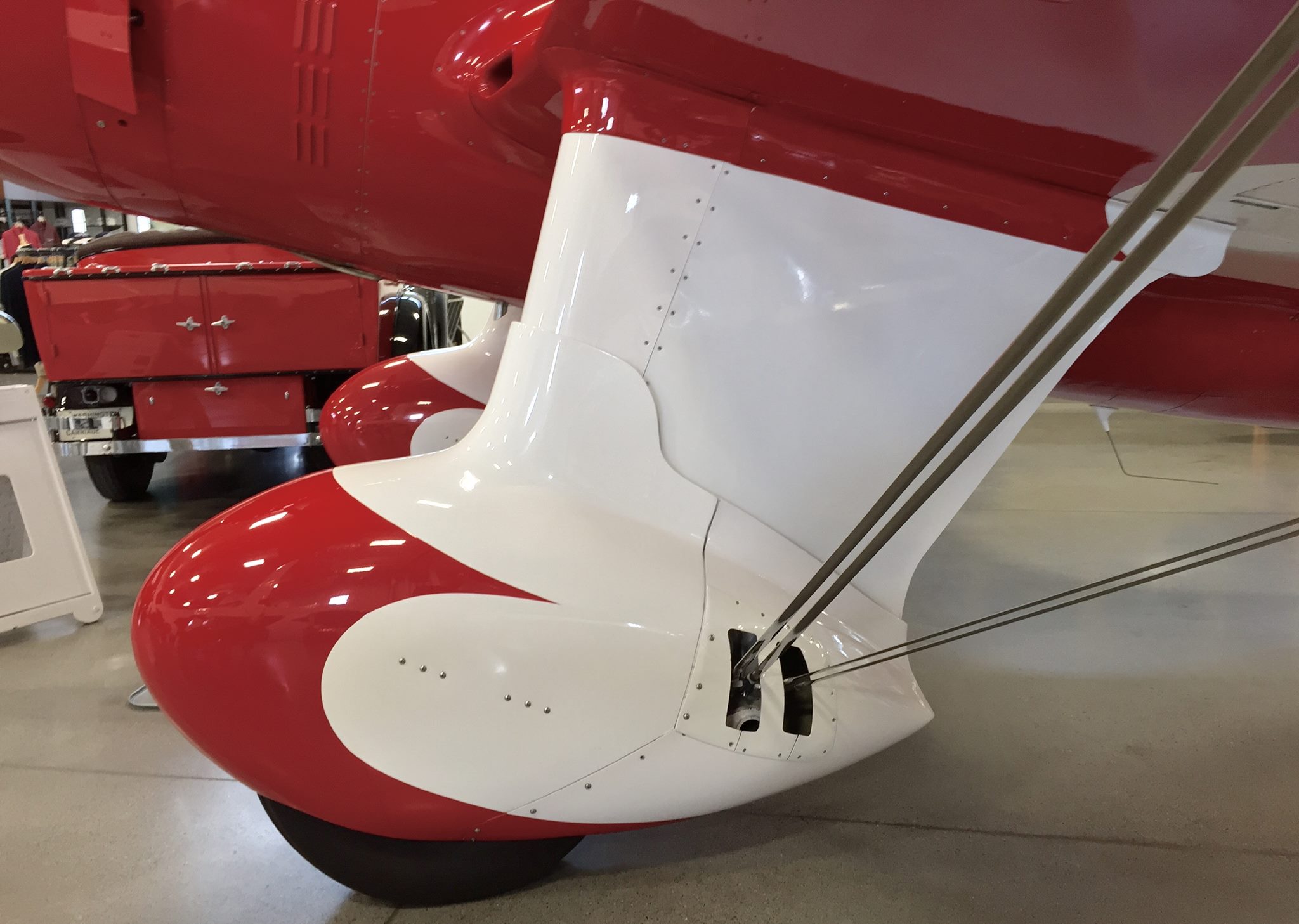
The replica that is the feature of this profile was built by Jim Moss, a former Northwest Airlines Boeing 747 pilot turned builder of vintage aircraft replicas. Moss began this project in 2002 and originally had to rely on historic photos and only basic plans of the original aircraft, but he also got some measurements of the original Gee Bee Q.E.D. on display in Ciudad Lerdo. Moss did make some changes to the original design of the Gee Bee R-6. Instead of using a 650-hp Pratt & Whitney R-1690 Hornet with a two-bladed propeller, he used a 1,450-hp Wright R-1820 Cyclone radial engine with a three-bladed propeller. Moss also widened the fixed landing gear, lengthened the wings, and enlarged the vertical tail fin by 20% for better, safer handling characteristics. After spending 50,000 manhours working on this aircraft, dubbed the Q.E.D. II, Jim Moss lived long enough to see the taxi tests of the aircraft, but passed away at the age of 81 in September 2013, shortly before the first flight of the aircraft on September 26 at Olympia Regional Airport in Washington.
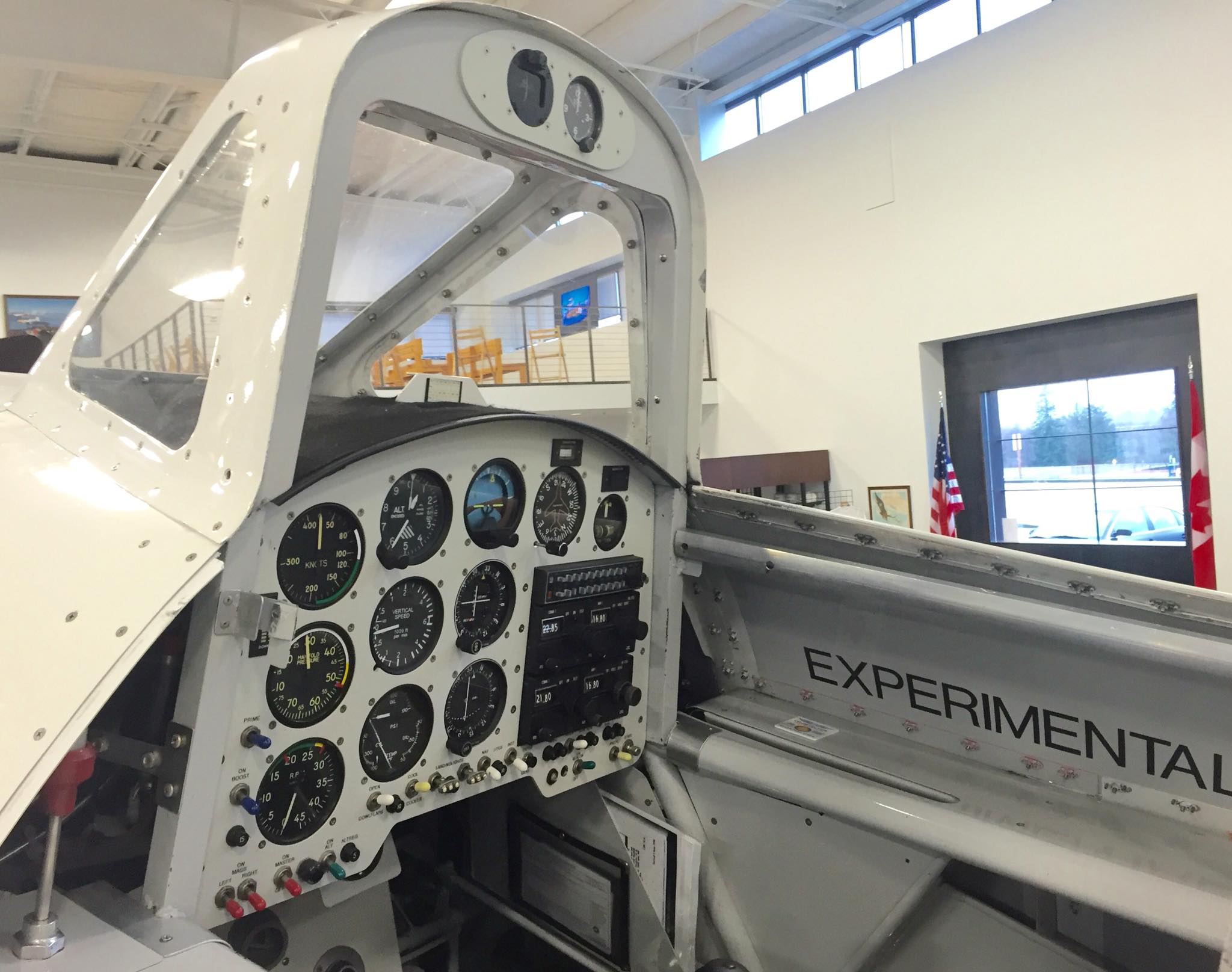
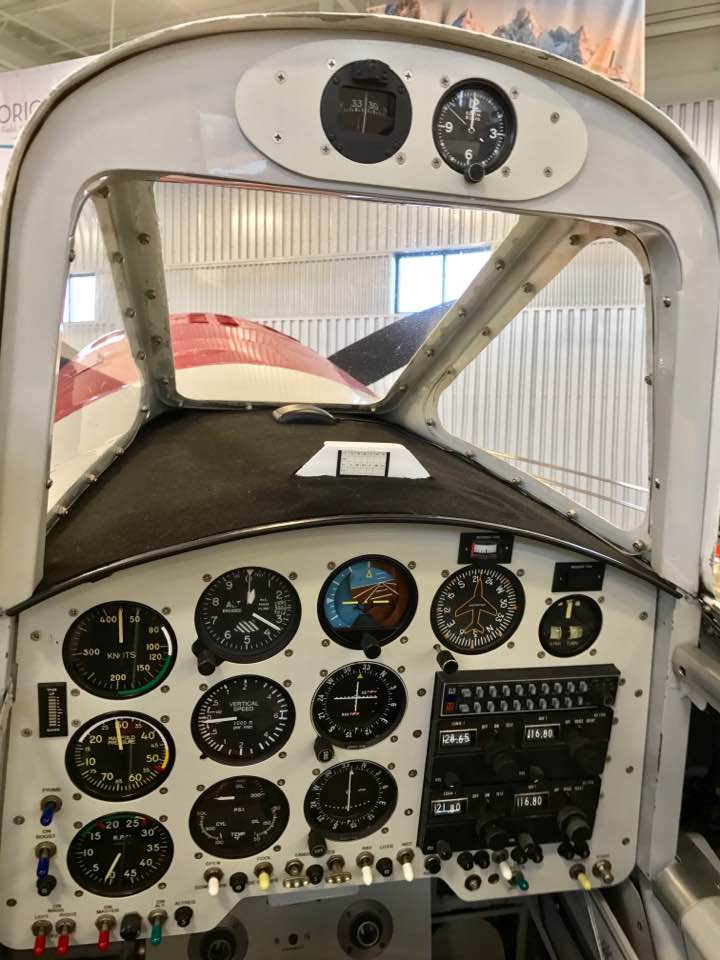
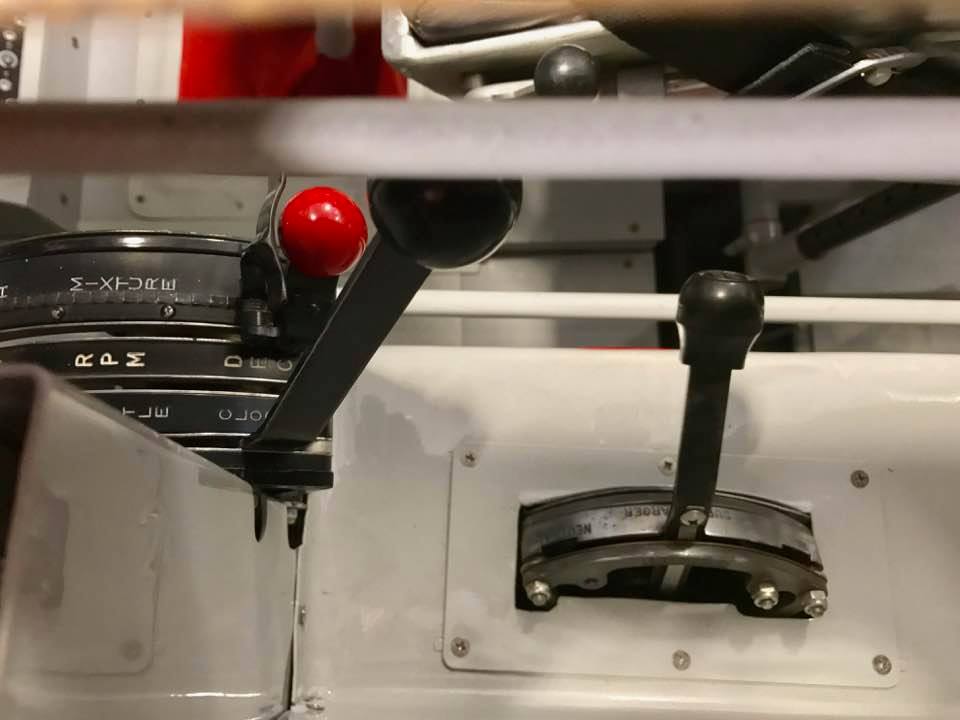
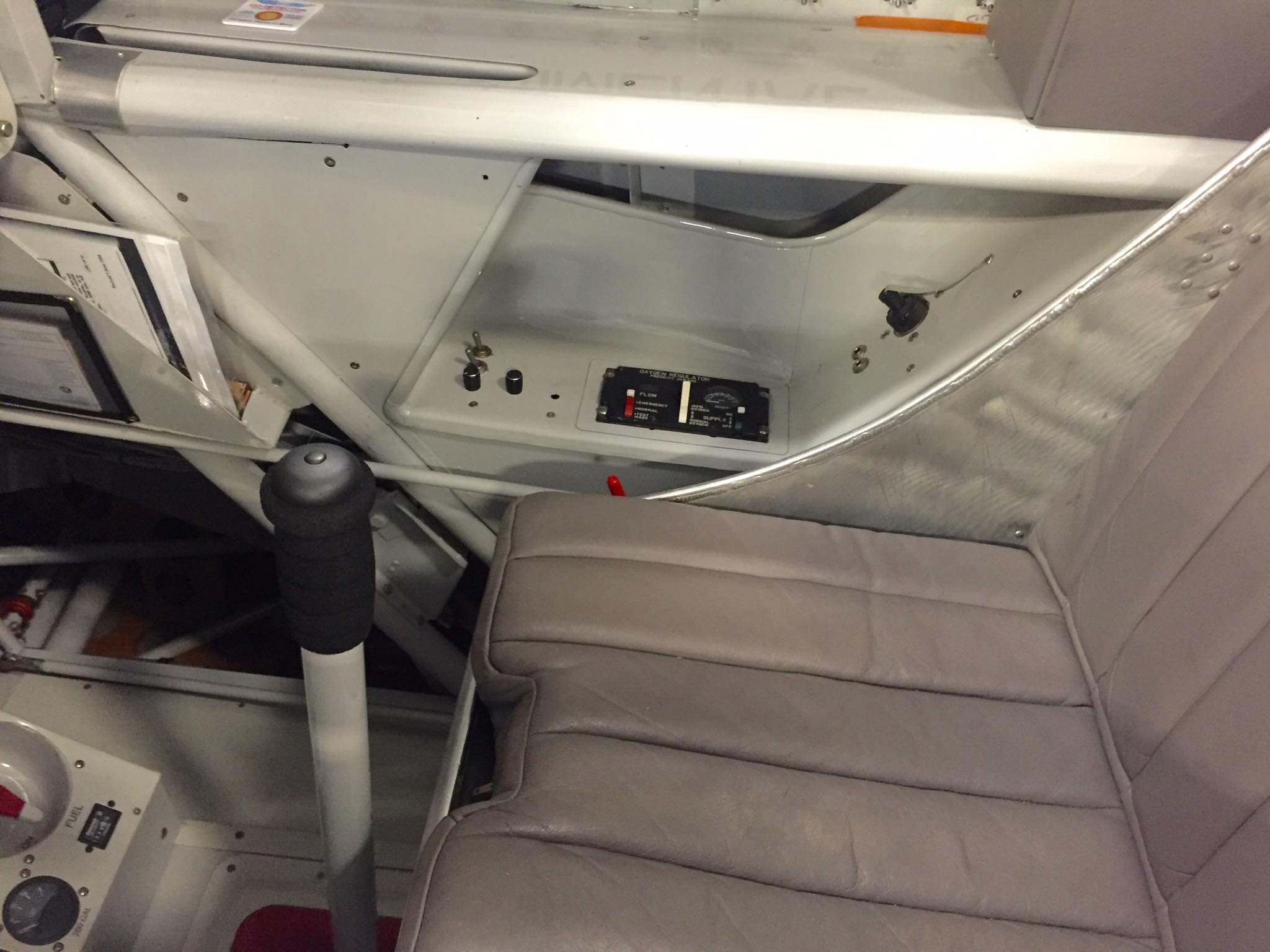
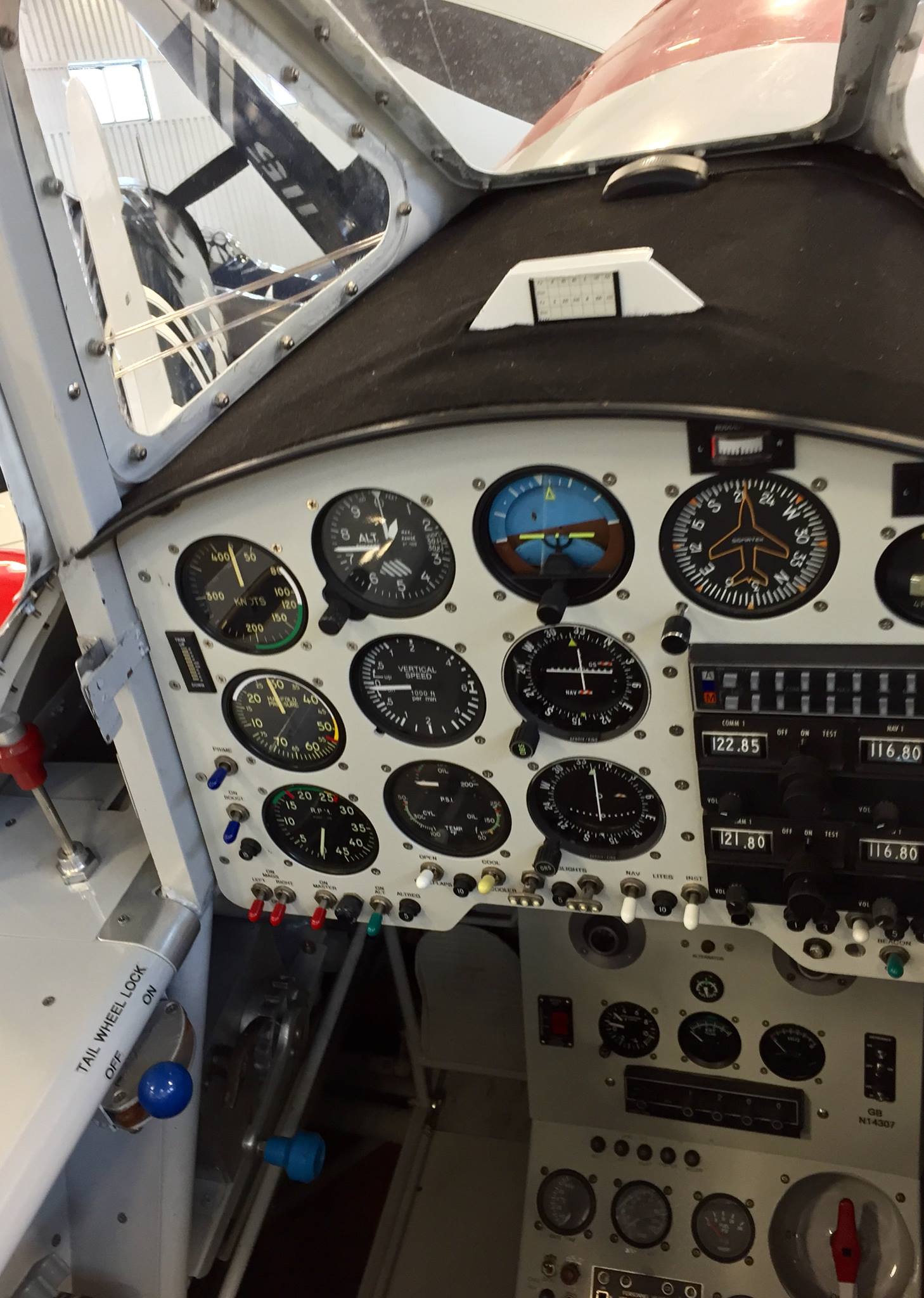
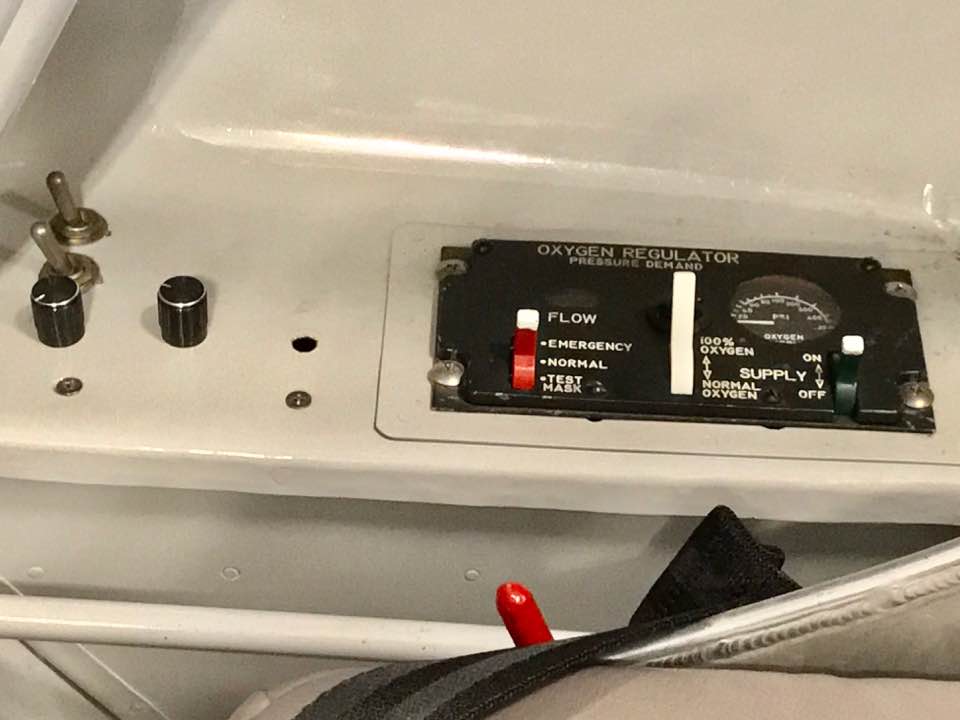
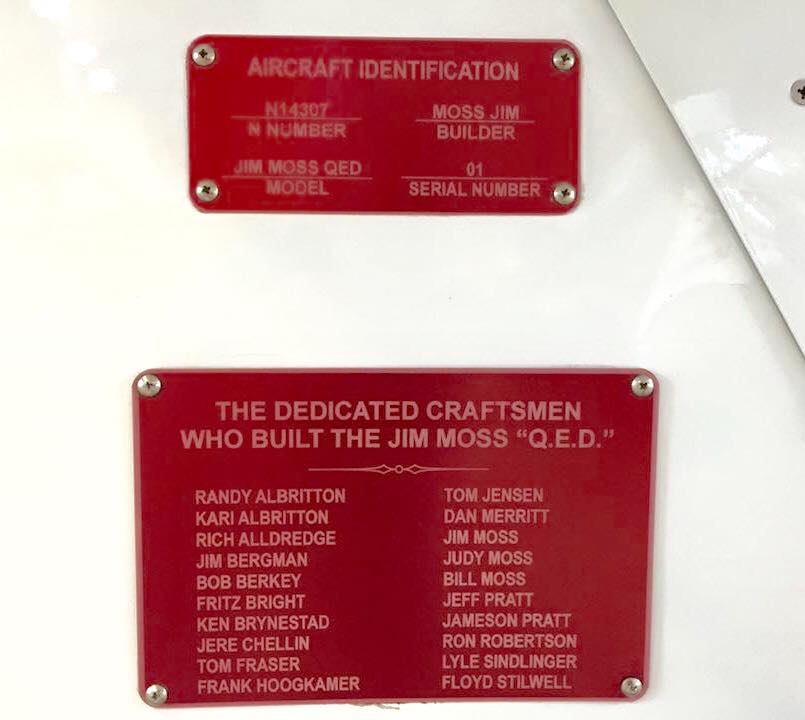
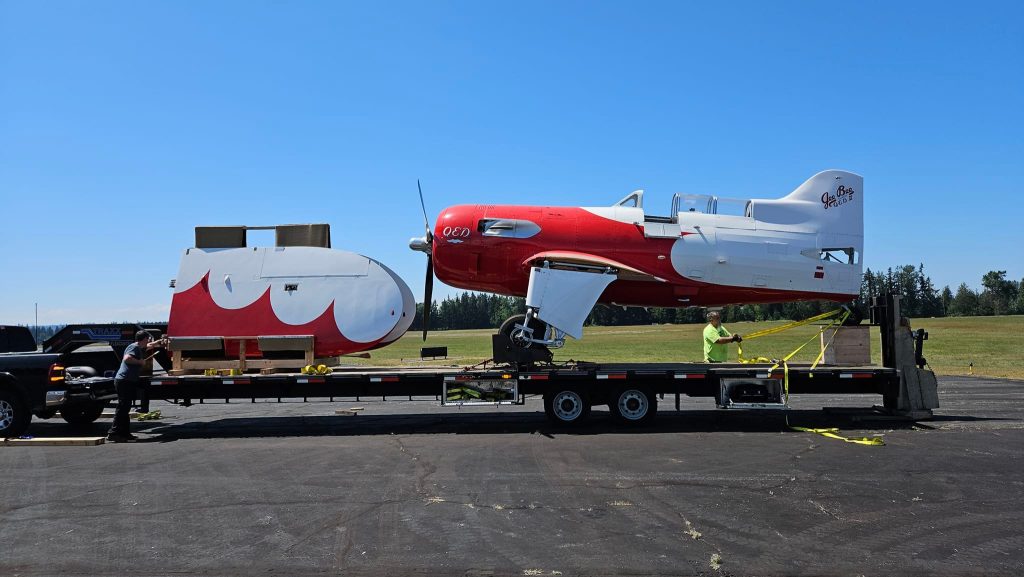
In 2014, Jim Moss’s Gee Bee Q.E.D. II, wearing the same N-number as the original Q.E.D., was flown to the EAA AirVenture show in Oshkosh, Wisconsin, and was later presented at the National Aviation Heritage Invitational held at the 2014 Reno Air Races. Following this, the aircraft was displayed at the Historic Flight Foundation on the Mukilteo side of Paine Field, Washington. In 2022, the aircraft was offered for sale by Platinum Fighter Sales and was sold to the Mid America Flight Museum of Mount Pleasant, Texas. However, since the aircraft had not made many recent flights before its purchase, the MFAM has sent it to its restoration hangar in Urbana, Ohio. From there, the aircraft will be flown to Mount Pleasant to join the rest of the Mid America Flight Museum’s impressive collection.
About the author
 Randy Malmstrom grew up in a family steeped in aviation culture. His father, Bob, was still a cadet in training with the USAAF at the end of WWII but did serve in Germany during the U.S. occupation in the immediate post-war period, where he had the opportunity to fly in a wide variety of types that flew in WWII. After returning to the States, Bob became a multi-engine aircraft sales manager and, as such, flew a wide variety of aircraft; Randy frequently accompanied him on these flights. Furthermore, Randy’s cousin, Einar Axel Malmstrom, flew P-47 Thunderbolts with the 356th FG from RAF Martlesham Heath. He was commanding this unit at the time he was shot down over France on April 24th, 1944, and spent the rest of the war as a prisoner of war. Following his repatriation at war’s end, Einar continued his military service, attaining the rank of Colonel. He was serving as Deputy Wing Commander of the 407th Strategic Fighter Wing at Great Falls AFB, MT, at the time of his death in a T-33 training accident on August 21, 1954. The base was renamed in his honor in October 1955 and continues to serve in the present USAF as home to the 341st Missile Wing. Randy’s innate interest in history in general, and aviation history in particular, plus his educational background and passion for WWII warbirds, led him down his current path of capturing detailed aircraft walk-around photos and in-depth airframe histories, recording a precise description of a particular aircraft in all aspects.