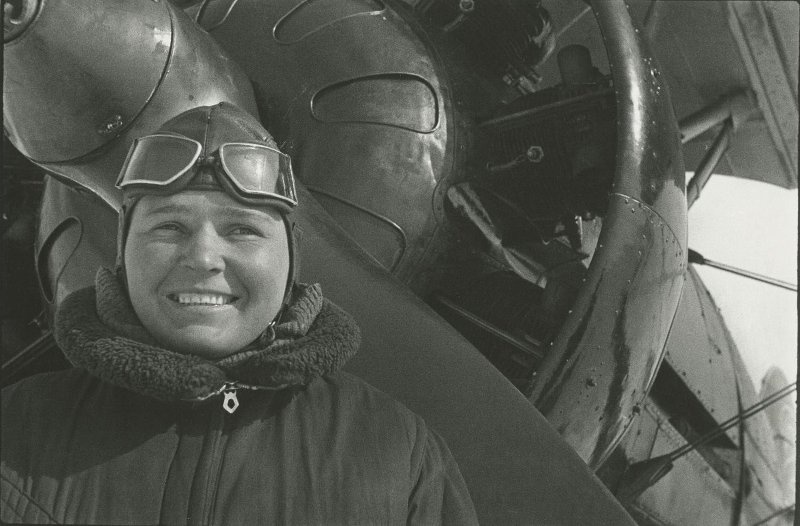
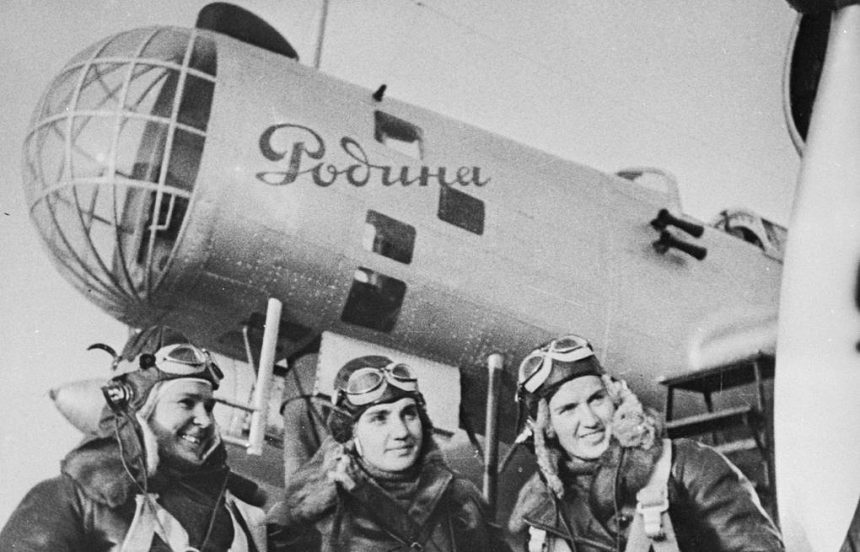

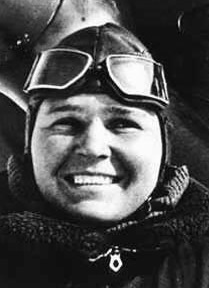
On this day in aviation history, 88 years ago (July 2, 1938), the women’s non-stop flight record was broken by Russian pilot Polina Osipenko. Osipenko was a Soviet military pilot and no stranger to record-breaking flights. Born on October 8, 1907, in Novospasovka, Yekaterinoslav, Osipenko grew up with dreams of flight. She came from a family of peasants, with eight other siblings. She worked at a collective farm until her goal of becoming a pilot became possible in 1930, at which point she left to attend Kazan Flight School. Osipenko would graduate from Kazan in 1933. Polina Osipenko became a fighter pilot with the Soviet Air Force upon graduation from flight school. She set three world records for altitude in 1937, and also set the women’s flight distance record with a haul from Moscow to Aktobe (897.709 miles). In July of 1938, Osipenko, Marina Raskova, and Vera Lomako topped their previous flight distance record by completing a 1,501-mile trip from Novgorod to Arkhangelsk.
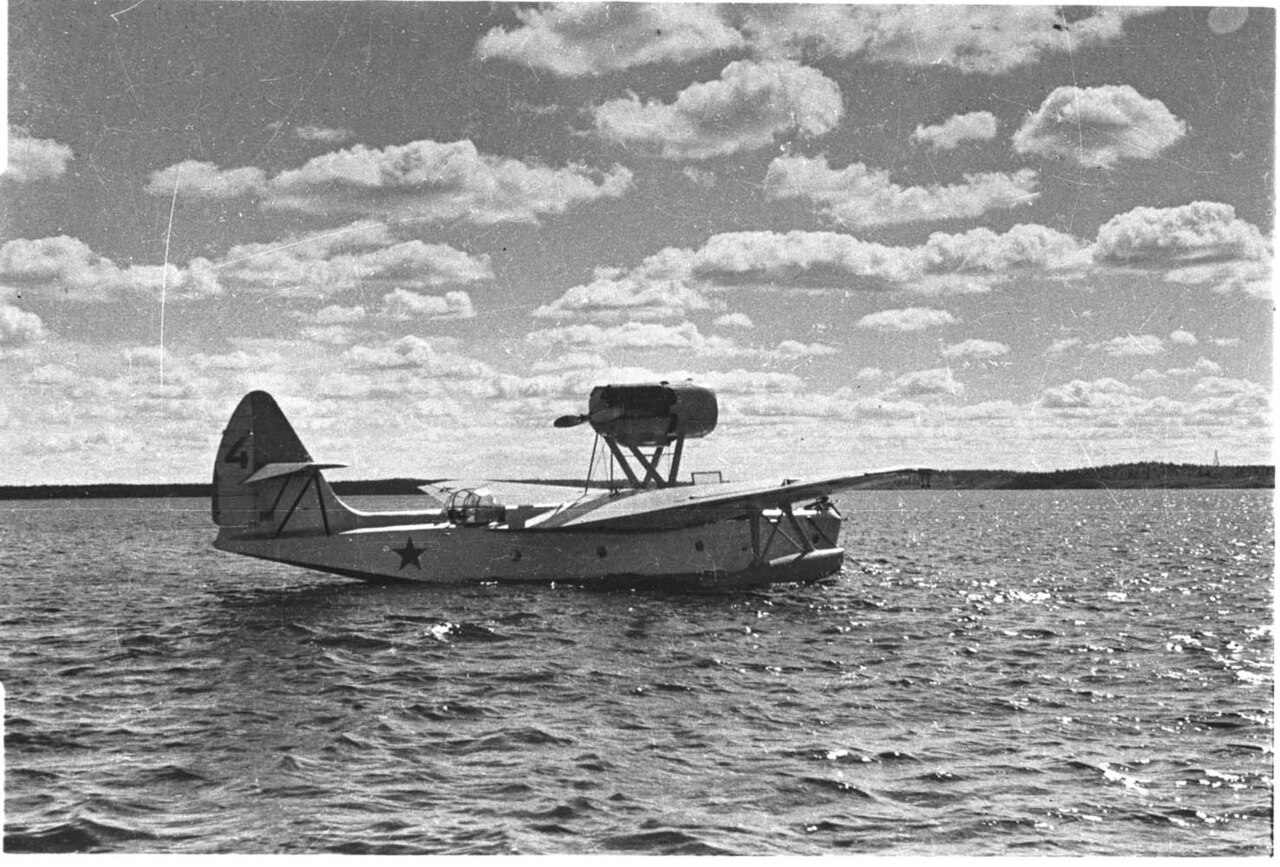
For the record-setting distance flight, Osipenko and her crew flew a Beriev MP-1bis, which was a variant of the Beriev MBR-2. The MBR-2 was a Soviet recon flying boat that was flown by a crew of 4 to 5 personnel. An 830-hp Mikulin AM-34NB V-12 liquid-cooled engine powered the ship to a maximum airspeed of 171 mph, although it would typically cruise closer to 120 mph. In military configuration, the MBR-2 would be fitted with a 7.62 mm PV-1 machine gun in the bow, another 7.62 mm ShKAS machine gun in the dorsal turret, and up to 660 lb of bombs, mines, or depth charges underneath the wings.
On September 24, 1938, Osipenko and crew attempted to set another non-stop flight distance record from Moscow. Difficult weather conditions caused them to miss a checkpoint and fly off course, losing precious fuel in the process. They crash-landed into a forest and survived for 10 days before being rescued. Despite not reaching their target of Komsomolsk-on-Amur, the crew still broke the distance record. For their heroic feat, Osipenko and her team were each awarded the title Hero of the Soviet Union. On May 11, 1939, Osipenko would perish as a result of a training flight accident with Anatoly Serov in a UTI-4. Although her life was cut short, Osipenko’s legacy is one that most aviators can never dream of achieving within a full span of life.